

SAP ERP Implementation has become a necessity for all organizations to become agile. Reducing risks and costs which are incurred should be mitigated for a successful implementation.
SAP ERP implementation transforms the company digitally and upgrades the existing obsolete systems. It also helps to create new business opportunities. SAP consulting services in the USA are providing these services as many companies are migrating their operations to a digital environment.
SAP Implementation helps to make the company more agile in its operations. Issues like enhancement and upgrades in existing systems pose a problem which is why alerts and business intelligence should be at the center of this implementation.
For this implementation to work, the core is not the software but the implementation team that makes it successful. Many other reasons can occur like time delays, incurring additional costs, time, and in-house support.
Identify an implementation partner in the USA who is capable of completing the project. You may not have the kind of necessary experience in-house to successfully integrate SAP. An SAP implementation partner can help with this.
A qualified Implementation will handle the different issues that arise during the implementation plan using their technical competence and business skills. It will also make absolutely sure that the project is on track.
Before signing the contract, choose an SAP Consulting Services provider who knows your organization.
Processes must be at the center of your implementation strategy. When a new system is implemented, it is common for the whole focus to be on important features and functionalities.
Processes that are influenced by the entrance of these new systems receive little to no attention.
Transformative technology like SAP ERP will also have a huge influence on your systems and processes, so think about the risks, requirements, and adjustments you’ll need to make to better align the system and processes which is required in many processes like SAP data migration, etc.
The staff will play a vital role in the success of the SAP ERP deployment. People with cross-functional skills, team players, and problem solvers should make up the team.
SAP consulting services provide the best solutions for SAP data migration & implementation that helps to reduce risks and costs effectively.
Confirm that their expertise is consistent across all of your locations.
One needs help with training, implementation, and support from a variety of sources, including local management, software vendors, consulting firms, and your software partner.
SAP consulting services in the USA are helping companies and organizations to become more agile in their operations and digitally transform themselves to suit the needs of their customers.
IDT Consulting & services have experienced SAP experts that can help make your company drive innovative transformation. Schedule a consultation call with our in-house team today to know more about SAP services & solutions.
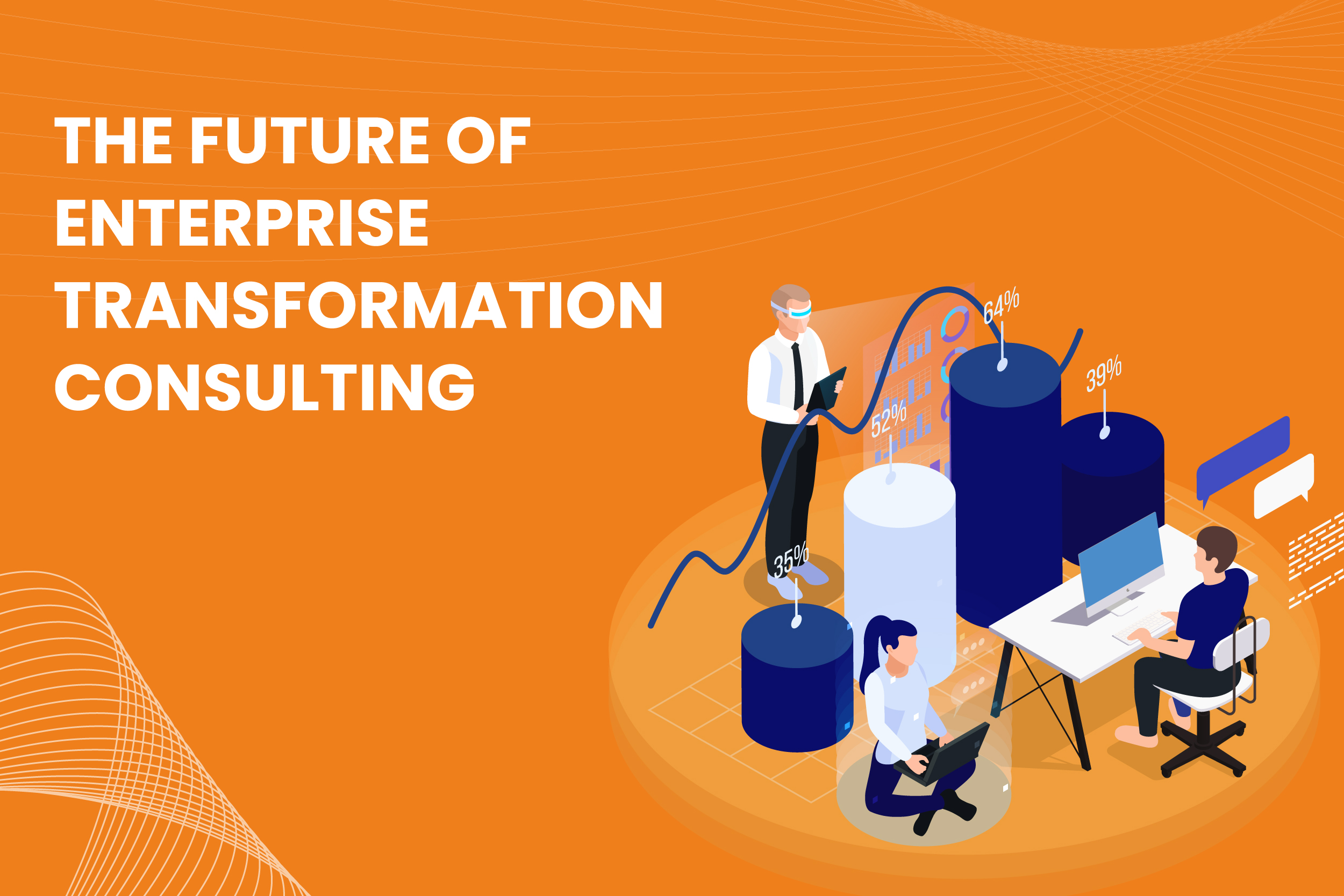
Enterprise transformation is no longer a niche service—it has become a critical driver for organizations seeking growth, agility, and resilience. Businesses today face unprecedented challenges: rapidly evolving technologies, shifting customer expectations, and complex global markets. In response, transformation consulting has evolved from offering generic recommendations to delivering highly specialized, strategic guidance that helps enterprises navigate this dynamic landscape.
Understanding how consulting is changing provides insights into what the future of enterprise transformation consulting looks like, and why companies are increasingly relying on experts to guide their transformational journeys.
Read More
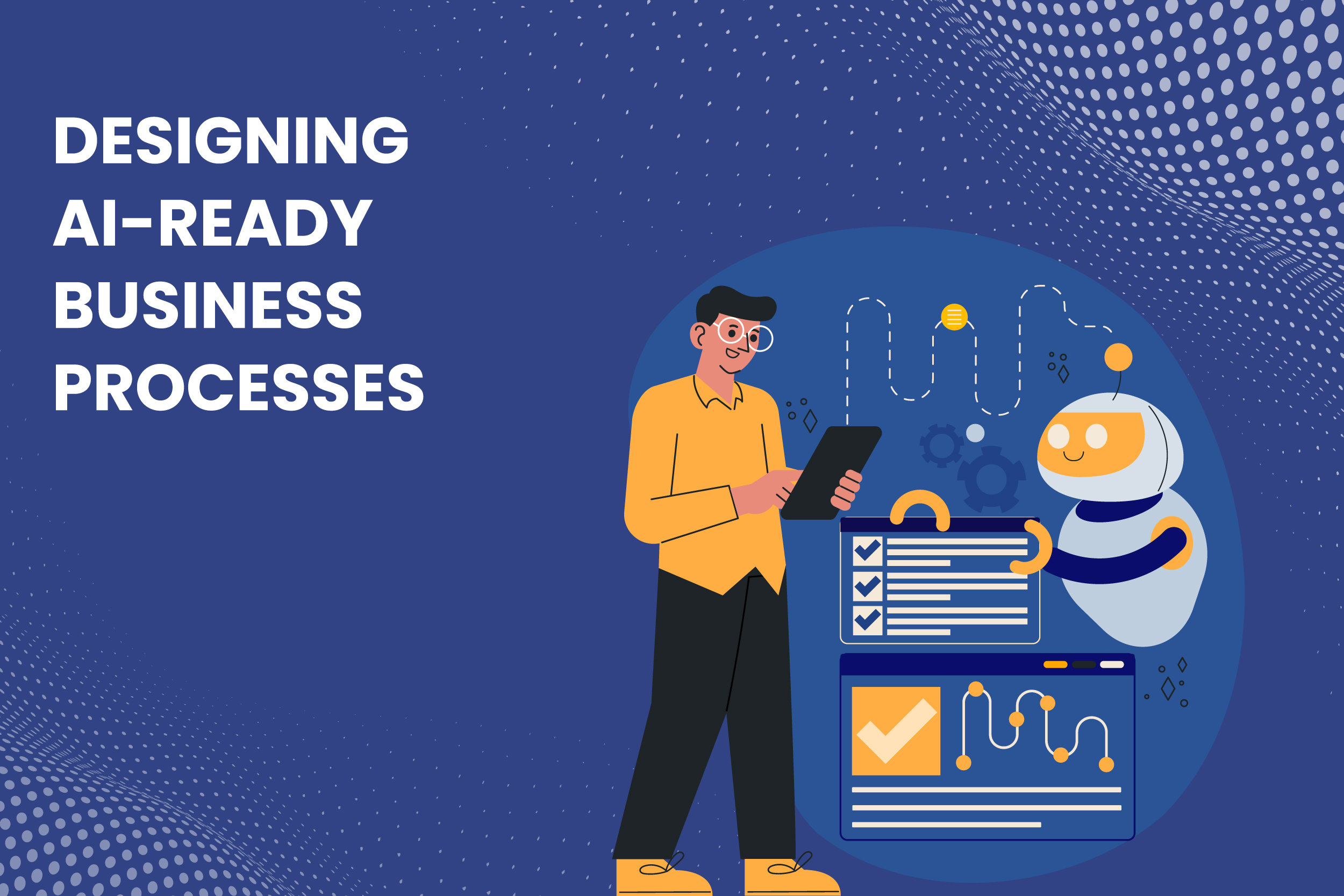
Artificial intelligence is quickly moving from experimentation to real business impact. Organizations are using AI to automate decisions, improve customer experiences, and extract insights from massive volumes of data. However, simply adopting AI tools does not guarantee success. Many companies discover that their existing workflows were never designed to support intelligent automation.
To unlock the full potential of AI, businesses must rethink how their processes are structured. This is where business process transformation becomes essential. Organizations need AI-ready processes that are structured, data-driven, and adaptable. Without these foundations, even the most advanced AI systems struggle to deliver value.
Understanding how to prepare processes for AI helps businesses build systems that are not only efficient today but also capable of evolving with future technologies.
Read More
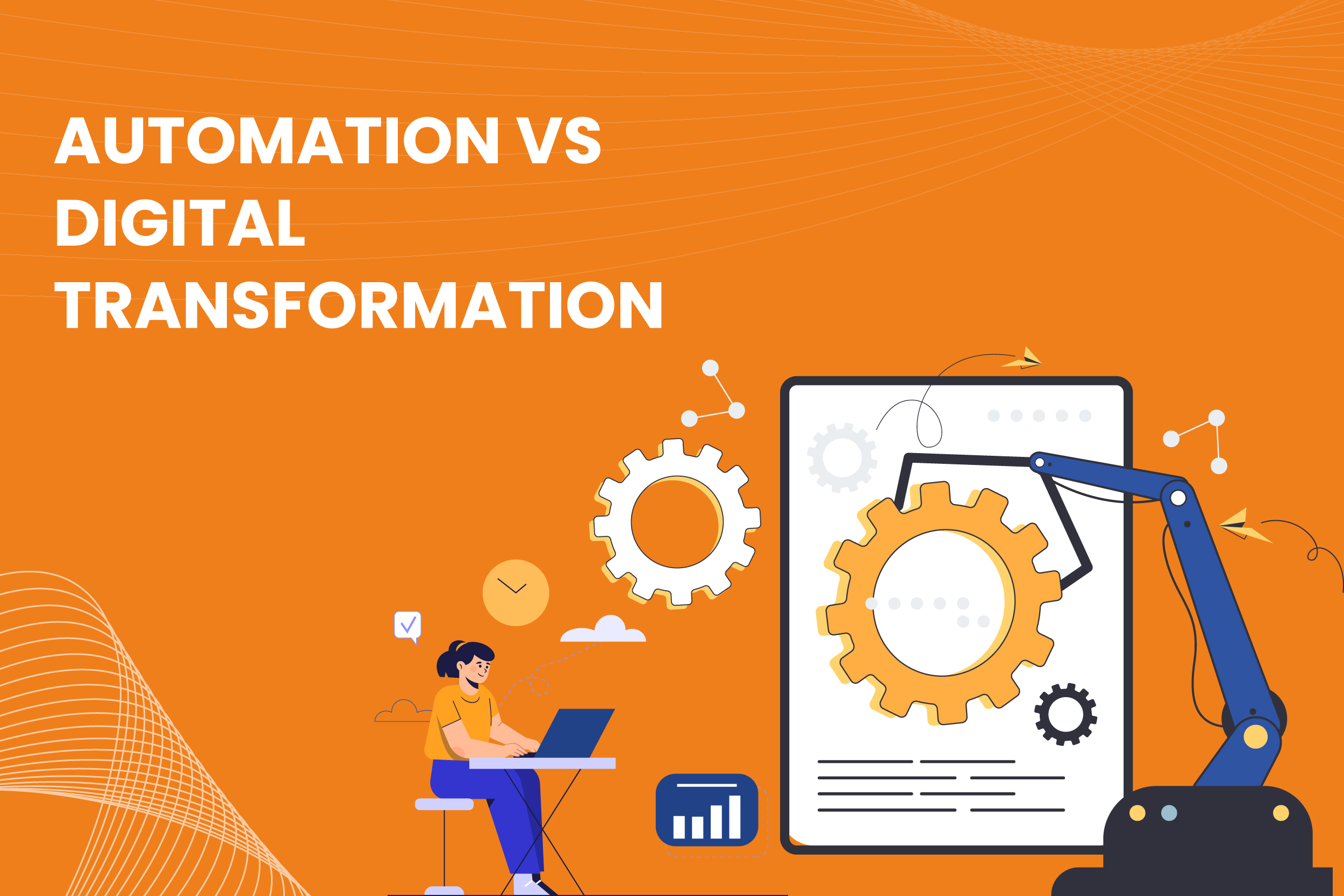
Businesses today are under constant pressure to move faster, operate efficiently, and deliver better customer experiences. In response, many organizations invest in automation tools and digital technologies. However, a common misunderstanding arises when companies assume automation alone equals transformation.
In reality, automation vs transformation is not a comparison of competing strategies. Instead, automation is a component of digital transformation, not the transformation itself. Understanding this distinction is essential for organizations that want to achieve meaningful and lasting change.
When leaders realize that automation is not digital transformation, they can approach technology adoption more strategically and avoid investing in tools that produce only limited impact.
Read More
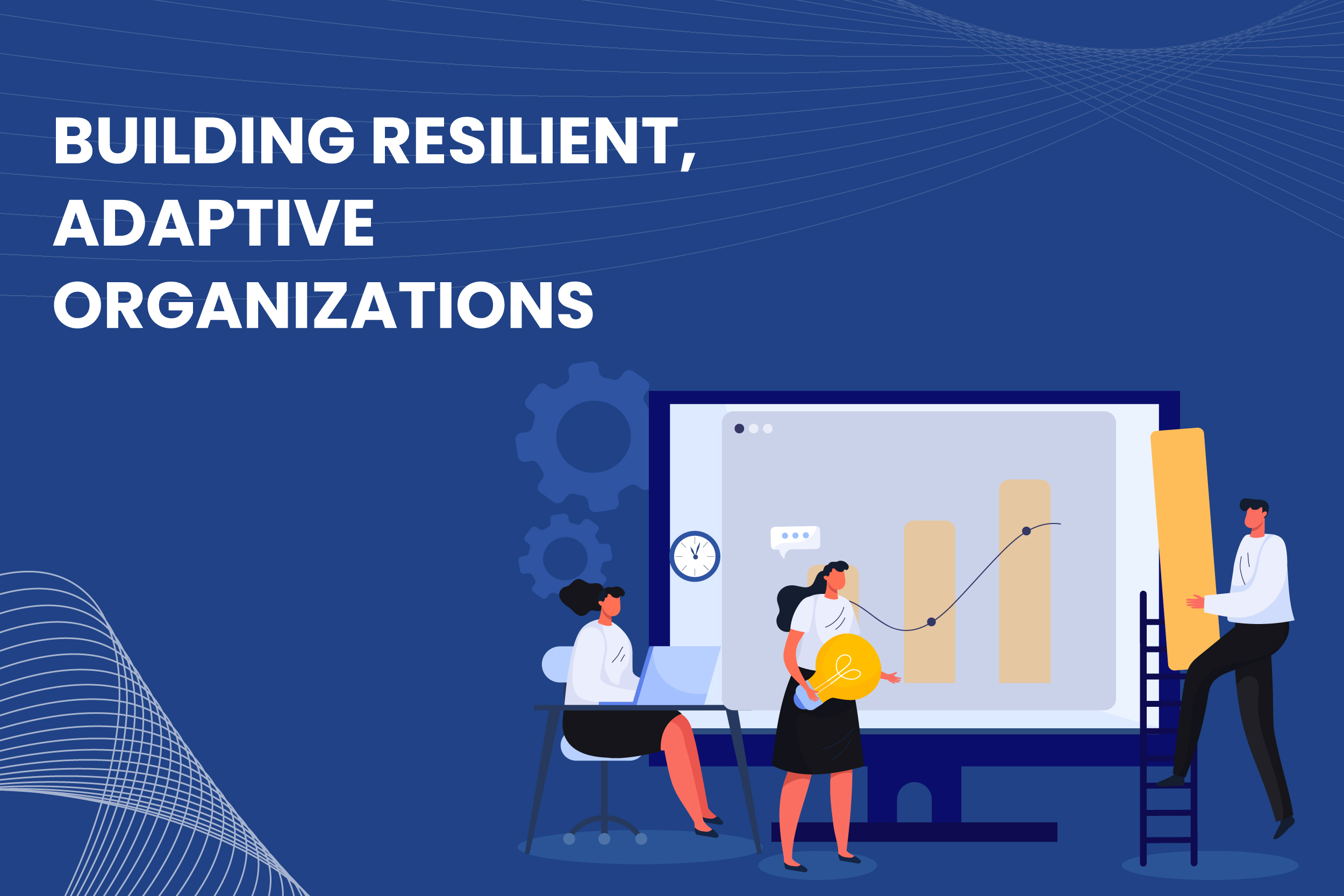
In today’s fast-paced business landscape, uncertainty is the only constant. From global economic shifts to rapid technological change, organizations face pressures that can disrupt operations, challenge growth, and threaten survival. In this environment, organizational resilience is no longer optional—it is essential. Companies that cultivate adaptability, foresight, and responsiveness are better equipped to thrive, even under the most challenging circumstances.
How companies stay resilient begins with a mindset that sees disruption not as a threat, but as an opportunity to learn, evolve, and innovate. Resilient organizations do more than recover from setbacks—they anticipate challenges, respond effectively, and emerge stronger.
Read More
In today’s fast-paced digital landscape, businesses must adapt to changing technologies and customer expectations to remain competitive. One of the most effective ways to achieve this adaptability is through digital transformation, which involves integrating digital technologies into all areas of a business. A critical component of this transformation is Enterprise Resource Planning (ERP) systems.
Read More
Implementing an SAP system can be a transformative step for organizations aiming to enhance their operational efficiency, streamline processes, and improve data visibility. However, success in an SAP implementation goes beyond simply completing the project on time and within budget. It involves measuring and analyzing key performance metrics that provide insight into how effectively the system is being utilized and whether it meets the organization’s objectives.
Read More
In today’s fast-paced business environment, efficient systems and processes are vital for success. Enterprise Resource Planning (ERP) systems like SAP are central to this, helping organizations streamline their operations, manage resources more effectively, and drive productivity.
However, ERP implementation is a complex and often challenging process that requires a skilled IT consulting partner to ensure success. Selecting the right IT consulting services for your ERP implementation, especially for SAP, can make the difference between seamless integration and costly disruptions.
Read More
ERP systems have become indispensable tools for businesses looking to streamline operations, improve efficiency, and maintain a competitive edge. However, implementing ERP solutions can be daunting, especially for small and medium-sized businesses (SMBs) with limited resources.
The complexity of the process, cost concerns, and the need for seamless integration across departments pose significant challenges. To overcome these, SMBs must adopt tailored ERP implementation strategies that align with their unique requirements.
Read More
In today’s fast-paced business environment, Enterprise Resource Planning (ERP) systems like SAP (Systems, Applications, and Products) are crucial to streamlining operations, improving efficiency, and supporting growth. However, the process of SAP implementation can be complex and time-consuming, often putting a strain on internal resources.
This is where IT consulting services come into play, providing the necessary expertise and support to accelerate your SAP implementation timeline. By leveraging specialized knowledge and proven strategies, IT consulting services can significantly shorten the time required for successful SAP deployment, helping organizations stay competitive and responsive to market demands.
Read More
As enterprises scale, managing resources, streamlining operations, and maintaining flexibility become crucial challenges. To address these challenges, businesses increasingly turn to cloud-based Enterprise Resource Planning (ERP) systems.
ERP solutions have long been vital in centralizing various business functions like finance, human resources, supply chain management, and customer relations into a unified system. In recent years, the shift to cloud-based ERP systems has offered even greater benefits, particularly for growing enterprises.
Read More
Leave a Reply