

If you are planning to implement SAP, it is important that you have a good start. If you want to know how to implement SAP in your organization, then follow these 7 tips and tricks.
As an SAP beginner, you need to understand basic things such as business processes, the acronym of SAP, and the concept of the project. First, you need to know about SAP and ERP (Enterprise Resource Planning) to understand the programs.
SAP consulting service is beneficial because it provides you with professional training to develop your SAP knowledge. The professional training will help you to understand the better work process and data management system in the organization.
As a beginner, you should learn the functional and technical modules, industry-specific solutions, SAP training with certification and project preparation, etc. To develop best practices there are the main top 7 tips and tricks for SAP beginners which are discussed below.
Changing the background color is an important trick and tip for SAP learning beginners. To change the color of the background, you need to click on the display icon and go to the options. Then you can choose the color scheme and there are various types of colors such as SAP gold, SAP Green, SAP purple, and SAP red. Moreover, you will see another option which is SAP signature default.
When you work in the system, you may hear the sound of the SAP. to turn off the sound you have to go to the option first, then interaction design, sound setting, and then you should choose the option to activate the audio signal and remove the tick mark off from the box. These are the processes to turn off the SAP sound system.
In the menu section, it only shows the description of the transaction but you can’t see the actual transaction behind the description process.
So to see the transaction process, you need to go to the extras option and choose the setting. When you see the checkmark for the display-technical names you need to press enter.
Firstly it will show you the process to install your folder. So you need to go to favorites and insert the folder. Then enter a name for the folder. If you want to add some transactions, you need to go to the favorites option. Then select insert transaction and press enter.
The fifth trick is very interesting because when you work in a different system and if you want to know in which system you are working, you can go to the system and choose the transaction option.
The date format is important because it shows the different times according to the places. Suppose you are working in a company, located in Japan, then you have to follow the date format of your current location. To change the date format, you need to go to the system option user profile and user data. After you can see a default option and choose the data column and select the save icon. This is how you can change your date format.
Tip number 7 is also effective for tapping another transaction. The ME21N and if you wanna go T-code SE-10, you can do that by executing into the transaction box. In the case of execution, you can choose SPRO and this is how it creates differences in transactions.
Most importantly beginners have learned the importance of SAP. SAP training mainly allows professionals to get information properly. This will help to enhance the knowledge. This will help you to analyze critical data of the organization.
In the case of proper business management, the SAP HANA migration will guide beginners. It will provide you with an idea about cloud-based solutions and the basic steps of a management system.
This concludes the top 7 tips and tricks for beginners to develop their knowledge about SAP implementation As a beginner, these tips and tricks will help you to clear your doubts about SAP and enhance your knowledge. SAP HANA migration will be the best option for you to develop your knowledge as a beginner.
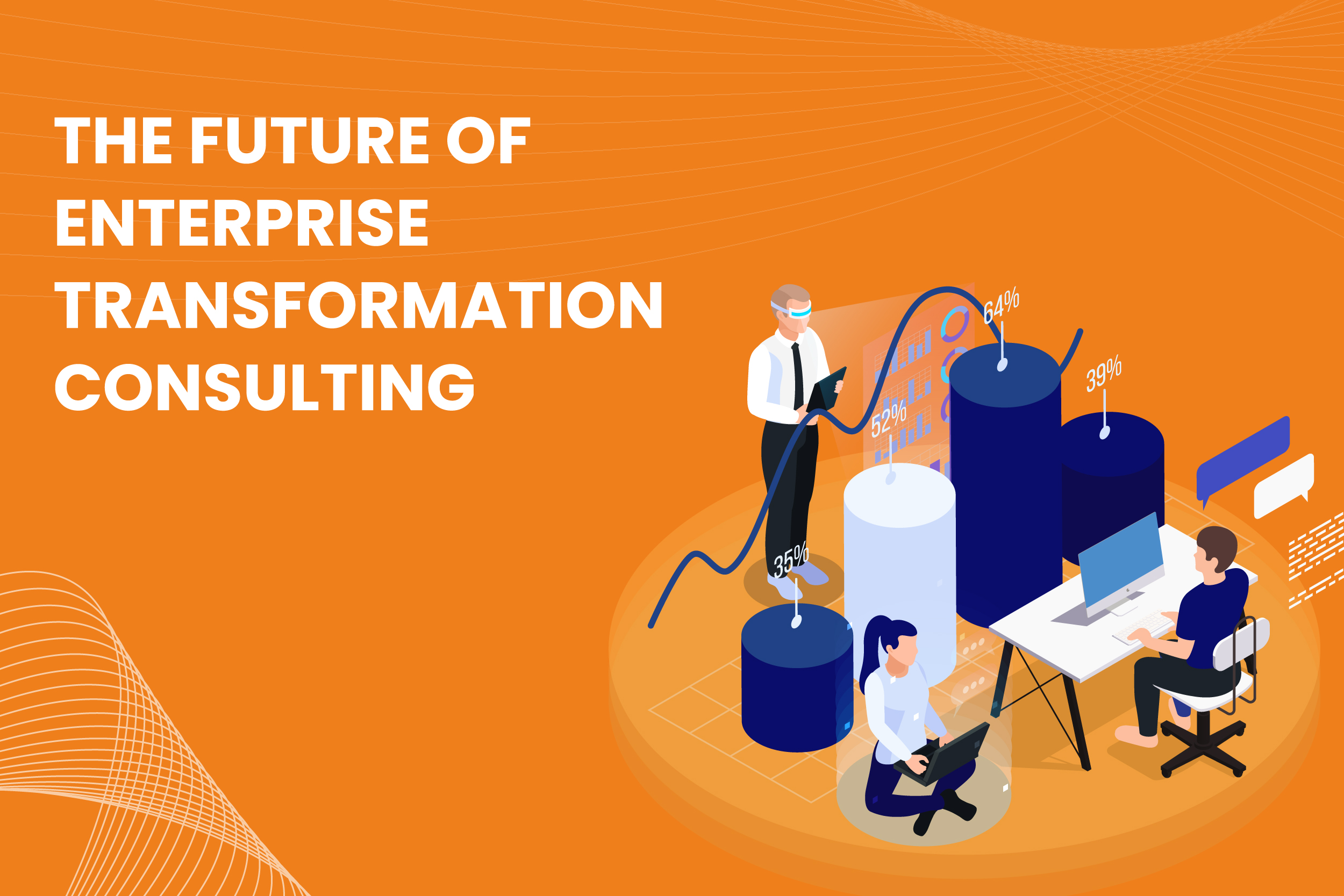
Enterprise transformation is no longer a niche service—it has become a critical driver for organizations seeking growth, agility, and resilience. Businesses today face unprecedented challenges: rapidly evolving technologies, shifting customer expectations, and complex global markets. In response, transformation consulting has evolved from offering generic recommendations to delivering highly specialized, strategic guidance that helps enterprises navigate this dynamic landscape.
Understanding how consulting is changing provides insights into what the future of enterprise transformation consulting looks like, and why companies are increasingly relying on experts to guide their transformational journeys.
Read More
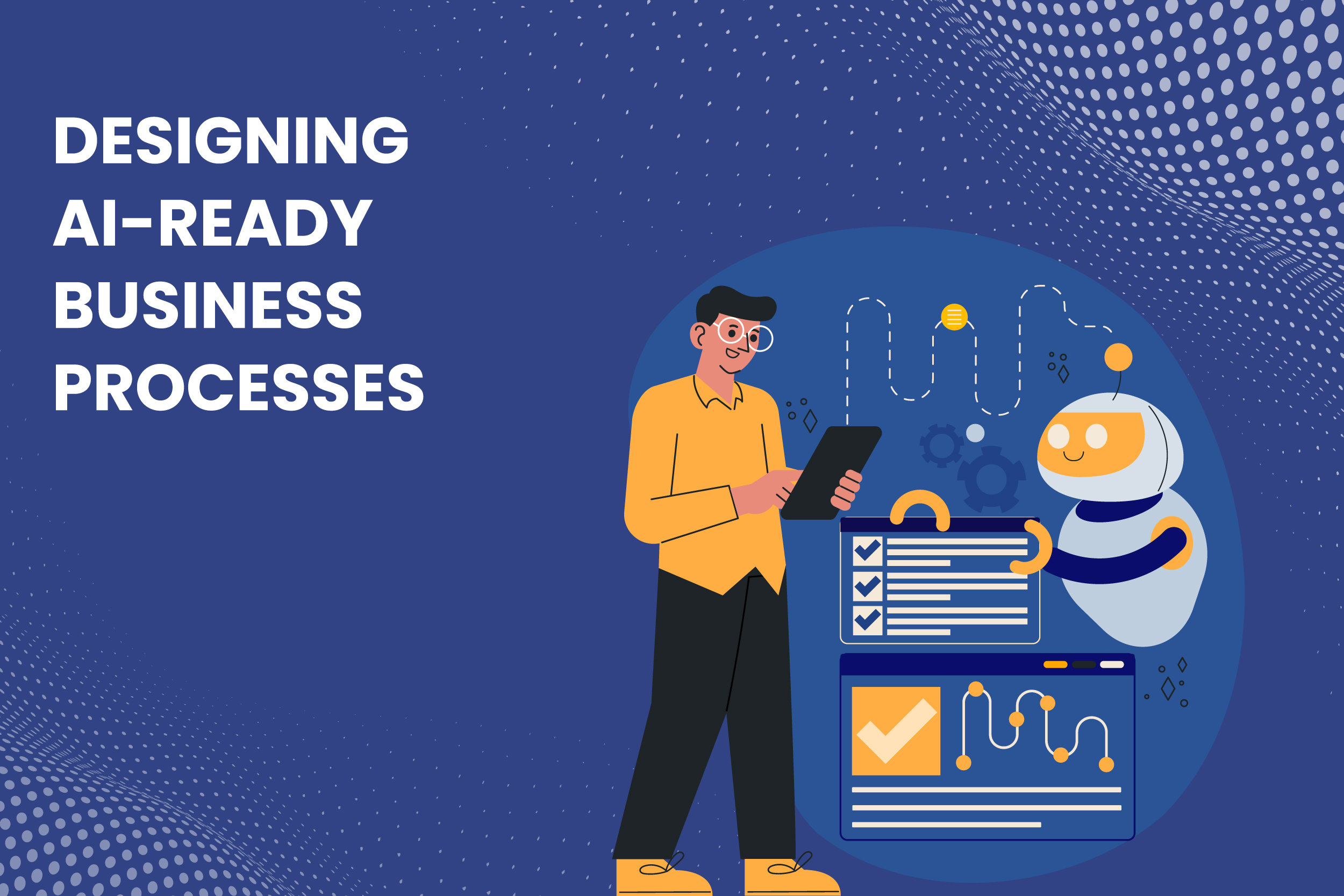
Artificial intelligence is quickly moving from experimentation to real business impact. Organizations are using AI to automate decisions, improve customer experiences, and extract insights from massive volumes of data. However, simply adopting AI tools does not guarantee success. Many companies discover that their existing workflows were never designed to support intelligent automation.
To unlock the full potential of AI, businesses must rethink how their processes are structured. This is where business process transformation becomes essential. Organizations need AI-ready processes that are structured, data-driven, and adaptable. Without these foundations, even the most advanced AI systems struggle to deliver value.
Understanding how to prepare processes for AI helps businesses build systems that are not only efficient today but also capable of evolving with future technologies.
Read More
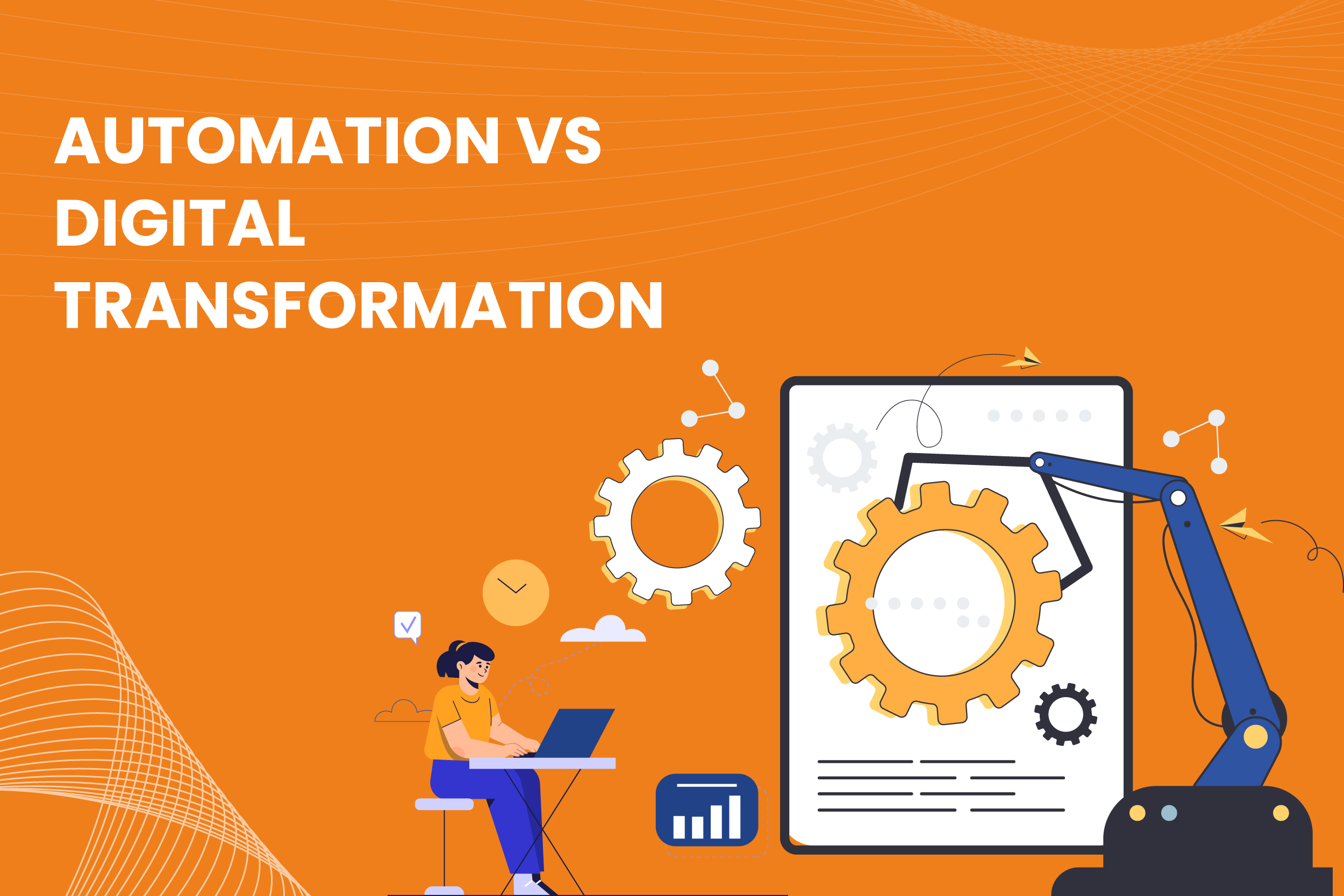
Businesses today are under constant pressure to move faster, operate efficiently, and deliver better customer experiences. In response, many organizations invest in automation tools and digital technologies. However, a common misunderstanding arises when companies assume automation alone equals transformation.
In reality, automation vs transformation is not a comparison of competing strategies. Instead, automation is a component of digital transformation, not the transformation itself. Understanding this distinction is essential for organizations that want to achieve meaningful and lasting change.
When leaders realize that automation is not digital transformation, they can approach technology adoption more strategically and avoid investing in tools that produce only limited impact.
Read More
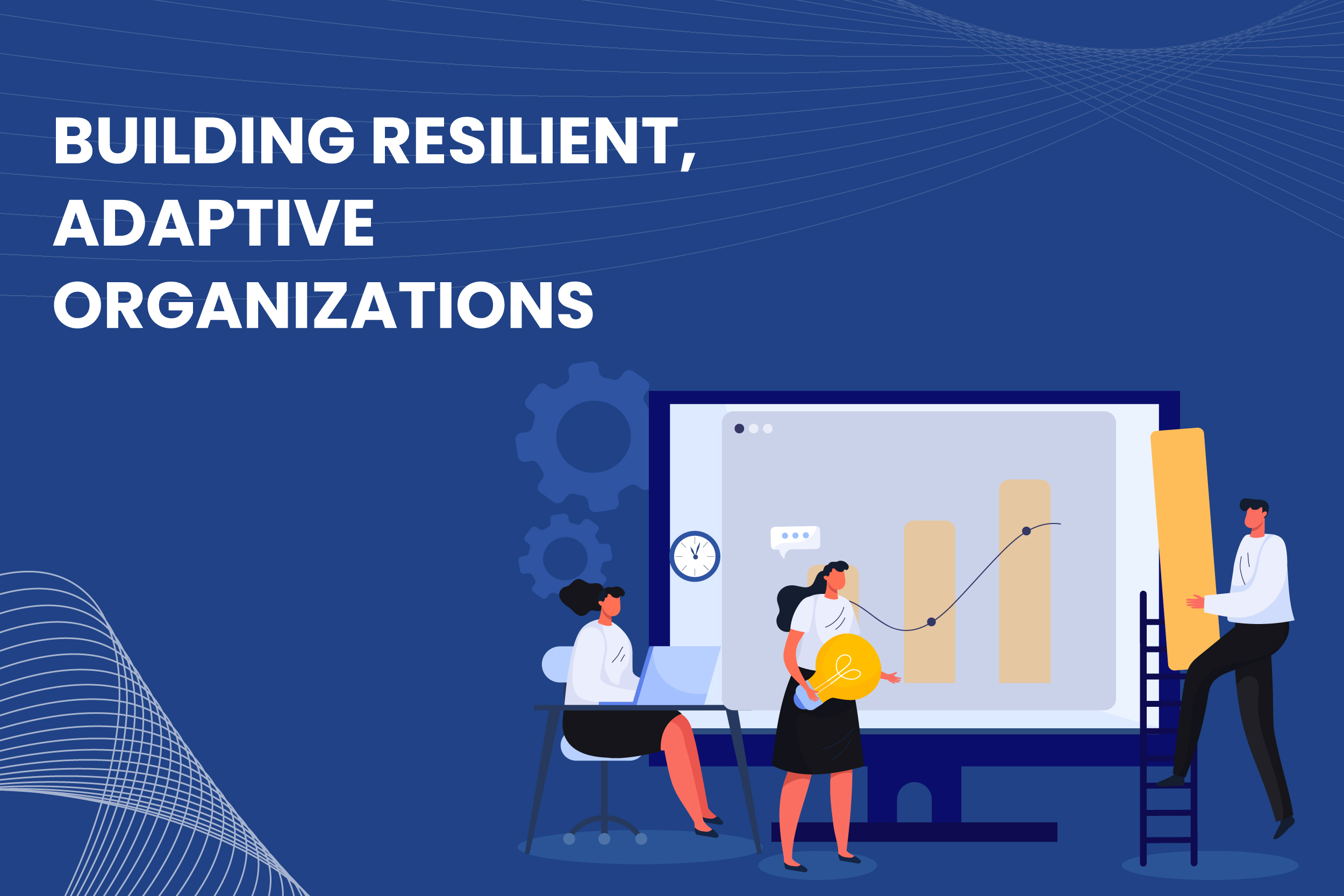
In today’s fast-paced business landscape, uncertainty is the only constant. From global economic shifts to rapid technological change, organizations face pressures that can disrupt operations, challenge growth, and threaten survival. In this environment, organizational resilience is no longer optional—it is essential. Companies that cultivate adaptability, foresight, and responsiveness are better equipped to thrive, even under the most challenging circumstances.
How companies stay resilient begins with a mindset that sees disruption not as a threat, but as an opportunity to learn, evolve, and innovate. Resilient organizations do more than recover from setbacks—they anticipate challenges, respond effectively, and emerge stronger.
Read More
In today’s fast-paced digital landscape, businesses must adapt to changing technologies and customer expectations to remain competitive. One of the most effective ways to achieve this adaptability is through digital transformation, which involves integrating digital technologies into all areas of a business. A critical component of this transformation is Enterprise Resource Planning (ERP) systems.
Read More
Implementing an SAP system can be a transformative step for organizations aiming to enhance their operational efficiency, streamline processes, and improve data visibility. However, success in an SAP implementation goes beyond simply completing the project on time and within budget. It involves measuring and analyzing key performance metrics that provide insight into how effectively the system is being utilized and whether it meets the organization’s objectives.
Read More
In today’s fast-paced business environment, efficient systems and processes are vital for success. Enterprise Resource Planning (ERP) systems like SAP are central to this, helping organizations streamline their operations, manage resources more effectively, and drive productivity.
However, ERP implementation is a complex and often challenging process that requires a skilled IT consulting partner to ensure success. Selecting the right IT consulting services for your ERP implementation, especially for SAP, can make the difference between seamless integration and costly disruptions.
Read More
ERP systems have become indispensable tools for businesses looking to streamline operations, improve efficiency, and maintain a competitive edge. However, implementing ERP solutions can be daunting, especially for small and medium-sized businesses (SMBs) with limited resources.
The complexity of the process, cost concerns, and the need for seamless integration across departments pose significant challenges. To overcome these, SMBs must adopt tailored ERP implementation strategies that align with their unique requirements.
Read More
In today’s fast-paced business environment, Enterprise Resource Planning (ERP) systems like SAP (Systems, Applications, and Products) are crucial to streamlining operations, improving efficiency, and supporting growth. However, the process of SAP implementation can be complex and time-consuming, often putting a strain on internal resources.
This is where IT consulting services come into play, providing the necessary expertise and support to accelerate your SAP implementation timeline. By leveraging specialized knowledge and proven strategies, IT consulting services can significantly shorten the time required for successful SAP deployment, helping organizations stay competitive and responsive to market demands.
Read More
As enterprises scale, managing resources, streamlining operations, and maintaining flexibility become crucial challenges. To address these challenges, businesses increasingly turn to cloud-based Enterprise Resource Planning (ERP) systems.
ERP solutions have long been vital in centralizing various business functions like finance, human resources, supply chain management, and customer relations into a unified system. In recent years, the shift to cloud-based ERP systems has offered even greater benefits, particularly for growing enterprises.
Read More
Leave a Reply