

SAP Business One stands out as a robust solution for organizations aiming to excel in Sales and Opportunity Management. SAP consulting services can significantly enhance the implementation process.
Sales and Opportunity Management within SAP Business One is a comprehensive approach that integrates seamlessly into the broader ERP implementation. The software serves as a stalwart companion for businesses navigating the dynamic landscape of modern commerce. It focuses on mastering the intricacies of sales. SAP Business One ensures that organizations can seize growth opportunities streamlined and efficiently.
One of the key strengths of SAP Business One lies in its ability to centralize document management. This feature ensures that relevant documents, such as proposals and contracts, are readily accessible and integrated into the ERP implementation. The centralized approach enhances efficiency and contributes to a more organized and structured sales process.
However, successfully implementing SAP Business One for Sales and Opportunity Management often requires expert guidance. This is where SAP consulting services become invaluable. However, these services provide organizations with the necessary expertise to navigate the complexities of SAP Business One. It ensures a smooth and effective integration into existing business processes.
So, SAP consulting services are crucial in training and upskilling employees. A successful ERP implementation is about more than just technology. It also involves empowering the workforce to leverage the system’s full potential. Consultants provide training programs that ensure employees are well-versed in using SAP Business One. For Sales and Opportunity Management, promoting proficiency and confidence in utilizing the system.
So, Sales and Opportunity Management in SAP Business One is a strategic initiative for businesses seeking to thrive in today’s environment. So, leveraging the capabilities of SAP Business One and the expertise offered by SAP consulting services. Organizations can master the art of sales, streamline operations, and position themselves for sustained growth.
In today’s dynamic business landscape, mastering sales intricacies and seizing growth opportunities, including SAP consulting services, is crucial. Small and midsize enterprises (SMEs) need agile and comprehensive solutions to navigate this challenging terrain effectively. Therefore, this is where SAP Business One steps onto the stage as a transformative force.
SAP Business One is not just an enterprise resource planning (ERP) solution. It’s a strategic ally that empowers SMEs to streamline sales processes, enhance customer relationships. It proactively identifies and capitalize on promising opportunities. In this introduction, we’ll discuss on a journey to explore how SAP Business One reshapes the landscape of Sales. In Opportunity Management, ushering in a new era of growth and efficiency for SMEs.
Before diving into Sales and Opportunity Management specifics, let’s establish a solid foundation by comprehending SAP Business One’s core functionalities. But This ERP solution is meticulously designed to cater to SMEs’ unique needs, like providing a unified platform. That integrates various facets of business operations, such as financial management, inventory control, sales, and customer management.
So, The Sales Module within SAP Business One is the epicenter of sales operations. It offers many tools and features that empower businesses to efficiently manage the entire sales cycle. Here are some key elements of navigating sales modules which are discussed below.
SAP Business One prioritizes building and nurturing customer relationships. Its CRM functionalities enable organizations to track and manage customer interactions effectively, leading to stronger connections and data-driven decision-making.
So, the Efficient handling of quotations and orders is streamlined within SAP implementation Business One. However, users can create and manage quotes, seamlessly convert them into orders, and monitor fulfillment processes.
Tailoring pricing strategies and offering discounts is made flexible through SAP Business One. So, the system empowers businesses to implement dynamic pricing structures and manage deals to enhance competitiveness.
Ensuring product availability is pivotal in the sales process. SAP Business One integrates sales with inventory management, providing real-time insights into stock levels, preventing over-selling, and optimizing order fulfillment.
So, the sales analytics feature of SAP Business One offers comprehensive insights into sales performance, customer behaviors, and market trends. Additionally, it aids businesses in refining their strategies for their growth.
Opportunity Management is a strategic component within SAP Business One. It empowers organizations to identify, track, and capitalize on potential business opportunities. Here’s how it works:
The journey often begins with leads. SAP Business One enables businesses to manage and convert leads into opportunities seamlessly. But this can ensure that potential avenues for business growth are noticed.
SAP Business One systematically tracks opportunities at various stages, allowing teams to stay proactive and engaged throughout the sales process.
SAP Business One facilitates precise forecasting by offering tools for pipeline management. So, businesses can visualize and assess the sales pipeline, making informed decisions about resource allocation and strategy adjustments.
So, SAP Business One centralizes document management, ensuring that relevant documents, such as proposals, are integral to ERP implementation. These are easily accessible and linked to specific opportunities.
The synergy between Opportunity Management and the Sales Module is a key strength of SAP Business One. However, seamless integration allows for a holistic view of the entire sales cycle, from opportunity identification to order fulfillment.
Efficiency lies at the core of SAP Business One’s Sales and Opportunity Management approach. Here’s how the system optimizes workflow:
SAP Business One automates routine tasks, reducing manual workload and minimizing the risk of errors. This includes automating order processing, invoicing, and other repetitive tasks, allowing sales teams to focus on strategic initiatives.
In an era where business is conducted on the go, SAP Business One offers mobile accessibility. So, sales teams can access critical information, update records, and collaborate seamlessly, enhancing productivity and responsiveness.
The real-time nature of SAP Business One ensures that all stakeholders have access to the latest data. This real-time visibility is crucial for making informed decisions and adapting strategies based on current market dynamics.
However, Collaboration is key to successful sales operations, so it can help enhance the organization’s growth. So, this provides collaboration tools to enable us to communicate effectively, share insights, and work cohesively towards common goals.
In the realm of sales, where sensitive customer information is involved, SAP Business One prioritizes data security and compliance:
SAP Business One allows businesses to define user roles and access controls. Moreover, This ensures that sensitive sales and customer data is only accessible to authorized personnel, safeguarding against unauthorized access.
So, SAP Business One employs encryption protocols to secure data during transmission, mitigating the risk of data interception.
Adhering to industry regulations and compliance standards is integral. At the same time, SAP Business One assists businesses in managing compliance. They provide tools to track and adhere to regulatory requirements.
Adopting a robust ERP system like SAP Business One requires effective training and ongoing support to maximize its potential:
SAP implementation business One offers comprehensive training programs to familiarize users with the system’s features and functionalities. So that it ensures that users are equipped to leverage the platform’s full capabilities.
So, Accessible user guides and documentation further enhance the learning experience. Additionally, SAP Business One provides detailed resources to assist users in navigating the system independently.
Beyond initial training, SAP Business One offers ongoing support services. However, this includes assistance with troubleshooting, addressing user queries, and ensuring that system continues to align with evolving business needs.
However, In the ever-evolving landscape of business, where opportunities abound, and sales dynamics are constantly shifting. So, SAP Business One emerges as a stalwart for organizations aiming to master Sales and Opportunity Management in ERP implementation. Additionally, SAP Business One encapsulates a holistic approach to business growth by streamlining the sales cycle to empower proactive opportunity identification. As organizations navigate the intricacies of modern commerce, the ability to seize opportunities swiftly. Managing sales effectively becomes a strategic advantage. So, SAP Business One meets and exceeds these expectations by providing a unified, intuitive platform that aligns sales and opportunity management. For more information, visit our website.
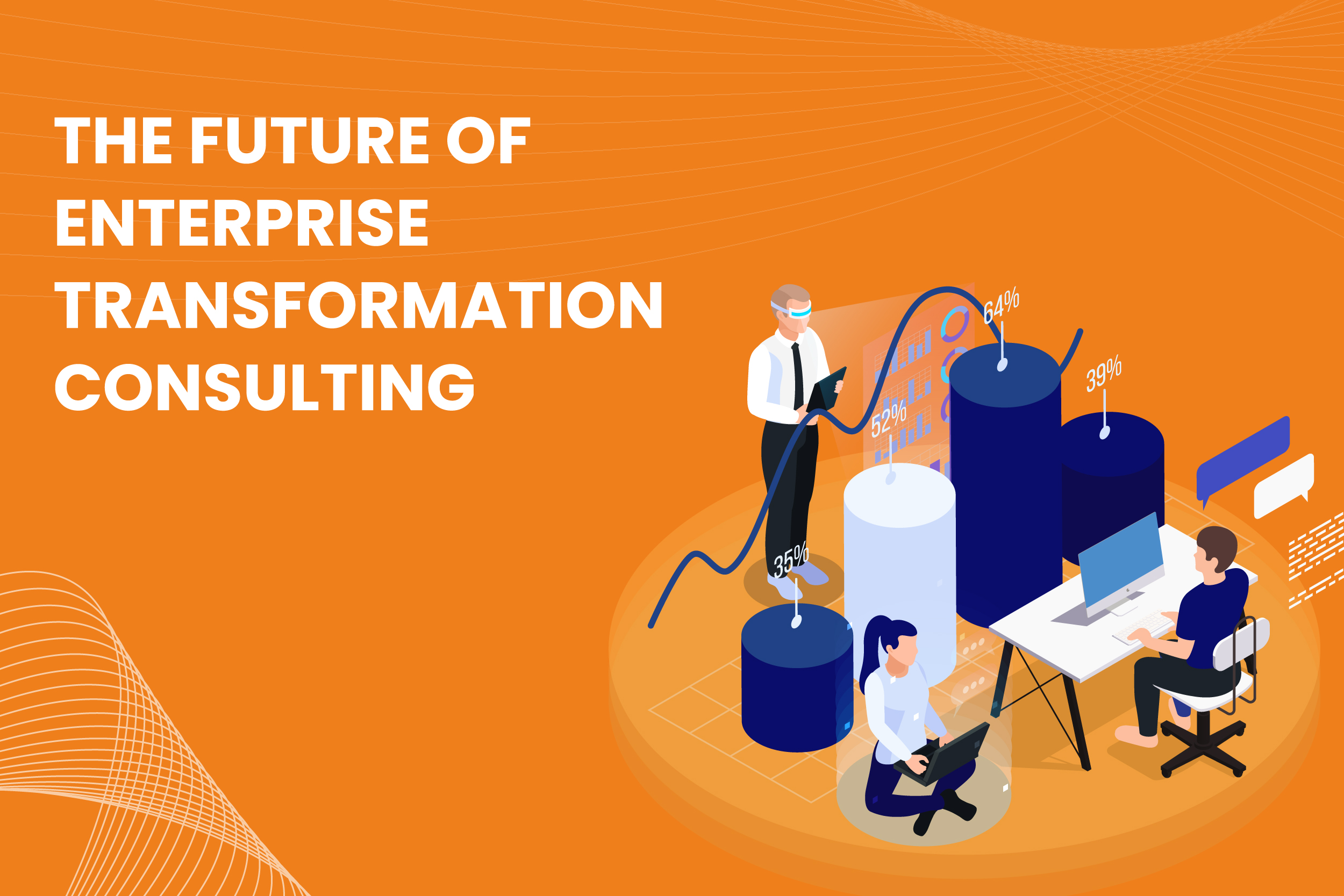
Enterprise transformation is no longer a niche service—it has become a critical driver for organizations seeking growth, agility, and resilience. Businesses today face unprecedented challenges: rapidly evolving technologies, shifting customer expectations, and complex global markets. In response, transformation consulting has evolved from offering generic recommendations to delivering highly specialized, strategic guidance that helps enterprises navigate this dynamic landscape.
Understanding how consulting is changing provides insights into what the future of enterprise transformation consulting looks like, and why companies are increasingly relying on experts to guide their transformational journeys.
Read More
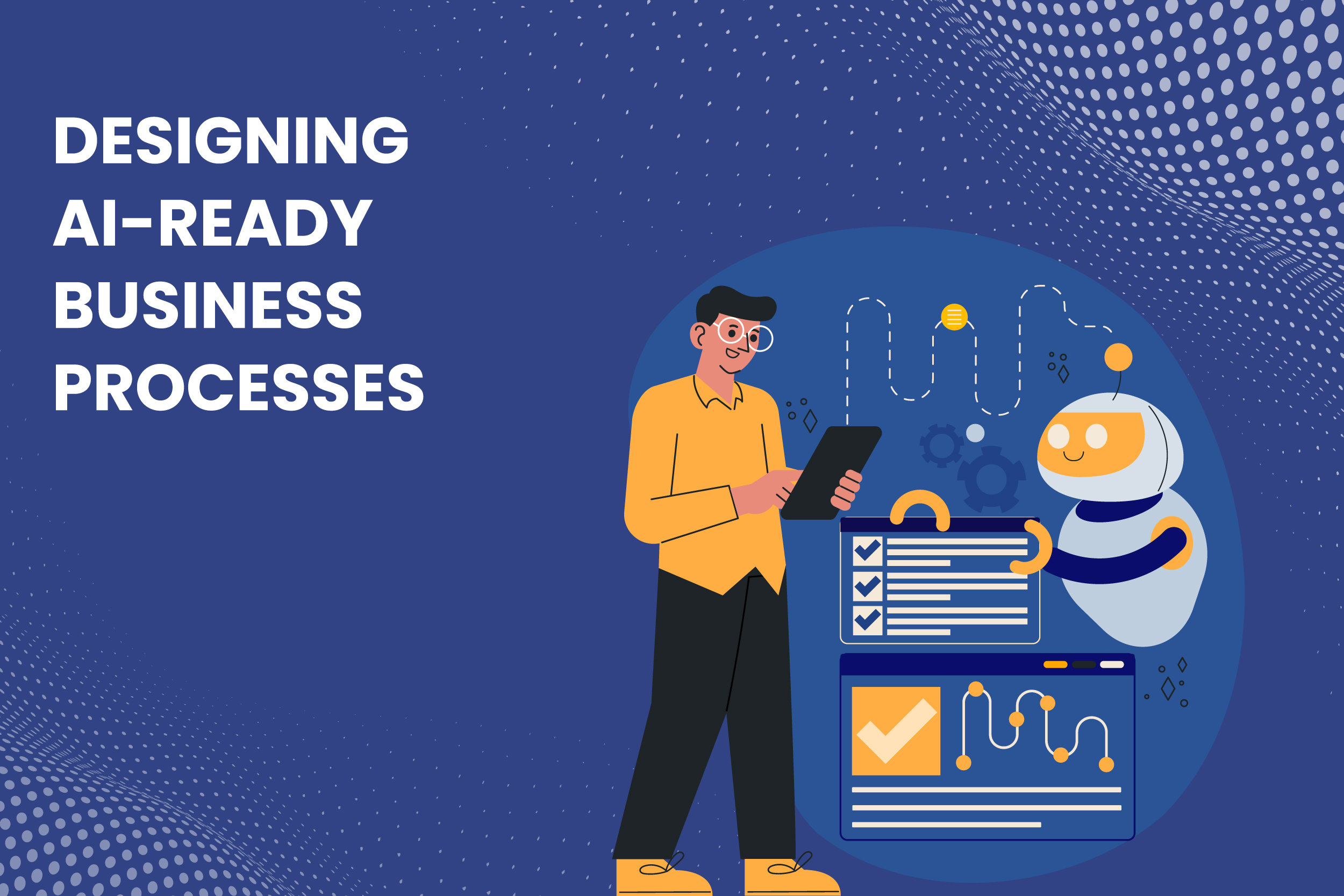
Artificial intelligence is quickly moving from experimentation to real business impact. Organizations are using AI to automate decisions, improve customer experiences, and extract insights from massive volumes of data. However, simply adopting AI tools does not guarantee success. Many companies discover that their existing workflows were never designed to support intelligent automation.
To unlock the full potential of AI, businesses must rethink how their processes are structured. This is where business process transformation becomes essential. Organizations need AI-ready processes that are structured, data-driven, and adaptable. Without these foundations, even the most advanced AI systems struggle to deliver value.
Understanding how to prepare processes for AI helps businesses build systems that are not only efficient today but also capable of evolving with future technologies.
Read More
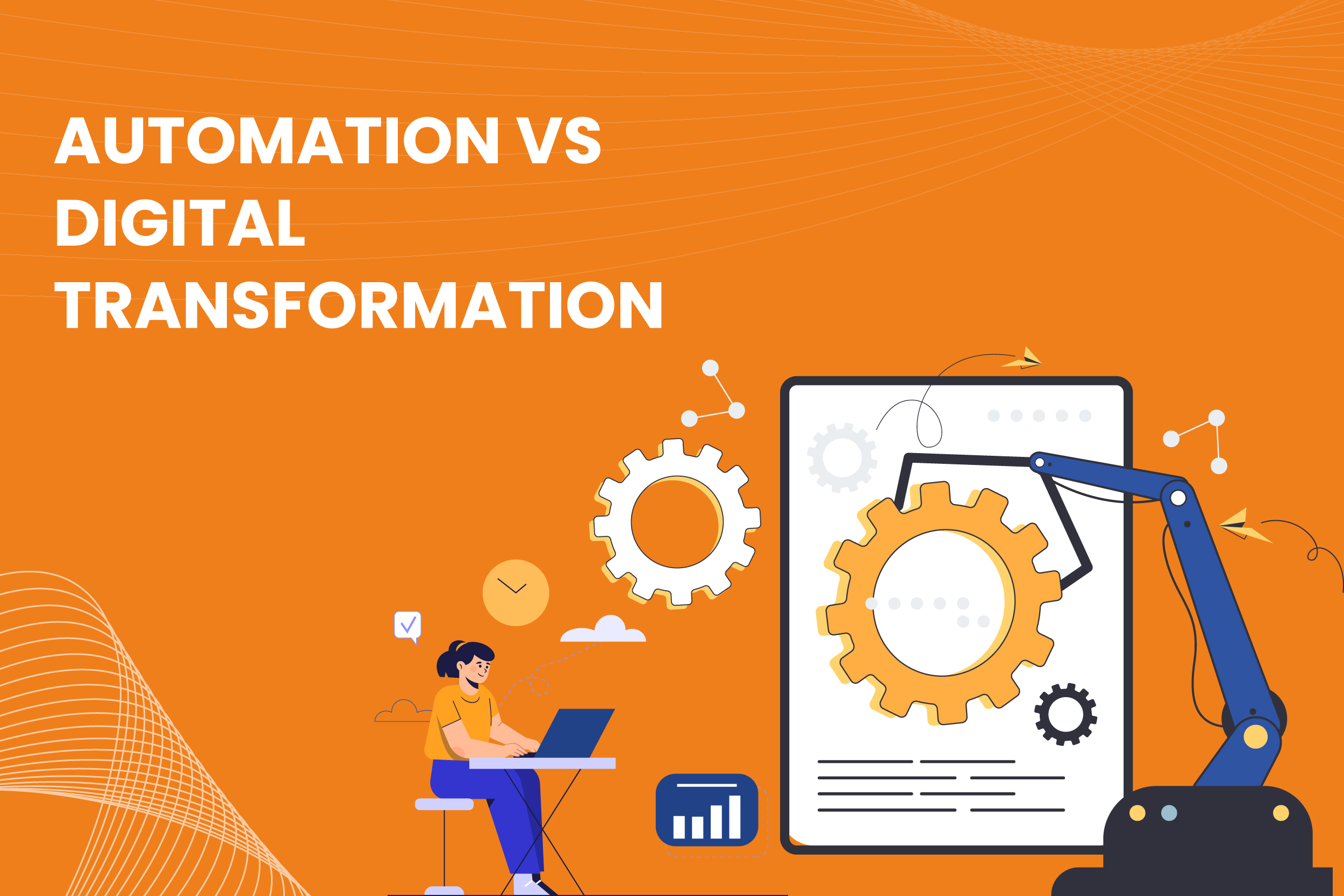
Businesses today are under constant pressure to move faster, operate efficiently, and deliver better customer experiences. In response, many organizations invest in automation tools and digital technologies. However, a common misunderstanding arises when companies assume automation alone equals transformation.
In reality, automation vs transformation is not a comparison of competing strategies. Instead, automation is a component of digital transformation, not the transformation itself. Understanding this distinction is essential for organizations that want to achieve meaningful and lasting change.
When leaders realize that automation is not digital transformation, they can approach technology adoption more strategically and avoid investing in tools that produce only limited impact.
Read More
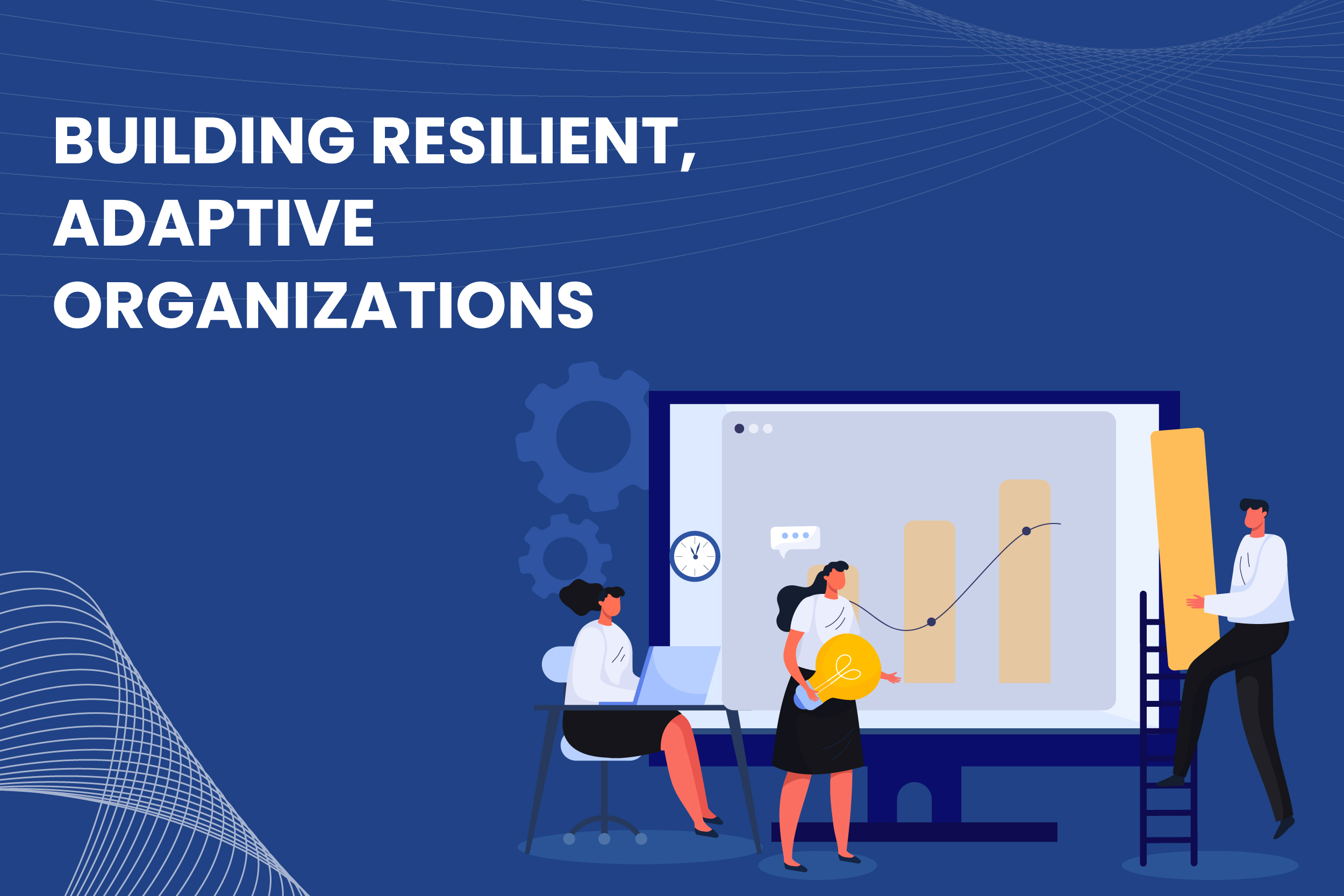
In today’s fast-paced business landscape, uncertainty is the only constant. From global economic shifts to rapid technological change, organizations face pressures that can disrupt operations, challenge growth, and threaten survival. In this environment, organizational resilience is no longer optional—it is essential. Companies that cultivate adaptability, foresight, and responsiveness are better equipped to thrive, even under the most challenging circumstances.
How companies stay resilient begins with a mindset that sees disruption not as a threat, but as an opportunity to learn, evolve, and innovate. Resilient organizations do more than recover from setbacks—they anticipate challenges, respond effectively, and emerge stronger.
Read More
In today’s fast-paced digital landscape, businesses must adapt to changing technologies and customer expectations to remain competitive. One of the most effective ways to achieve this adaptability is through digital transformation, which involves integrating digital technologies into all areas of a business. A critical component of this transformation is Enterprise Resource Planning (ERP) systems.
Read More
Implementing an SAP system can be a transformative step for organizations aiming to enhance their operational efficiency, streamline processes, and improve data visibility. However, success in an SAP implementation goes beyond simply completing the project on time and within budget. It involves measuring and analyzing key performance metrics that provide insight into how effectively the system is being utilized and whether it meets the organization’s objectives.
Read More
In today’s fast-paced business environment, efficient systems and processes are vital for success. Enterprise Resource Planning (ERP) systems like SAP are central to this, helping organizations streamline their operations, manage resources more effectively, and drive productivity.
However, ERP implementation is a complex and often challenging process that requires a skilled IT consulting partner to ensure success. Selecting the right IT consulting services for your ERP implementation, especially for SAP, can make the difference between seamless integration and costly disruptions.
Read More
ERP systems have become indispensable tools for businesses looking to streamline operations, improve efficiency, and maintain a competitive edge. However, implementing ERP solutions can be daunting, especially for small and medium-sized businesses (SMBs) with limited resources.
The complexity of the process, cost concerns, and the need for seamless integration across departments pose significant challenges. To overcome these, SMBs must adopt tailored ERP implementation strategies that align with their unique requirements.
Read More
In today’s fast-paced business environment, Enterprise Resource Planning (ERP) systems like SAP (Systems, Applications, and Products) are crucial to streamlining operations, improving efficiency, and supporting growth. However, the process of SAP implementation can be complex and time-consuming, often putting a strain on internal resources.
This is where IT consulting services come into play, providing the necessary expertise and support to accelerate your SAP implementation timeline. By leveraging specialized knowledge and proven strategies, IT consulting services can significantly shorten the time required for successful SAP deployment, helping organizations stay competitive and responsive to market demands.
Read More
As enterprises scale, managing resources, streamlining operations, and maintaining flexibility become crucial challenges. To address these challenges, businesses increasingly turn to cloud-based Enterprise Resource Planning (ERP) systems.
ERP solutions have long been vital in centralizing various business functions like finance, human resources, supply chain management, and customer relations into a unified system. In recent years, the shift to cloud-based ERP systems has offered even greater benefits, particularly for growing enterprises.
Read More
Leave a Reply