
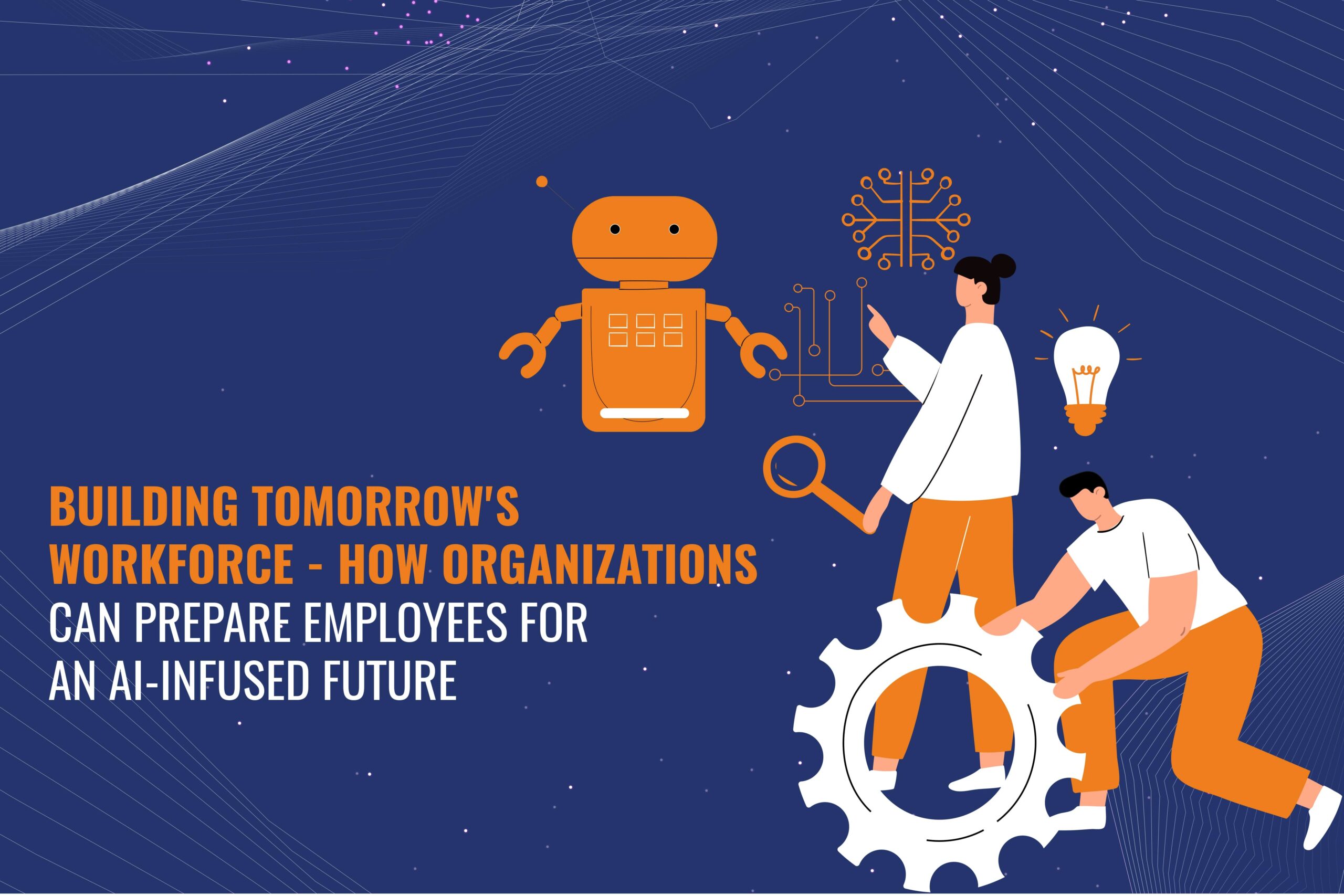
In an AI-dominated era, organizations must pivot their strategies to prepare their workforce for an AI-infused future. This seismic shift in the employment landscape necessitates a proactive approach that marries technological advancements with a focus on developing and enhancing human skills and adaptability.
Artificial intelligence, powered by machine learning algorithms and automation, is reshaping industries comprehensively. As organizations harness AI’s potential to streamline operations and enhance efficiency, the workforce must undergo a concurrent transformation to maintain relevance and thrive. This transformation is not a one-time event but an ongoing process requiring continuous investment in employee development.
To future-proof their workforce, organizations must prioritize initiatives for reskilling and upskilling. Key AI-related terms such as “machine learning,” “data analytics,” and “automation” should guide these efforts. Employees should have opportunities to acquire these skills through training programs and courses. Moreover, it is imperative to foster a culture of continuous learning, encouraging employees to embrace new technologies and adapt to evolving work dynamics actively. AI-driven data analytics can play a pivotal role in talent management. Keywords such as “talent analytics” and “predictive hiring” highlight the potential of AI to identify and cultivate the skills needed for the future. By analyzing workforce data, organizations can make informed decisions about hiring, reskilling, and restructuring their teams.
Collaboration between humans and AI stands as a central facet of this paradigm shift. Terms like “human-AI collaboration” and “augmented intelligence” underscore the importance of integrating AI as a complementary tool rather than replacing human workers. Organizations should design workflows that capitalize on the strengths of both AI and human employees, enabling them to work together synergistically. This encompasses reskilling and upskilling employees, promoting collaboration between humans and AI, leveraging AI for talent management, ensuring ethical AI practices, nurturing soft skills, and fostering inclusivity. By actively embracing these AI-driven strategies, organizations can build a dynamic workforce poised to thrive in a continually evolving technological landscape.
The ever-improving march of technology has ushered in a new age in the history of labor. Organizations worldwide, with the guidance of an IT solution consultant, are actively integrating AI into their operations and creativity enhancement. Organizations must now actively prepare their staff for a future with AI in order to manage this transformational wave.
In this blog post, we will discuss how Organizations Can Prepare Employees for an AI-Infused Future. One of the critical elements of this shift. We will go over the value of comprehending how AI affects various industries. The necessity of skill development, the promotion of a growth mindset, reskilling, and upskilling initiatives. It fosters human-AI collaboration, supplying psychological and emotional support, and the significance of monitoring and feedback mechanisms.
The phrase “building tomorrow’s workforce” refers to proactive measures and approaches. These businesses need to get their staff ready for the changing needs of the labor market in the future. It will characterize technological breakthroughs, altering industry trends, and growing skill requirements. This idea acknowledges the knowledge and abilities needed for the workforce of the future.
There are various types of components of tomorrow’s building workforce, which are discussed below.
Organizations engage in training and development programs to provide employees with the skills they need to succeed in a changing labor market. This involves computer literacy, flexibility, and other soft skills like creativity.
Organizations support reskilling and upskilling opportunities for their employees in recognition. Some job roles may become obsolete or undergo significant changes as a result of technological advancements.
Adopting digital tools and technology is crucial for putting together a workforce that is ready for the future. This might entail implementing new software, automating processes, and using data analytics.
It’s essential to promote a culture of ongoing learning and flexibility. Employees are urged to accept change, grow from mistakes, and experiment with cutting-edge concepts and technology.
Collaboration between humans and artificial intelligence (AI) systems is something that organizations are working to promote as AI is integrated more and more into professional environments. To achieve this, roles and workflows must be redesigned best to utilize the capabilities of both people and robots.
In an environment, it marks fast technological development and shifting workplace dynamics. Developing tomorrow’s workforce is not just a strategic decision; it is a requirement. Building the workforce of the future is crucial for a number of compelling reasons, including:
IT consulting services are actively shaping industries and work responsibilities. The reason for its rapid technology advancements, especially in AI, automation, and data analytics. The workforce will be better able to adopt emerging technology. It interacts with one another and adjusts if it has been well prepared for these developments.
Companies that have workers with modern skills and talents are more competitive on the international stage. An educated workforce can spur innovation, boost production, and better meet consumer needs.
Employees’ job security improves, providing them with the skills required for the job market of the future. Workers who are adaptive and have the necessary abilities are less likely to lose their jobs as a result of automation.
It refers to an organization’s ability to withstand unanticipated difficulties like economic downturns. A staff that can change course and adjust to changing situations is a priceless asset.
Providing chances for growth and investing in staff development boosts work happiness and loyalty. Employees are more inclined to stick around and put forth their best work because the company cares about their future.
A staff that has received enough training is more likely to innovate and provide original solutions to challenging issues. An organizational culture of innovation fosters ongoing learning and adaptation.
Consumer expectations change as a result of technology development. A staff that is knowledgeable about the newest techniques and technologies. It will be better able to satisfy and even surpass customer expectations.
AI will have a significant and far-reaching influence on how the workforce of the future is created. Organizations need to take proactive actions to get their staff ready for future uses of AI. This is prevalent in many different industries and job types. AI has an impact on the specific workforce, which is listed below.
Routine Task Automation
Techniques for Getting Workers Ready for an AI-Infused Future:
With the guidance of an IT solution consultant, businesses should actively finance training initiatives to equip staff with AI knowledge. This involves digital literacy as well as technical abilities like programming and data analysis.
Organizations should support reskilling and upskilling programs to assist people in transitioning to new positions or enhancing existing ones. This is because specific jobs may change considerably or become outdated.
It’s essential to promote a culture of flexibility, curiosity, and ongoing learning. AI should be viewed as a tool for progress, and employees should be pushed to accept change.
Collaboration between humans and AI systems encourages employees in the organization. Workflows should be redesigned to utilize both human and machine strengths best. Training on how to use AI.
Therefore, IT consulting services affirm that AI will undeniably play a pivotal role in shaping the future of employment. Organizations must invest in their staff by supplying essential skills, encouraging a growth attitude, and giving chances for continual learning. The secret to realizing the full potential of this technological transformation is human-AI collaboration. Visit our website to learn more about the effects of AI on workforce development.
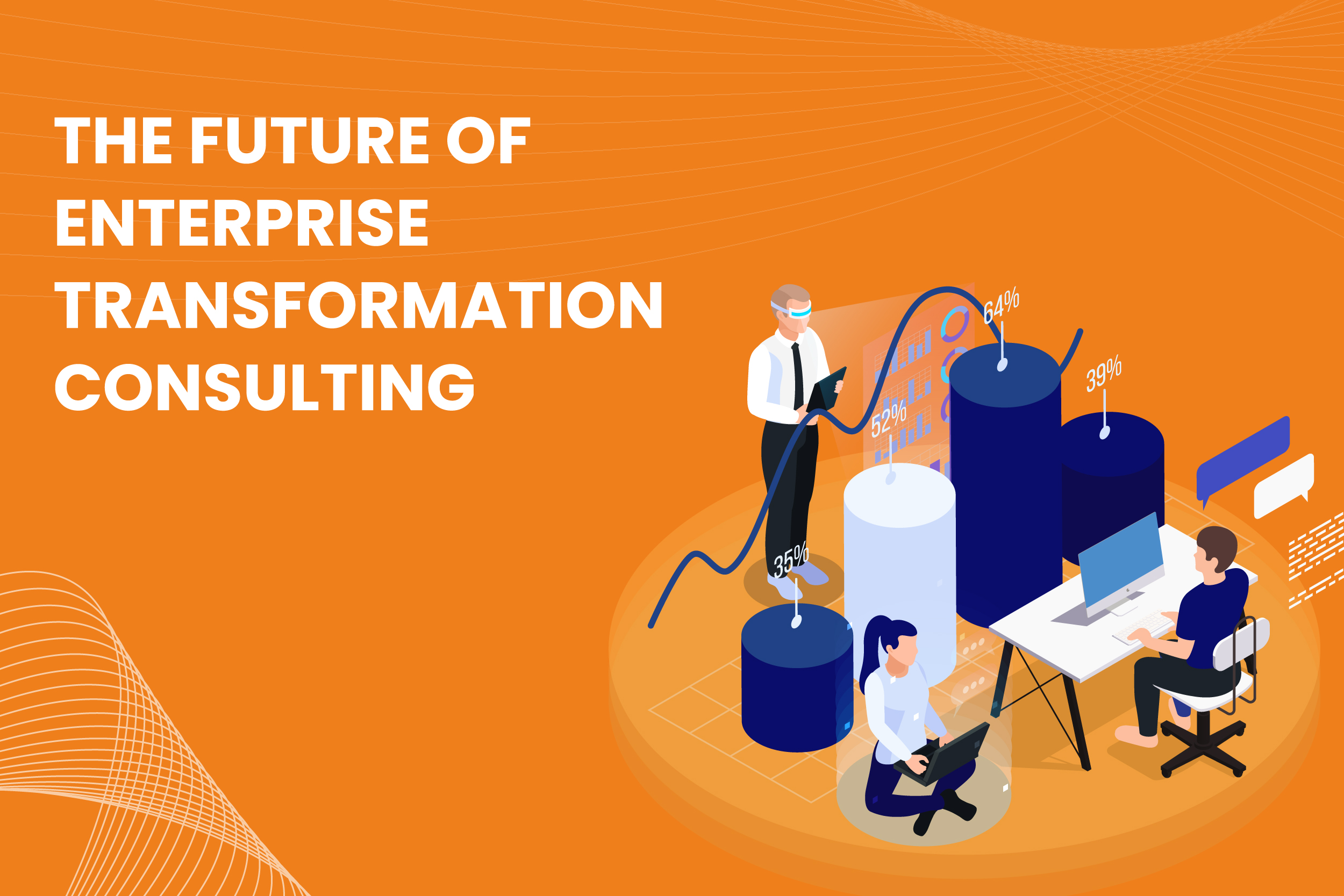
Enterprise transformation is no longer a niche service—it has become a critical driver for organizations seeking growth, agility, and resilience. Businesses today face unprecedented challenges: rapidly evolving technologies, shifting customer expectations, and complex global markets. In response, transformation consulting has evolved from offering generic recommendations to delivering highly specialized, strategic guidance that helps enterprises navigate this dynamic landscape.
Understanding how consulting is changing provides insights into what the future of enterprise transformation consulting looks like, and why companies are increasingly relying on experts to guide their transformational journeys.
Read More
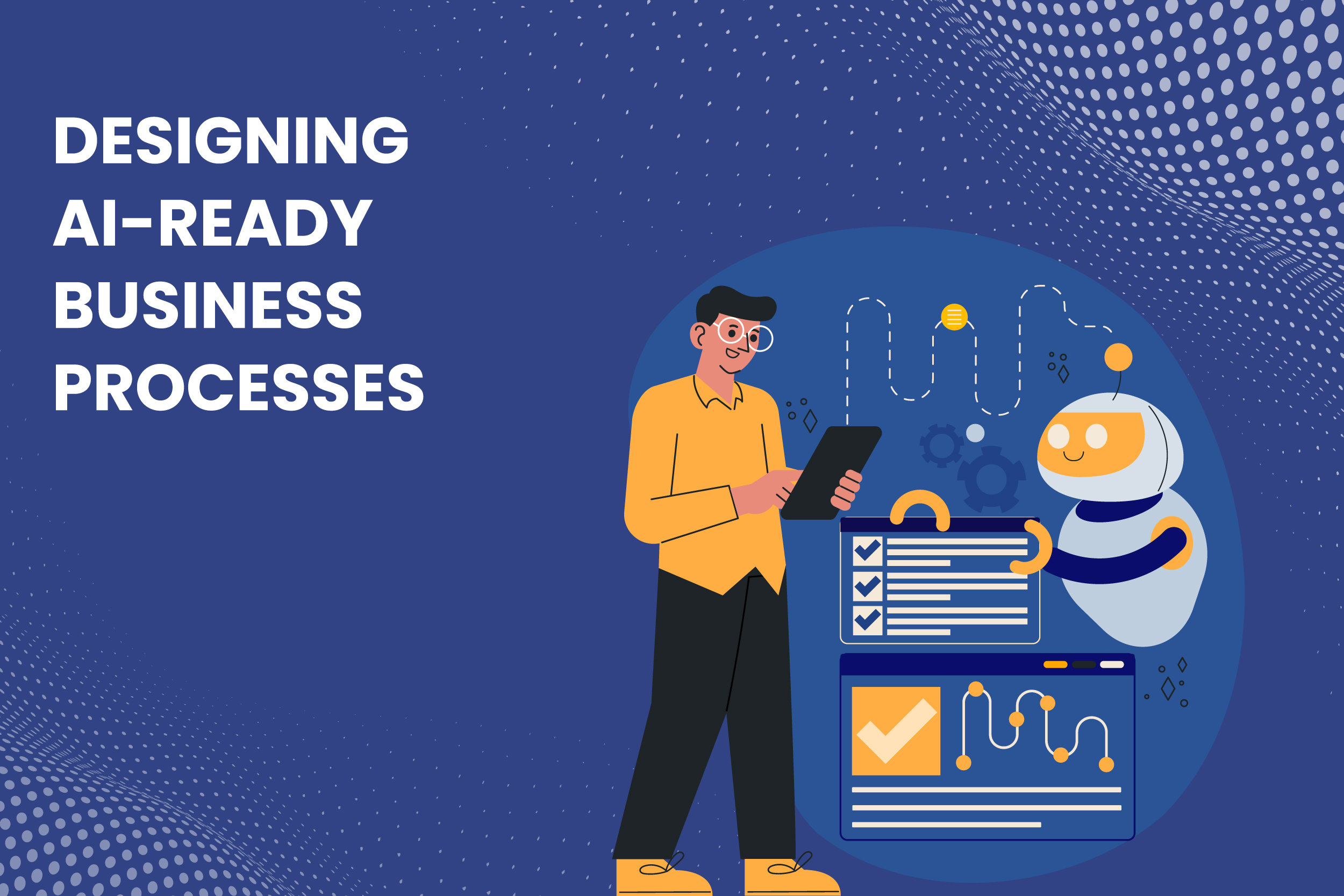
Artificial intelligence is quickly moving from experimentation to real business impact. Organizations are using AI to automate decisions, improve customer experiences, and extract insights from massive volumes of data. However, simply adopting AI tools does not guarantee success. Many companies discover that their existing workflows were never designed to support intelligent automation.
To unlock the full potential of AI, businesses must rethink how their processes are structured. This is where business process transformation becomes essential. Organizations need AI-ready processes that are structured, data-driven, and adaptable. Without these foundations, even the most advanced AI systems struggle to deliver value.
Understanding how to prepare processes for AI helps businesses build systems that are not only efficient today but also capable of evolving with future technologies.
Read More
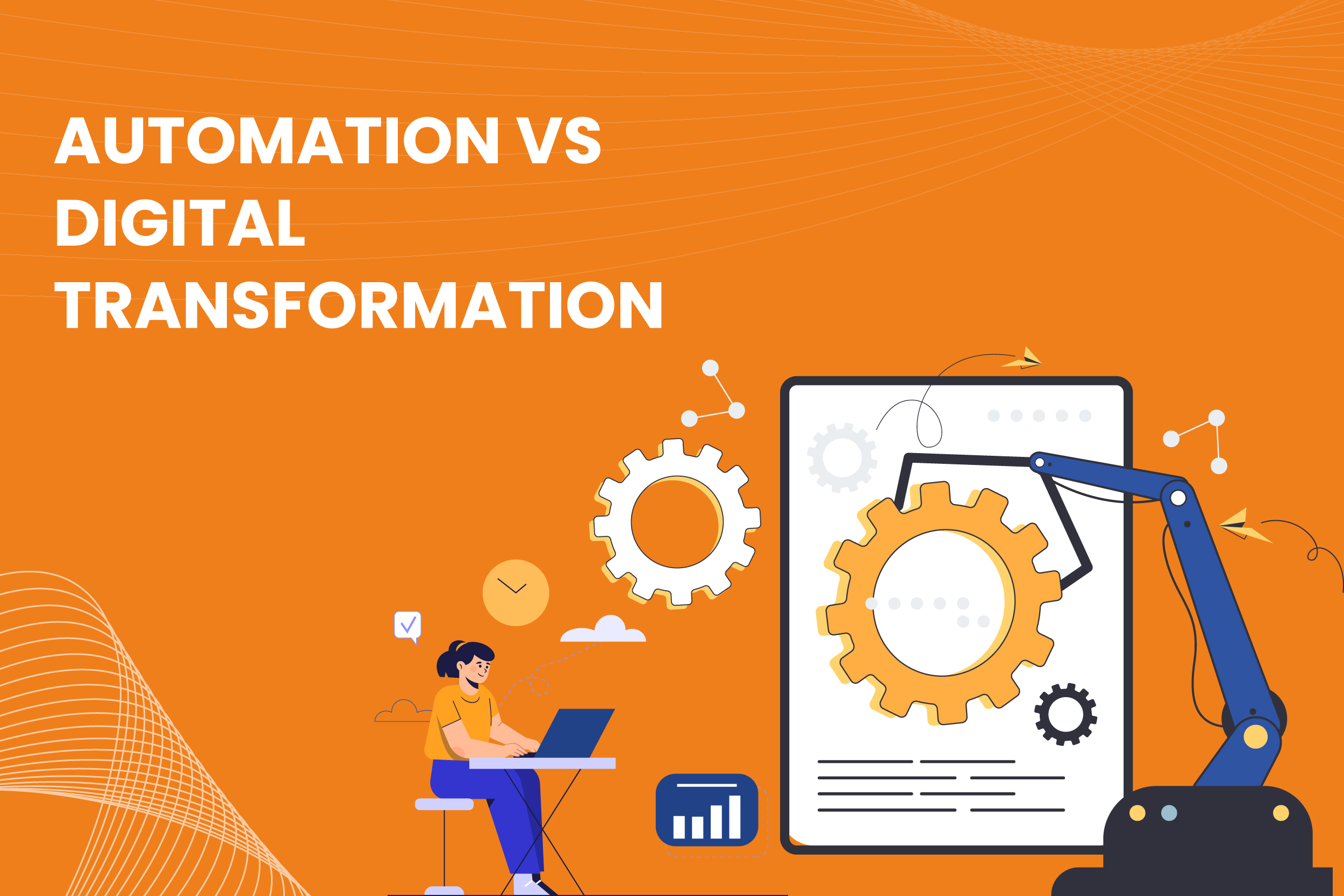
Businesses today are under constant pressure to move faster, operate efficiently, and deliver better customer experiences. In response, many organizations invest in automation tools and digital technologies. However, a common misunderstanding arises when companies assume automation alone equals transformation.
In reality, automation vs transformation is not a comparison of competing strategies. Instead, automation is a component of digital transformation, not the transformation itself. Understanding this distinction is essential for organizations that want to achieve meaningful and lasting change.
When leaders realize that automation is not digital transformation, they can approach technology adoption more strategically and avoid investing in tools that produce only limited impact.
Read More
In today’s fast-paced business landscape, uncertainty is the only constant. From global economic shifts to rapid technological change, organizations face pressures that can disrupt operations, challenge growth, and threaten survival. In this environment, organizational resilience is no longer optional—it is essential. Companies that cultivate adaptability, foresight, and responsiveness are better equipped to thrive, even under the most challenging circumstances.
How companies stay resilient begins with a mindset that sees disruption not as a threat, but as an opportunity to learn, evolve, and innovate. Resilient organizations do more than recover from setbacks—they anticipate challenges, respond effectively, and emerge stronger.
Read More
In today’s fast-paced digital landscape, businesses must adapt to changing technologies and customer expectations to remain competitive. One of the most effective ways to achieve this adaptability is through digital transformation, which involves integrating digital technologies into all areas of a business. A critical component of this transformation is Enterprise Resource Planning (ERP) systems.
Read More
Implementing an SAP system can be a transformative step for organizations aiming to enhance their operational efficiency, streamline processes, and improve data visibility. However, success in an SAP implementation goes beyond simply completing the project on time and within budget. It involves measuring and analyzing key performance metrics that provide insight into how effectively the system is being utilized and whether it meets the organization’s objectives.
Read More
In today’s fast-paced business environment, efficient systems and processes are vital for success. Enterprise Resource Planning (ERP) systems like SAP are central to this, helping organizations streamline their operations, manage resources more effectively, and drive productivity.
However, ERP implementation is a complex and often challenging process that requires a skilled IT consulting partner to ensure success. Selecting the right IT consulting services for your ERP implementation, especially for SAP, can make the difference between seamless integration and costly disruptions.
Read More
ERP systems have become indispensable tools for businesses looking to streamline operations, improve efficiency, and maintain a competitive edge. However, implementing ERP solutions can be daunting, especially for small and medium-sized businesses (SMBs) with limited resources.
The complexity of the process, cost concerns, and the need for seamless integration across departments pose significant challenges. To overcome these, SMBs must adopt tailored ERP implementation strategies that align with their unique requirements.
Read More
In today’s fast-paced business environment, Enterprise Resource Planning (ERP) systems like SAP (Systems, Applications, and Products) are crucial to streamlining operations, improving efficiency, and supporting growth. However, the process of SAP implementation can be complex and time-consuming, often putting a strain on internal resources.
This is where IT consulting services come into play, providing the necessary expertise and support to accelerate your SAP implementation timeline. By leveraging specialized knowledge and proven strategies, IT consulting services can significantly shorten the time required for successful SAP deployment, helping organizations stay competitive and responsive to market demands.
Read More
As enterprises scale, managing resources, streamlining operations, and maintaining flexibility become crucial challenges. To address these challenges, businesses increasingly turn to cloud-based Enterprise Resource Planning (ERP) systems.
ERP solutions have long been vital in centralizing various business functions like finance, human resources, supply chain management, and customer relations into a unified system. In recent years, the shift to cloud-based ERP systems has offered even greater benefits, particularly for growing enterprises.
Read More
Leave a Reply