

Providers of Agile consulting services help find the right product, unlock better customer satisfaction, ensure considerable reduction in business risks, better control over operations, and develop trust among teams.
Agile consulting services have risen sharply in the last decade as businesses have started adopting digital transformation. Agile solutions are becoming more commonplace in varied businesses across different verticals on a global scale. Here are some of the key benefits of using agile consulting services for any business.
The best thing about agile consulting services is that it helps businesses to find the right fit agile solutions for their business needs. A business is always involved in the development process of the agile system and can certainly ask for specific changes based on its needs in order to offer its services better to the market. Agile system development is a highly iterative process wherein new updates are deployed with time to offer continuous improvement in its capabilities and offerings.
Businesses are made by the customers and it becomes essential for the business to keep them happy, satisfied and root for the brand against the competition. Agile systems help in ramping up the business processes by eliminating the bottlenecks and providing better services and quick redressal of grievances for the customers. This ultimately results in better customer retention and customer satisfaction.
Here customer feedback is taken into consideration to improve the business operations and workflow to render services that are at par with customer expectations. Agile data implementation brings refinement into the products, based on the customer feedback which gives a signal that the business listens to its customer which eventually results in the development of loyalty to the brand.
Agile transformation services bring better control over any product, business workflow or operation for the business. This is backed by enhanced transparency, quality control along with feedback integration. Agile data implementation is conducted in a phase-wise manner and high-quality reports are generated on a daily basis which offers market insights in real-time. Ultimately these analytics help businesses make the right decision to bring about a varied range of changes in their services, products, management and governance with better control to offer the best services to the end consumers.
Providers of Agile consulting services state that if a business makes use of the agile methodology in its daily operations then that business is guaranteed the path to success. Agile solutions work in providing continuous improvement in the business workflow through quick and timely updates to agile systems. This helps in reducing the business risks and opens up the business to take on the competition with new vigor. A business-backed with high-functioning operations, quality products and satisfied customers is likely to remain ahead of the competition. Business risks are averted by relying on high-end analytics that provide quality data and ample insight to overcome any drastic change in the market scenario.
Agile teams are empowered by the agile consulting services which bring an unparalleled amount of flexibility. Teams are divided into a bunch of smaller teams that carefully focus on the small areas wherein feedback is taken into account and refinement is made in the final product based on that.
This enhanced flexibility makes it easier for teams to manage and improve the agile solutions as per the business needs. Any issues or problems are identified in the nascent stage and necessary steps are implemented to root out the problems in quick intervals. Thereby businesses are able to perform at their best by providing quality products and services to the end consumers.
It is necessary for businesses to infuse or inculcate trust among teams from different departments to ensure consistent and lag-free workflow. Agencies offering Agile consulting services take every business department and their perspective into consideration when coming up with agile solutions deployment plans. In this case, each team gets dignified levels of responsibility and authority over their respective decisions related to business operations.
Furthermore, top management and external forces are kept at bay to avoid unwanted interferences in daily operations. Training and coaching are also conducted for the teams to get them better at handling the agile systems and grow in their own specific roles within the organization. Thus it opens new avenues of better team collaboration and employee engagement along with frequent discussion and meet-ups that result in the development of close-knit teams.
Most businesses have a fairly low amount of metrics to play with to gauge their business performance levels. Providers of Agile transformation services bring high-end analytics powered by business intelligence, artificial intelligence and machine learning. This helps in offering accurate and highly relevant analysis of business performance that can’t be reciprocated with old established methodologies.
This helps businesses in getting a better estimate of cost and time along with other important metrics like cycle time, lead time and much more. This analytical data is crucial in identifying the bottlenecks within the business operations and workflow to find the right ways to improve the team’s performance and production capability.
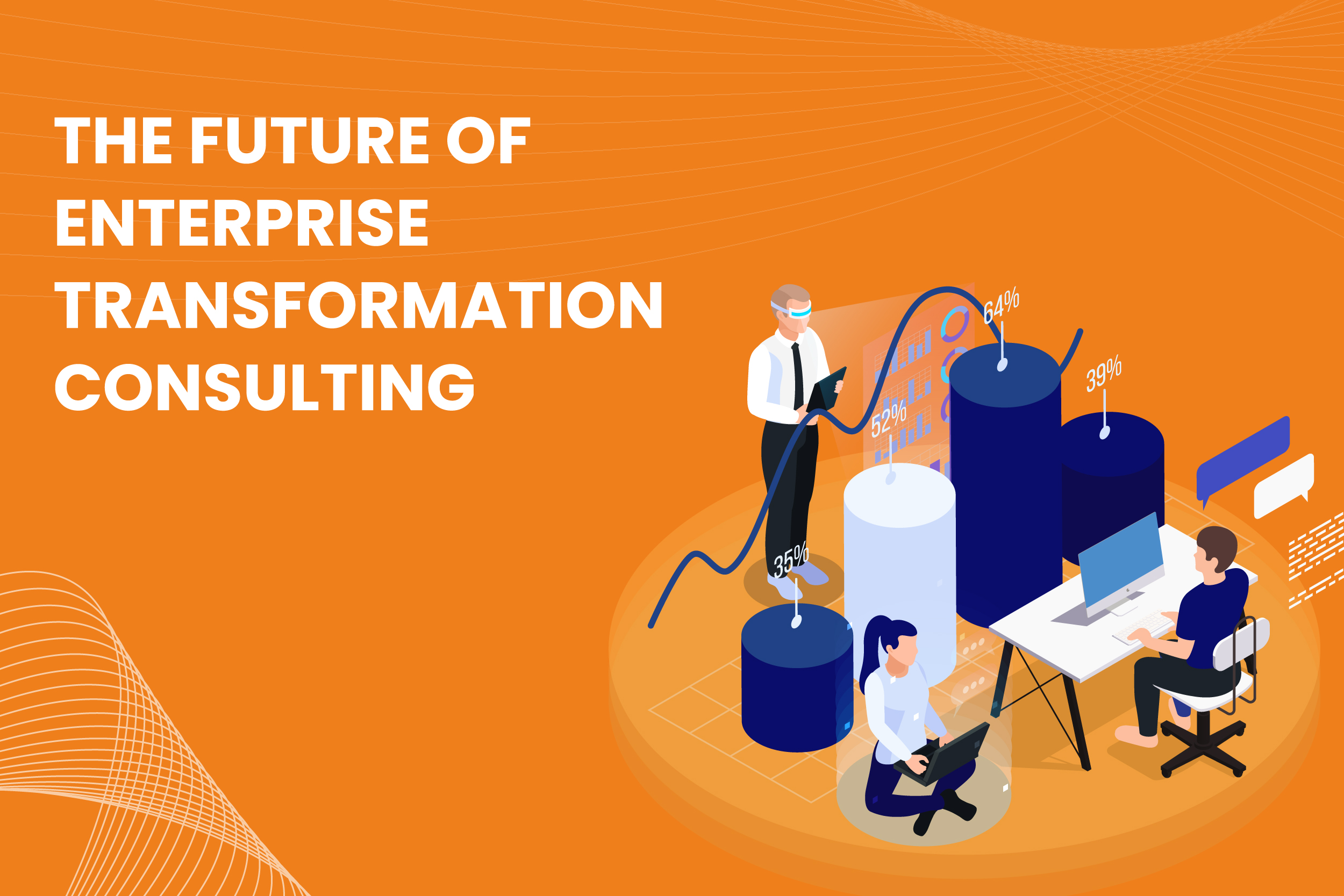
Enterprise transformation is no longer a niche service—it has become a critical driver for organizations seeking growth, agility, and resilience. Businesses today face unprecedented challenges: rapidly evolving technologies, shifting customer expectations, and complex global markets. In response, transformation consulting has evolved from offering generic recommendations to delivering highly specialized, strategic guidance that helps enterprises navigate this dynamic landscape.
Understanding how consulting is changing provides insights into what the future of enterprise transformation consulting looks like, and why companies are increasingly relying on experts to guide their transformational journeys.
Read More
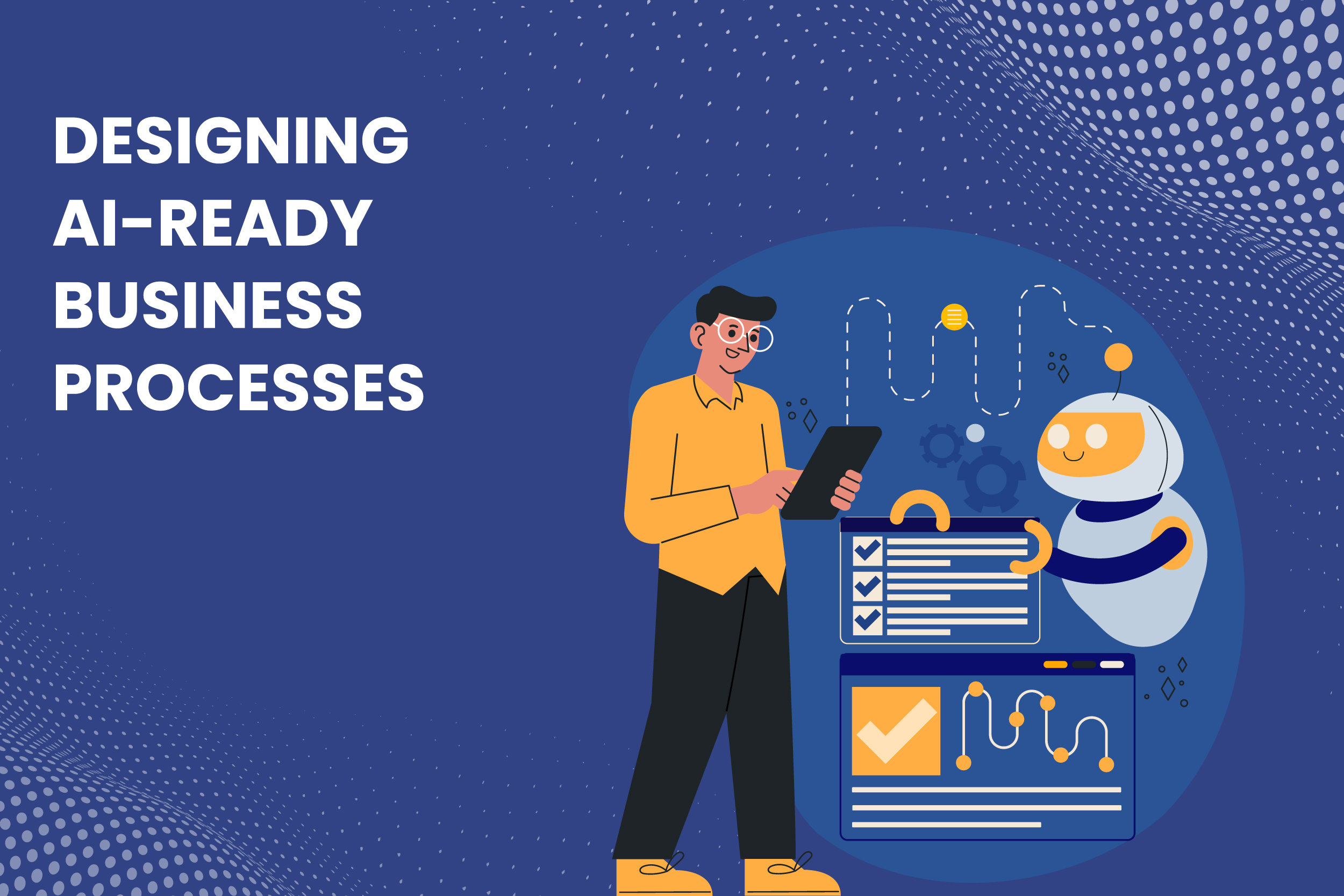
Artificial intelligence is quickly moving from experimentation to real business impact. Organizations are using AI to automate decisions, improve customer experiences, and extract insights from massive volumes of data. However, simply adopting AI tools does not guarantee success. Many companies discover that their existing workflows were never designed to support intelligent automation.
To unlock the full potential of AI, businesses must rethink how their processes are structured. This is where business process transformation becomes essential. Organizations need AI-ready processes that are structured, data-driven, and adaptable. Without these foundations, even the most advanced AI systems struggle to deliver value.
Understanding how to prepare processes for AI helps businesses build systems that are not only efficient today but also capable of evolving with future technologies.
Read More
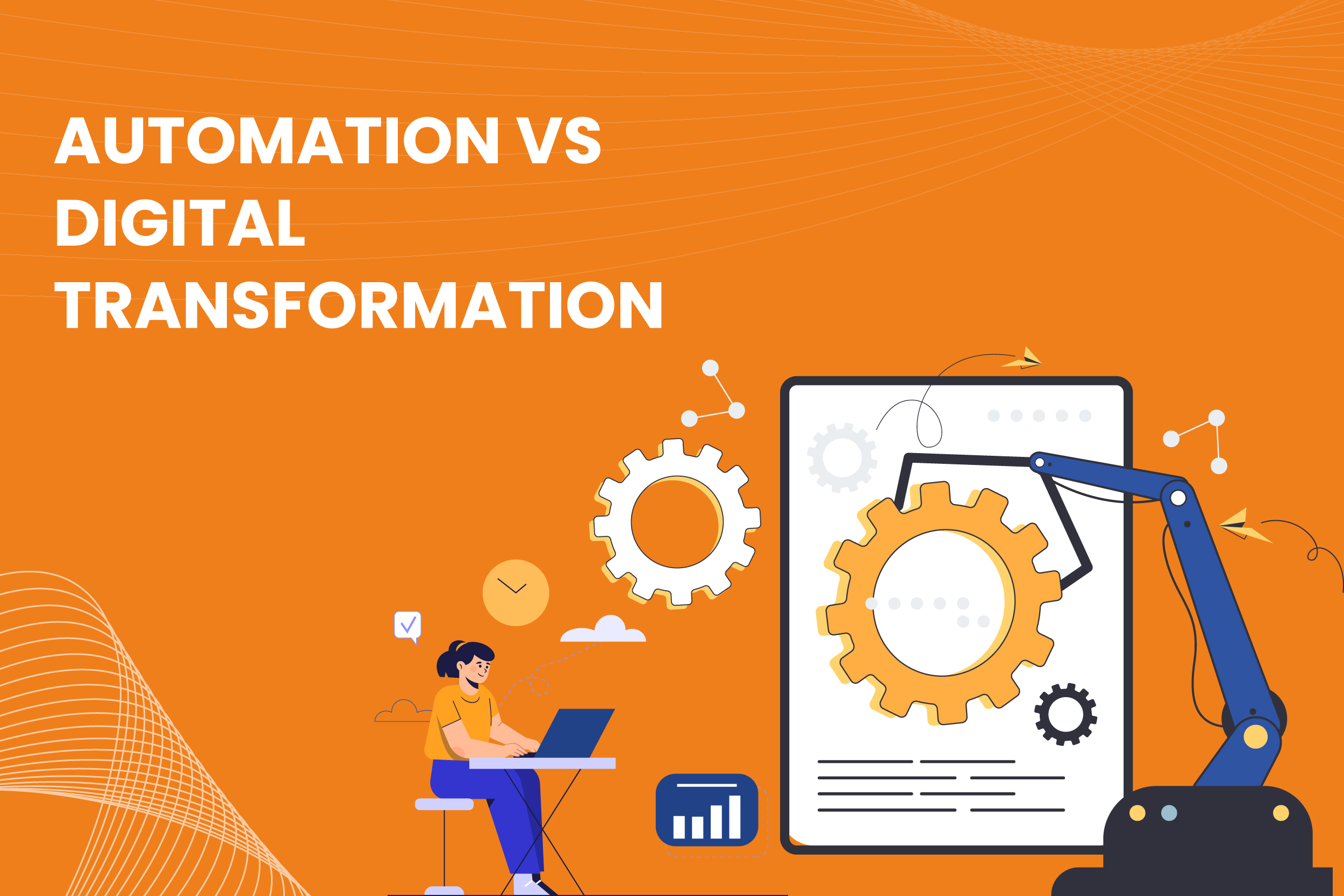
Businesses today are under constant pressure to move faster, operate efficiently, and deliver better customer experiences. In response, many organizations invest in automation tools and digital technologies. However, a common misunderstanding arises when companies assume automation alone equals transformation.
In reality, automation vs transformation is not a comparison of competing strategies. Instead, automation is a component of digital transformation, not the transformation itself. Understanding this distinction is essential for organizations that want to achieve meaningful and lasting change.
When leaders realize that automation is not digital transformation, they can approach technology adoption more strategically and avoid investing in tools that produce only limited impact.
Read More
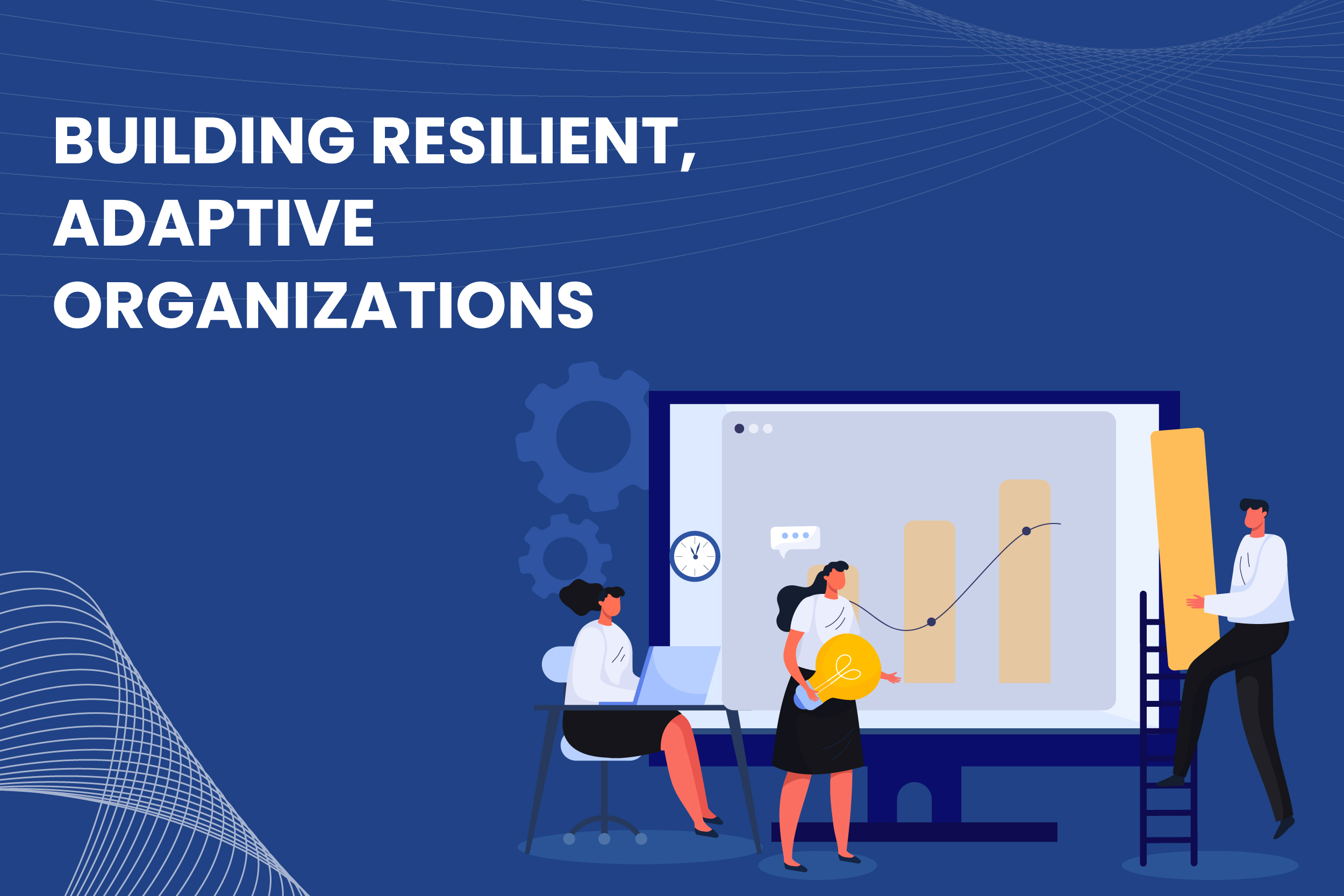
In today’s fast-paced business landscape, uncertainty is the only constant. From global economic shifts to rapid technological change, organizations face pressures that can disrupt operations, challenge growth, and threaten survival. In this environment, organizational resilience is no longer optional—it is essential. Companies that cultivate adaptability, foresight, and responsiveness are better equipped to thrive, even under the most challenging circumstances.
How companies stay resilient begins with a mindset that sees disruption not as a threat, but as an opportunity to learn, evolve, and innovate. Resilient organizations do more than recover from setbacks—they anticipate challenges, respond effectively, and emerge stronger.
Read More
In today’s fast-paced digital landscape, businesses must adapt to changing technologies and customer expectations to remain competitive. One of the most effective ways to achieve this adaptability is through digital transformation, which involves integrating digital technologies into all areas of a business. A critical component of this transformation is Enterprise Resource Planning (ERP) systems.
Read More
Implementing an SAP system can be a transformative step for organizations aiming to enhance their operational efficiency, streamline processes, and improve data visibility. However, success in an SAP implementation goes beyond simply completing the project on time and within budget. It involves measuring and analyzing key performance metrics that provide insight into how effectively the system is being utilized and whether it meets the organization’s objectives.
Read More
In today’s fast-paced business environment, efficient systems and processes are vital for success. Enterprise Resource Planning (ERP) systems like SAP are central to this, helping organizations streamline their operations, manage resources more effectively, and drive productivity.
However, ERP implementation is a complex and often challenging process that requires a skilled IT consulting partner to ensure success. Selecting the right IT consulting services for your ERP implementation, especially for SAP, can make the difference between seamless integration and costly disruptions.
Read More
ERP systems have become indispensable tools for businesses looking to streamline operations, improve efficiency, and maintain a competitive edge. However, implementing ERP solutions can be daunting, especially for small and medium-sized businesses (SMBs) with limited resources.
The complexity of the process, cost concerns, and the need for seamless integration across departments pose significant challenges. To overcome these, SMBs must adopt tailored ERP implementation strategies that align with their unique requirements.
Read More
In today’s fast-paced business environment, Enterprise Resource Planning (ERP) systems like SAP (Systems, Applications, and Products) are crucial to streamlining operations, improving efficiency, and supporting growth. However, the process of SAP implementation can be complex and time-consuming, often putting a strain on internal resources.
This is where IT consulting services come into play, providing the necessary expertise and support to accelerate your SAP implementation timeline. By leveraging specialized knowledge and proven strategies, IT consulting services can significantly shorten the time required for successful SAP deployment, helping organizations stay competitive and responsive to market demands.
Read More
As enterprises scale, managing resources, streamlining operations, and maintaining flexibility become crucial challenges. To address these challenges, businesses increasingly turn to cloud-based Enterprise Resource Planning (ERP) systems.
ERP solutions have long been vital in centralizing various business functions like finance, human resources, supply chain management, and customer relations into a unified system. In recent years, the shift to cloud-based ERP systems has offered even greater benefits, particularly for growing enterprises.
Read More
Leave a Reply