
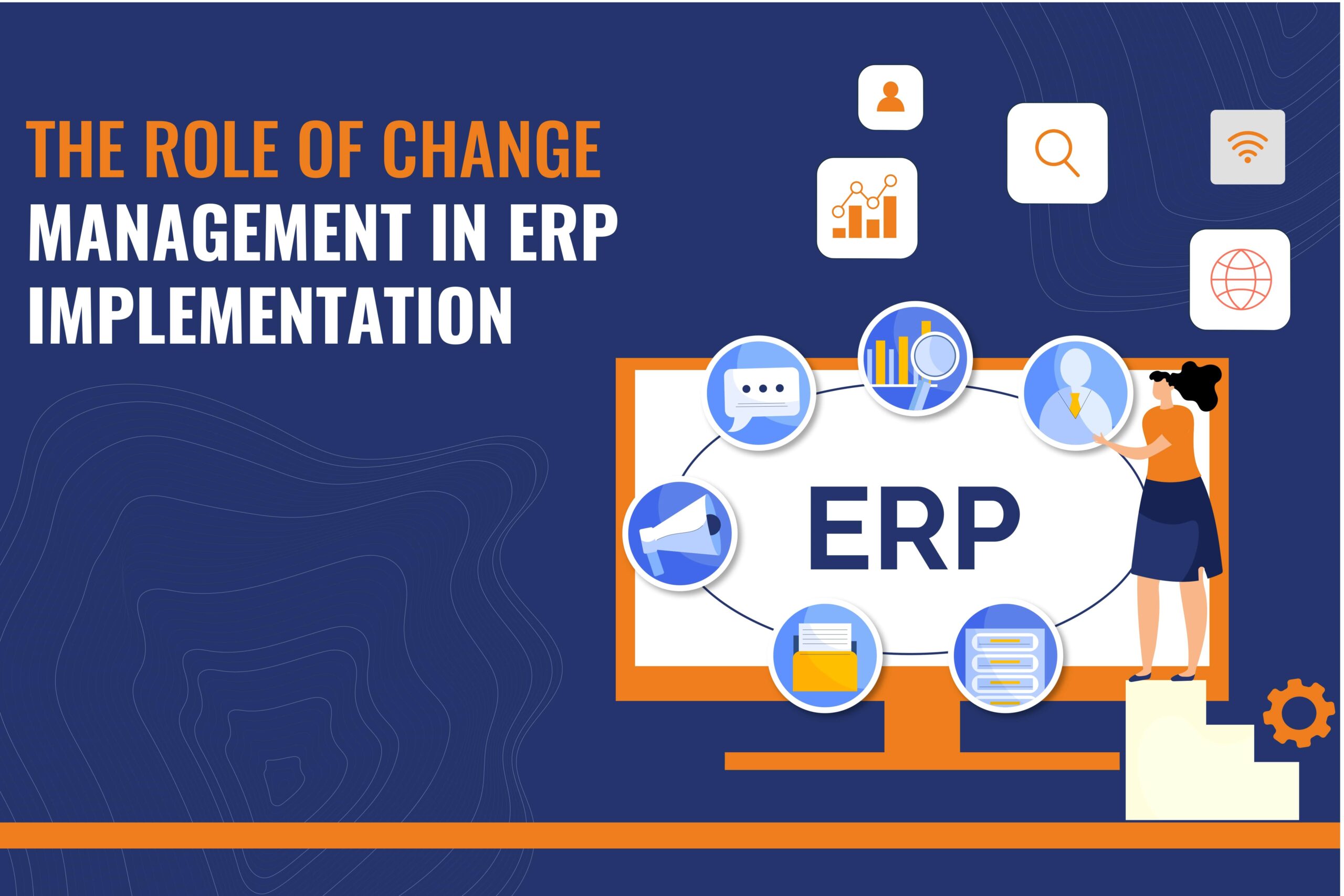
In the ever-evolving landscape of modern business, the strategic adoption of Enterprise Resource Planning (ERP) systems. So, it has become imperative for organizations aiming to optimize operations and maintain a competitive edge. Effectively managing change becomes a linchpin for success in the complex journey toward ERP implementation, marked by intricate challenges.
Change management in the context of ERP implementation is not just an ancillary process. It is a fundamental driver determining the success or failure of the entire endeavor. Resistance to change is a natural human response, and ERP implementation invariably disrupts established workflows. Change management acts as a proactive force, identifying and addressing resistance at its roots. This ensures a more seamless integration of the new system in the organization.
The ultimate success of an ERP system is deeply rooted in how readily and effectively end-users embrace it. Meticulously designing change management strategies cultivates acceptance and catalyzes employee proficiency. ERP implementations are notorious for their disruptive potential. Organizations can minimize disruptions, maintain business continuity, and avert potential setbacks through diligent change management. Involving employees, managers, and other relevant parties fosters a sense of ownership and ensures the ERP implementation considers diverse perspectives.
An ERP system’s success intrinsically ties to the broader business goals of an organization, as it is not an isolated entity. Change management acts as a compass, guiding technology alignment with business processes to ensure the ERP system delivers maximum value. Transparent and Open Communication is the lifeblood of change management. Employee informs about the rationale behind the change, anticipated benefits, and the implementation timeline. The role of change management in ERP implementation is pivotal. So, it is not an ancillary consideration but the linchpin that holds the entire process together. Organizations that grasp the paramount importance of change management in ERP implementation. These are better poised to navigate challenges and emerge victoriously in the dynamic landscape of modern business evolution.
In the dynamic landscape of modern business, organizations are compelled to adopt Enterprise Resource Planning (ERP) systems. In this ERP implementation, the services are pivotal in helping companies leverage technology. It is a strategic imperative for optimizing operations and maintaining competitiveness. So, the journey toward ERP implementation is fraught with challenges, and the linchpin for success is effective change management. This blog will delve into the profound significance of change management in ERP implementation, elucidating its pivotal role, exploring key strategies, and unraveling the myriad benefits it brings to the forefront.
Organizational leadership’s steadfast commitment is crucial for change management success, especially in IT consulting services. Leaders must exemplify dedication to ERP implementation, championing change and setting the tone for the entire organization.
Transparent and open Communication, constituting the lifeblood of change management, is crucial. Management should inform employees about the rationale behind the change, the anticipated benefits, and the implementation timeline. So, addressing concerns and questions is essential to building trust and fostering a positive attitude towards the upcoming changes.
Involving key stakeholders in decision-making processes and representing diverse departments and functions is pivotal. Therefore, their insights can provide valuable perspectives and engender a sense of ownership and commitment to the success of the ERP project.
with their comprehensive business functionalities, SAP consulting services often necessitate a paradigm shift in organizations. Tailored to the needs of various user groups, these few programs like hands-on training sessions, workshops, and user guides. It helps to ensure that employees are aware of the changes and proficient users of the new ERP system.
A strategic move in change management involves identifying and empowering change champions within the organization. These individuals, enthusiastic about the change, can serve as advocates, providing peer support, and positively influencing others for upcoming changes.
It allows employees to express their concerns, suggestions, and feedback throughout the ERP implementation process. This two-way Communication ensures that the organization can respond promptly to evolving needs, fostering a culture of continuous improvement.
Swift and effective adaptation to the new ERP system by employees translates into a quicker realization of anticipated benefits. This includes cost savings, heightened operational efficiency, and more informed decision-making.
Change management is a proactive risk mitigation tool. So, organizations can significantly reduce the costly errors and project delays and address potential risks early in the implementation process.
A carefully managed change process minimizes disruptions to daily operations during ERP implementation. This ensures that the organization can continue functioning efficiently, minimizing downtime and avoiding adverse effects on productivity.
As employees embrace the new ERP system, there is often a concurrent data quality and accuracy improvement. So, this, in turn, leads to more reliable business processes, informed decision-making, and increased organizational agility.
The successful implementation of ERP in organizations often leverages the expertise of IT consulting services to navigate this transformative journey. They can respond more adeptly to market changes, adapt swiftly to evolving customer demands. So, it makes data-driven decisions that position them as industry leaders.
Change management in ERP implementation profoundly impacts organizations like influencing various aspects of their structure, culture, and overall functionality. here’s an in-depth exploration of how change management affects organizations during ERP implementation:
Employees may initially resist the changes brought by ERP implementation, leading to uncertainty and a potential dip in morale.
: Effective change management strategies address employee concerns, provide clear Communication, and involve them in decision-making.
With successful change management, employees are more likely to feel motivated, engaged, and aligned with the organization’s goals.
Before Change Management: Existing processes may need to be more efficient, and employees might resist altering their workflows.
Change management aims to streamline processes, eliminate redundancies, and enhance efficiency. Therefore, employees undergo training to effectively use the new ERP system, leading to improved workflows.
The organization experiences enhanced operational efficiency as employees adapt to streamlined processes facilitated by the ERP system.
Legacy systems and processes may need to align with industry best practices.
ERP implementation often involves adopting industry best practices embedded in the ERP software. So, change management ensures that employees understand and embrace these practices.
The organization incorporates and institutionalizes best practices, improving overall performance and competitiveness.
Communication may be siloed, and department collaboration might be limited.
Clear and transparent Communication is a core change management component. Hence, it breaks down silos, promotes cross-functional collaboration, and fosters a culture of shared goals.
The organization experiences improved communication channels and a collaborative environment. So, it leads to better decision-making and problem-solving.
In this discussion, the implementation of ERP and SAP consulting services are carefully connected to craft a seamless transformation. Therefore, It is not an ancillary consideration but the linchpin that holds the entire process together. Organizations that understand the importance of change management in ERP implementation are better poised to navigate challenges and emerge victoriously. For more information visit our website.
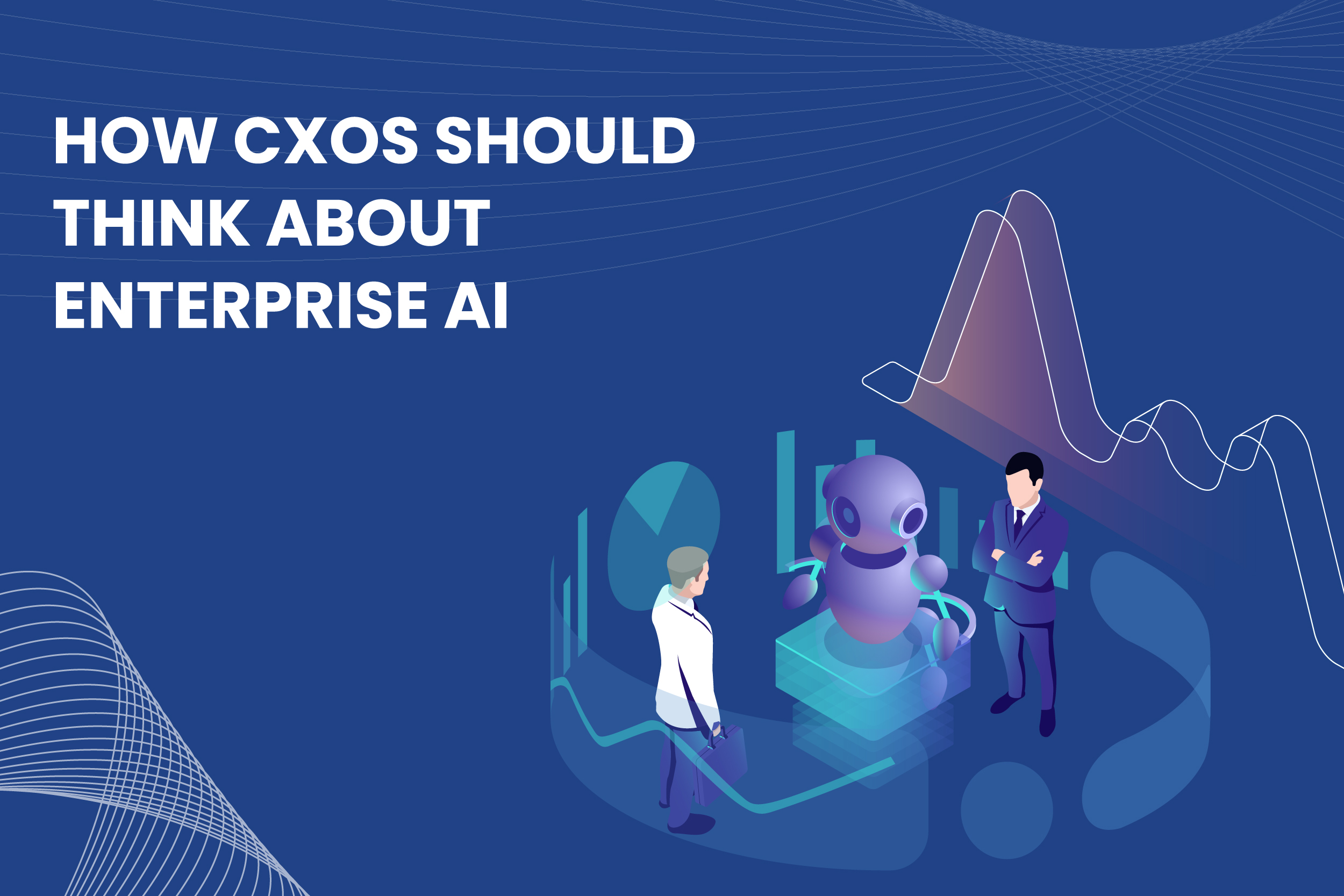
Artificial Intelligence (AI) is no longer a futuristic concept; it has become a cornerstone of modern business strategy. From automating routine tasks to generating insights from vast datasets, AI promises efficiency, innovation, and competitive advantage.
Yet, the rapid pace of AI adoption also brings uncertainty. Many executives struggle with defining their role in AI strategy, leading to stalled projects or missed opportunities. Understanding how leaders should think about AI is essential for turning technology into tangible business outcomes.
Read More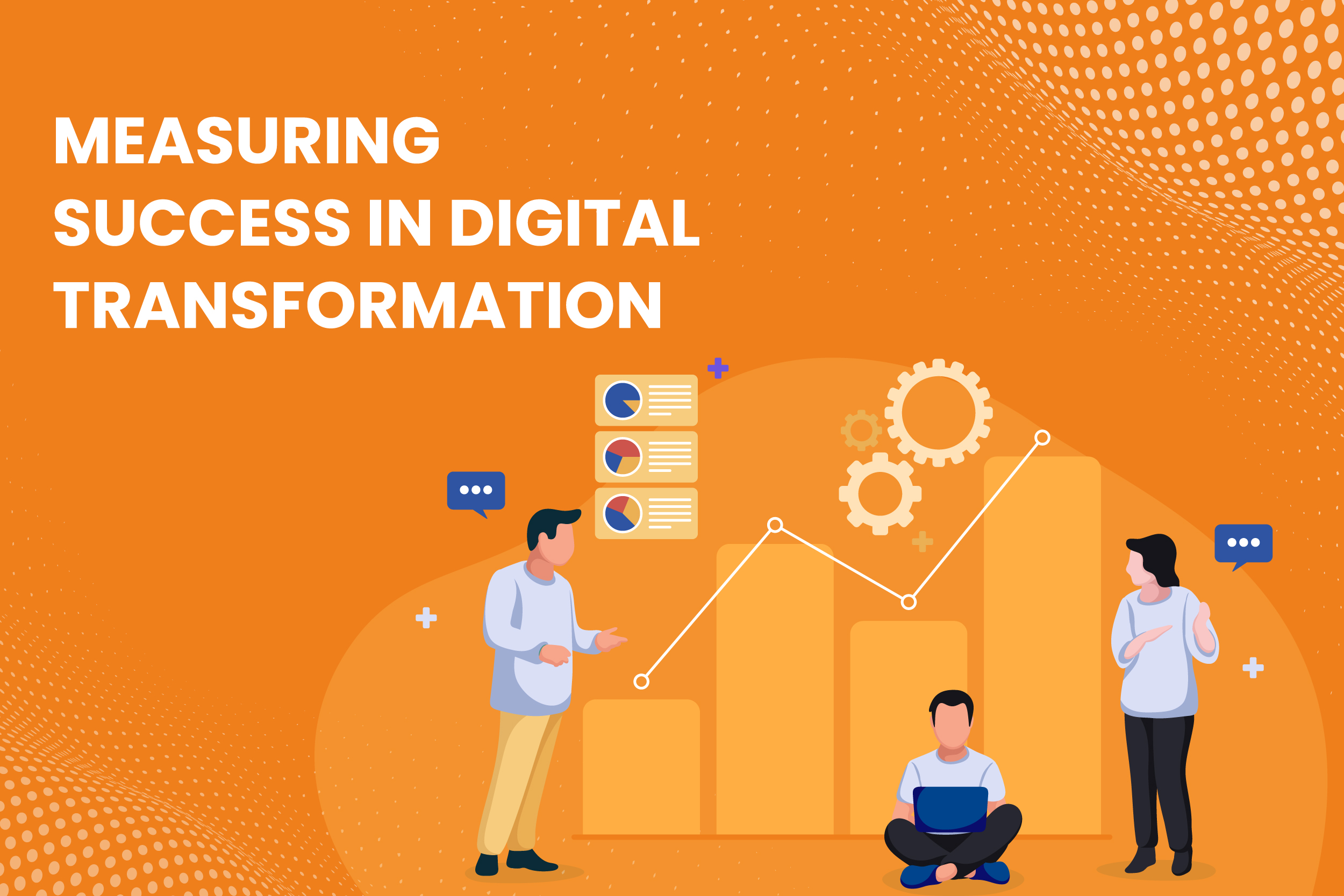
Digital transformation is no longer just a buzzword—it’s a necessity for businesses aiming to stay competitive in today’s fast-paced market. Organizations invest in cloud technologies, automation, AI, and customer-centric platforms to modernize operations and create value. But with so many initiatives underway, one pressing question arises: how to measure transformation success? Without clear metrics, companies risk investing heavily without knowing whether their efforts are truly paying off.
Measuring success in digital transformation goes beyond counting deployed tools or completed projects. It requires tracking meaningful indicators that reflect actual business outcomes, employee adoption, and customer impact. Defining transformation KPIs early in the journey ensures that initiatives stay aligned with strategic goals and deliver measurable value.
Read More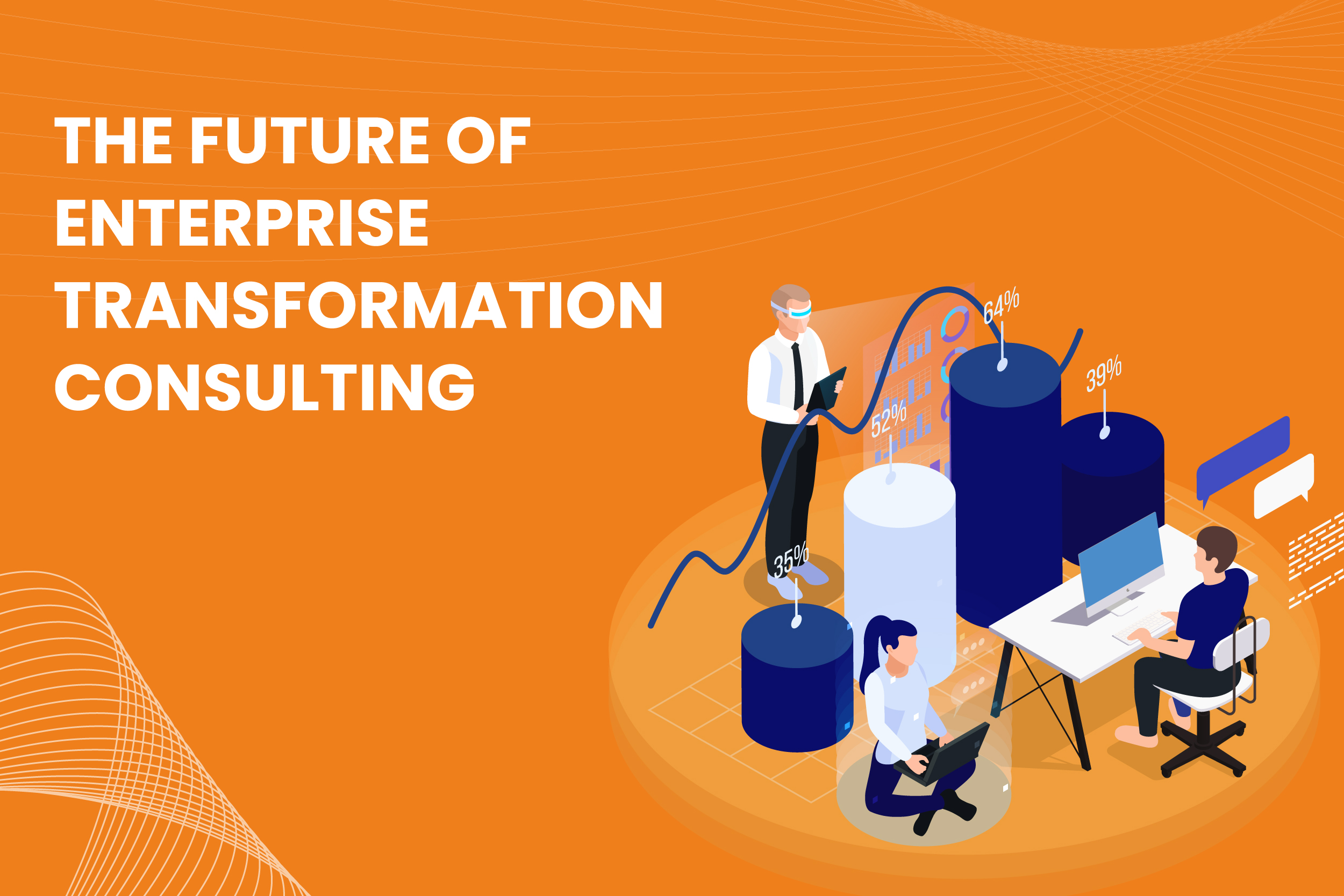
Enterprise transformation is no longer a niche service—it has become a critical driver for organizations seeking growth, agility, and resilience. Businesses today face unprecedented challenges: rapidly evolving technologies, shifting customer expectations, and complex global markets. In response, transformation consulting has evolved from offering generic recommendations to delivering highly specialized, strategic guidance that helps enterprises navigate this dynamic landscape.
Understanding how consulting is changing provides insights into what the future of enterprise transformation consulting looks like, and why companies are increasingly relying on experts to guide their transformational journeys.
Read More
Artificial intelligence is quickly moving from experimentation to real business impact. Organizations are using AI to automate decisions, improve customer experiences, and extract insights from massive volumes of data. However, simply adopting AI tools does not guarantee success. Many companies discover that their existing workflows were never designed to support intelligent automation.
To unlock the full potential of AI, businesses must rethink how their processes are structured. This is where business process transformation becomes essential. Organizations need AI-ready processes that are structured, data-driven, and adaptable. Without these foundations, even the most advanced AI systems struggle to deliver value.
Understanding how to prepare processes for AI helps businesses build systems that are not only efficient today but also capable of evolving with future technologies.
Read More
Businesses today are under constant pressure to move faster, operate efficiently, and deliver better customer experiences. In response, many organizations invest in automation tools and digital technologies. However, a common misunderstanding arises when companies assume automation alone equals transformation.
In reality, automation vs transformation is not a comparison of competing strategies. Instead, automation is a component of digital transformation, not the transformation itself. Understanding this distinction is essential for organizations that want to achieve meaningful and lasting change.
When leaders realize that automation is not digital transformation, they can approach technology adoption more strategically and avoid investing in tools that produce only limited impact.
Read More
In today’s fast-paced business landscape, uncertainty is the only constant. From global economic shifts to rapid technological change, organizations face pressures that can disrupt operations, challenge growth, and threaten survival. In this environment, organizational resilience is no longer optional—it is essential. Companies that cultivate adaptability, foresight, and responsiveness are better equipped to thrive, even under the most challenging circumstances.
How companies stay resilient begins with a mindset that sees disruption not as a threat, but as an opportunity to learn, evolve, and innovate. Resilient organizations do more than recover from setbacks—they anticipate challenges, respond effectively, and emerge stronger.
Read More
In today’s fast-paced digital landscape, businesses must adapt to changing technologies and customer expectations to remain competitive. One of the most effective ways to achieve this adaptability is through digital transformation, which involves integrating digital technologies into all areas of a business. A critical component of this transformation is Enterprise Resource Planning (ERP) systems.
Read More
Implementing an SAP system can be a transformative step for organizations aiming to enhance their operational efficiency, streamline processes, and improve data visibility. However, success in an SAP implementation goes beyond simply completing the project on time and within budget. It involves measuring and analyzing key performance metrics that provide insight into how effectively the system is being utilized and whether it meets the organization’s objectives.
Read More
In today’s fast-paced business environment, efficient systems and processes are vital for success. Enterprise Resource Planning (ERP) systems like SAP are central to this, helping organizations streamline their operations, manage resources more effectively, and drive productivity.
However, ERP implementation is a complex and often challenging process that requires a skilled IT consulting partner to ensure success. Selecting the right IT consulting services for your ERP implementation, especially for SAP, can make the difference between seamless integration and costly disruptions.
Read More
ERP systems have become indispensable tools for businesses looking to streamline operations, improve efficiency, and maintain a competitive edge. However, implementing ERP solutions can be daunting, especially for small and medium-sized businesses (SMBs) with limited resources.
The complexity of the process, cost concerns, and the need for seamless integration across departments pose significant challenges. To overcome these, SMBs must adopt tailored ERP implementation strategies that align with their unique requirements.
Read More
Leave a Reply