
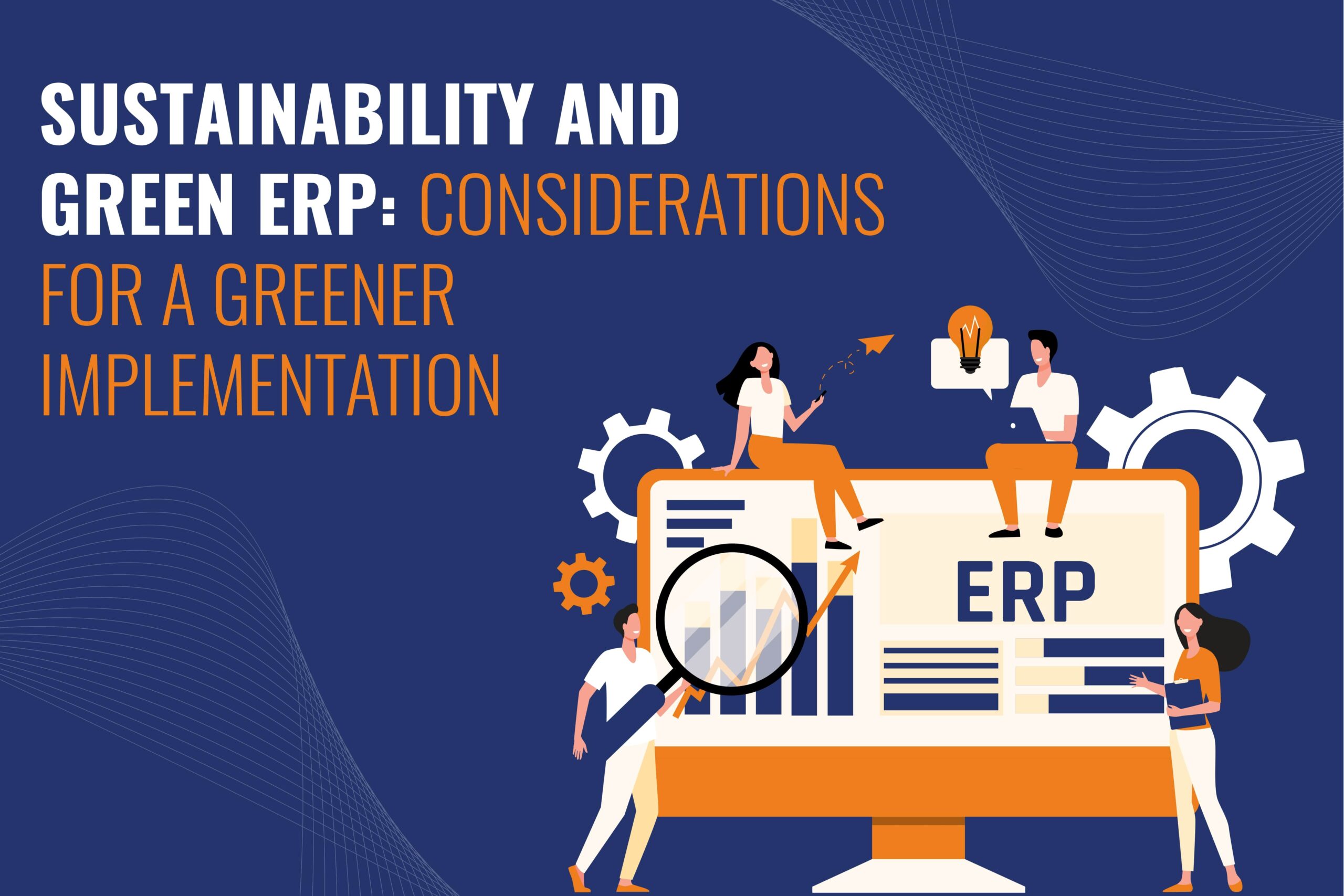
So, Sustainability and Green Enterprise Resource Planning (ERP) represent a growing emphasis on environmentally responsible business practices. Implementing a Green ERP system involves integrating sustainability considerations into various aspects of ERP deployment. Additionally, this approach seeks to optimize resource usage, reduce environmental impact, and align organizational processes with eco-friendly principles.
So, a critical consideration in Green ERP implementation is the selection of eco-conscious technologies. This involves choosing ERP software that supports energy efficiency, utilizes renewable resources, and minimizes environmental degradation. Additionally, cloud-based ERP solutions can contribute to sustainability by reducing hardware requirements and energy consumption associated with traditional on-premise systems.
Efficient resource management is central to a greener ERP implementation. So, organizations can enhance sustainability by utilizing ERP modules that enable better control over resource consumption, waste reduction, and recycling processes. However, this involves integrating functionalities that track and optimize energy usage, water consumption, and raw material procurement, fostering a more circular and eco-friendly approach to resource utilization.
Furthermore, Green ERP emphasizes supply chain sustainability. So, companies can implement ERP systems that enable the monitoring and management of suppliers based on their environmental practices.
Employee engagement is another crucial aspect of Green ERP implementation. So, educating and involving employees in sustainability initiatives through the ERP system can foster a culture of environmental consciousness. This may include features within the ERP platform that allow employees to contribute ideas for sustainability, track their own eco-friendly practices, and participate in green initiatives.
Regular monitoring and reporting are essential for assessing the impact of a Green ERP system. Implementing robust reporting mechanisms within the ERP platform allows organizations to track key performance indicators related to sustainability. So, this data can be used to identify areas for improvement, set sustainability goals, and demonstrate the positive environmental impact of the ERP implementation.
In a world increasingly focused on sustainability, businesses are recognizing the imperative to integrate green practices into their operations. ERP implementation can be a powerful tool for businesses seeking to integrate green practices into their operations. One significant avenue for achieving sustainability goals is through the implementation of Green ERP (Enterprise Resource Planning). In this comprehensive exploration, we will delve into the considerations, strategies, and benefits associated with adopting a Green ERP system. From energy-efficient technologies to supply chain transparency and beyond. It will also discuss the key elements that organizations should keep in mind on journey toward a greener ERP implementation.
Additionally, green ERP, or Sustainable ERP, involves incorporation of environmentally responsible practices into the entire lifecycle of an ERP system. So, this extends from the design and development stages to the day-to-day operations and eventual disposal or upgrading of the system.
Additionally, a crucial aspect of Green ERP aligns with the triple bottom line approach, considering not only financial aspects but also social and environmental impacts. So, this holistic perspective emphasizes the importance of balancing economic success with social responsibility and environmental stewardship.
So, choosing energy-efficient hardware for hosting ERP systems can significantly contribute to sustainability. Utilizing virtualization and embracing cloud-based solutions allows for a reduction in energy consumption, leading to a smaller carbon footprint.
However, hosting ERP systems on cloud platforms powered by renewable energy sources aligns with the goal of reducing the overall environmental impact associated with data center operations. So, it’s a strategic move toward sustainable, eco-friendly computing.
SAP consulting services can play a crucial role in facilitating this integration. So, this granular insight facilitates informed decision-making to optimize energy usage and reduce waste.
A fundamental aspect of Green ERP involves the transition to paperless workflows. So, digital document management not only saves resources but also enhances accessibility and collaboration, fostering a more sustainable and efficient work environment.
Implementing e-procurement and e-invoicing within the ERP system reduces the reliance on physical paperwork in procurement processes. So, this not only minimizes environmental impact but also streamlines operations for increased efficiency.
However, green ERP systems should enable organizations to achieve greater transparency in their supply chain. So, this involves tracking and analyzing the environmental impact of raw materials, transportation, and manufacturing processes.
Implementing traceability features in the ERP system ensures responsible sourcing by tracking the origin of materials. So, this is vital for verifying compliance with environmental and ethical standards throughout the supply chain.
So, these tools assess the environmental impact of products throughout their lifecycle, from production and distribution to usage and disposal. So, IT consulting services can manage the integration and organization of data from various sources, including production processes.
By leveraging data generated through lifecycle analysis, organizations can make informed decisions to optimize product design. So, procurement strategies, and waste reduction efforts thereby minimizing their overall environmental footprint.
The integration of modules within the ERP system that facilitate ethical sourcing and fair trade practices contributes to social responsibility. So, this involves ensuring that suppliers adhere to responsible labor and environmental standards.
Green ERP systems can be utilized to engage employees in sustainability initiatives. However, implement features that encourage responsible resource use, promote eco-friendly practices, and provide insights into the environmental impact of day-to-day operations.
So, green ERP implementations necessitate the definition and monitoring of sustainability KPIs. So, these metrics may include tracking energy consumption, waste reduction, emissions, and other indicators relevant to sustainability goals.
Leveraging the capabilities of the ERP system to generate integrated sustainability reports is crucial. Additionally, SAP consulting services can play a crucial role in helping organizations transparently communicate their environmental and social impact to stakeholders.
Selecting ERP solutions hosted on cloud platforms powered by renewable energy sources is a strategic choice that aligns with sustainability goals.
Opting for ERP systems with modular and scalable designs provides flexibility. So, this enables organizations to adapt their ERP architecture as sustainability requirements evolve, avoiding the need for frequent system overhauls.
IKEA, a global leader in home furnishings, successfully implemented a Green ERP system to track sustainability of its supply chain. So, the system provides real-time data on the environmental impact of products, enabling informed decision-making.
Interface, a flooring company, utilized Green ERP to achieve zero net negative environmental impact. So, through careful monitoring and optimization of processes, they reduced waste, energy consumption, and emissions.
Initial costs associated with Green ERP implementations may pose a challenge. However, organizations can overcome resistance by showcasing long-term cost savings, enhanced efficiency, and the positive brand image associated with sustainability.
Effective change management strategies, including training programs and communication efforts, can help overcome resistance and foster a culture of sustainability.
So, green ERP emerges as a powerful tool for integrating environmental and social responsibility into daily operations. IT consulting services can play a pivotal role in helping organizations consider and implement initiatives. organizations can harness the potential of Green ERP to drive positive change. As technology continues to advance, the integration of sustainability into ERP systems. So, it becomes a responsibility and also a strategic advantage in an environmentally conscious marketplace. For more information visit our website.
Artificial Intelligence (AI) is no longer a futuristic concept; it has become a cornerstone of modern business strategy. From automating routine tasks to generating insights from vast datasets, AI promises efficiency, innovation, and competitive advantage.
Yet, the rapid pace of AI adoption also brings uncertainty. Many executives struggle with defining their role in AI strategy, leading to stalled projects or missed opportunities. Understanding how leaders should think about AI is essential for turning technology into tangible business outcomes.
Read More
Digital transformation is no longer just a buzzword—it’s a necessity for businesses aiming to stay competitive in today’s fast-paced market. Organizations invest in cloud technologies, automation, AI, and customer-centric platforms to modernize operations and create value. But with so many initiatives underway, one pressing question arises: how to measure transformation success? Without clear metrics, companies risk investing heavily without knowing whether their efforts are truly paying off.
Measuring success in digital transformation goes beyond counting deployed tools or completed projects. It requires tracking meaningful indicators that reflect actual business outcomes, employee adoption, and customer impact. Defining transformation KPIs early in the journey ensures that initiatives stay aligned with strategic goals and deliver measurable value.
Read More
Enterprise transformation is no longer a niche service—it has become a critical driver for organizations seeking growth, agility, and resilience. Businesses today face unprecedented challenges: rapidly evolving technologies, shifting customer expectations, and complex global markets. In response, transformation consulting has evolved from offering generic recommendations to delivering highly specialized, strategic guidance that helps enterprises navigate this dynamic landscape.
Understanding how consulting is changing provides insights into what the future of enterprise transformation consulting looks like, and why companies are increasingly relying on experts to guide their transformational journeys.
Read More
Artificial intelligence is quickly moving from experimentation to real business impact. Organizations are using AI to automate decisions, improve customer experiences, and extract insights from massive volumes of data. However, simply adopting AI tools does not guarantee success. Many companies discover that their existing workflows were never designed to support intelligent automation.
To unlock the full potential of AI, businesses must rethink how their processes are structured. This is where business process transformation becomes essential. Organizations need AI-ready processes that are structured, data-driven, and adaptable. Without these foundations, even the most advanced AI systems struggle to deliver value.
Understanding how to prepare processes for AI helps businesses build systems that are not only efficient today but also capable of evolving with future technologies.
Read More
Businesses today are under constant pressure to move faster, operate efficiently, and deliver better customer experiences. In response, many organizations invest in automation tools and digital technologies. However, a common misunderstanding arises when companies assume automation alone equals transformation.
In reality, automation vs transformation is not a comparison of competing strategies. Instead, automation is a component of digital transformation, not the transformation itself. Understanding this distinction is essential for organizations that want to achieve meaningful and lasting change.
When leaders realize that automation is not digital transformation, they can approach technology adoption more strategically and avoid investing in tools that produce only limited impact.
Read More
In today’s fast-paced business landscape, uncertainty is the only constant. From global economic shifts to rapid technological change, organizations face pressures that can disrupt operations, challenge growth, and threaten survival. In this environment, organizational resilience is no longer optional—it is essential. Companies that cultivate adaptability, foresight, and responsiveness are better equipped to thrive, even under the most challenging circumstances.
How companies stay resilient begins with a mindset that sees disruption not as a threat, but as an opportunity to learn, evolve, and innovate. Resilient organizations do more than recover from setbacks—they anticipate challenges, respond effectively, and emerge stronger.
Read More
In today’s fast-paced digital landscape, businesses must adapt to changing technologies and customer expectations to remain competitive. One of the most effective ways to achieve this adaptability is through digital transformation, which involves integrating digital technologies into all areas of a business. A critical component of this transformation is Enterprise Resource Planning (ERP) systems.
Read More
Implementing an SAP system can be a transformative step for organizations aiming to enhance their operational efficiency, streamline processes, and improve data visibility. However, success in an SAP implementation goes beyond simply completing the project on time and within budget. It involves measuring and analyzing key performance metrics that provide insight into how effectively the system is being utilized and whether it meets the organization’s objectives.
Read More
In today’s fast-paced business environment, efficient systems and processes are vital for success. Enterprise Resource Planning (ERP) systems like SAP are central to this, helping organizations streamline their operations, manage resources more effectively, and drive productivity.
However, ERP implementation is a complex and often challenging process that requires a skilled IT consulting partner to ensure success. Selecting the right IT consulting services for your ERP implementation, especially for SAP, can make the difference between seamless integration and costly disruptions.
Read More
ERP systems have become indispensable tools for businesses looking to streamline operations, improve efficiency, and maintain a competitive edge. However, implementing ERP solutions can be daunting, especially for small and medium-sized businesses (SMBs) with limited resources.
The complexity of the process, cost concerns, and the need for seamless integration across departments pose significant challenges. To overcome these, SMBs must adopt tailored ERP implementation strategies that align with their unique requirements.
Read More
Leave a Reply