
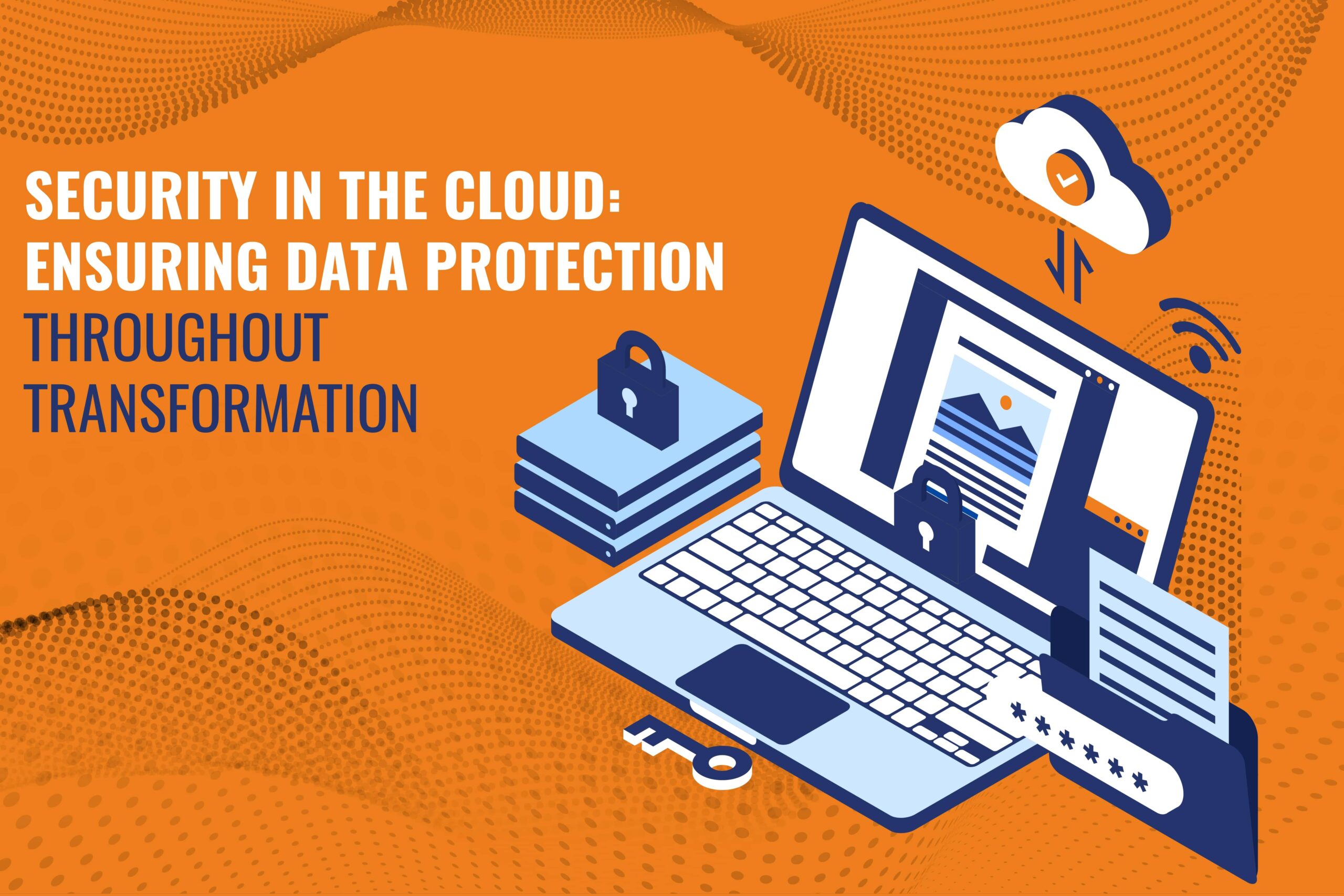
Businesses increasingly rely on cloud solutions in today’s technologically advanced environment to modernize their processes, increase scalability, and improve cost-efficiency. However, this change has its difficulties, especially regarding data security. Security in the Cloud ensures Data Protection Throughout Transformation. It examines the crucial components of data protection in the cloud setting.
For many organizations, the switch to cloud transformation is a strategic step. It provides adaptability, cost savings, and agility, enabling businesses to concentrate on their core capabilities. However, the need to preserve data’s confidentiality, integrity, and availability increases when it is spread out among more cloud servers. Understanding the shared responsibility paradigm is one of the fundamental tenets of cloud security. While the underlying infrastructure secures the cloud service providers (CSPs), organizations still safeguard their data, apps, and user access. This distinction shows the necessity of solid security procedures inside organizations.
A basic security technique that stands out is data encryption. It entails encrypting data, so unauthorized parties cannot read it in transit or at rest. The substantial access restrictions should be put in place to secure data further. Solutions for identity and access management (IAM) are essential for controlling user identities, roles, and permissions. Organizations can lower the risk of unauthorized data disclosure by adopting a least-privilege.
It has an access model that restricts user access to only required for their responsibilities.Businesses should engage in continuous security training and awareness programmes. Because they should know that human error still poses a severe security risk. These programmes inform staff members of the finest security procedures and reduce the dangers of social engineering assaults. So lastly, a cloud security strategy must include thorough incident response and disaster recovery strategies. In order to minimize downtime and data loss in the event of a breach, preparation for security incidents is just as important as prevention measures.
The way businesses function, store, and manage their data has changed as a result of the digital revolution. The transition to cloud computing has become a transformational force in this era of quick technical development. It delivers unmatched flexibility, scalability, and cost-efficiency. However, this change also brings new difficulties. It is the most essential requirement for robust cloud data security.
This blog will address tactics and best practices for protecting data during the transition process and complexities of cloud security. We will summarize the crucial components required for a robust cloud security posture. It also discusses deploying encryption, access restrictions, and compliance procedures.
The practices, technologies, policies, and procedures used in cloud computing environments to safeguard data. The applications and infrastructure are collectively referred to as cloud computing security. The confidentiality, integrity, and availability of data and stored or processed resources are cloud security’s main objectives. It deals with the security issues cloud computing raises since data and applications are stored on a remote. It servers that are controlled by cloud service providers (CSPs).
The cloud service provider (CSP) and the client share cloud security responsibilities. CSPs protect the cloud infrastructure, but customers must safeguard their data and applications within the cloud. The critical aspects of cloud security are discussed below.
Implementing robust security measures to protect data during transit between a user’s device. It is beneficial for a cloud server to be a critical focus for IT consulting services. This comprises firewalls, secure communications, and intrusion detection systems.
Compliance & Regulations: Ensuring that cloud installations adhere to rules and guidelines unique to the industry. For example, GDPR, HIPAA, depending on the type of data being handled and the sector in which the organization operates.
Security Monitoring and Incident Response: Constantly monitor cloud activity and resources to identify and address security concerns quickly. Security information and event management (SIEM) solutions are frequently employed to do this.
Here are some essential best practices for cloud security that are discussed below.
Data encryption and classification:
Managing identities and access (IAM):
Use the least privilege concept to provide users and programs the minimal degree of access they require for their tasks.
Update all programs, virtual machines, and cloud services with security patches to fix vulnerabilities.
Control incoming and outgoing traffic using firewalls and network security groups.Create network segments to separate sensitive information and resources.
Set up thorough tracking and monitoring to quickly identify and address security problems.Use centralized monitoring technologies such as security information and event management (SIEM). Both monitoring and logging are integral to maintaining the security and performance of modern IT environments.
Create a security breach or incident response strategy that outlines the responsibilities. Regularly practice the strategy to make sure it works.To protect your data and resources when utilizing cloud transformation services, you must put best practices for cloud security. The following section discusses a few security facets of cloud security.
To prevent unauthorized access, encrypt data in transit and at rest. Use reasonable essential management procedures and powerful encryption techniques. Encryption safeguards data from unauthorized access, ensuring that even if attackers gain access to the data, they cannot decipher its contents without the appropriate keys. Organizations and individuals should actively incorporate encryption into their data protection strategies to safeguard sensitive information.
IAM policies to limit user access to cloud resources. For increased security, use multi-factor authentication (MFA).Use virtual private networks (VPNs), firewalls, and network security groups to safeguard network traffic. Create network segments to separate sensitive resources.Setting up thorough recording and monitoring can help you find security issues and take appropriate action.
Put automatic data backup and recovery procedures in place. To assure data availability in the event of problems, test your disaster recovery strategy often.Maintaining all cloud services, virtual machines, and apps updated with security. It helps to update and address vulnerabilities, known as security patch management.
Perform security audits and assessments frequently to identify weaknesses and areas requiring improvement. To assess your security posture, use third-party penetration testing services.
So, adopting centralized monitoring technologies like Security Information and Event Management (SIEM) is essential in IT consulting services. It must be done with a strong emphasis on security and data protection. Organizations may effectively embrace the potential of the cloud while protecting their sensitive data throughout the transition process.
Creating a secure cloud environment hinges on collaboration as security. This is a shared responsibility between the organization and the cloud provider. For more information, visit our website.
Enterprise transformations are complex, high-stakes initiatives that often promise operational efficiency, digital modernization, and competitive advantage. Yet, despite meticulous planning and substantial investments, many transformation programs stumble—not because of technology, but because of people.
This is where change management becomes critical. Understanding why people resist change and applying effective strategies in transformation leadership can make the difference between a stalled project and a successful enterprise-wide transformation.
Read More
Artificial Intelligence (AI) is no longer a futuristic concept; it has become a cornerstone of modern business strategy. From automating routine tasks to generating insights from vast datasets, AI promises efficiency, innovation, and competitive advantage.
Yet, the rapid pace of AI adoption also brings uncertainty. Many executives struggle with defining their role in AI strategy, leading to stalled projects or missed opportunities. Understanding how leaders should think about AI is essential for turning technology into tangible business outcomes.
Read More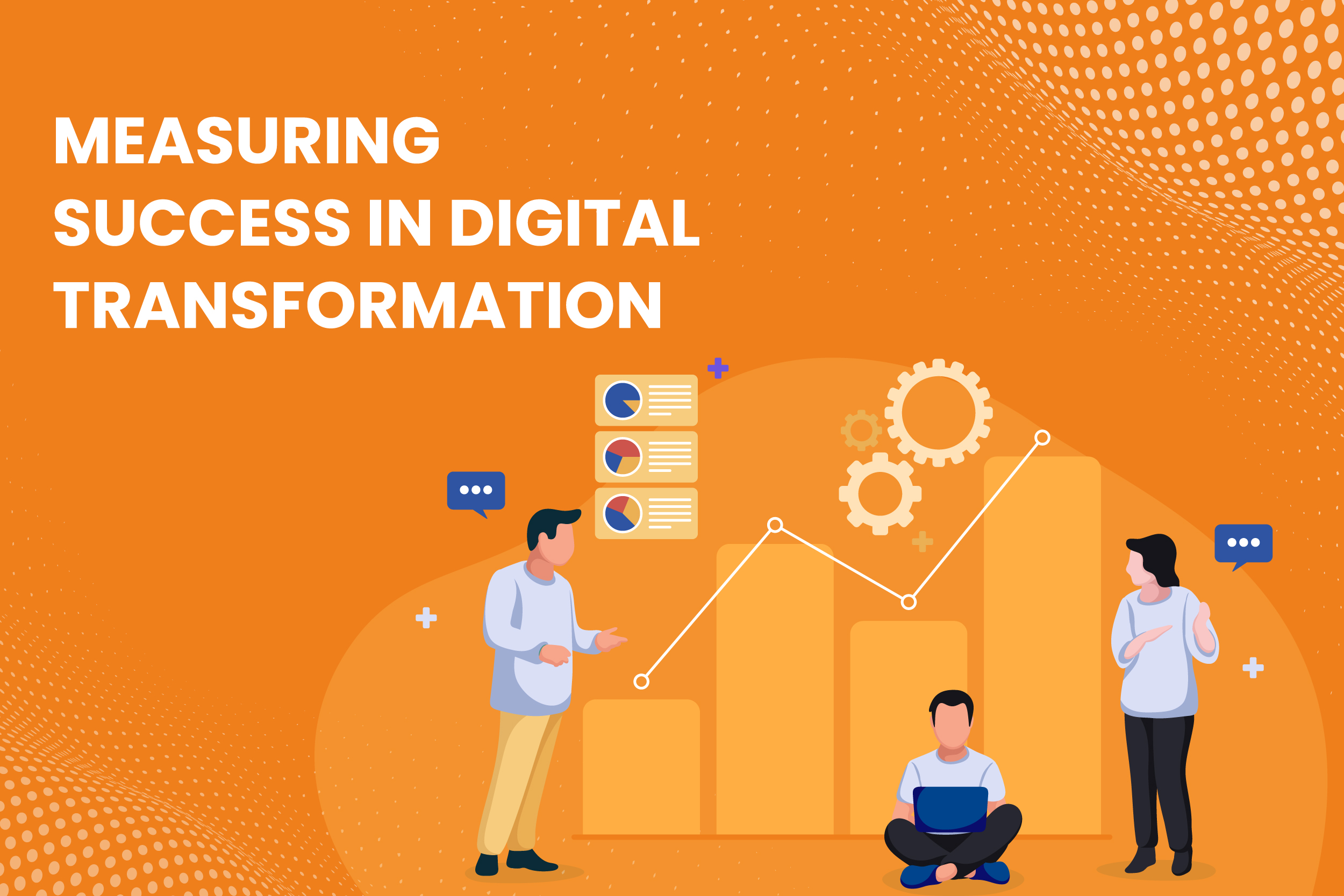
Digital transformation is no longer just a buzzword—it’s a necessity for businesses aiming to stay competitive in today’s fast-paced market. Organizations invest in cloud technologies, automation, AI, and customer-centric platforms to modernize operations and create value. But with so many initiatives underway, one pressing question arises: how to measure transformation success? Without clear metrics, companies risk investing heavily without knowing whether their efforts are truly paying off.
Measuring success in digital transformation goes beyond counting deployed tools or completed projects. It requires tracking meaningful indicators that reflect actual business outcomes, employee adoption, and customer impact. Defining transformation KPIs early in the journey ensures that initiatives stay aligned with strategic goals and deliver measurable value.
Read More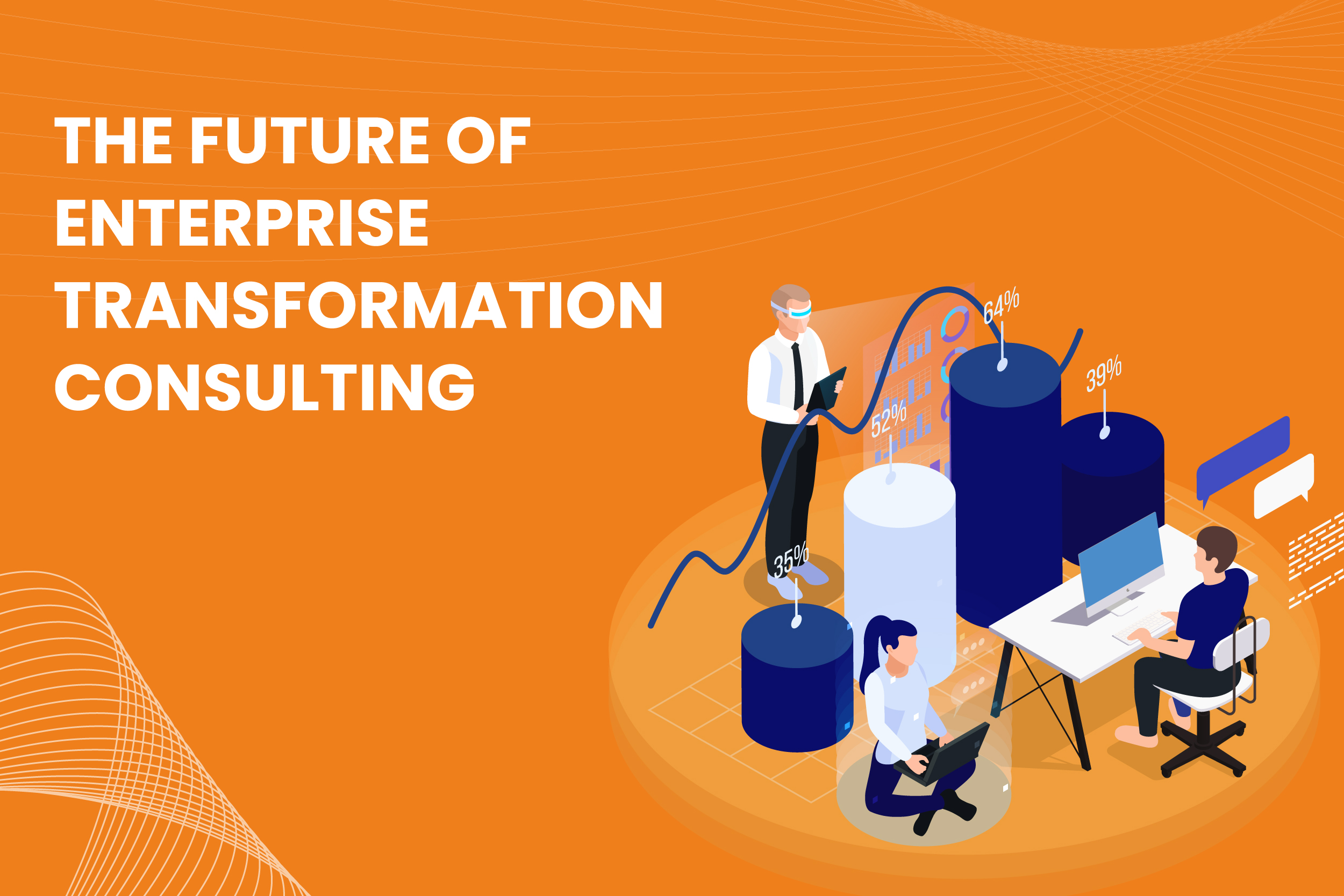
Enterprise transformation is no longer a niche service—it has become a critical driver for organizations seeking growth, agility, and resilience. Businesses today face unprecedented challenges: rapidly evolving technologies, shifting customer expectations, and complex global markets. In response, transformation consulting has evolved from offering generic recommendations to delivering highly specialized, strategic guidance that helps enterprises navigate this dynamic landscape.
Understanding how consulting is changing provides insights into what the future of enterprise transformation consulting looks like, and why companies are increasingly relying on experts to guide their transformational journeys.
Read More
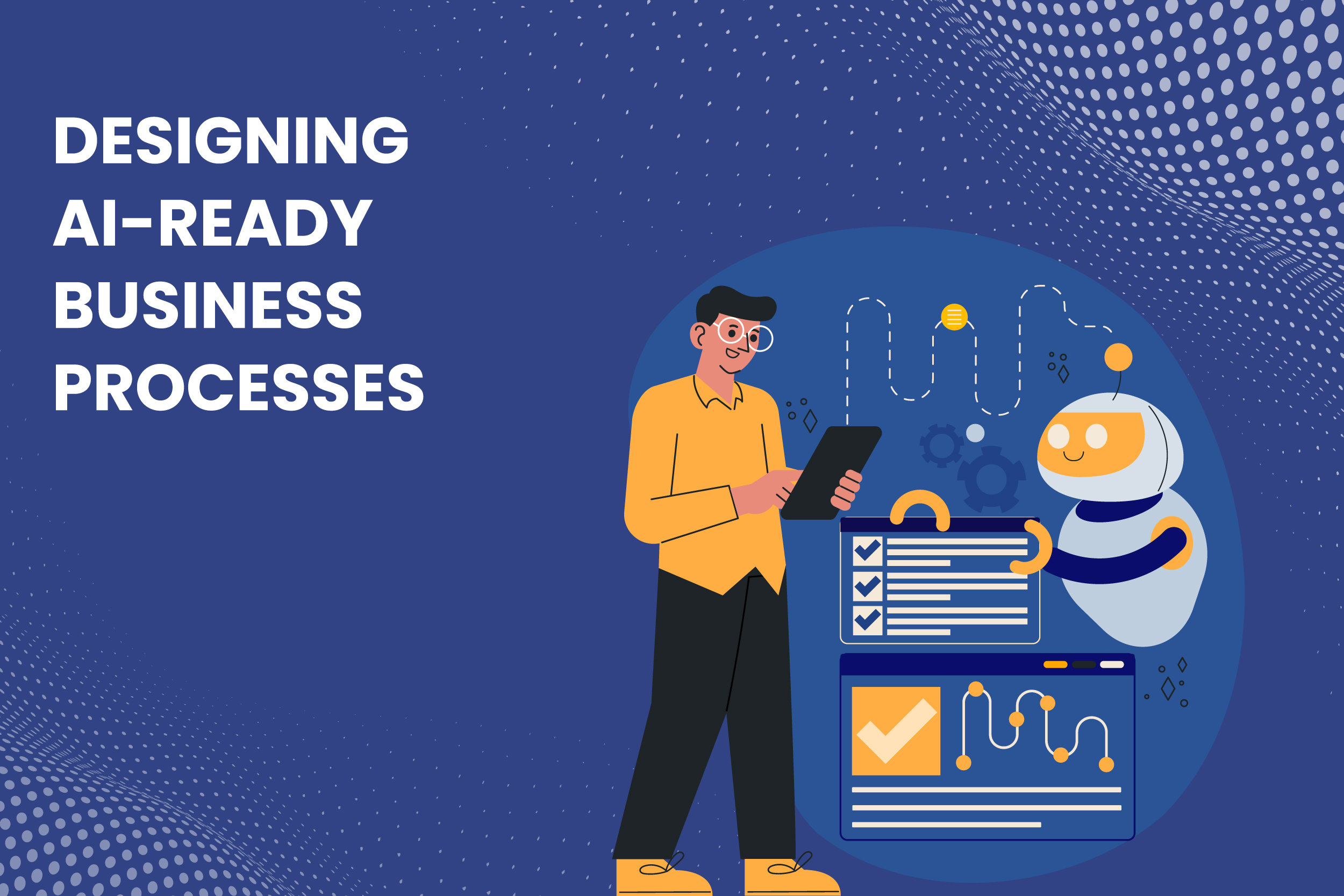
Artificial intelligence is quickly moving from experimentation to real business impact. Organizations are using AI to automate decisions, improve customer experiences, and extract insights from massive volumes of data. However, simply adopting AI tools does not guarantee success. Many companies discover that their existing workflows were never designed to support intelligent automation.
To unlock the full potential of AI, businesses must rethink how their processes are structured. This is where business process transformation becomes essential. Organizations need AI-ready processes that are structured, data-driven, and adaptable. Without these foundations, even the most advanced AI systems struggle to deliver value.
Understanding how to prepare processes for AI helps businesses build systems that are not only efficient today but also capable of evolving with future technologies.
Read More
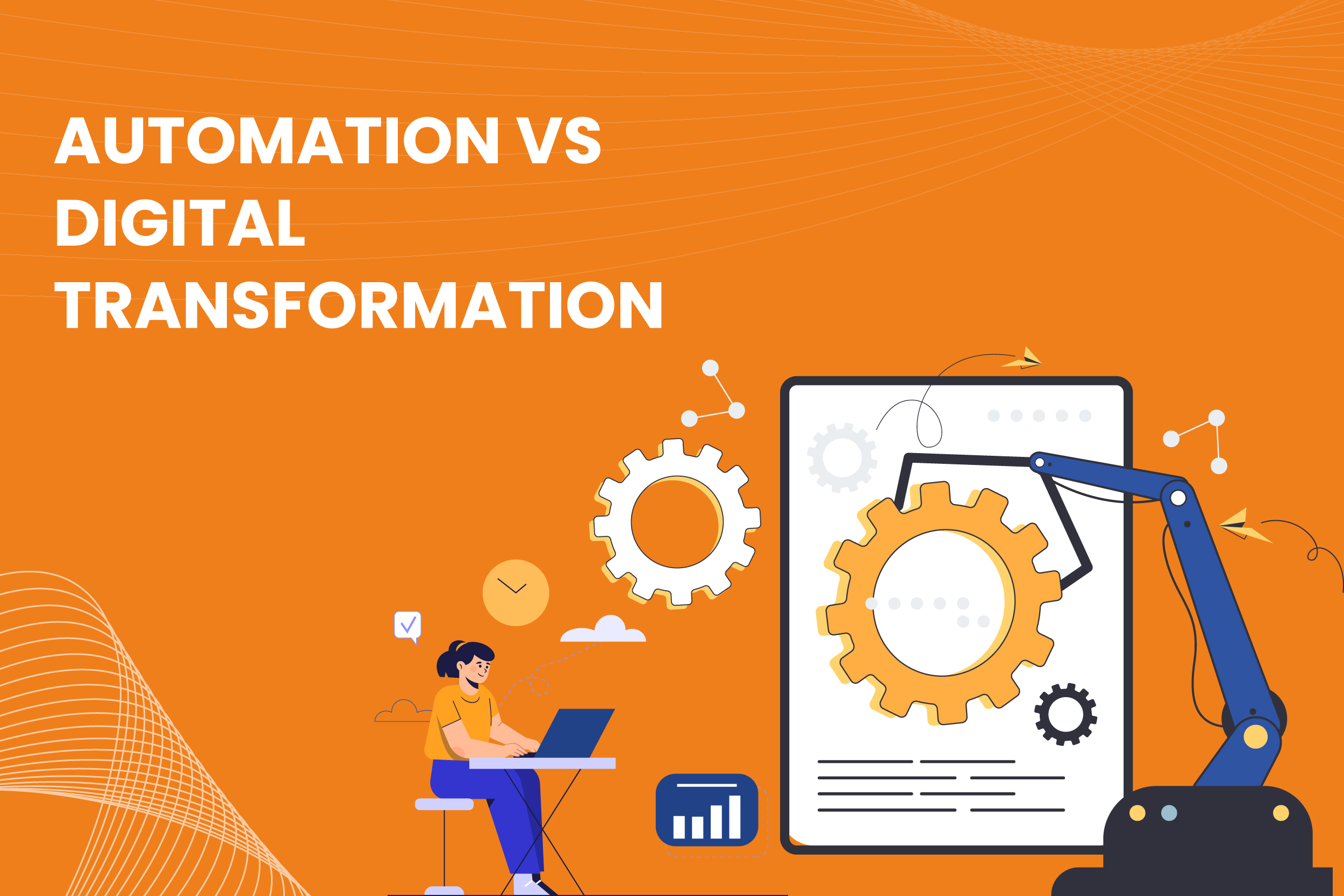
Businesses today are under constant pressure to move faster, operate efficiently, and deliver better customer experiences. In response, many organizations invest in automation tools and digital technologies. However, a common misunderstanding arises when companies assume automation alone equals transformation.
In reality, automation vs transformation is not a comparison of competing strategies. Instead, automation is a component of digital transformation, not the transformation itself. Understanding this distinction is essential for organizations that want to achieve meaningful and lasting change.
When leaders realize that automation is not digital transformation, they can approach technology adoption more strategically and avoid investing in tools that produce only limited impact.
Read More
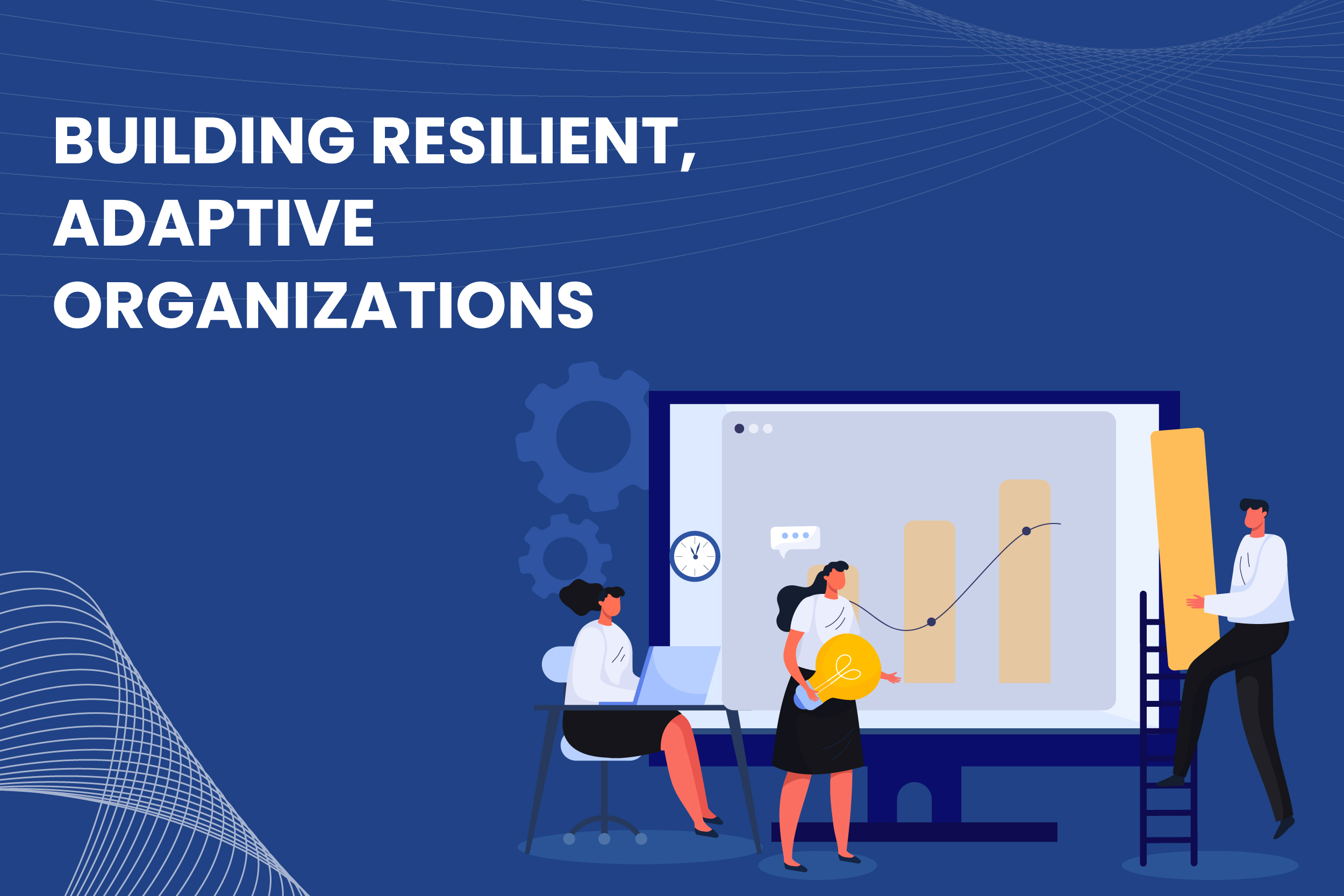
In today’s fast-paced business landscape, uncertainty is the only constant. From global economic shifts to rapid technological change, organizations face pressures that can disrupt operations, challenge growth, and threaten survival. In this environment, organizational resilience is no longer optional—it is essential. Companies that cultivate adaptability, foresight, and responsiveness are better equipped to thrive, even under the most challenging circumstances.
How companies stay resilient begins with a mindset that sees disruption not as a threat, but as an opportunity to learn, evolve, and innovate. Resilient organizations do more than recover from setbacks—they anticipate challenges, respond effectively, and emerge stronger.
Read More
In today’s fast-paced digital landscape, businesses must adapt to changing technologies and customer expectations to remain competitive. One of the most effective ways to achieve this adaptability is through digital transformation, which involves integrating digital technologies into all areas of a business. A critical component of this transformation is Enterprise Resource Planning (ERP) systems.
Read More
Implementing an SAP system can be a transformative step for organizations aiming to enhance their operational efficiency, streamline processes, and improve data visibility. However, success in an SAP implementation goes beyond simply completing the project on time and within budget. It involves measuring and analyzing key performance metrics that provide insight into how effectively the system is being utilized and whether it meets the organization’s objectives.
Read More
In today’s fast-paced business environment, efficient systems and processes are vital for success. Enterprise Resource Planning (ERP) systems like SAP are central to this, helping organizations streamline their operations, manage resources more effectively, and drive productivity.
However, ERP implementation is a complex and often challenging process that requires a skilled IT consulting partner to ensure success. Selecting the right IT consulting services for your ERP implementation, especially for SAP, can make the difference between seamless integration and costly disruptions.
Read More
Leave a Reply