
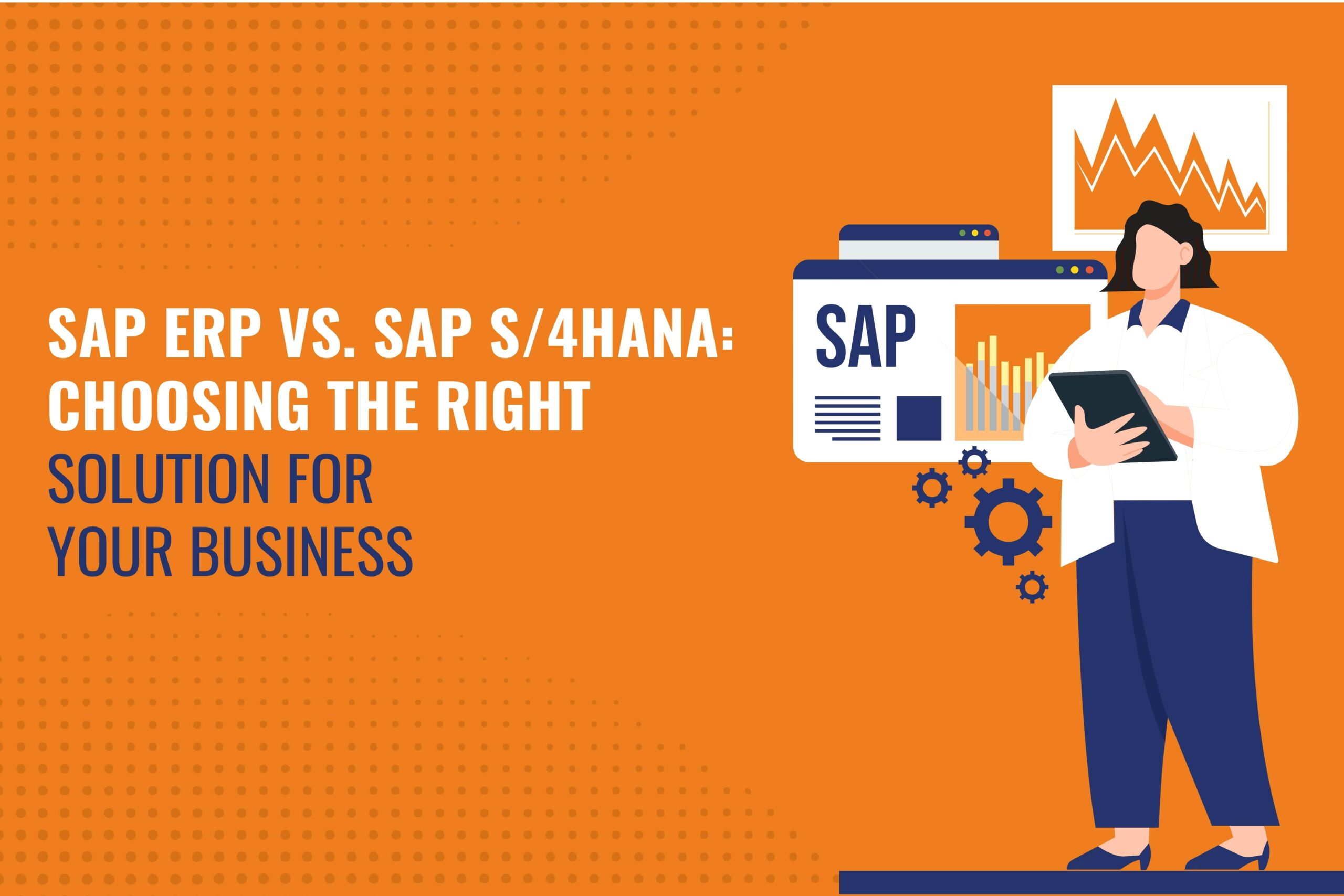
Are you feeling confused between SAP ERP and SAP S/4HANA? It is a complicated and extensive topic. Therefore, you need to consider everything carefully, before deciding the most suitable one.
ERP or enterprise resource planning, is one of the most vital aspects of any organization these days. To maintain proper order and functions of the business process, different programs, apps and software are used and SAP ERP is one of them. It is a discreet ERP solution that offers assistance with business management apps for every operation area under one umbrella. Therefore, if you are looking for ERP Implementation it is vital to gain a better understanding of the topic.
When you implement ERP within your organization, it helps elevate operational visibility, supports sustainable business growth and gains better efficiency resulting in achieving your business goals and objectives.
Now that the idea about ERP and what it does has become a little clearer, it is time to explore other aspects and variations of the software. For example, the focus now will be on SAP S/4HANA. The first thing in this context is to know what SAP S/4HANA is. It is a comprehensive ERP solution designed to support large, enterprise-level organizations in different industries. ERP helps businesses manage its most pressing challenges through its various ready-to-work processes. SAP S/4HANA comes with automatic updates ensuring that your system remains up-to-date and synced with the latest industry developments. It also comes with AI and ML for smoother running of your business and maximum efficiency. Hiring SAP consulting services can help you here.
When you have the analysis of two programs readily available, it helps you to evaluate the merits and demerits of implementing both. As a result, you can decide which one suits you better and make a decision. For example, here you will get to know about the pros and cons of ERP and SAP Implementation. Based on that information, you will be able to decide the best choice for your business, helping you enjoy the benefits. The analysis of these two programs will give you the following advantages:
SAP ERP and SAP S/4HANA can be segmented into eight primary business modules, depicting the level of support each discrete ERP offers. The functionalities of numerous rival ERP solutions and consolidated reports of their features to construct a model of the typical capabilities of discrete ERPs can be clearly seen through these details. These details will not only help with a comparison between SAP ERP and S/4HANA but also in the broader market. SAP ERP and SAP S/4HANA’s performance unfolds as follows:
SAP ERP encompasses a comprehensive financial management and accounting module and holds a slight edge over SAP S/4HANA. However, it’s noteworthy that SAP S/4HANA boasts a comprehensive accounting module, enabling businesses of all sizes and industries to accurately monitor and document diverse financial transactions.
Both SAP ERP and SAP S/4HANA offer comparable modules in HR. The report’s HR module delves into various sub-modules helping with personnel and employee management, including reward administration, budgeting, disciplinary action oversight and more.
Both SAP ERP and SAP S/4HANA showcase analogous manufacturing management modules. The Comparison Report outlines both systems’ manufacturing capabilities in a feature-specific manner. It will reveal the exact functions that facilitate the configuration and production of a wide array of finished products and components.
SAP ERP features an exhaustive inventory management module, while SAP S/4HANA trails a little in this section. Both options offer above-average functionality in this domain, featuring well-structured inventory management sub-modules that encompass reservations and allocation support, inventory reporting, and the ability to manage products and goods across multiple locations.
Both the ERP solutions will empower users to procure the raw materials for product manufacturing and maintain optimal stock levels. Both SAP ERP and SAP S/4HANA come with comprehensive procurement modules advantageous for any business.
The quality management modules of both SAP ERP and SAP S/4HANA and highly capable and they enable users to manage procurement tasks, including supplier oversight, compliance management, reporting, payments, and receipt administration. This adds to the smooth functioning of the business.
Both SAP and ERP Implementation come with several sales management features than the typical ERP competitor, though you will find that SAP ERP slightly outperforms SAP S/4HANA in this context. This feature offers the ability of each product to track leads, convert quotations into active invoices, monitor orders, and more.
Both SAP ERP and SAP S/4HANA provide greater support for product technology than all their average competitors. The product technology metric shows the IT architecture of all the products, including the capacity for third-party system integration, database support, security features, and mobile accessibility.
After going through all these details and comparisons, the next question is, when it comes to SAP implementation, which solution will suit you the best? The answer to that is a little more elaborate than you initially thought. It is vital to remember that SAP ERP and SAP S/4HANA are helping thousands of organizations around the world every day. The most suitable option between them will depend on the unique requirements and challenges of your business. You will also have to consider points such as goals, resources, and priorities of your business, along with functional technical requirements. It is necessary that you consider several factors that will contribute to the ROI of your organization, before making any decisions. The sample metrics you will have to consider in this context are:
Once you have analyzed the whole thing based on these points and also the other factors necessary and unique to your business, the requirements will become clearer. That will lead you to gain a more comprehensive perspective of the subject and possible decisions. Based on these details, you will be able to select the best ERP solution for your business. If you think that all these steps and details are proving to be complicated and confusing, then you can seek assistance from SAP consulting services providers. They will professionally analyze your business process, understand the challenges and goals and based on that, they will make a suggestion. They will be able to tell if you need SAP ERP or SAP S/4HANA.
For many organizations, legacy systems are both a foundation and a barrier. These older technologies once powered growth, managed operations, and supported critical business functions. Over time, however, they often become difficult to maintain, expensive to update, and incompatible with modern tools. As markets evolve and customer expectations rise, businesses increasingly recognize the need for legacy modernization.
Read More
Digital transformation promises speed, innovation, and competitive advantage. Yet, despite heavy investments in new technologies, many organizations struggle to achieve meaningful results. In fact, digital transformation failure is more common than most companies expect. Businesses launch ambitious initiatives to modernize systems, adopt AI, or improve customer experiences, but somewhere along the way, momentum fades.
Understanding why digital transformations fail requires looking beyond technology. The real problems often lie in strategy, culture, leadership, and execution. When these elements are misaligned, even the most advanced tools cannot deliver transformation.
Below are some of the most common enterprise transformation challenges that cause digital initiatives to stall or collapse.
Read More
Artificial intelligence is quickly moving from experimentation to enterprise-wide implementation. Many organizations have already tested AI through pilot projects, automation tools, or analytics platforms. The next step—scaling AI across the organization—promises greater efficiency, smarter decision-making, and new business opportunities.
However, expanding AI initiatives without the right structure can create confusion rather than progress. Disconnected tools, unclear governance, and untrained teams often turn promising projects into operational headaches. For companies pursuing enterprise AI adoption, the real challenge is learning how to scale AI safely while maintaining control, consistency, and trust.
Successfully scaling AI requires thoughtful planning, strong governance, and a focus on people as much as technology.
Read More
Businesses evolve constantly. Markets change, customer expectations rise, and new technologies reshape how companies operate. To keep up, organizations often need more than new tools or strategies—they need to rethink how the entire business functions. This is where operating model transformation comes in.
While the phrase may sound complex, the concept is actually quite simple. It is about redesigning how a company works so that it can deliver value more efficiently, adapt faster, and support long-term growth.
Understanding what is an operating model transformation helps leaders make better decisions about people, processes, and technology.
Read More
Enterprise transformations are complex, high-stakes initiatives that often promise operational efficiency, digital modernization, and competitive advantage. Yet, despite meticulous planning and substantial investments, many transformation programs stumble—not because of technology, but because of people.
This is where change management becomes critical. Understanding why people resist change and applying effective strategies in transformation leadership can make the difference between a stalled project and a successful enterprise-wide transformation.
Read More
Artificial Intelligence (AI) is no longer a futuristic concept; it has become a cornerstone of modern business strategy. From automating routine tasks to generating insights from vast datasets, AI promises efficiency, innovation, and competitive advantage.
Yet, the rapid pace of AI adoption also brings uncertainty. Many executives struggle with defining their role in AI strategy, leading to stalled projects or missed opportunities. Understanding how leaders should think about Artificial Intelligence is essential for turning technology into tangible business outcomes.
Read More
Digital transformation is no longer just a buzzword—it’s a necessity for businesses aiming to stay competitive in today’s fast-paced market. Organizations invest in cloud technologies, automation, AI, and customer-centric platforms to modernize operations and create value. But with so many initiatives underway, one pressing question arises: how to measure transformation success? Without clear metrics, companies risk investing heavily without knowing whether their efforts are truly paying off.
Measuring success in digital transformation goes beyond counting deployed tools or completed projects. It requires tracking meaningful indicators that reflect actual business outcomes, employee adoption, and customer impact. Defining transformation KPIs early in the journey ensures that initiatives stay aligned with strategic goals and deliver measurable value.
Read More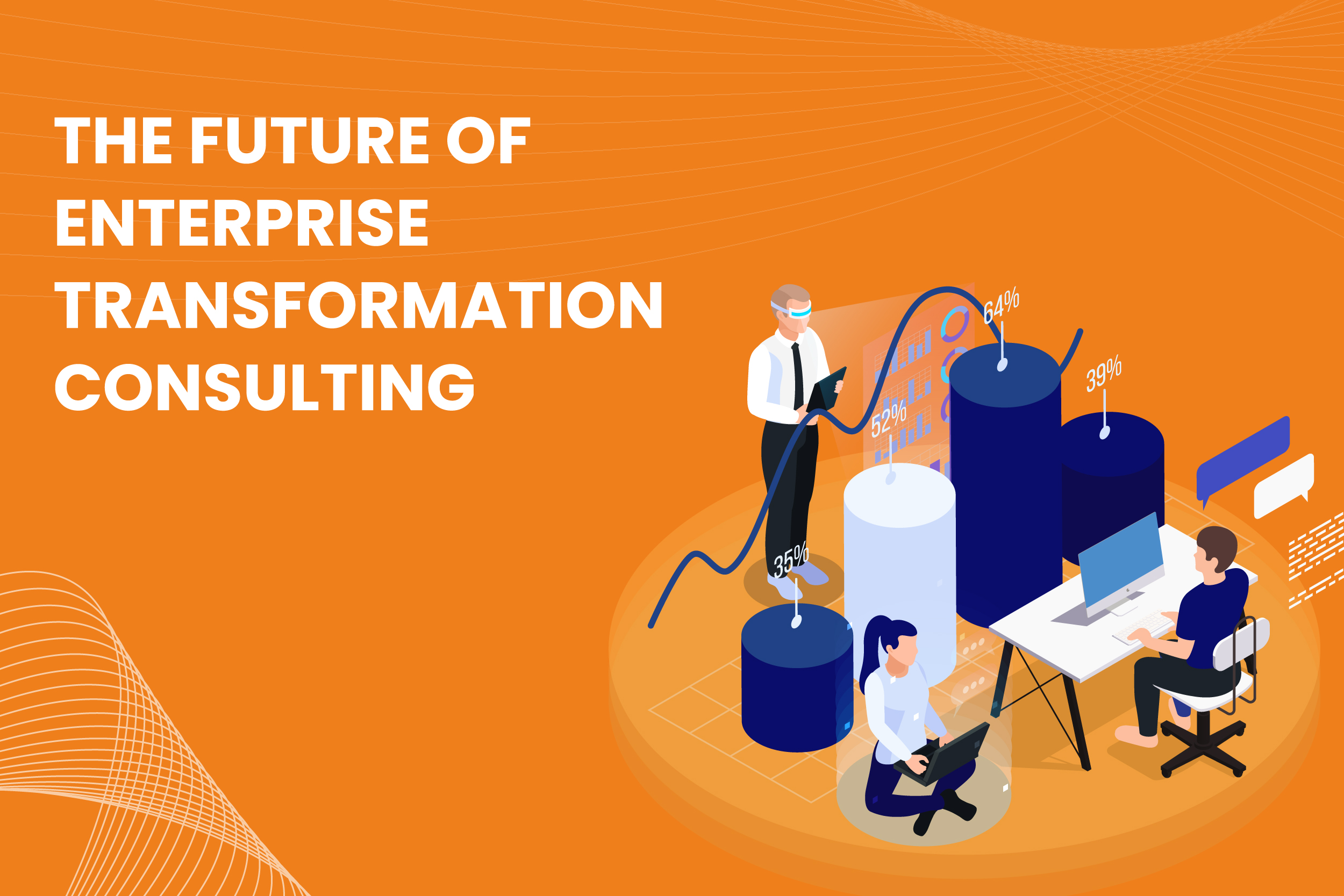
Enterprise transformation is no longer a niche service—it has become a critical driver for organizations seeking growth, agility, and resilience. Businesses today face unprecedented challenges: rapidly evolving technologies, shifting customer expectations, and complex global markets. In response, transformation consulting has evolved from offering generic recommendations to delivering highly specialized, strategic guidance that helps enterprises navigate this dynamic landscape.
Understanding how consulting is changing provides insights into what the future of enterprise transformation consulting looks like, and why companies are increasingly relying on experts to guide their transformational journeys.
Read More
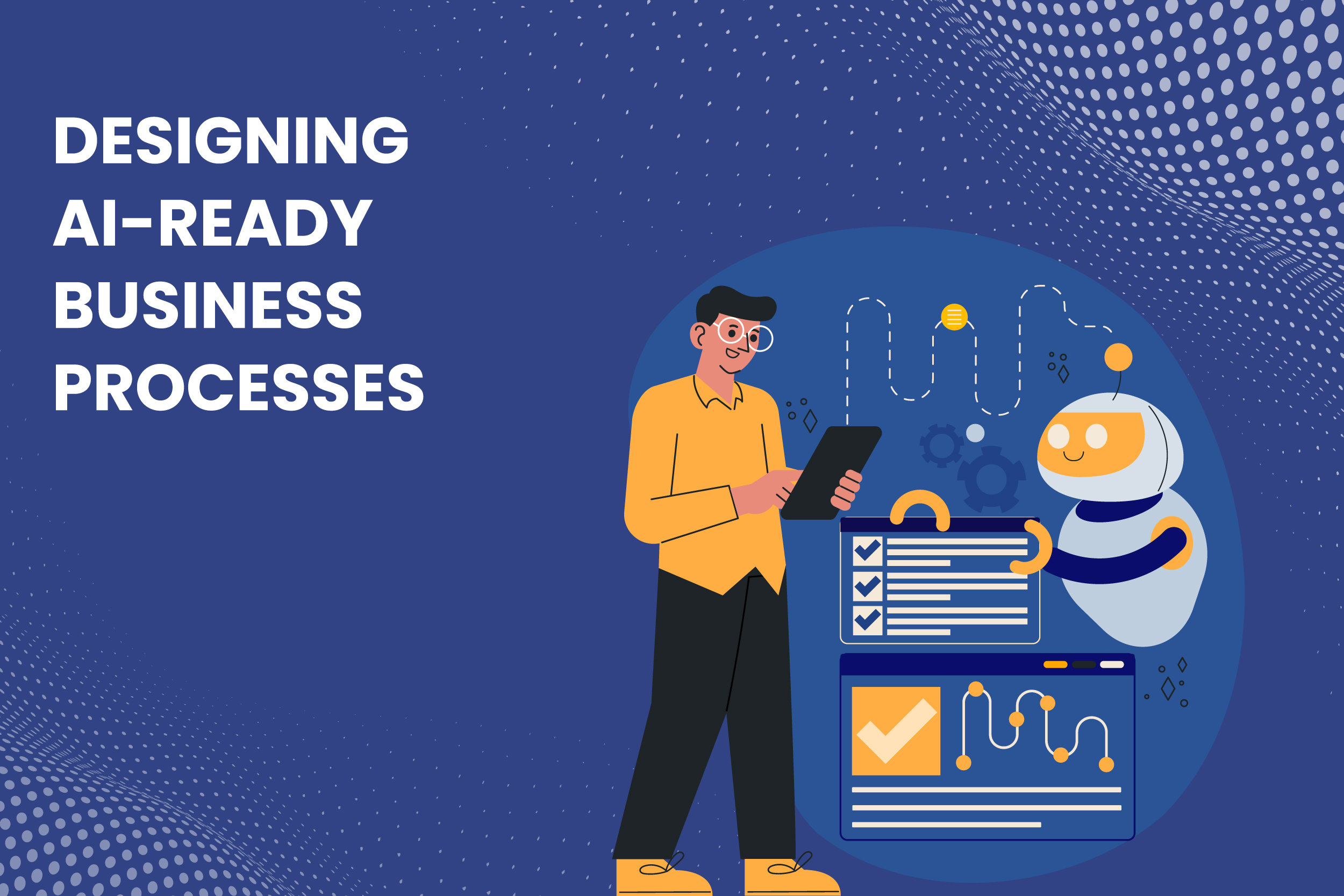
Artificial intelligence is quickly moving from experimentation to real business impact. Organizations are using AI to automate decisions, improve customer experiences, and extract insights from massive volumes of data. However, simply adopting AI tools does not guarantee success. Many companies discover that their existing workflows were never designed to support intelligent automation.
To unlock the full potential of AI, businesses must rethink how their processes are structured. This is where business process transformation becomes essential. Organizations need AI-ready processes that are structured, data-driven, and adaptable. Without these foundations, even the most advanced AI systems struggle to deliver value.
Understanding how to prepare processes for AI helps businesses build systems that are not only efficient today but also capable of evolving with future technologies.
Read More
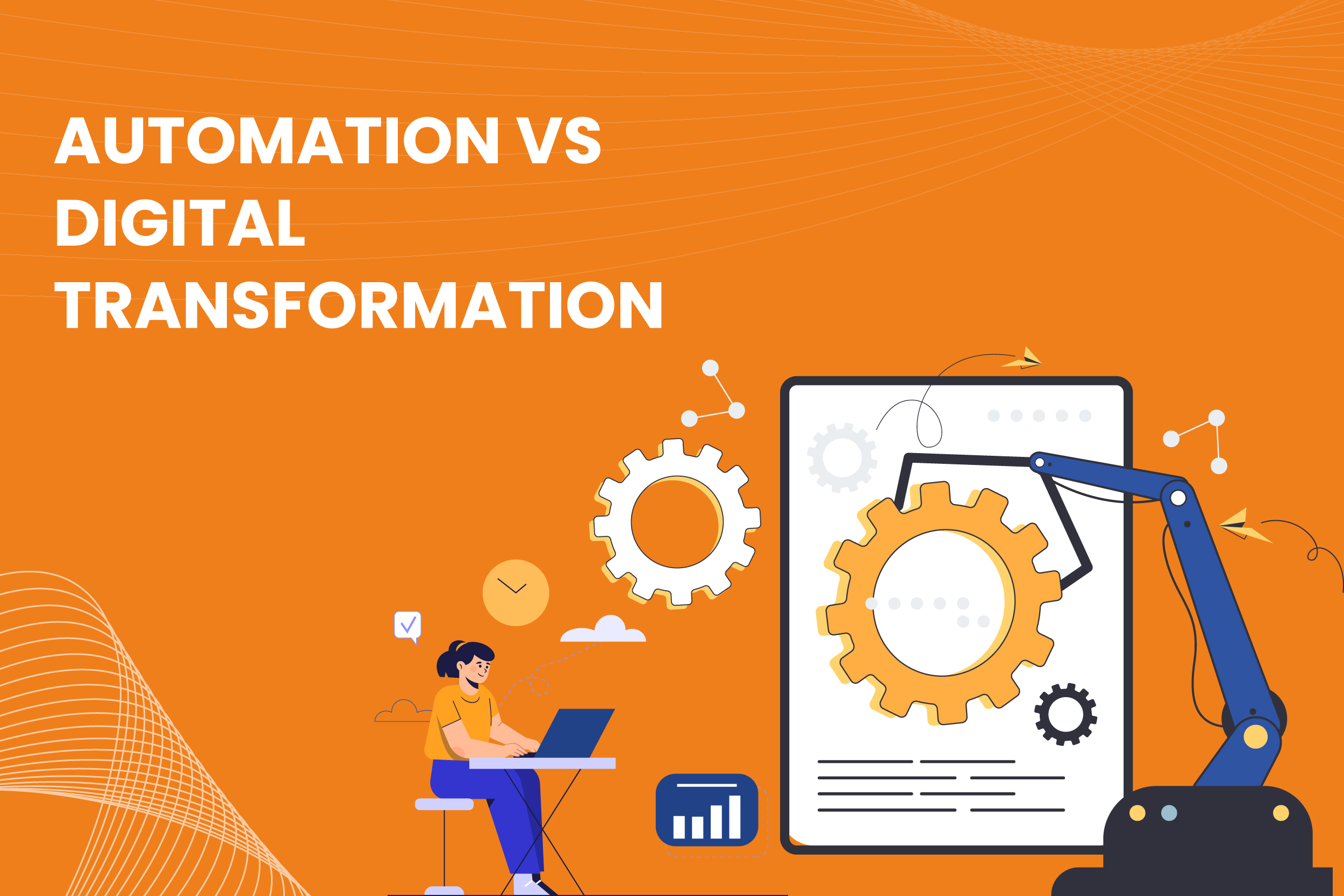
Businesses today are under constant pressure to move faster, operate efficiently, and deliver better customer experiences. In response, many organizations invest in automation tools and digital technologies. However, a common misunderstanding arises when companies assume automation alone equals transformation.
In reality, automation vs transformation is not a comparison of competing strategies. Instead, automation is a component of digital transformation, not the transformation itself. Understanding this distinction is essential for organizations that want to achieve meaningful and lasting change.
When leaders realize that automation is not digital transformation, they can approach technology adoption more strategically and avoid investing in tools that produce only limited impact.
Read More

Leave a Reply