
SAP Implementation has become a necessity for all organizations to become agile and to reduce risks. Costs which are incurred should be mitigated for a successful implementation.
SAP ERP implementation transforms the company digitally and upgrades the existing obsolete systems and it also helps to create new business opportunities.
SAP consulting services in the USA are providing these services as many companies are migrating their operations to a digital environment.
SAP Implementation helps to make the company more agile in its operations, but issues like enhancement and upgrades in existing systems poses a problem that is why alerts, business intelligence should be at the center of this implementation.
For this implementation to work, the core of it is not the software but the implementation team that makes it successful and many reasons can cause it to fail like time delays, incurring additional costs, time and in- house support.
Identify an implementation partner in the USA who is capable of completing the project. You may not have the kind of necessary experience in-house to successfully integrate SAP. An SAP implementation partner can help with this.
A qualified Implementation partner will handle the different issues that arise during the implementation plan using their technology competence and business skills. It will also make sure that the project is on track.
Before signing the contract, choose a SAP implementation provider who knows your organization, has expertise working with businesses of your size, and asks for recommendations.
Processes must be at the center of your implementation strategy. When a new system is implemented, it is common for the whole focus to be on important features and functionalities.
Processes that are influenced by the entrance of these new systems receive little to no attention.
A transformative technology like SAP ERP will also have a huge influence on your systems and processes, so think about the risks, requirements, and adjustments you’ll need to make to better align the system and processes which is required in many processes like SAP data migration etc.
The staff will play a vital role in the success of the SAP ERP deployment. People with cross-functional skills, team players, and problem solvers should make up the team.
Providers of SAP consulting services provide the best solutions for SAP data migration & implementation that helps to reduce risks and costs effectively.
Choose industry and local experts for software, business processes, and implementation. In a business like yours, always interview references.
Don’t push out-of-date technology to its limits. Remove old, out-of-date standalone systems and integrate all information into a database with created business intelligence for global performance as much as feasible.
Businesses in the USA must frequently integrate systems between corporate units, including with customers and suppliers, in the digital economy. Verify that agencies offering SAP consulting services have cloud integrate skills and supplier network expertise.
Keep the scope of the project from expanding.
Because it’s usual for demands and opportunities to emerge throughout an SAP data migration or implementation process, it’s critical to keep track of variation in order to avoid delays and cost overruns.
Confirm that their expertise is consistent across all of your locations.
One needs help with training, implementation, and support from a variety of sources, including local management, software vendors, consulting firms, and your software partner.
Maintain a focus on the entire cost of ownership. Manage your entire costs – and advantages over time to save expenditures and increase profits. Keep in mind that the introduction of the ERP system will have a certain impact on the organization.
Match the company’s direction and avoid making unnecessary process adjustments.
Many firms are under pressure to adapt how they operate to accommodate their software, which increases both implementation and ongoing costs.
Concentrate on the typical business operations that add significant value to an organization. Routine processes include managing customer orders, revising prices, introducing innovative goods / processes, modifying manufacturing specifics, and onboarding new personnel.
Instead of customizing the user interface, take advantage of the flexible user interface, dashboards, alerts, workflows, business intelligence, and mobile features. With these tools,
you may streamline work across all departments and make quick, cost-effective changes as needed and this helps in SAP data migration as well.
Data leaks and system attacks are costly. If you need to access the internet, adopt a safe cloud ERP solution – make sure your software and technology providers offer a variety of software security deployment alternatives.
Providers of SAP consulting services in the USA are helping companies and organizations to become more agile in their operations and digitally transform themselves to suit the needs of their customers.
IDTCS has experienced SAP experts who can help make your company drive innovative transformation. Schedule a consultation call with our in-house team today to know more about SAP services & solutions.
For many organizations, legacy systems are both a foundation and a barrier. These older technologies once powered growth, managed operations, and supported critical business functions. Over time, however, they often become difficult to maintain, expensive to update, and incompatible with modern tools. As markets evolve and customer expectations rise, businesses increasingly recognize the need for legacy modernization.
Read More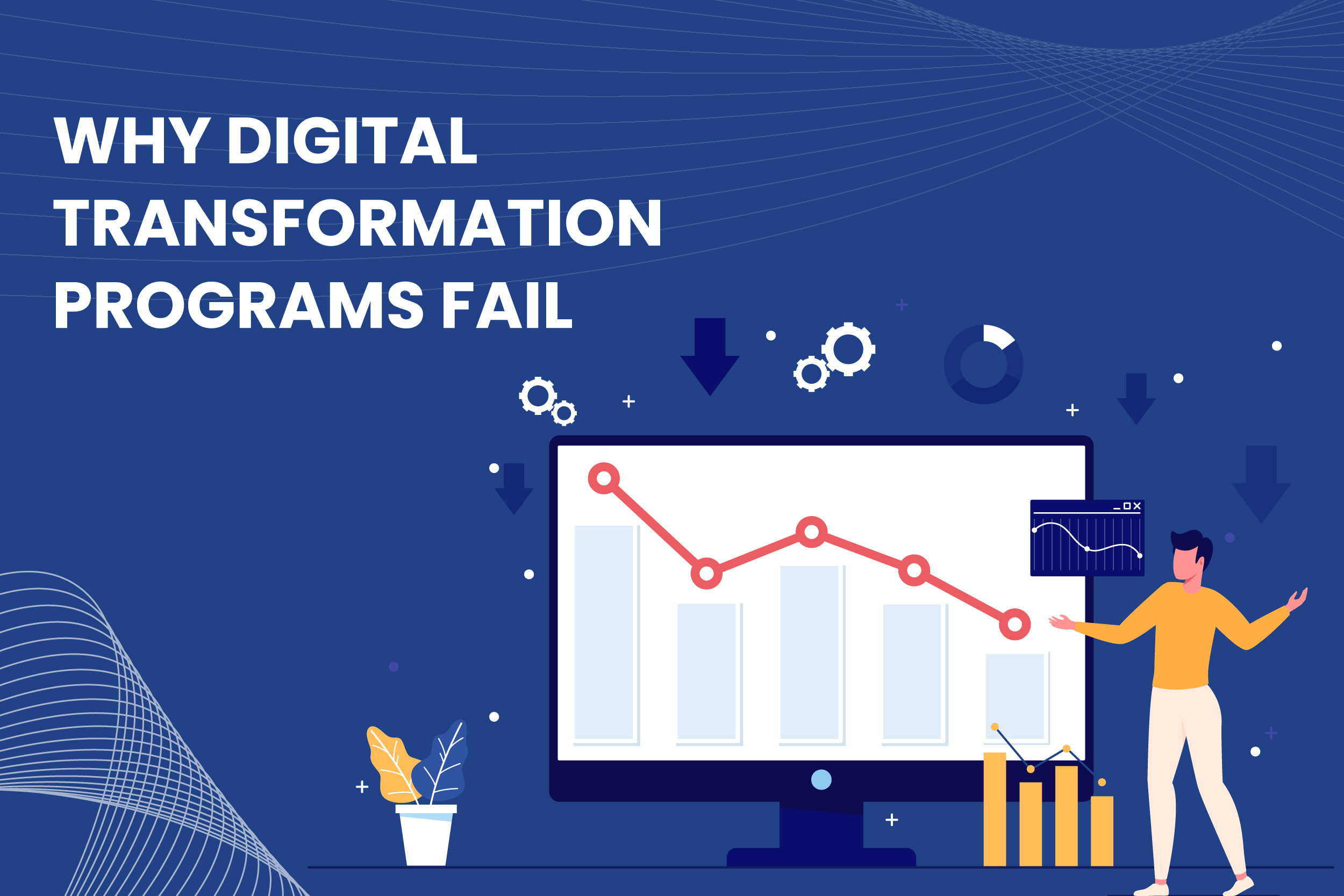
Digital transformation promises speed, innovation, and competitive advantage. Yet, despite heavy investments in new technologies, many organizations struggle to achieve meaningful results. In fact, digital transformation failure is more common than most companies expect. Businesses launch ambitious initiatives to modernize systems, adopt AI, or improve customer experiences, but somewhere along the way, momentum fades.
Understanding why digital transformations fail requires looking beyond technology. The real problems often lie in strategy, culture, leadership, and execution. When these elements are misaligned, even the most advanced tools cannot deliver transformation.
Below are some of the most common enterprise transformation challenges that cause digital initiatives to stall or collapse.
Read More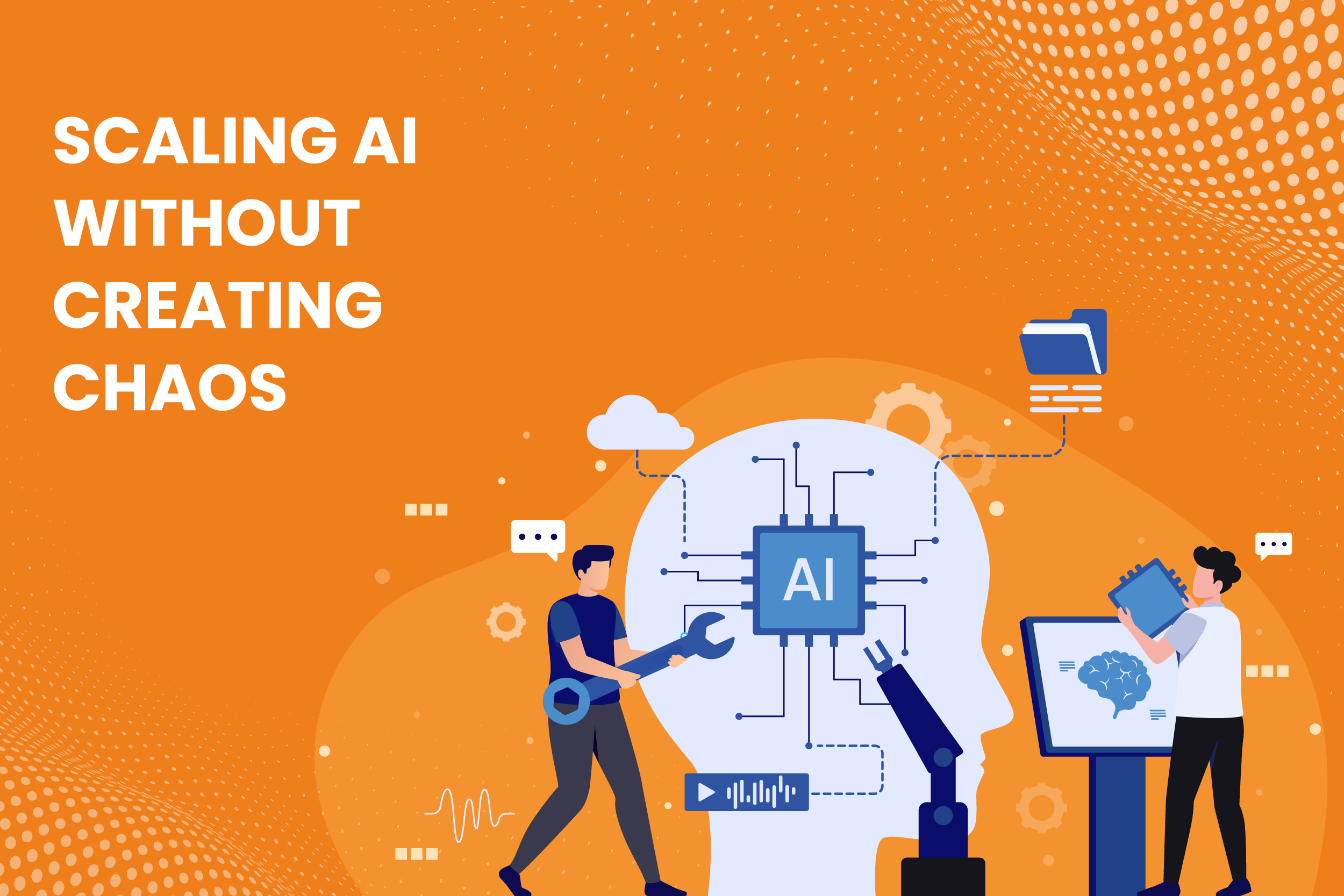
Artificial intelligence is quickly moving from experimentation to enterprise-wide implementation. Many organizations have already tested AI through pilot projects, automation tools, or analytics platforms. The next step—scaling AI across the organization—promises greater efficiency, smarter decision-making, and new business opportunities.
However, expanding AI initiatives without the right structure can create confusion rather than progress. Disconnected tools, unclear governance, and untrained teams often turn promising projects into operational headaches. For companies pursuing enterprise AI adoption, the real challenge is learning how to scale AI safely while maintaining control, consistency, and trust.
Successfully scaling AI requires thoughtful planning, strong governance, and a focus on people as much as technology.
Read More
Businesses evolve constantly. Markets change, customer expectations rise, and new technologies reshape how companies operate. To keep up, organizations often need more than new tools or strategies—they need to rethink how the entire business functions. This is where operating model transformation comes in.
While the phrase may sound complex, the concept is actually quite simple. It is about redesigning how a company works so that it can deliver value more efficiently, adapt faster, and support long-term growth.
Understanding what is an operating model transformation helps leaders make better decisions about people, processes, and technology.
Read More
Enterprise transformations are complex, high-stakes initiatives that often promise operational efficiency, digital modernization, and competitive advantage. Yet, despite meticulous planning and substantial investments, many transformation programs stumble—not because of technology, but because of people.
This is where change management becomes critical. Understanding why people resist change and applying effective strategies in transformation leadership can make the difference between a stalled project and a successful enterprise-wide transformation.
Read More
Artificial Intelligence (AI) is no longer a futuristic concept; it has become a cornerstone of modern business strategy. From automating routine tasks to generating insights from vast datasets, AI promises efficiency, innovation, and competitive advantage.
Yet, the rapid pace of AI adoption also brings uncertainty. Many executives struggle with defining their role in AI strategy, leading to stalled projects or missed opportunities. Understanding how leaders should think about Artificial Intelligence is essential for turning technology into tangible business outcomes.
Read More
Digital transformation is no longer just a buzzword—it’s a necessity for businesses aiming to stay competitive in today’s fast-paced market. Organizations invest in cloud technologies, automation, AI, and customer-centric platforms to modernize operations and create value. But with so many initiatives underway, one pressing question arises: how to measure transformation success? Without clear metrics, companies risk investing heavily without knowing whether their efforts are truly paying off.
Measuring success in digital transformation goes beyond counting deployed tools or completed projects. It requires tracking meaningful indicators that reflect actual business outcomes, employee adoption, and customer impact. Defining transformation KPIs early in the journey ensures that initiatives stay aligned with strategic goals and deliver measurable value.
Read More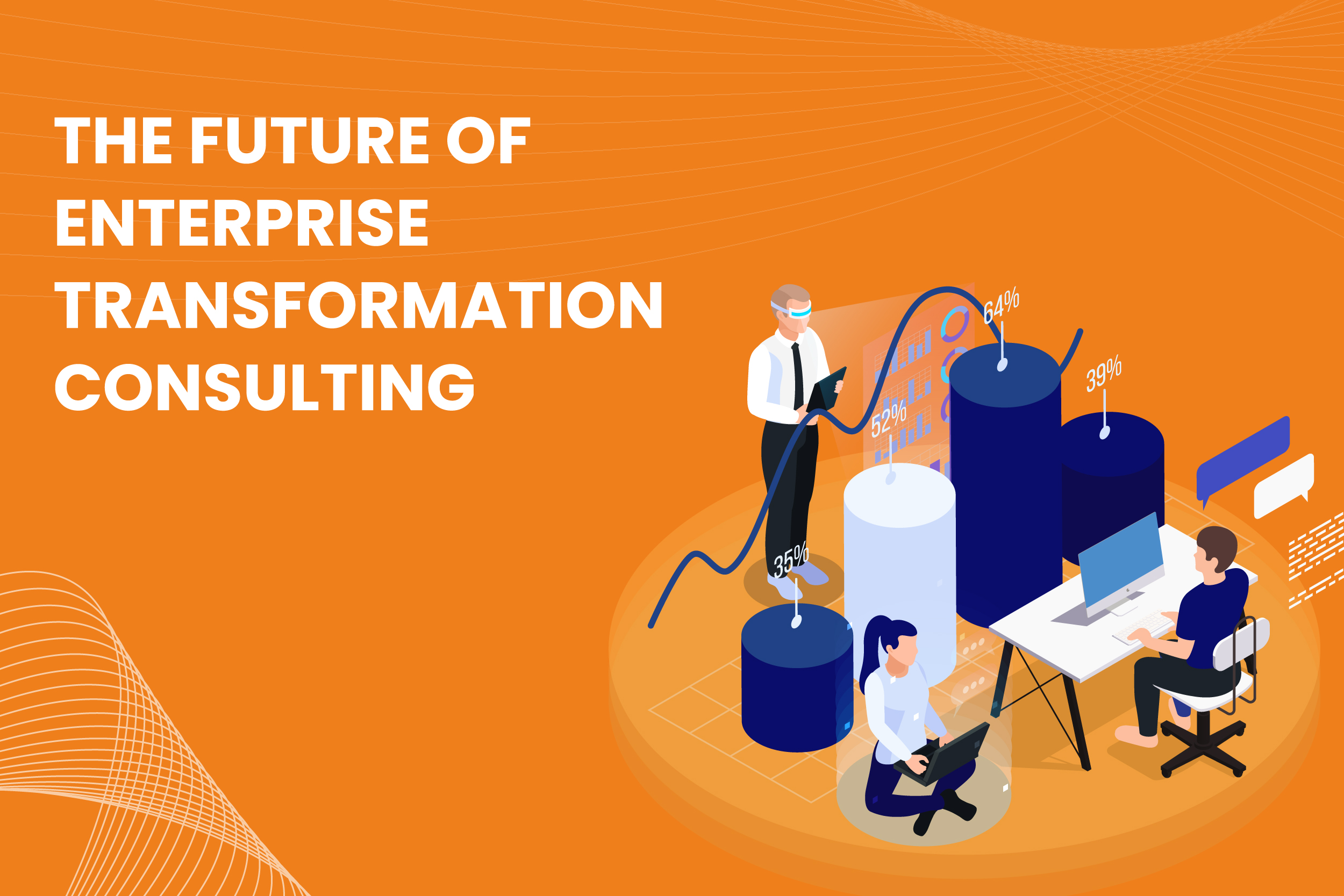
Enterprise transformation is no longer a niche service—it has become a critical driver for organizations seeking growth, agility, and resilience. Businesses today face unprecedented challenges: rapidly evolving technologies, shifting customer expectations, and complex global markets. In response, transformation consulting has evolved from offering generic recommendations to delivering highly specialized, strategic guidance that helps enterprises navigate this dynamic landscape.
Understanding how consulting is changing provides insights into what the future of enterprise transformation consulting looks like, and why companies are increasingly relying on experts to guide their transformational journeys.
Read More
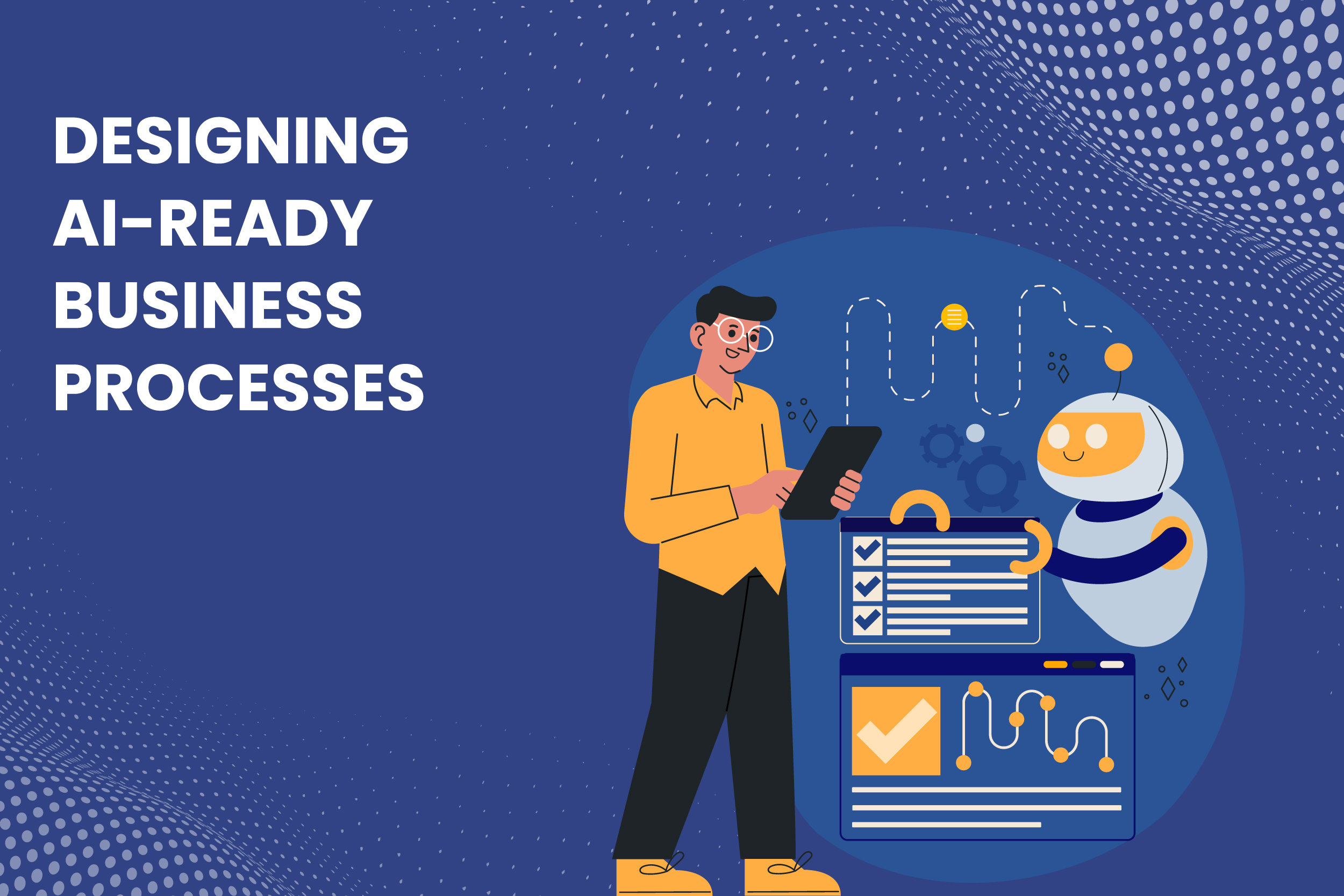
Artificial intelligence is quickly moving from experimentation to real business impact. Organizations are using AI to automate decisions, improve customer experiences, and extract insights from massive volumes of data. However, simply adopting AI tools does not guarantee success. Many companies discover that their existing workflows were never designed to support intelligent automation.
To unlock the full potential of AI, businesses must rethink how their processes are structured. This is where business process transformation becomes essential. Organizations need AI-ready processes that are structured, data-driven, and adaptable. Without these foundations, even the most advanced AI systems struggle to deliver value.
Understanding how to prepare processes for AI helps businesses build systems that are not only efficient today but also capable of evolving with future technologies.
Read More
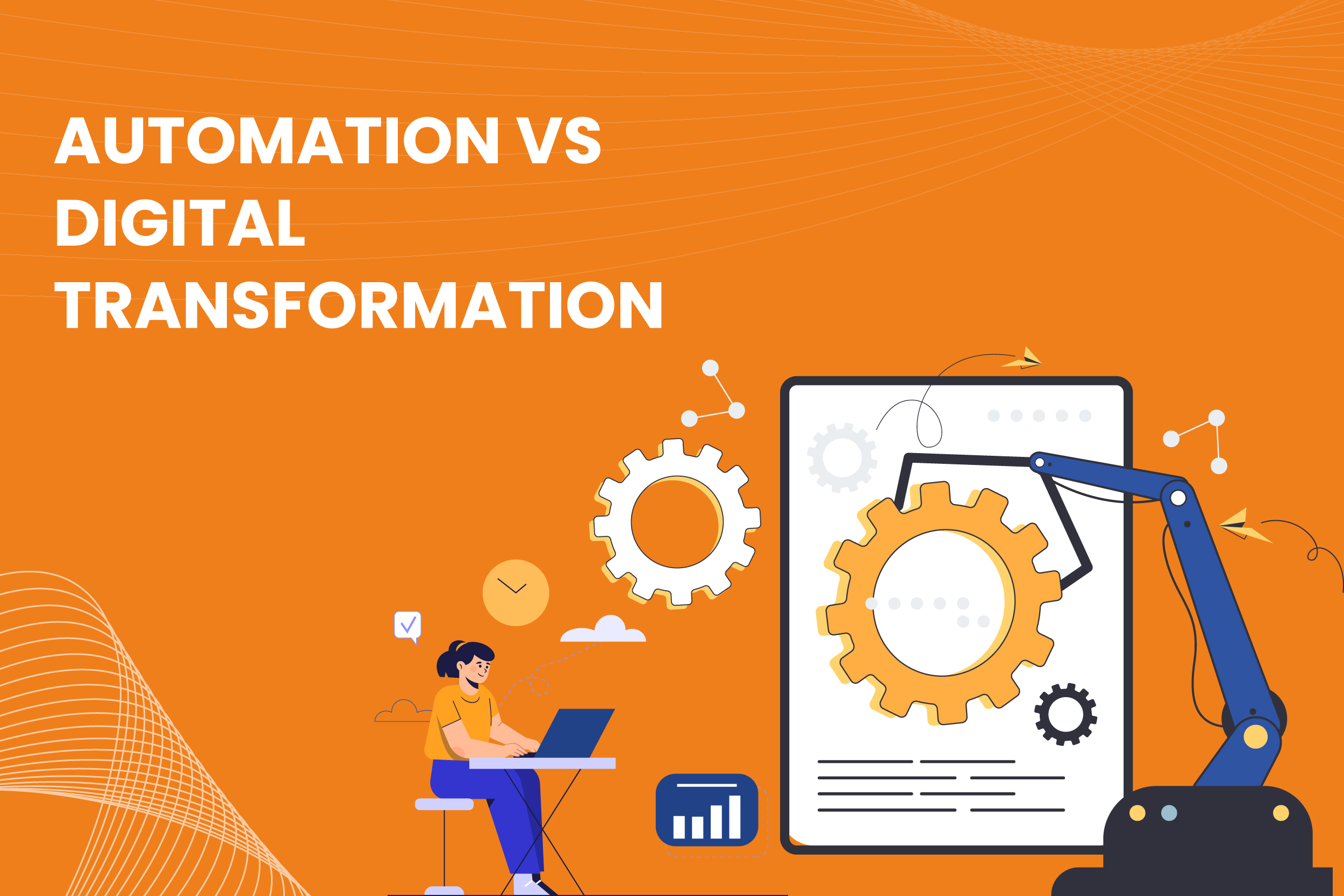
Businesses today are under constant pressure to move faster, operate efficiently, and deliver better customer experiences. In response, many organizations invest in automation tools and digital technologies. However, a common misunderstanding arises when companies assume automation alone equals transformation.
In reality, automation vs transformation is not a comparison of competing strategies. Instead, automation is a component of digital transformation, not the transformation itself. Understanding this distinction is essential for organizations that want to achieve meaningful and lasting change.
When leaders realize that automation is not digital transformation, they can approach technology adoption more strategically and avoid investing in tools that produce only limited impact.
Read More

Leave a Reply