
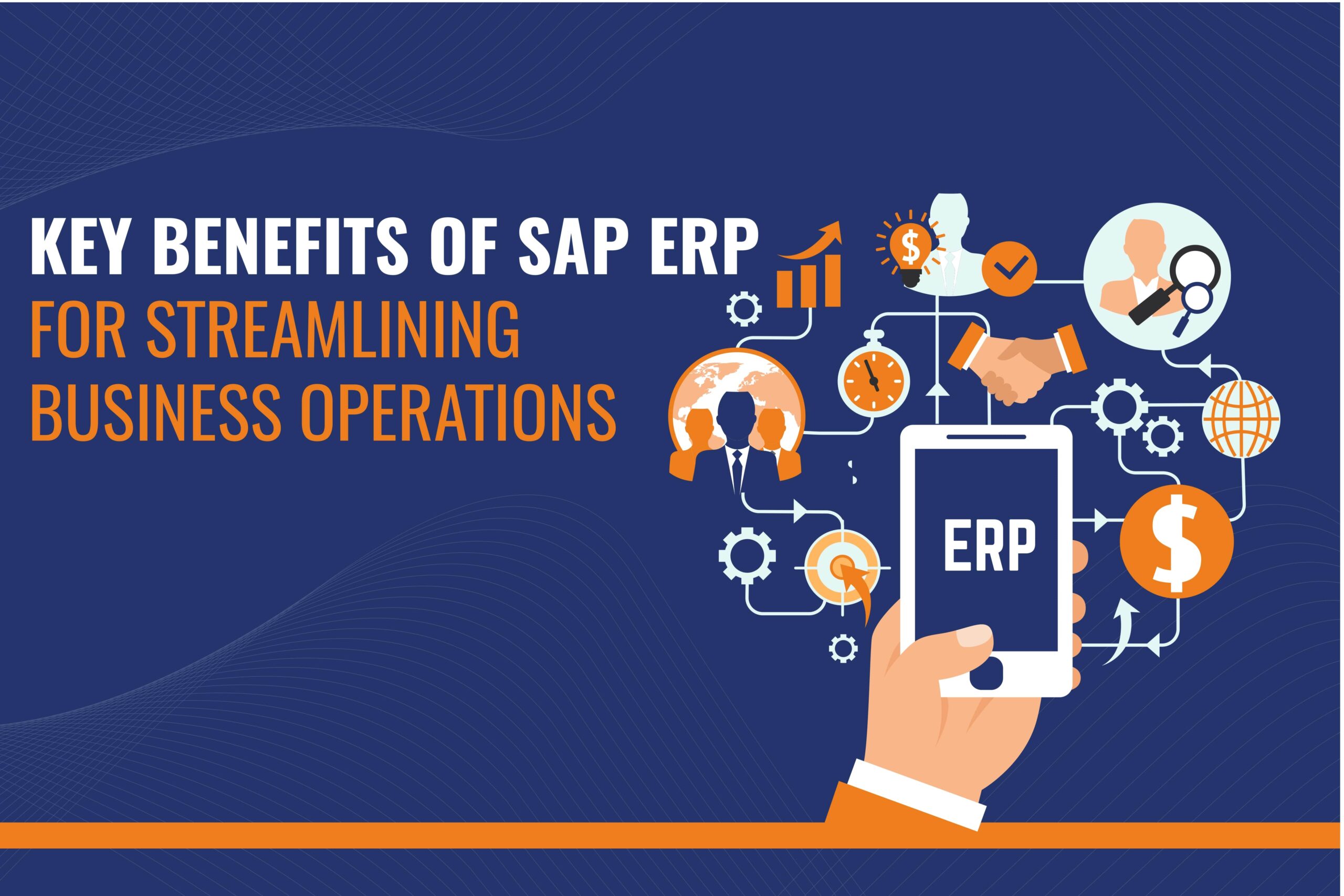
SAP ERP provides firms with many critical advantages for simplifying operations, including improved productivity, adaptability to changing conditions. Enterprise Resource Planning is a comprehensive software program that provides several significant advantages for optimizing corporate processes in various sectors. With its comprehensive, integrated applications it enhances efficiency, openness, and competitiveness in the organization. It helps to manage the organization in a better way.
The capacity of SAP ERP to centralize data and operations is one of its main benefits. SAP ERP reduces data silos and offers immediate access to vital information by integrating multiple corporate operations. Because of this centralization, decision-makers can make decisions more quickly and accurately since they can access current and reliable data.
Experience Process Standardization and Automation with SAP Consulting Services for ERP setup. Efficiency rises as manual activities reduce, and workflows simplify as a result. Additionally, automation lowers the possibility of mistakes, improving the general effectiveness of corporate operations. Standardization facilitates the promotion of consistency and adherence to industry norms. It ensures the uniform use of best practices across the organization.
Better supply chain and inventory management are also made possible by SAP ERP. Businesses can decrease surplus inventory, slash carrying costs, and improve customer service including their demand. Inventory optimization, and supplier collaboration is essential for the development of the organization. As a result, it enhances the supply chain’s agility and visibility. SAP ERP also provides extensive analytics and reporting capabilities that facilitate data-driven decision-making in addition to these benefits.
Users can generate customized reports and dashboards to get insights into key performance indicators and monitor progress towards strategic goals. So, SAP ERP is expandable and flexible to changing company requirements. It is appropriate for small and large firms since it can handle growth and expansion. Moreover, it can help those firms to secure their positions in the market. It fosters efficiency, enhances customer relationships, and ensures compliance while accommodating scalability and data security needs.
SAP implementation can have a profound impact on a company’s competitiveness in the modern business environment. This is where SAP ERP (Enterprise Resource Planning) comes into play as a revolutionary solution. It provides a full-featured set of tools designed to simplify operations, boost efficiency, and spur development.
Do you want to know the benefits of SAP ERP streamlining business operations? If yes, In this article, we go into the core of SAP ERP to reveal its many advantages, showing how it acts as a catalyst for businesses. They optimize their operation and eventually prosper in an environment. It helps to enhance competition in the organization.
Due to their numerous advantages, enterprise resource planning (ERP) systems are essential for firms in various industries. Here are some reasons why ERP is crucial to your company:
ERP Implementation systems combine and centralize information and operations from diverse divisions, facilitating effective communication and teamwork. By removing data silos, this integration improves overall effectiveness.
ERP makes access to vital company data and analytics in real-time possible. This makes it possible to make data-driven, educated decisions, which aids organizations in quickly adapting to changing circumstances.
Streamlining operations occurs through the automation of regular activities and procedures via ERP, reducing the risk of human mistakes. Operations are simplified as a result, and productivity is increased.
ERP systems give users a thorough understanding of all aspects of a company’s operations, including finances, inventories, sales, and more. Organizations can better monitor and manage their processes thanks to this visibility.
Many ERP systems include CRM components that help companies run sales, marketing, and customer interactions more effectively.
Using ERP to manage the supply chain effectively, like cost reductions, shortened lead times, and enhanced supplier relationships. Customers will receive their orders on time thanks to this.
Financial modules for accounting, financial reporting, budgeting, and compliance are included in ERP systems. The financial stability of an organization depends on effective financial management.
Enterprise resource planning software, or SAP implementation, has several advantages for various business sectors. The intention behind these advantages is to improve productivity, facilitate strategic decision-making, and streamline corporate processes. The following are some significant benefits of installing SAP ERP:
“Advanced data management” describes businesses’ methods, tools, and techniques to efficiently gather, store, process, analyze, and safeguard their data. Advanced data management is essential in today’s data-driven world for maximizing the power of data to inform business choices, uncover new information, and uphold data security and integrity. Such as Data governance guarantees that data is reliable, consistent, and lawful. Creating data distribution and access policies is a part of data management.
The capacity to obtain desired outputs or outcomes while reducing costs or resource utilization is referred to as being “cost-efficient.” Cost-effectiveness is crucial for companies and organizations since it directly impacts profitability, competitiveness, and sustainability. Improve productivity through streamlining procedures, workflows, and processes to decrease waste and duplication of labor. Lean and Six Sigma are two examples of approaches for continuous process improvement that are frequently employed. A crucial component of any consulting services of SAP engagement is cost-effectiveness.
Businesses and organizations that want to maximize productivity, reduce waste, and boost overall effectiveness must prioritize improving performance efficiency. Encourage staff to find and implement projects that will increase efficiency in a culture of continual improvement. Therefore, lean Six Sigma, and Kaizen-style methodologies are helpful for ongoing development. Compare the performance indicators for your company to industry standards and best practices. Determine areas that need improvement and performance gaps.
SAP implementation is very adaptable to the varying demands of enterprises across several sectors and geographical locations. Customizability is a desired quality in various situations, such as software, goods, and services, because it enables people or organizations to modify and improve solutions to their unique requirements. Users frequently have the flexibility to customize user interfaces, processes, and settings in highly configurable software products to suit their tastes.
The widely used ERP system SAP ERP (Enterprise Resource Planning) is famous for its full complement of business applications. Although SAP ERP has numerous advantages, it also has a unique set of difficulties. The following are some typical issues with the adoption and use of SAP ERP:
SAP ERP is notoriously complicated, which may make deployment and continuous maintenance difficult. Organizations could find it challenging to comprehend and tailor the system to their own requirements.
Implementing SAP ERP can be expensive due to licensing fees, hardware needs, customizations, training expenses, and ongoing maintenance charges. Budget overruns happen often.
Adapting SAP ERP to a company’s particular procedures can be difficult and expensive. Therefore over-customization might make it challenging to update and maintain the system.
It might be challenging to integrate SAP ERP with pre-existing systems and outside applications. It might be difficult to move data between systems and achieve smooth data flow.
So, making educated judgments and streamlining processes are crucial in today’s fast-paced and constantly changing company environment. Enterprise resource planning software, or SAP ERP implementation, has proven to be a powerful friend for businesses looking to realize their full potential. SAP ERP gives organizations the tools and capabilities they need to optimize their operations, obtain real-time insights, and soar to new levels of success. We have seen throughout this examination of the main advantages of SAP ERP how this revolutionary system acts as a catalyst for enhanced operations and long-term expansion. For more information visit our website.
Enterprise transformations are complex, high-stakes initiatives that often promise operational efficiency, digital modernization, and competitive advantage. Yet, despite meticulous planning and substantial investments, many transformation programs stumble—not because of technology, but because of people.
This is where change management becomes critical. Understanding why people resist change and applying effective strategies in transformation leadership can make the difference between a stalled project and a successful enterprise-wide transformation.
Read More
Artificial Intelligence (AI) is no longer a futuristic concept; it has become a cornerstone of modern business strategy. From automating routine tasks to generating insights from vast datasets, AI promises efficiency, innovation, and competitive advantage.
Yet, the rapid pace of AI adoption also brings uncertainty. Many executives struggle with defining their role in AI strategy, leading to stalled projects or missed opportunities. Understanding how leaders should think about AI is essential for turning technology into tangible business outcomes.
Read More
Digital transformation is no longer just a buzzword—it’s a necessity for businesses aiming to stay competitive in today’s fast-paced market. Organizations invest in cloud technologies, automation, AI, and customer-centric platforms to modernize operations and create value. But with so many initiatives underway, one pressing question arises: how to measure transformation success? Without clear metrics, companies risk investing heavily without knowing whether their efforts are truly paying off.
Measuring success in digital transformation goes beyond counting deployed tools or completed projects. It requires tracking meaningful indicators that reflect actual business outcomes, employee adoption, and customer impact. Defining transformation KPIs early in the journey ensures that initiatives stay aligned with strategic goals and deliver measurable value.
Read More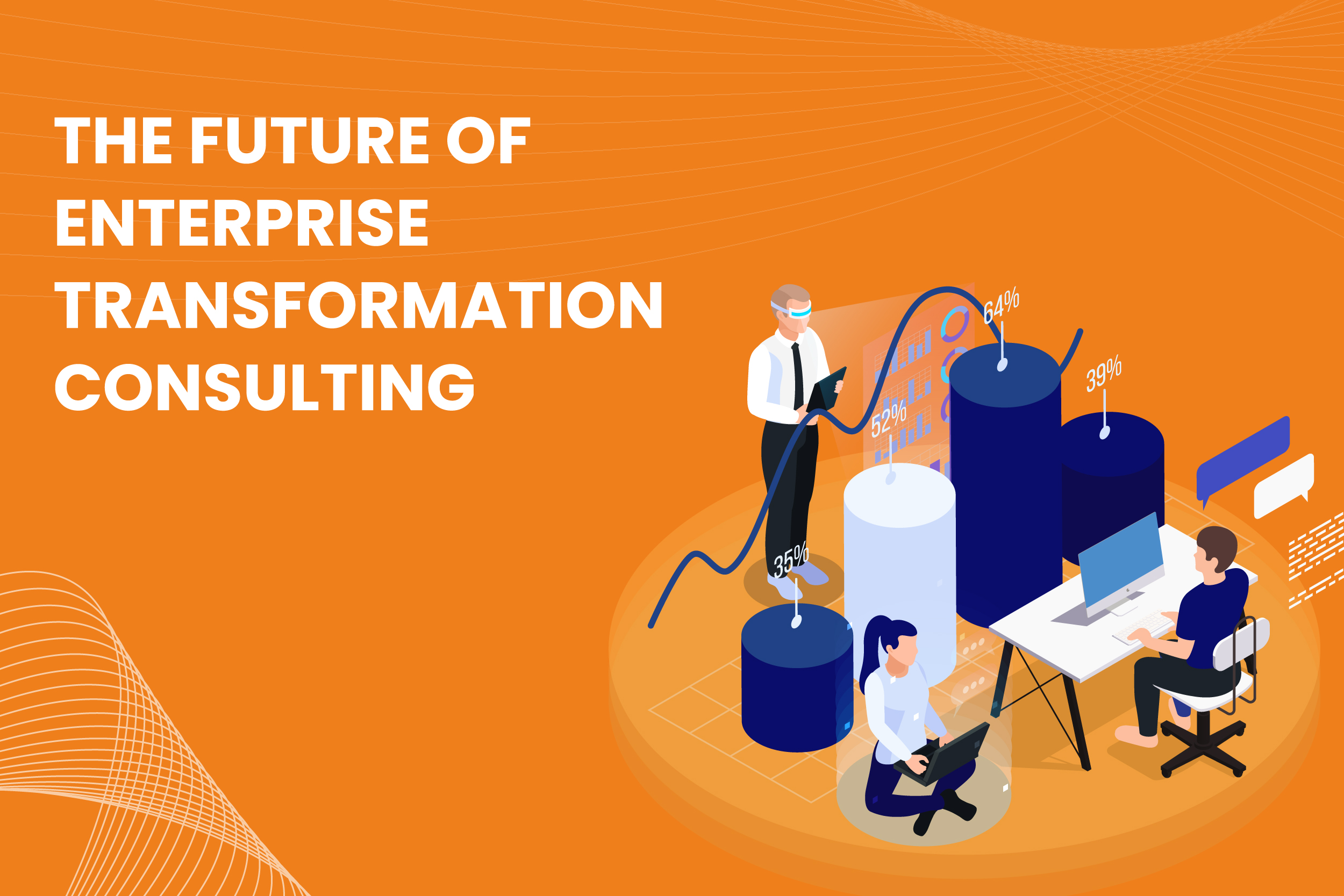
Enterprise transformation is no longer a niche service—it has become a critical driver for organizations seeking growth, agility, and resilience. Businesses today face unprecedented challenges: rapidly evolving technologies, shifting customer expectations, and complex global markets. In response, transformation consulting has evolved from offering generic recommendations to delivering highly specialized, strategic guidance that helps enterprises navigate this dynamic landscape.
Understanding how consulting is changing provides insights into what the future of enterprise transformation consulting looks like, and why companies are increasingly relying on experts to guide their transformational journeys.
Read More
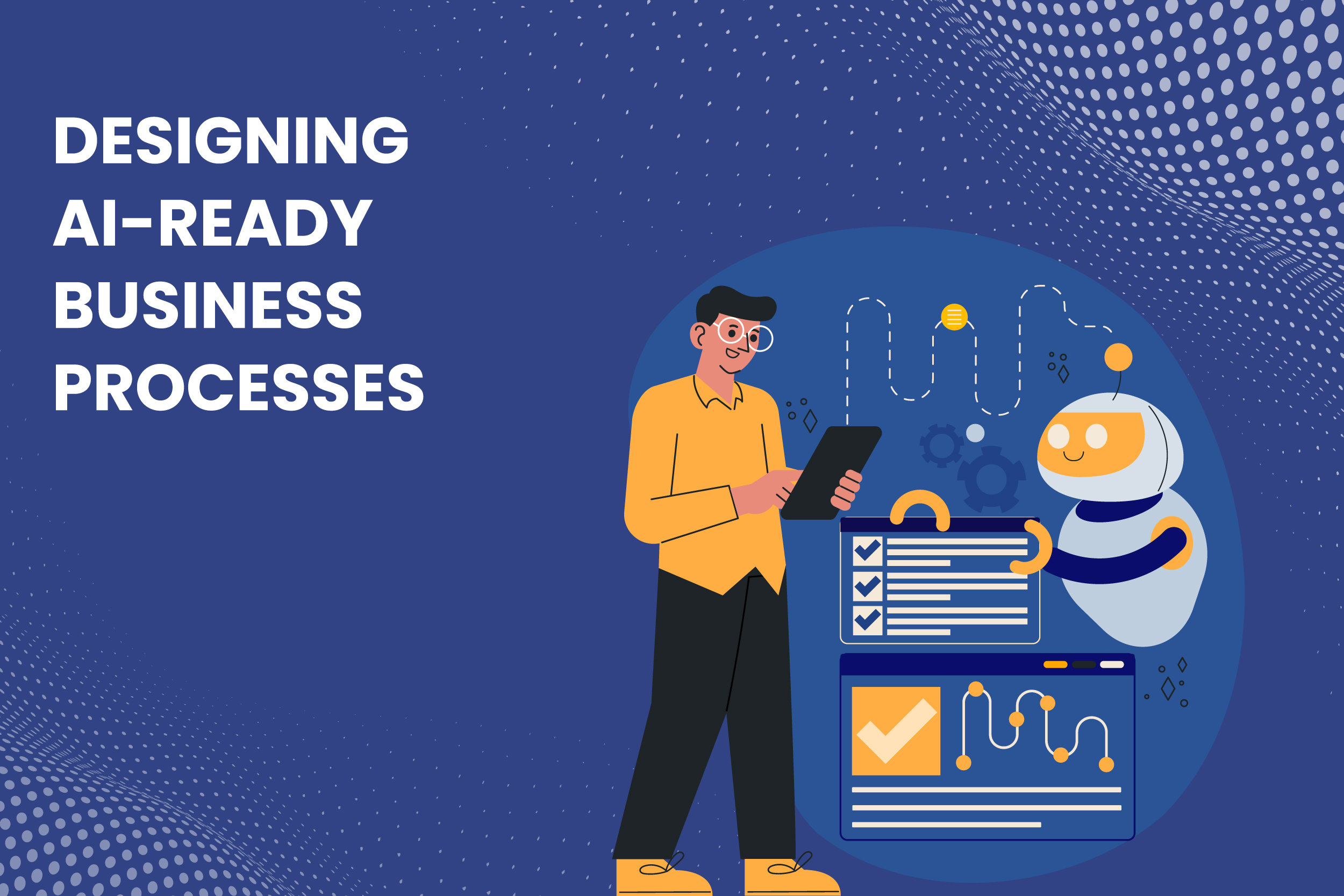
Artificial intelligence is quickly moving from experimentation to real business impact. Organizations are using AI to automate decisions, improve customer experiences, and extract insights from massive volumes of data. However, simply adopting AI tools does not guarantee success. Many companies discover that their existing workflows were never designed to support intelligent automation.
To unlock the full potential of AI, businesses must rethink how their processes are structured. This is where business process transformation becomes essential. Organizations need AI-ready processes that are structured, data-driven, and adaptable. Without these foundations, even the most advanced AI systems struggle to deliver value.
Understanding how to prepare processes for AI helps businesses build systems that are not only efficient today but also capable of evolving with future technologies.
Read More
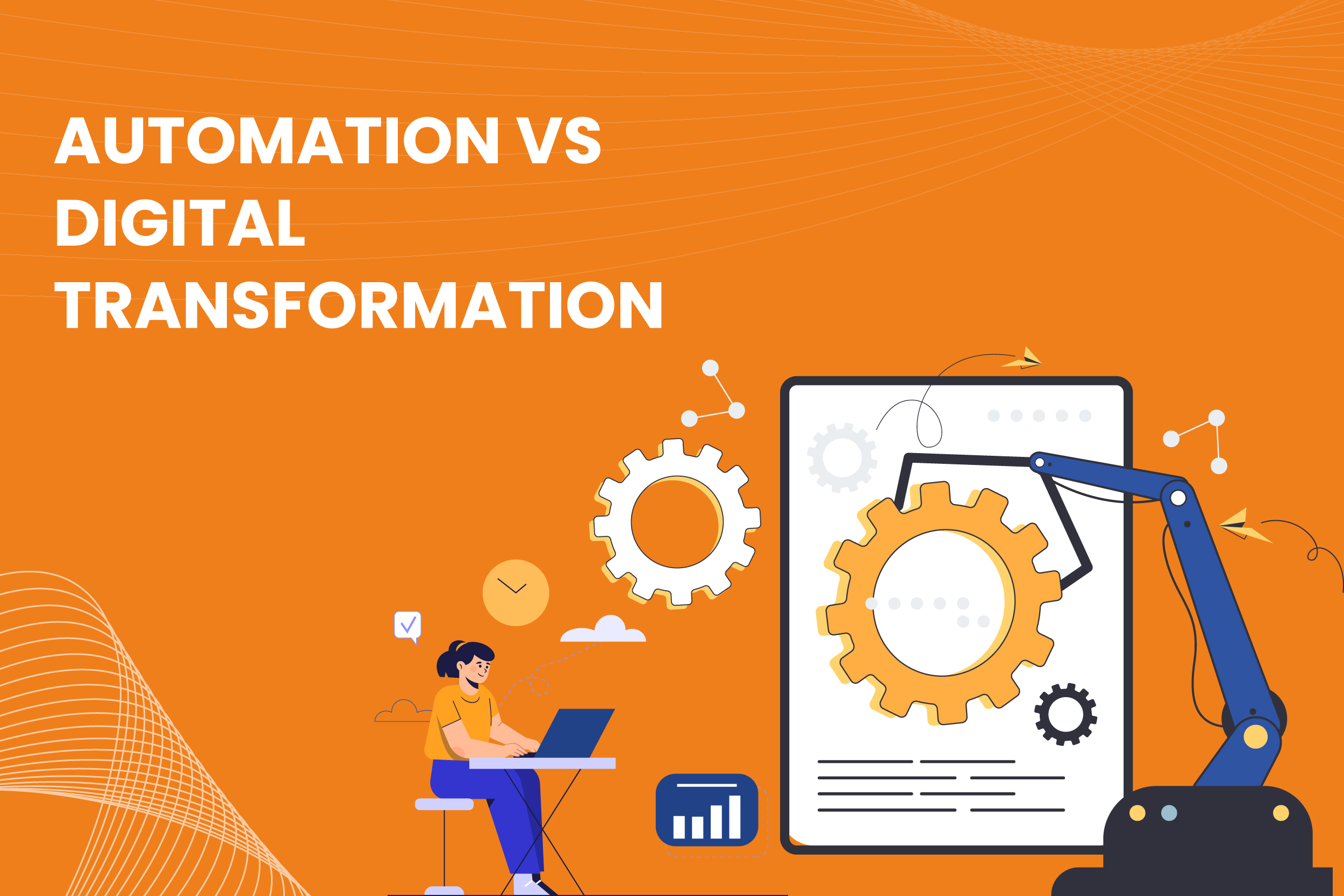
Businesses today are under constant pressure to move faster, operate efficiently, and deliver better customer experiences. In response, many organizations invest in automation tools and digital technologies. However, a common misunderstanding arises when companies assume automation alone equals transformation.
In reality, automation vs transformation is not a comparison of competing strategies. Instead, automation is a component of digital transformation, not the transformation itself. Understanding this distinction is essential for organizations that want to achieve meaningful and lasting change.
When leaders realize that automation is not digital transformation, they can approach technology adoption more strategically and avoid investing in tools that produce only limited impact.
Read More
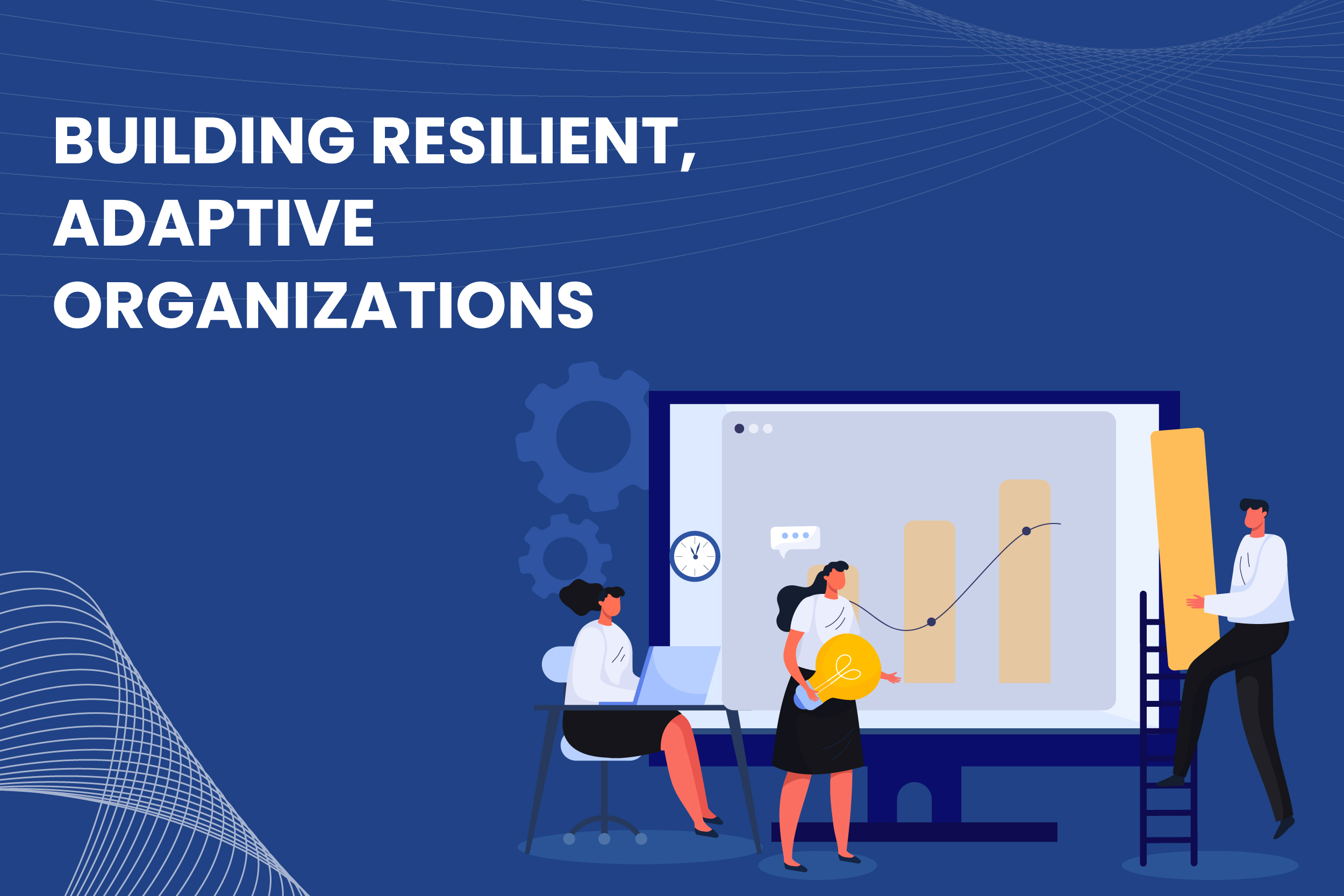
In today’s fast-paced business landscape, uncertainty is the only constant. From global economic shifts to rapid technological change, organizations face pressures that can disrupt operations, challenge growth, and threaten survival. In this environment, organizational resilience is no longer optional—it is essential. Companies that cultivate adaptability, foresight, and responsiveness are better equipped to thrive, even under the most challenging circumstances.
How companies stay resilient begins with a mindset that sees disruption not as a threat, but as an opportunity to learn, evolve, and innovate. Resilient organizations do more than recover from setbacks—they anticipate challenges, respond effectively, and emerge stronger.
Read More
In today’s fast-paced digital landscape, businesses must adapt to changing technologies and customer expectations to remain competitive. One of the most effective ways to achieve this adaptability is through digital transformation, which involves integrating digital technologies into all areas of a business. A critical component of this transformation is Enterprise Resource Planning (ERP) systems.
Read More
Implementing an SAP system can be a transformative step for organizations aiming to enhance their operational efficiency, streamline processes, and improve data visibility. However, success in an SAP implementation goes beyond simply completing the project on time and within budget. It involves measuring and analyzing key performance metrics that provide insight into how effectively the system is being utilized and whether it meets the organization’s objectives.
Read More
In today’s fast-paced business environment, efficient systems and processes are vital for success. Enterprise Resource Planning (ERP) systems like SAP are central to this, helping organizations streamline their operations, manage resources more effectively, and drive productivity.
However, ERP implementation is a complex and often challenging process that requires a skilled IT consulting partner to ensure success. Selecting the right IT consulting services for your ERP implementation, especially for SAP, can make the difference between seamless integration and costly disruptions.
Read More
Leave a Reply