
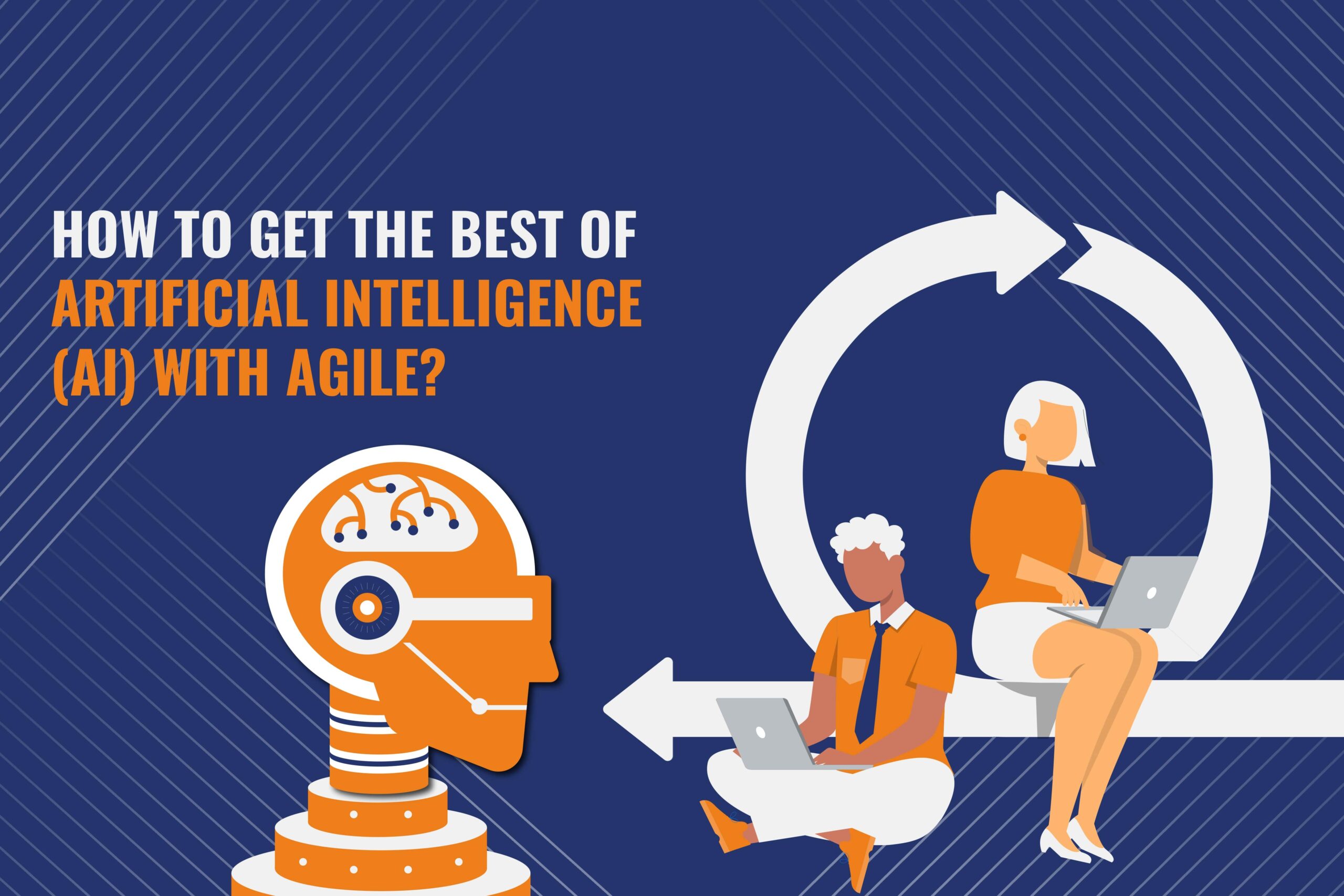
Agile methodology can be an effective way to implement Artificial Intelligence solutions in businesses. By defining clear objectives, assembling a cross-functional team, breaking down the project into manageable tasks, prioritizing those tasks, planning sprints, and monitoring progress, businesses can reduce risk, improve collaboration, increase flexibility, bring products to market faster, and ensure higher quality results
The advent of Artificial Intelligence (AI) has significantly transformed the business landscape. It has become an essential tool for organizations to streamline processes, automate tasks, and gain insights into data. However, implementing AI can be a complex process, requiring significant investment and specialized expertise. This is where Agile solutions come in. By adopting an Agile approach to AI development, deployment, and maintenance, businesses can optimize their use of AI and get the most out of this powerful technology. In this article, we’ll explore how to get the best out of Artificial Intelligence (AI) with Agile.
Agile is a software development process that places a strong emphasis on adaptability, teamwork, and client satisfaction. It involves iterative and incremental development, where the development team works in short sprints to deliver working software. The development team works in close collaboration with the customer or product owner, who provides feedback on the evolving product throughout the development process.The agile approach stands on four pillars: people and interactions, functional software, customer partnership, and embracing change. These values prioritize people and their interactions, the delivery of working software, and the ability to adapt to change quickly.
Agile methodology is widely used in software development due to its many benefits, including increased flexibility and adaptability, improved collaboration and communication, faster delivery times, and higher customer satisfaction. Agile methodology is also often used in other areas of business, including project management and product development.Overall, the agile methodology provides a framework for software development that Agile Solutions are widely used in software development, but they can be applied to any project that requires a flexible, iterative approach.
Agile and AI may be distinct concepts, but they can be combined in software development to enhance the quality and efficiency of the development process. Agile methodology centres on iterative and incremental development, where the development team collaborates closely with the customer or product owner to produce functional software within short periods.
Conversely, AI employs intelligent algorithms and machine learning techniques to automate tasks and improve decision-making. Integrating Agile and AI is possible through the utilization of AI-powered software development tools. AI-driven testing tools, for example, can automatically test software, reducing the time and energy needed for manual testing.
Additionally, AI-supported project management tools can aid in optimizing resource allocation and scheduling, allowing teams to work more effectively.The combination of Agile and AI in software development can increase the pace of development while ensuring high-quality results. The application of AI-driven tools allows for increased efficiency in testing, project management, and decision-making, enabling agile teams to work collaboratively towards a common goal.
Implementing AI can be a daunting task, with many challenges to overcome. By adopting an Agile approach, businesses can mitigate these challenges and reap the following benefits:
An Agile approach to AI development can reduce the risk of failure and minimize the impact of any issues that arise. By working in short sprints and delivering incremental results, businesses can identify and address problems early on, reducing the potential for costly mistakes.
Agile methodology encourages collaboration between teams, stakeholders, and customers, leading to better communication and a more effective working relationship. This can help businesses to identify issues more quickly and develop solutions that meet everyone’s needs.
: In today’s fast-paced business environment, the ability to adapt to changing requirements and priorities is crucial. The agile methodology enables IT Consulting Services to respond to market trends and customer needs quickly, ensuring they stay competitive and relevant.
: By working in short sprints and delivering incremental results, businesses can bring their AI products or services to market faster. This can provide them with a competitive edge, enabling them to maintain a lead over their rivals.
Focusing on delivering high-quality results in each sprint is a fundamental aspect of Agile methodology. This approach ensures that AI solutions meet the highest standards and are fit for purpose, reducing the need for costly rework and enhancing customer satisfaction.
Implementing Agile for AI requires careful planning, preparation, and execution. Listed below are the following steps.:
Before starting any AI project, define your objectives and ensure they align with your overall business goals. This will help you focus on delivering value and ensure that you work on the right things.
Agile Solutions rely on collaboration between teams, stakeholders, and customers. Therefore, you need to assemble a cross-functional team with the necessary skills and expertise to deliver your AI solution.
To implement Agile successfully, you need to break down your project into small, manageable tasks or user stories. Each task should be clearly defined, and its value to the project should be identified.
Once you have identified your tasks, you need to prioritize them based on their value to the project. This will help you to focus on delivering the most critical tasks first and ensure that you are delivering value in each sprint.
Once you have prioritized your tasks, you need to plan your sprints. Each sprint should be time-boxed and should focus on delivering a specific set of tasks or user stories.
It’s essential to monitor your progress throughout the project and adapt your approach as necessary. Regular reviews and retrospectives can help IT Consulting Services to identify and address issues quickly and effectively.
In conclusion, Agile methodology can be an effective way to implement AI solutions in businesses. By defining clear objectives, assembling a cross-functional team, breaking down the project into manageable tasks, prioritizing those tasks, planning sprints, and monitoring progress, businesses can reduce risk, improve collaboration, increase flexibility, bring products to market faster, and ensure higher quality results.
Agile transformation provides a framework for iterative development that allows businesses to adapt to changing requirements and priorities, respond to market trends and customer needs, and ultimately deliver value to their stakeholders. By combining Artificial Intelligence with Agile, businesses can achieve their goals more efficiently and effectively, gaining a competitive edge in today’s fast-paced business environment.
Digital transformation is no longer just a buzzword—it’s a necessity for businesses aiming to stay competitive in today’s fast-paced market. Organizations invest in cloud technologies, automation, AI, and customer-centric platforms to modernize operations and create value. But with so many initiatives underway, one pressing question arises: how to measure transformation success? Without clear metrics, companies risk investing heavily without knowing whether their efforts are truly paying off.
Measuring success in digital transformation goes beyond counting deployed tools or completed projects. It requires tracking meaningful indicators that reflect actual business outcomes, employee adoption, and customer impact. Defining transformation KPIs early in the journey ensures that initiatives stay aligned with strategic goals and deliver measurable value.
Read More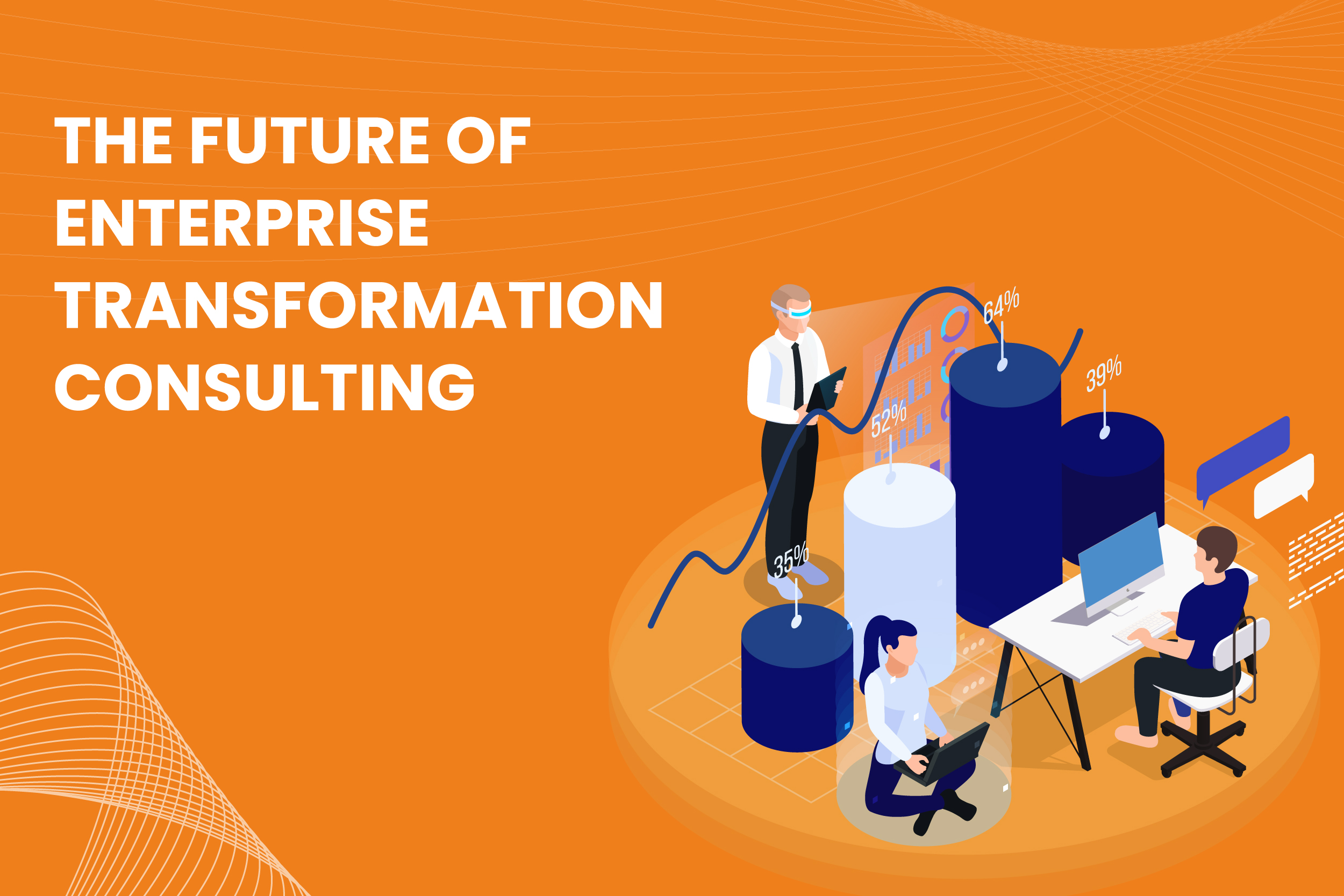
Enterprise transformation is no longer a niche service—it has become a critical driver for organizations seeking growth, agility, and resilience. Businesses today face unprecedented challenges: rapidly evolving technologies, shifting customer expectations, and complex global markets. In response, transformation consulting has evolved from offering generic recommendations to delivering highly specialized, strategic guidance that helps enterprises navigate this dynamic landscape.
Understanding how consulting is changing provides insights into what the future of enterprise transformation consulting looks like, and why companies are increasingly relying on experts to guide their transformational journeys.
Read More
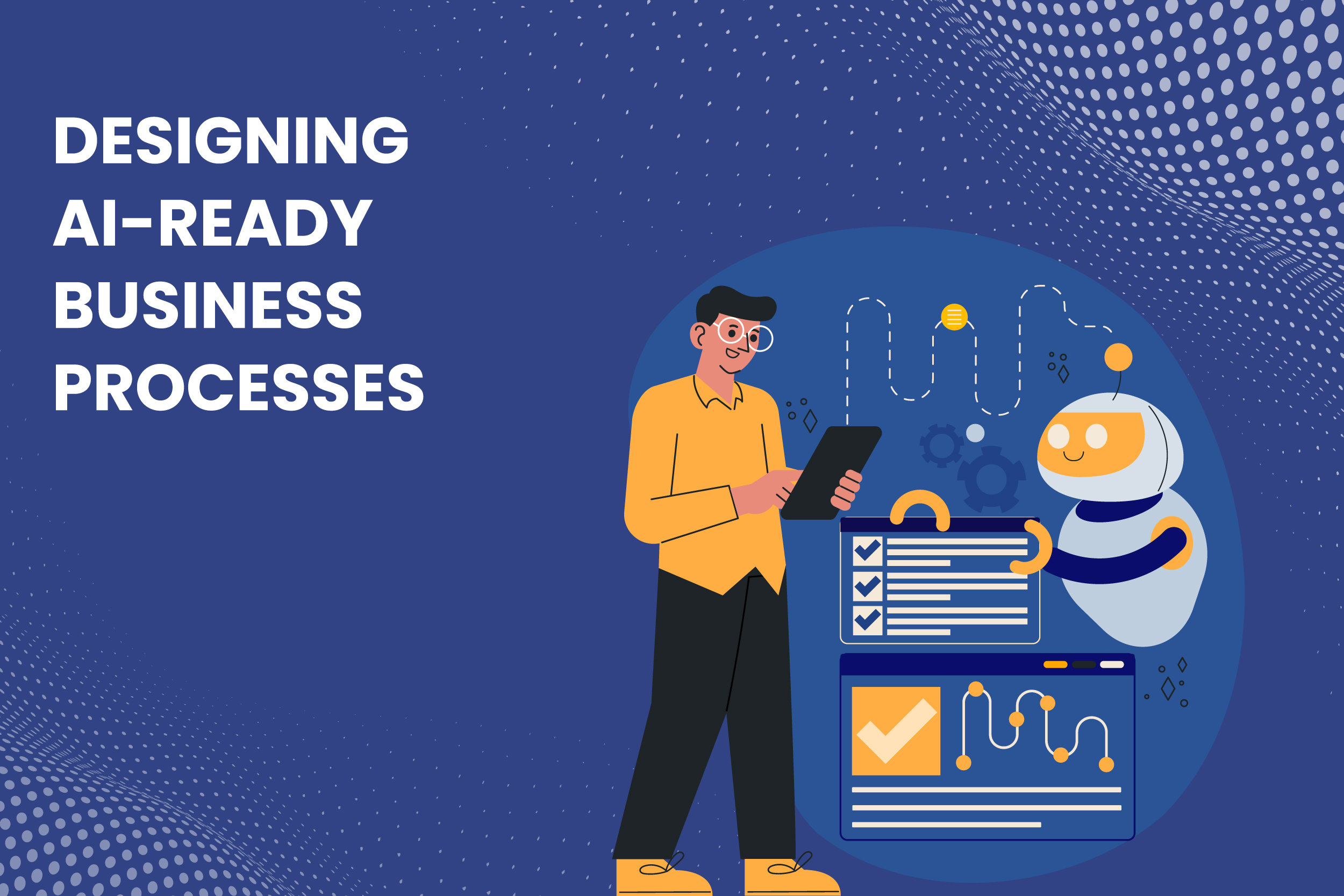
Artificial intelligence is quickly moving from experimentation to real business impact. Organizations are using AI to automate decisions, improve customer experiences, and extract insights from massive volumes of data. However, simply adopting AI tools does not guarantee success. Many companies discover that their existing workflows were never designed to support intelligent automation.
To unlock the full potential of AI, businesses must rethink how their processes are structured. This is where business process transformation becomes essential. Organizations need AI-ready processes that are structured, data-driven, and adaptable. Without these foundations, even the most advanced AI systems struggle to deliver value.
Understanding how to prepare processes for AI helps businesses build systems that are not only efficient today but also capable of evolving with future technologies.
Read More
Businesses today are under constant pressure to move faster, operate efficiently, and deliver better customer experiences. In response, many organizations invest in automation tools and digital technologies. However, a common misunderstanding arises when companies assume automation alone equals transformation.
In reality, automation vs transformation is not a comparison of competing strategies. Instead, automation is a component of digital transformation, not the transformation itself. Understanding this distinction is essential for organizations that want to achieve meaningful and lasting change.
When leaders realize that automation is not digital transformation, they can approach technology adoption more strategically and avoid investing in tools that produce only limited impact.
Read More
In today’s fast-paced business landscape, uncertainty is the only constant. From global economic shifts to rapid technological change, organizations face pressures that can disrupt operations, challenge growth, and threaten survival. In this environment, organizational resilience is no longer optional—it is essential. Companies that cultivate adaptability, foresight, and responsiveness are better equipped to thrive, even under the most challenging circumstances.
How companies stay resilient begins with a mindset that sees disruption not as a threat, but as an opportunity to learn, evolve, and innovate. Resilient organizations do more than recover from setbacks—they anticipate challenges, respond effectively, and emerge stronger.
Read More
In today’s fast-paced digital landscape, businesses must adapt to changing technologies and customer expectations to remain competitive. One of the most effective ways to achieve this adaptability is through digital transformation, which involves integrating digital technologies into all areas of a business. A critical component of this transformation is Enterprise Resource Planning (ERP) systems.
Read More
Implementing an SAP system can be a transformative step for organizations aiming to enhance their operational efficiency, streamline processes, and improve data visibility. However, success in an SAP implementation goes beyond simply completing the project on time and within budget. It involves measuring and analyzing key performance metrics that provide insight into how effectively the system is being utilized and whether it meets the organization’s objectives.
Read More
In today’s fast-paced business environment, efficient systems and processes are vital for success. Enterprise Resource Planning (ERP) systems like SAP are central to this, helping organizations streamline their operations, manage resources more effectively, and drive productivity.
However, ERP implementation is a complex and often challenging process that requires a skilled IT consulting partner to ensure success. Selecting the right IT consulting services for your ERP implementation, especially for SAP, can make the difference between seamless integration and costly disruptions.
Read More
ERP systems have become indispensable tools for businesses looking to streamline operations, improve efficiency, and maintain a competitive edge. However, implementing ERP solutions can be daunting, especially for small and medium-sized businesses (SMBs) with limited resources.
The complexity of the process, cost concerns, and the need for seamless integration across departments pose significant challenges. To overcome these, SMBs must adopt tailored ERP implementation strategies that align with their unique requirements.
Read More
In today’s fast-paced business environment, Enterprise Resource Planning (ERP) systems like SAP (Systems, Applications, and Products) are crucial to streamlining operations, improving efficiency, and supporting growth. However, the process of SAP implementation can be complex and time-consuming, often putting a strain on internal resources.
This is where IT consulting services come into play, providing the necessary expertise and support to accelerate your SAP implementation timeline. By leveraging specialized knowledge and proven strategies, IT consulting services can significantly shorten the time required for successful SAP deployment, helping organizations stay competitive and responsive to market demands.
Read More
Leave a Reply