
While the metaverse presents GameFi with exciting opportunities, it also poses significant challenges that must be addressed. However, Cloud ERP offers a comprehensive solution for managing critical business processes, including scalability, security, flexibility, and real-time analytics.
As our world becomes increasingly interconnected through technology, new industries, and innovative technologies are emerging that were once only found in science fiction. One such industry is GameFi, which integrates blockchain, decentralized finance (DeFi), and virtual reality (VR), cloud computing to create a new gaming category. GameFi provides immersive gaming experiences where players can earn and spend cryptocurrency by exploring new worlds and completing challenges. However, as the popularity of GameFi grows, so do the challenges associated with its infrastructure. To achieve real success, GameFi requires a scalable, secure, and flexible platform that can meet its unique needs. This is where Cloud ERP comes into action. In this blog, we will understand how Cloud ERP Can Power GameFi In The Metaverse.
Businesses can access a centralized and shared database from anywhere with an internet connection through cloud ERP solutions, which facilitate efficient collaboration across various teams and locations. These solutions offer a range of functionalities, including real-time data analytics, mobile access, and automated workflows, that can boost agility, cut expenses, and improve overall performance. Moreover, cloud ERP is often more cost-effective than the conventional system of ERP Implementation because it eliminates the need for expensive hardware and IT infrastructure, while also allowing customization to meet the specific needs of individual businesses. In addition, the ERP vendor manages software updates and maintenance since it is hosted in the cloud, freeing up valuable IT resources for other vital tasks.
The term “metaverse” describes a digital space where users can engage with a computer-generated environment and interact with others in a shared virtual reality. This idea has become more prominent in recent years, thanks to advancements in virtual and augmented reality technologies, online gaming, and social media platforms. Within a metaverse, users are represented by avatars, which are digital representations of themselves and can explore a broad range of virtual environments, objects, and other users. These metaverses often allow for extensive customization and personalization, allowing users to create and modify their virtual surroundings and avatars. The metaverse concept has numerous potential applications, including virtual events, remote collaboration, gaming, education, and e-commerce. As virtual and Cloud Transformation technologies continue to evolve, it is highly likely that the metaverse concept will further develop and become more integrated into our daily lives.
So how can Cloud ERP power GameFi in the Metaverse? Come let us see
Scalability poses a major challenge for GameFi as it aims to accommodate an increasing number of players in the metaverse. This requires a platform that can scale efficiently while maintaining high performance and security standards. Cloud ERP provides an ideal solution for this challenge by centralizing critical business processes and streamlining the addition of new players, partners, and vendors without compromising performance or security.
Security is a critical factor in GameFi’s success, as players earn and spend cryptocurrency within the metaverse. Compliance with local and international regulations related to gaming and cryptocurrency is also crucial. Cloud ERP Implementation offers a robust security framework that leverages encryption and authentication technologies to safeguard sensitive data and transactions. Real-time monitoring and reporting features also help GameFi remain compliant with relevant regulations.
Flexibility is also important for GameFi. The metaverse is a rapidly evolving space, and GameFi needs to be able to adapt quickly to changing market conditions and player preferences. The platform must be flexible enough to support new features and functionality without requiring extensive customization or development. Cloud ERP is built with flexibility in mind. Its modular architecture enables businesses to add or remove functionality as needed, while also allowing for easy customization and integration with other systems or applications. This makes it easy for GameFi to stay ahead of the curve and adapt to changing market conditions, without having to worry about costly upgrades or migrations.
Finally, real-time analytics is another critical component of GameFi. As players explore the metaverse and complete challenges, they generate massive amounts of data that can be used to improve the gaming experience and inform business decisions. To take advantage of this data, GameFi needs a platform that can provide real-time analytics and reporting. Cloud ERP is an ideal solution for this challenge. By providing a centralized platform for managing all critical business processes, Cloud Transformation enables businesses to access and analyze real-time data from anywhere in the world. This makes it easy for GameFi to track player activity, monitor performance, and identify new opportunities for growth and innovation.
As GameFi expands and more players join the metaverse, managing resources such as inventory, virtual currency, and other in-game assets can become challenging. Cloud ERP can provide a centralized platform for managing all these resources, making it easier for GameFi to track and manage inventory, sales, and other transactions in real time.
In the metaverse, GameFi may need to collaborate with other businesses or partners to offer new features or services. Cloud ERP can facilitate this collaboration by providing a shared platform for communication, document management, and other collaborative tasks. This can help GameFi to streamline its processes, reduce errors, and improve efficiency.
Maintaining compliance with local and international regulations is crucial for the success of GameFi, as mentioned before. Cloud ERP can assist GameFi in managing compliance with regulations related to gaming and cryptocurrency by providing tools to keep up with the latest regulations and prevent penalties.
To sum up, while the metaverse presents GameFi with exciting opportunities, it also poses significant challenges that must be addressed. However, cloud computing offers a comprehensive solution for managing critical business processes, including scalability, security, flexibility, and real-time analytics. By leveraging the power of Cloud ERP, GameFi can easily manage its infrastructure as it grows and protect sensitive data and transactions.
Artificial Intelligence (AI) is no longer a futuristic concept; it has become a cornerstone of modern business strategy. From automating routine tasks to generating insights from vast datasets, AI promises efficiency, innovation, and competitive advantage.
Yet, the rapid pace of AI adoption also brings uncertainty. Many executives struggle with defining their role in AI strategy, leading to stalled projects or missed opportunities. Understanding how leaders should think about AI is essential for turning technology into tangible business outcomes.
Read More
Digital transformation is no longer just a buzzword—it’s a necessity for businesses aiming to stay competitive in today’s fast-paced market. Organizations invest in cloud technologies, automation, AI, and customer-centric platforms to modernize operations and create value. But with so many initiatives underway, one pressing question arises: how to measure transformation success? Without clear metrics, companies risk investing heavily without knowing whether their efforts are truly paying off.
Measuring success in digital transformation goes beyond counting deployed tools or completed projects. It requires tracking meaningful indicators that reflect actual business outcomes, employee adoption, and customer impact. Defining transformation KPIs early in the journey ensures that initiatives stay aligned with strategic goals and deliver measurable value.
Read More
Enterprise transformation is no longer a niche service—it has become a critical driver for organizations seeking growth, agility, and resilience. Businesses today face unprecedented challenges: rapidly evolving technologies, shifting customer expectations, and complex global markets. In response, transformation consulting has evolved from offering generic recommendations to delivering highly specialized, strategic guidance that helps enterprises navigate this dynamic landscape.
Understanding how consulting is changing provides insights into what the future of enterprise transformation consulting looks like, and why companies are increasingly relying on experts to guide their transformational journeys.
Read More
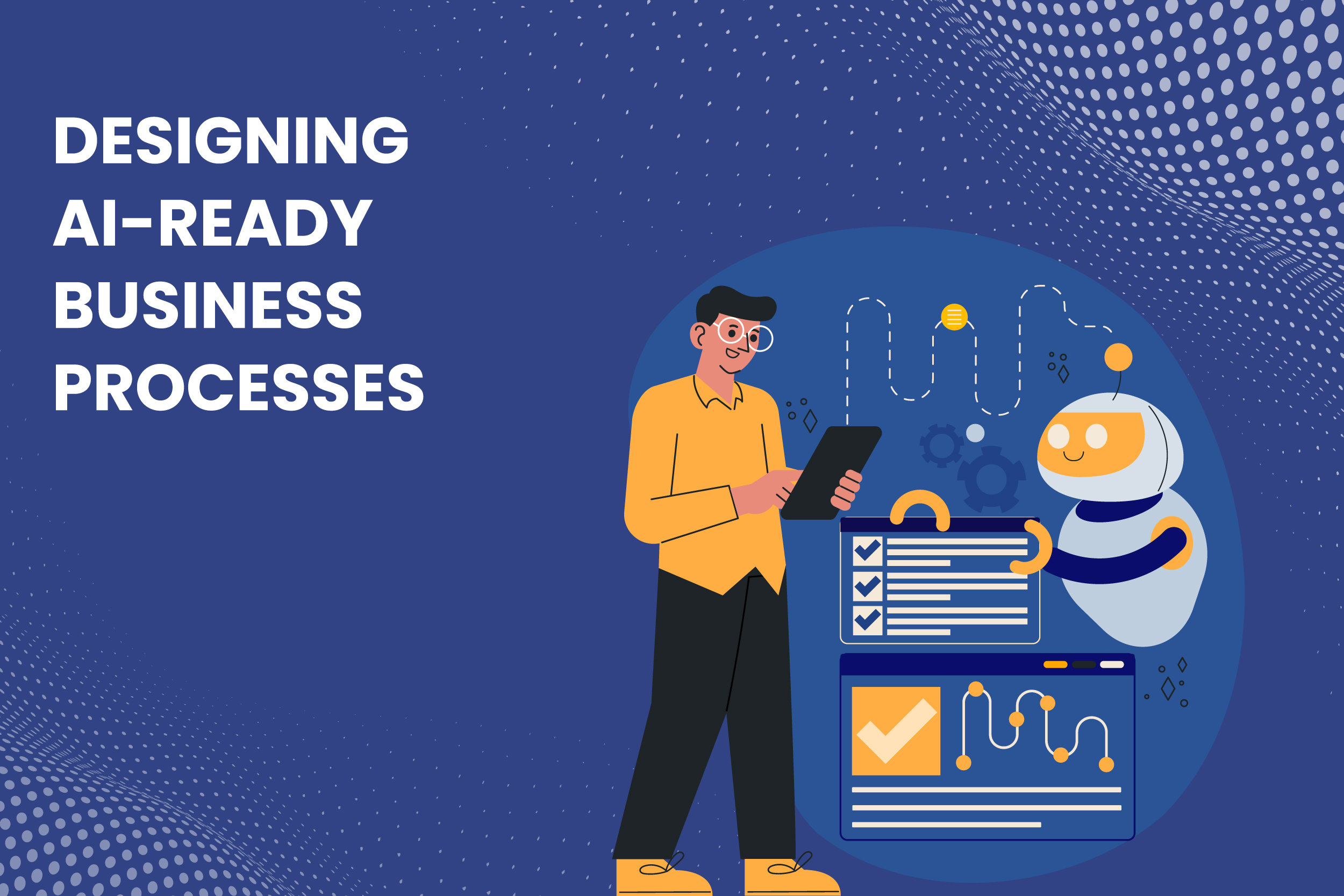
Artificial intelligence is quickly moving from experimentation to real business impact. Organizations are using AI to automate decisions, improve customer experiences, and extract insights from massive volumes of data. However, simply adopting AI tools does not guarantee success. Many companies discover that their existing workflows were never designed to support intelligent automation.
To unlock the full potential of AI, businesses must rethink how their processes are structured. This is where business process transformation becomes essential. Organizations need AI-ready processes that are structured, data-driven, and adaptable. Without these foundations, even the most advanced AI systems struggle to deliver value.
Understanding how to prepare processes for AI helps businesses build systems that are not only efficient today but also capable of evolving with future technologies.
Read More
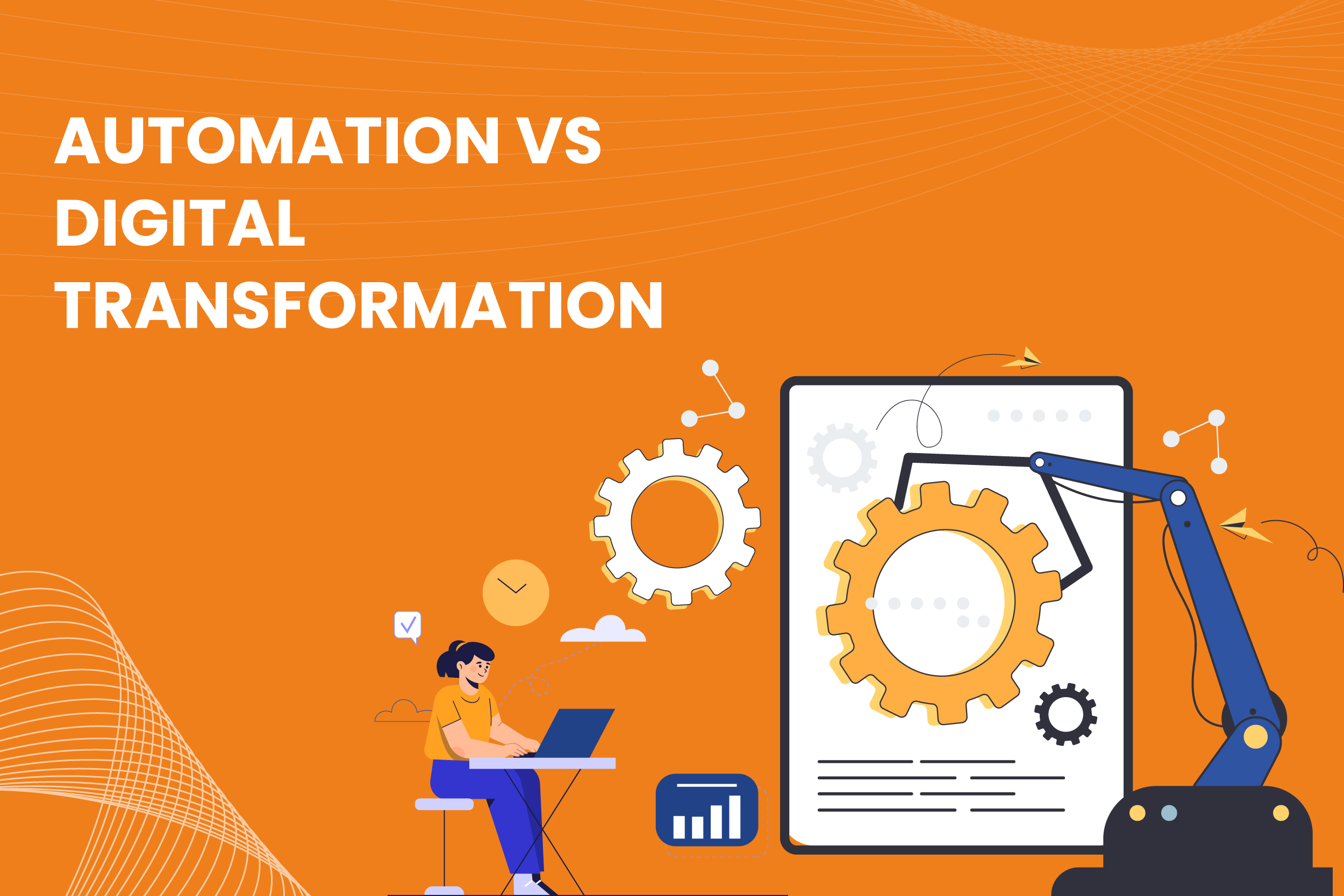
Businesses today are under constant pressure to move faster, operate efficiently, and deliver better customer experiences. In response, many organizations invest in automation tools and digital technologies. However, a common misunderstanding arises when companies assume automation alone equals transformation.
In reality, automation vs transformation is not a comparison of competing strategies. Instead, automation is a component of digital transformation, not the transformation itself. Understanding this distinction is essential for organizations that want to achieve meaningful and lasting change.
When leaders realize that automation is not digital transformation, they can approach technology adoption more strategically and avoid investing in tools that produce only limited impact.
Read More
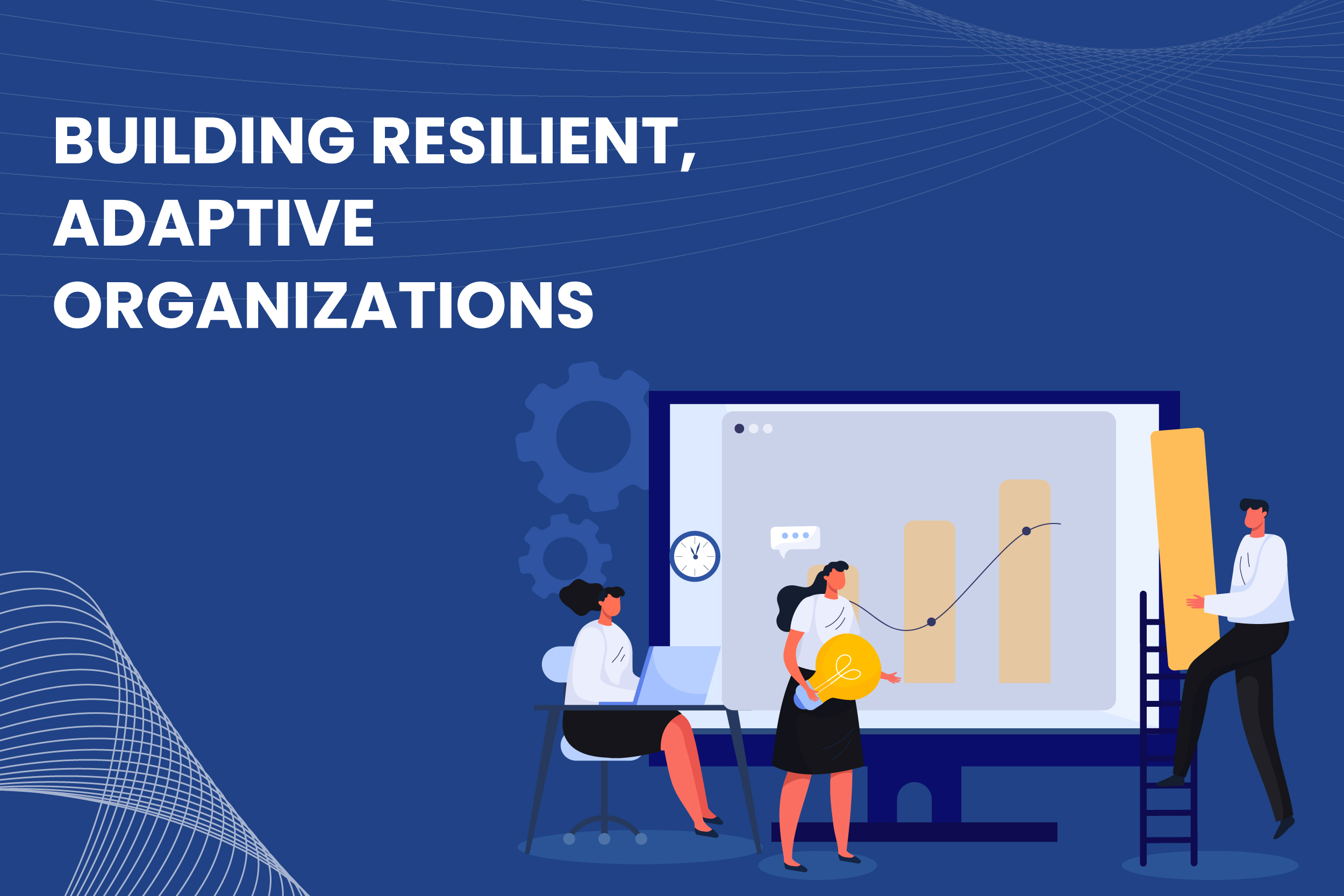
In today’s fast-paced business landscape, uncertainty is the only constant. From global economic shifts to rapid technological change, organizations face pressures that can disrupt operations, challenge growth, and threaten survival. In this environment, organizational resilience is no longer optional—it is essential. Companies that cultivate adaptability, foresight, and responsiveness are better equipped to thrive, even under the most challenging circumstances.
How companies stay resilient begins with a mindset that sees disruption not as a threat, but as an opportunity to learn, evolve, and innovate. Resilient organizations do more than recover from setbacks—they anticipate challenges, respond effectively, and emerge stronger.
Read More
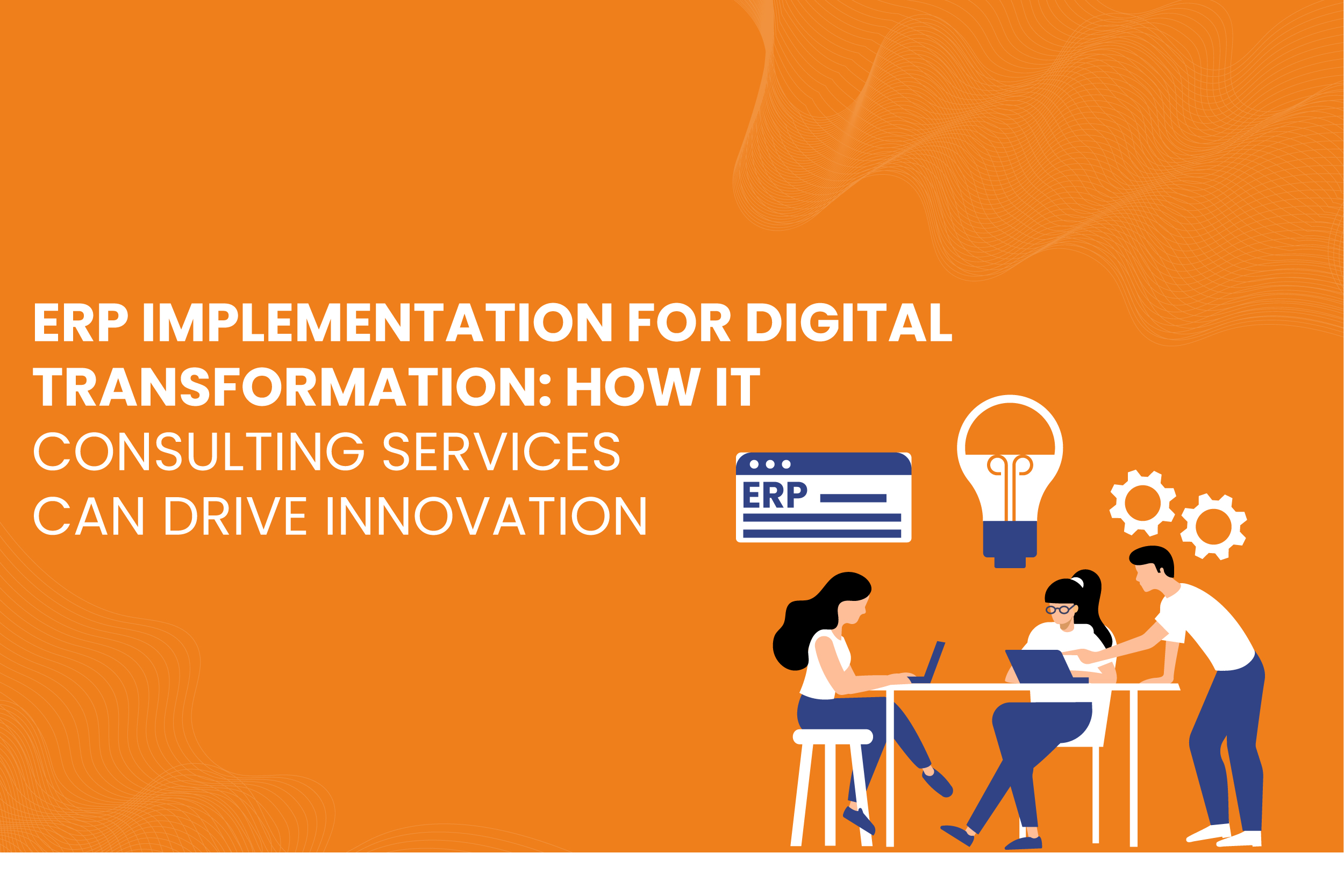
In today’s fast-paced digital landscape, businesses must adapt to changing technologies and customer expectations to remain competitive. One of the most effective ways to achieve this adaptability is through digital transformation, which involves integrating digital technologies into all areas of a business. A critical component of this transformation is Enterprise Resource Planning (ERP) systems.
Read More
Implementing an SAP system can be a transformative step for organizations aiming to enhance their operational efficiency, streamline processes, and improve data visibility. However, success in an SAP implementation goes beyond simply completing the project on time and within budget. It involves measuring and analyzing key performance metrics that provide insight into how effectively the system is being utilized and whether it meets the organization’s objectives.
Read More
In today’s fast-paced business environment, efficient systems and processes are vital for success. Enterprise Resource Planning (ERP) systems like SAP are central to this, helping organizations streamline their operations, manage resources more effectively, and drive productivity.
However, ERP implementation is a complex and often challenging process that requires a skilled IT consulting partner to ensure success. Selecting the right IT consulting services for your ERP implementation, especially for SAP, can make the difference between seamless integration and costly disruptions.
Read More
ERP systems have become indispensable tools for businesses looking to streamline operations, improve efficiency, and maintain a competitive edge. However, implementing ERP solutions can be daunting, especially for small and medium-sized businesses (SMBs) with limited resources.
The complexity of the process, cost concerns, and the need for seamless integration across departments pose significant challenges. To overcome these, SMBs must adopt tailored ERP implementation strategies that align with their unique requirements.
Read More
Leave a Reply