
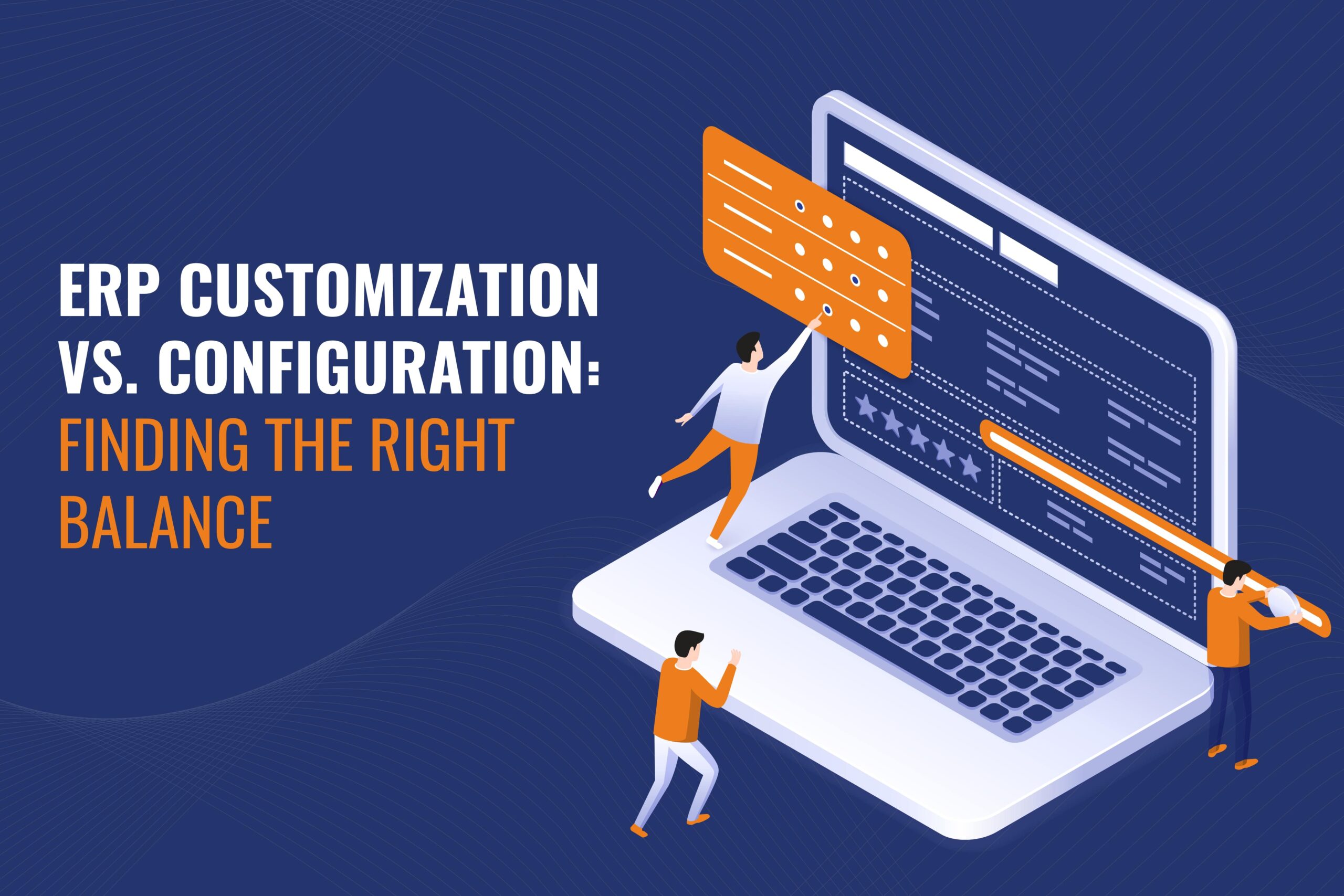
Finding the right balance between ERP customization and Configuration is crucial for successful ERP implementation. ERP (Enterprise Resource Planning) systems are powerful tools designed to streamline business processes, improve efficiency, and provide valuable insights. However, striking the right balance between customization and Configuration is essential to ensure that the ERP system. It aligns with the organization’s needs without creating complexity and cost overruns.
Configuration involves tailoring the ERP system to meet specific business requirements using built-in tools and settings. It’s a more straightforward and cost-effective approach, as it leverages the system’s existing functionality. This method is ideal for businesses with relatively standard processes and a willingness to adapt to industry best practices. On the other hand, customization involves altering the ERP system’s code to accommodate unique processes and requirements. While this allows for a highly tailored solution, it can be costly, time-consuming, and complex to maintain. Customization is best suited for organizations with highly specialized needs that cannot be met through Configuration alone.
It starts by thoroughly analyzing the business processes of the organization. Identify which aspects can be met through Configuration and which require customization. Prioritize customization for processes that are genuinely unique and have a significant impact on your competitive edge. Standardize and configure wherever possible to minimize complexity.
Optimize for customization only if it’s essential for long-term growth and sustainability. Aim to strike a balance that doesn’t hinder future system upgrades or scalability. Understand that customization can make your ERP system more complex. Invest in change management to train employees and ensure they adapt to any customizations effectively. Achieving the right balance between ERP customization and Configuration is a critical aspect of successful implementation. A judicious mix of both approaches, guided by a thorough assessment of business needs. It can lead to an ERP system that optimally supports your operations without unnecessary complexity and costs.
Enterprise resource planning (ERP) systems are indispensable in today’s dynamic business landscape, bolstered by SAP consulting services. These dependable software products provide a full range of integrated apps that improve processes, boost productivity, and deliver insightful data. Although customization and Configuration appear to be ideas with identical meanings, they really serve distinct functions.
Do you want to know the difference between ERP customization and Configuration? If yes, in this blog, we will discuss the benefits of customization and Configuration. This will also discuss functions for the development of the organization. The purpose is to assist companies in striking the delicate balance between setup and customization. So that their ERP system properly matches their particular requirements and goals.
When referring to software and technology, the term “customization” describes the act of customizing or adjusting a software system. To satisfy particular and distinctive requirements that can not be satisfied properly. So, it can be default or out-of-the-box settings and capabilities. Through customization, individuals and organizations may modify the programme better to meet their requirements, procedures, and preferences.
The customization process entails thoroughly comprehending the business needs. It creates a customization strategy, and engages in activities such as developing, testing, implementing training, and bug-fixing. Depending on the extent of the modifications and the size of the organization. The ERP customization may take a long time and cost a lot of money. Here are a few instances of customized ERP:
ERP systems are flexible by design, and customization enables businesses to precisely tailor. These systems meet their unique requirements and business operations. The following are some major advantages of customizing ERP:
ERP customization empowers IT consulting services company to design solutions that perfectly align with their unique business needs. You may customize the ERP to accommodate your existing workflows, enhancing efficiency and accuracy. As opposed to changing your operations, it fits the default features of the ERP.
Customization helps your business stand out from the competition. You can create special functions, features, or procedures that offer you a competitive advantage in your sector. In very competitive markets, this can be extremely useful.
The experience of the users plays a vital role in ERP customization. It improves the overall experiences of the users and develops the quality of the work. Focusing on the aspects enables businesses to forge lasting relationships with users, propelling success in the digital landscape.
ERP systems that have been specifically designed may offer specialized reporting and analytics capabilities. You may create personalized reports and dashboards that provide actionable insights. It tailored to your company and aids in the data-driven decision-making process.
ERP customization may greatly increase efficiency and productivity by simplifying and automating procedures that are particular to your company. This may lead to a quicker order processing procedure, shorter lead times, and fewer mistakes.
In the context of software and technology, Configuration refers to the act of configuring and modifying a software application. This can conform to particular needs or preferences without changing the system’s fundamental code or operation. In order to customize the software to a user’s or organization’s needs. Configuration entails making options, like decisions, and alterations within the framework of the program as it is currently designed.
For instance, configuring a computer system might involve specifying hardware settings, installing and updating software, and establishing network connections. In the context of software development, configuration management ensures that changes to the codebase are tracked, controlled, and properly documented.
Systems, software, hardware, and other industries all rely heavily on Configuration. Numerous setup advantages exist, and they can change based on the situation. Some of the main advantages of setup are listed below:
Configuration enables you to shape a system or piece of software to fit your needs and preferences. By doing this, you can be confident that the solution is precisely suited to your requirements, enhancing efficiency and effectiveness.
Configurable systems may frequently scale up or down without much difficulty to meet changing demands. In contexts where expansion projects, this flexibility is extremely beneficial.
Systems can adapt to changing situations or commercial conditions thanks to Configuration. Adjustments may be made with little to no need for extensive reconstruction, which lowers costs and inconvenience.
System configuration allows for adaptation to changing business conditions or environmental factors. You may make changes without needing extensive overhauls, minimizing inconvenience and expense.
Appropriate setup optimizes resource usage, cutting down on waste and enhancing system performance. Cost reductions and increased productivity may result from this.
Organizations utilize ERP systems to handle a variety of business activities, including finance, supply chain, human resources, and more. An ERP system may help to customize to fit the unique requirements of an organization. Here are some differences between ERP customization and Configuration are discussed below.
: SAP consulting services often involve the need to modify the architecture of an ERP system to introduce new features. Such as programming and development effort required for this.
The significant degree of flexibility that customization affords enables businesses to execute distinctive and particular business procedures. Flexible ERP configurations facilitate seamless integration with third-party systems, ensuring a unified and cohesive technology ecosystem.
When compared to Configuration, customization is frequently more difficult and time-consuming. Changes may be expensive and time-consuming, and they may need a dedicated development team.
So, striking the ERP customization and configuration balance is a strategic choice guided by an IT consulting services company. Customization provides flexibility, but it uses caution to reduce complexity and increase system stability. Contrarily, Configuration makes use of the ERP system’s current capabilities to be the primary option for adjusting to accepted practices. Visit our website for further details.
Enterprise transformations are complex, high-stakes initiatives that often promise operational efficiency, digital modernization, and competitive advantage. Yet, despite meticulous planning and substantial investments, many transformation programs stumble—not because of technology, but because of people.
This is where change management becomes critical. Understanding why people resist change and applying effective strategies in transformation leadership can make the difference between a stalled project and a successful enterprise-wide transformation.
Read More
Artificial Intelligence (AI) is no longer a futuristic concept; it has become a cornerstone of modern business strategy. From automating routine tasks to generating insights from vast datasets, AI promises efficiency, innovation, and competitive advantage.
Yet, the rapid pace of AI adoption also brings uncertainty. Many executives struggle with defining their role in AI strategy, leading to stalled projects or missed opportunities. Understanding how leaders should think about AI is essential for turning technology into tangible business outcomes.
Read More
Digital transformation is no longer just a buzzword—it’s a necessity for businesses aiming to stay competitive in today’s fast-paced market. Organizations invest in cloud technologies, automation, AI, and customer-centric platforms to modernize operations and create value. But with so many initiatives underway, one pressing question arises: how to measure transformation success? Without clear metrics, companies risk investing heavily without knowing whether their efforts are truly paying off.
Measuring success in digital transformation goes beyond counting deployed tools or completed projects. It requires tracking meaningful indicators that reflect actual business outcomes, employee adoption, and customer impact. Defining transformation KPIs early in the journey ensures that initiatives stay aligned with strategic goals and deliver measurable value.
Read More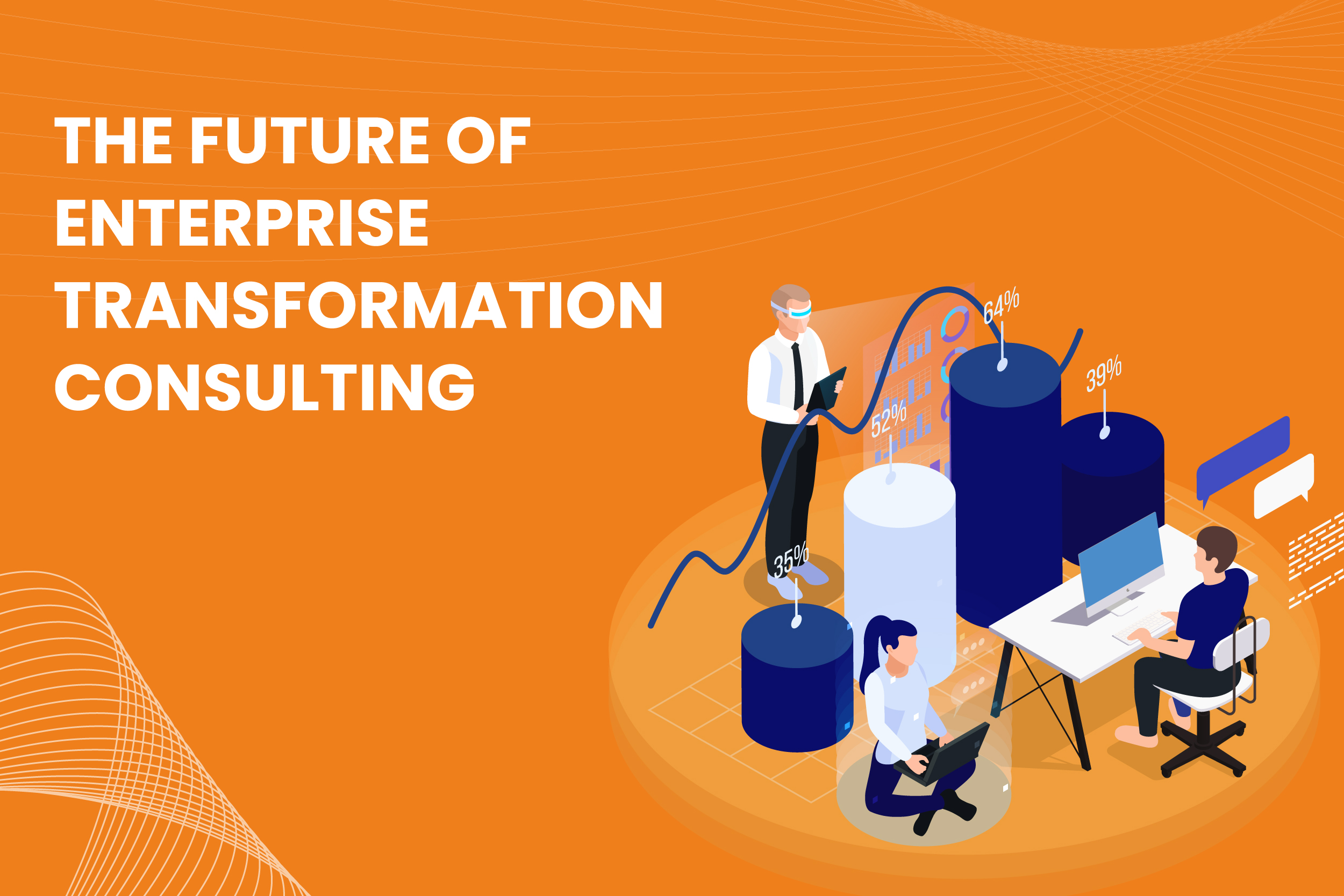
Enterprise transformation is no longer a niche service—it has become a critical driver for organizations seeking growth, agility, and resilience. Businesses today face unprecedented challenges: rapidly evolving technologies, shifting customer expectations, and complex global markets. In response, transformation consulting has evolved from offering generic recommendations to delivering highly specialized, strategic guidance that helps enterprises navigate this dynamic landscape.
Understanding how consulting is changing provides insights into what the future of enterprise transformation consulting looks like, and why companies are increasingly relying on experts to guide their transformational journeys.
Read More
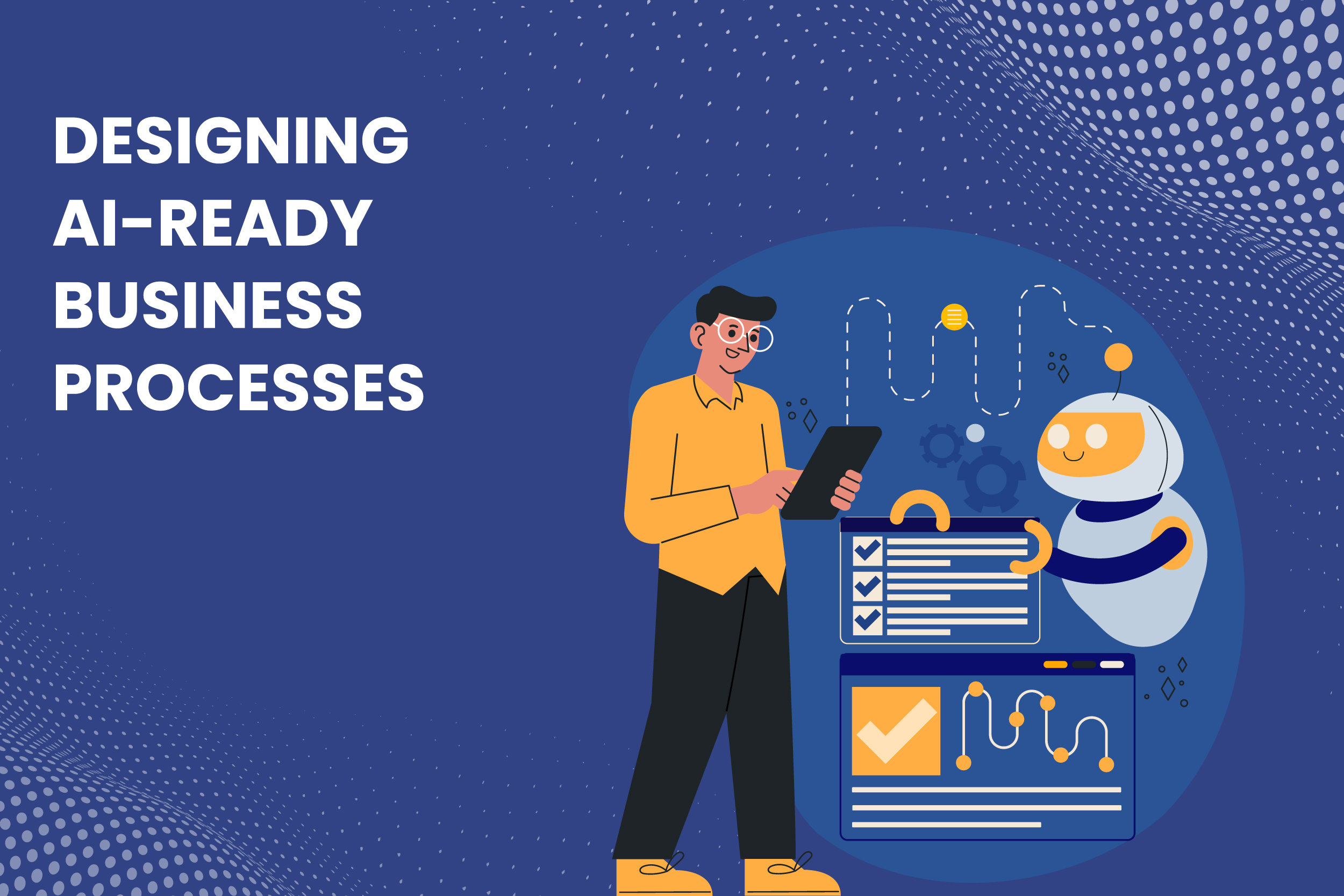
Artificial intelligence is quickly moving from experimentation to real business impact. Organizations are using AI to automate decisions, improve customer experiences, and extract insights from massive volumes of data. However, simply adopting AI tools does not guarantee success. Many companies discover that their existing workflows were never designed to support intelligent automation.
To unlock the full potential of AI, businesses must rethink how their processes are structured. This is where business process transformation becomes essential. Organizations need AI-ready processes that are structured, data-driven, and adaptable. Without these foundations, even the most advanced AI systems struggle to deliver value.
Understanding how to prepare processes for AI helps businesses build systems that are not only efficient today but also capable of evolving with future technologies.
Read More
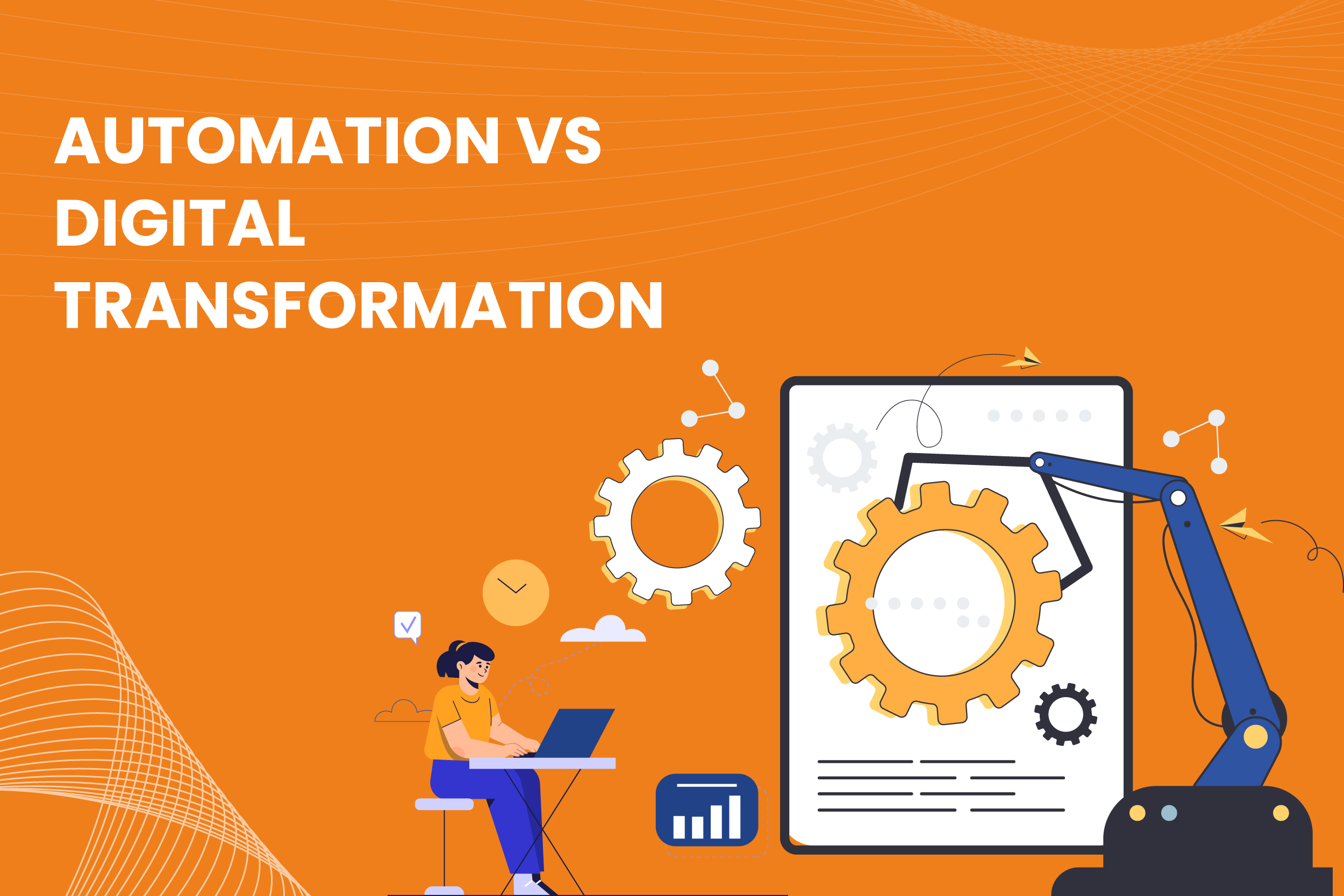
Businesses today are under constant pressure to move faster, operate efficiently, and deliver better customer experiences. In response, many organizations invest in automation tools and digital technologies. However, a common misunderstanding arises when companies assume automation alone equals transformation.
In reality, automation vs transformation is not a comparison of competing strategies. Instead, automation is a component of digital transformation, not the transformation itself. Understanding this distinction is essential for organizations that want to achieve meaningful and lasting change.
When leaders realize that automation is not digital transformation, they can approach technology adoption more strategically and avoid investing in tools that produce only limited impact.
Read More
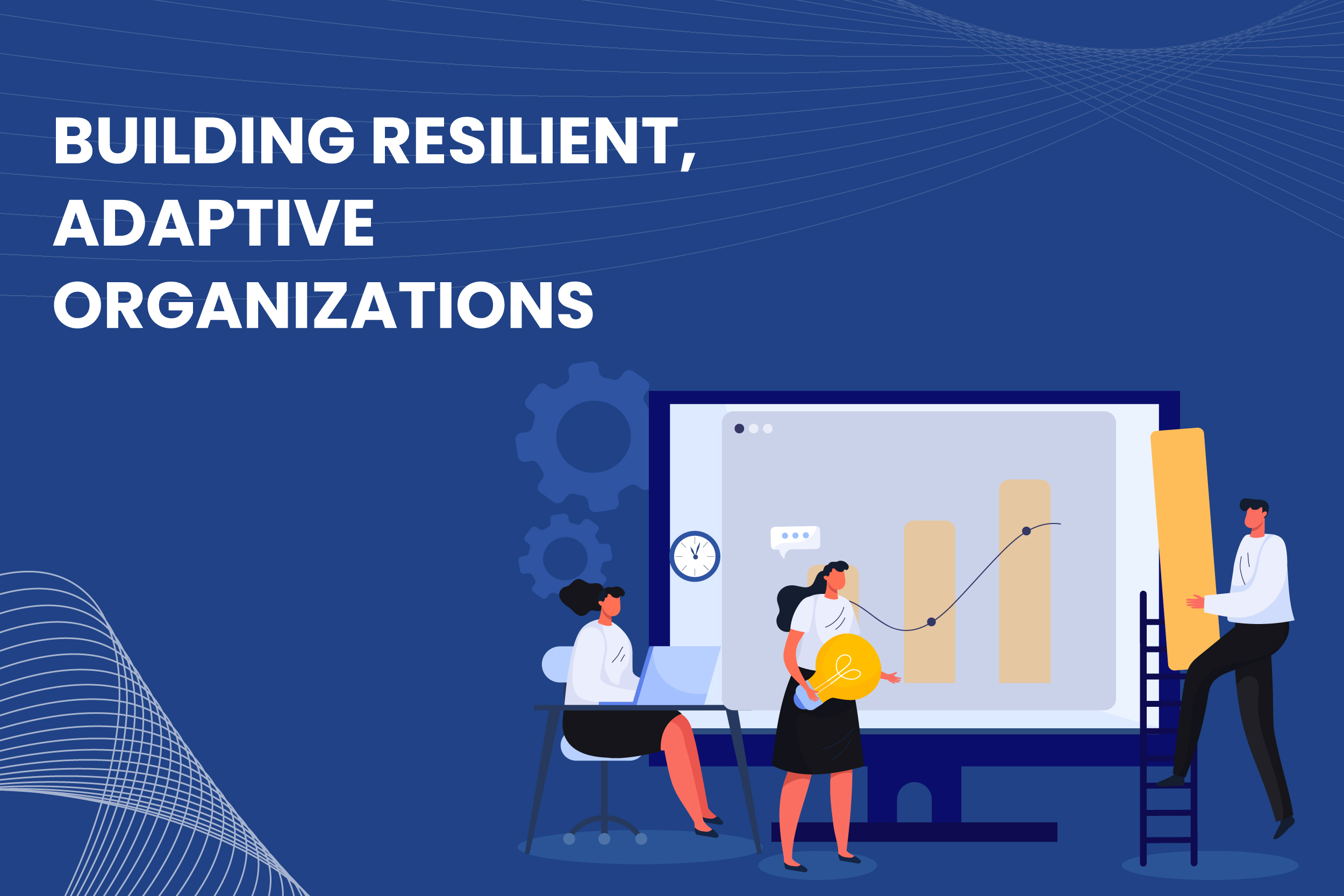
In today’s fast-paced business landscape, uncertainty is the only constant. From global economic shifts to rapid technological change, organizations face pressures that can disrupt operations, challenge growth, and threaten survival. In this environment, organizational resilience is no longer optional—it is essential. Companies that cultivate adaptability, foresight, and responsiveness are better equipped to thrive, even under the most challenging circumstances.
How companies stay resilient begins with a mindset that sees disruption not as a threat, but as an opportunity to learn, evolve, and innovate. Resilient organizations do more than recover from setbacks—they anticipate challenges, respond effectively, and emerge stronger.
Read More
In today’s fast-paced digital landscape, businesses must adapt to changing technologies and customer expectations to remain competitive. One of the most effective ways to achieve this adaptability is through digital transformation, which involves integrating digital technologies into all areas of a business. A critical component of this transformation is Enterprise Resource Planning (ERP) systems.
Read More
Implementing an SAP system can be a transformative step for organizations aiming to enhance their operational efficiency, streamline processes, and improve data visibility. However, success in an SAP implementation goes beyond simply completing the project on time and within budget. It involves measuring and analyzing key performance metrics that provide insight into how effectively the system is being utilized and whether it meets the organization’s objectives.
Read More
In today’s fast-paced business environment, efficient systems and processes are vital for success. Enterprise Resource Planning (ERP) systems like SAP are central to this, helping organizations streamline their operations, manage resources more effectively, and drive productivity.
However, ERP implementation is a complex and often challenging process that requires a skilled IT consulting partner to ensure success. Selecting the right IT consulting services for your ERP implementation, especially for SAP, can make the difference between seamless integration and costly disruptions.
Read More
Leave a Reply