
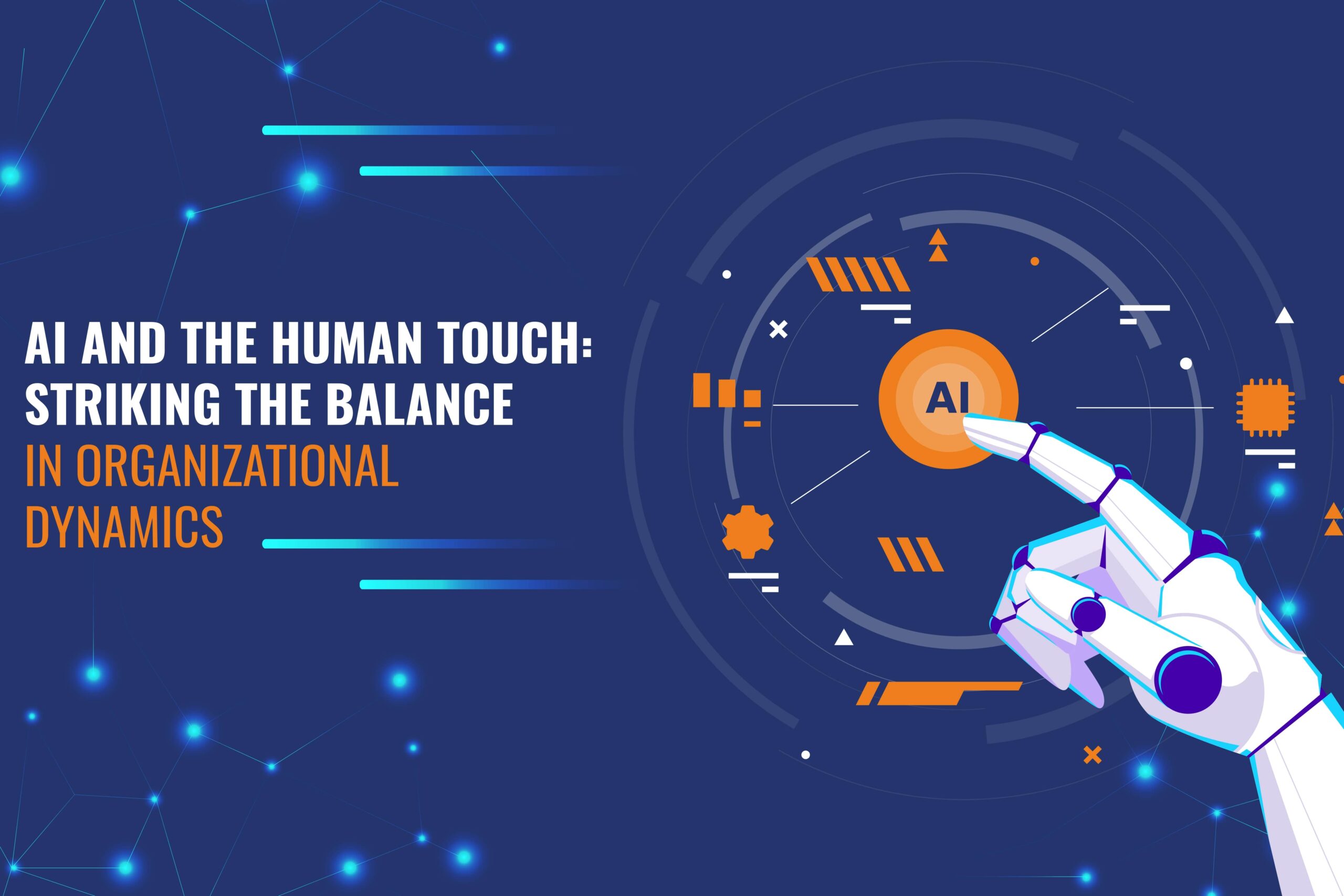
Optimizing organizational dynamics requires balancing Artificial intelligence and the human touch perfectly. When done correctly, it boosts productivity, improves consumer engagement, uses Artificial intelligence responsibly, and increases staff wellbeing. Industry-revolutionizing procedures and increased productivity directly result from AI’s powers in automation, data analysis, and decision-making. However, there is a chance that it will undermine the human aspect of organizations. Organizations must carefully take into account some crucial elements in order to achieve the proper balance.
First and foremost, the use of AI should be strategic and concentrate on processes that may automate without degrading the human experience. Through the automation of repetitive and data-driven processes, AI may play a significant role in Agile transformation services. Second, promoting a culture of cooperation between people and AI is crucial. Instead of seeing AI as a danger to their job security, employees are encouraged to embrace technology as a tool that improves their capabilities. Programs for training and upskilling the workforce can enable it to collaborate effectively with AI.
Thirdly, it is critical to uphold an ethical AI commitment. Algorithms should be open, objective, and created with the organization’s principles and objectives. Building trust among employees and consumers may be accomplished by ensuring appropriate AI practices. Additionally, businesses should often ask their staff for feedback to see how comfortable they are with AI integration. Making modifications and enhancements in response to their feedback keeps the human element at the forefront of decision-making.
Therefore, achieving the delicate yet attainable aim of peaceful cohabitation of AI with the human touch in organizational dynamics. It takes careful preparation, transparent communication, and a dedication to ethics to achieve this balance. The successful synergy of AI and the human touch in organizational dynamics hinges on recognizing the strengths and limitations of each. It requires a thoughtful approach that embraces AI’s potential for efficiency and data-driven insights.
Organizations are at a pivotal point in history due to the relentless march of technology and ever-expanding capabilities of AI. Incorporating AI into several parts of the business has promised greater efficiency, productivity, and profitability. Still, it has also sparked serious concerns about preserving the human touch in organizational dynamics.This blog will discuss the role of AI and Agile transformation services to develop a dynamic and flexible organizational culture. It helps to examine the effects of AI on the current workforce and the critical requirement. It helps to preserve a uniquely human presence in the modern workplace.
The potential for artificial intelligence (AI) to significantly increase workplace efficiency is numerous. Here are a few significant ways that AI may improve efficacy and efficiency:
To increase productivity, decision-making, and general effectiveness, AI is progressively being incorporated into various organizational processes. Here are a few significant applications of AI in organizational dynamics:
AI-powered data analytics tools can quickly and correctly analyze enormous volumes of data to uncover insightful information. So, AI uses predictive analytics to foretell trends such as consumer behavior, and market developments, assisting businesses in making wise decisions.
Artificial intelligence may speed up the hiring process for analyzing resumes, and doing preliminary candidate screenings. AI can use forecast employee turnover, detect possible problems, and increase staff retention.
AI-powered automation can perform monotonous administrative operations, freeing up staff to work on higher-value jobs.Work allocation and resource management may optimize to use AI-powered project management systems.
Artificial intelligence-powered chatbots and virtual assistants offer round-the-clock customer service and handle common questions and problems. AI sentiment analysis can analyze interactions and comments to determine client happiness and sentiment.
AI improves marketing initiatives through lead scoring, email marketing optimization, and personalized content recommendations. Chatbots with AI capabilities can captivate website visitors and help them make a purchase.
In order to cut costs and guarantee on-time delivery, AI can optimize logistics, demand forecasting, and inventory management. Preventing equipment malfunctions through AI-powered predictive maintenance reduces production downtime
In order to maximize the advantages of automation while keeping the distinctive features that people bring to the table. It is imperative to strike a balance between AI and human engagement in the workplace. The following are different methods for striking this balance:
The functions of AI and humans inside the organization should be clearly defined. Combining AI and Agile transformation services may develop a dynamic and flexible organizational culture. But it still requires human judgment, creativity, and sensitivity when implementing various innovative solutions. So, make sure that staff members are aware of their responsibilities and how AI systems might enhance their job.
Offer training and development programs to give staff the training they need to properly work with AI. Encourage lifelong learning to stay current with tools and technology. To guarantee adherence to rules and industry standards, several sectors require continual training. Financial and legal repercussions may follow noncompliance. Employees with more training are frequently better able to deliver outstanding customer service, increasing client loyalty and satisfaction. Furthermore, gauging the ROI of training initiatives will help to make sure that resources are being put to good use.
Encourage a collaborative mindset between people and AI systems. Reiterate that AI should be used to support employees, not to replace them. AI decision-making approaches can help the employees to develop their skills.
Create and disseminate ethical standards for the organization’s usage of AI. Make sure AI systems follow specific moral guidelines. To foster employee trust, practice openness and honesty about how AI uses data, what data it gathers, and how it makes choices..
So, it’s crucial to understand that the human touch is still indispensable in various commercial contexts, including decision-making, and creativity. Apparently, working with an IT solution consultant, we can establish which jobs may automate. Organizations can strike this delicate balance to establish defined roles, investing in staff training. It encourages human-AI collaboration, considering ethical considerations, and continually assessing their strategy. For more information visit our website.
Enterprise transformations are complex, high-stakes initiatives that often promise operational efficiency, digital modernization, and competitive advantage. Yet, despite meticulous planning and substantial investments, many transformation programs stumble—not because of technology, but because of people.
This is where change management becomes critical. Understanding why people resist change and applying effective strategies in transformation leadership can make the difference between a stalled project and a successful enterprise-wide transformation.
Read More
Artificial Intelligence (AI) is no longer a futuristic concept; it has become a cornerstone of modern business strategy. From automating routine tasks to generating insights from vast datasets, AI promises efficiency, innovation, and competitive advantage.
Yet, the rapid pace of AI adoption also brings uncertainty. Many executives struggle with defining their role in AI strategy, leading to stalled projects or missed opportunities. Understanding how leaders should think about AI is essential for turning technology into tangible business outcomes.
Read More
Digital transformation is no longer just a buzzword—it’s a necessity for businesses aiming to stay competitive in today’s fast-paced market. Organizations invest in cloud technologies, automation, AI, and customer-centric platforms to modernize operations and create value. But with so many initiatives underway, one pressing question arises: how to measure transformation success? Without clear metrics, companies risk investing heavily without knowing whether their efforts are truly paying off.
Measuring success in digital transformation goes beyond counting deployed tools or completed projects. It requires tracking meaningful indicators that reflect actual business outcomes, employee adoption, and customer impact. Defining transformation KPIs early in the journey ensures that initiatives stay aligned with strategic goals and deliver measurable value.
Read More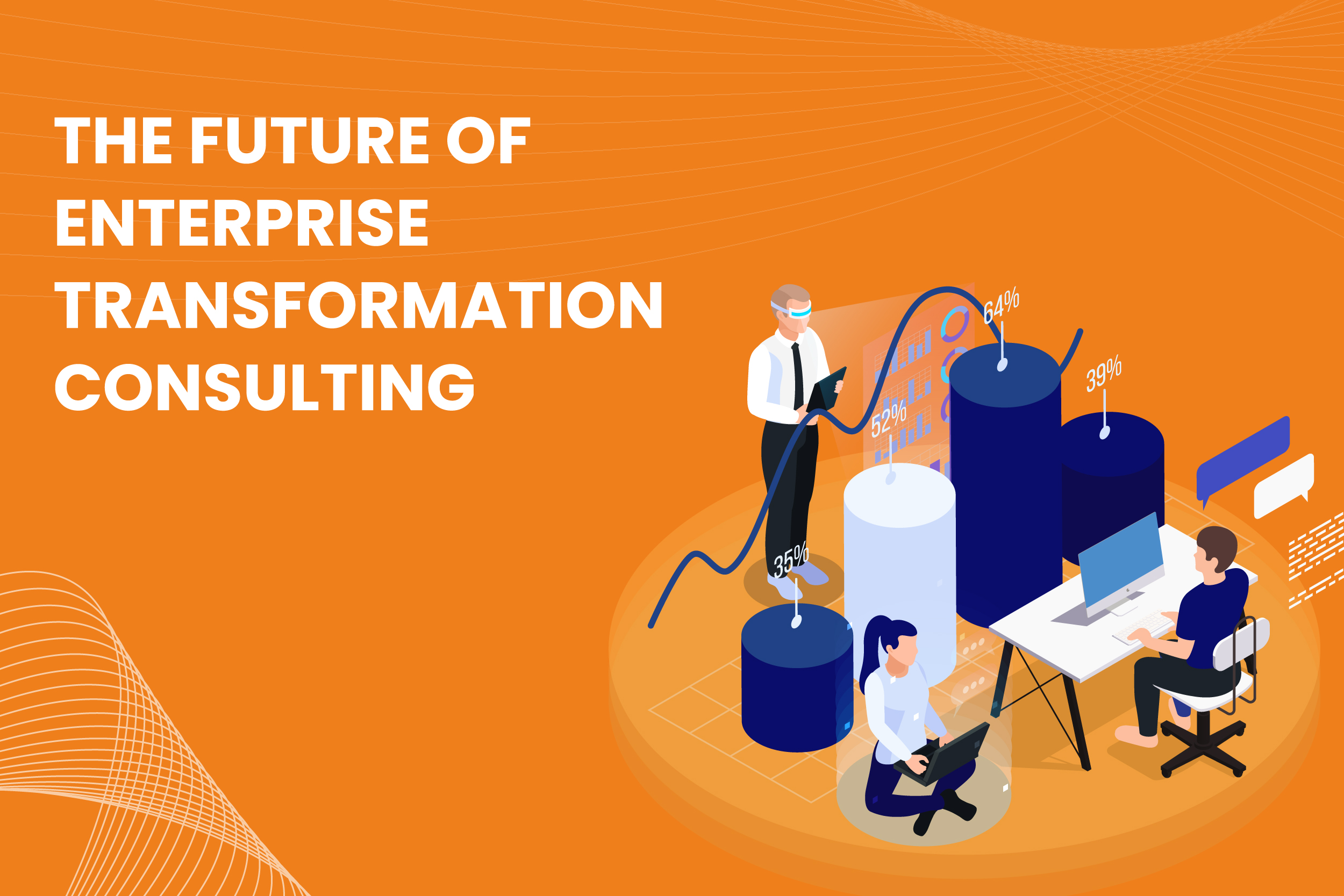
Enterprise transformation is no longer a niche service—it has become a critical driver for organizations seeking growth, agility, and resilience. Businesses today face unprecedented challenges: rapidly evolving technologies, shifting customer expectations, and complex global markets. In response, transformation consulting has evolved from offering generic recommendations to delivering highly specialized, strategic guidance that helps enterprises navigate this dynamic landscape.
Understanding how consulting is changing provides insights into what the future of enterprise transformation consulting looks like, and why companies are increasingly relying on experts to guide their transformational journeys.
Read More
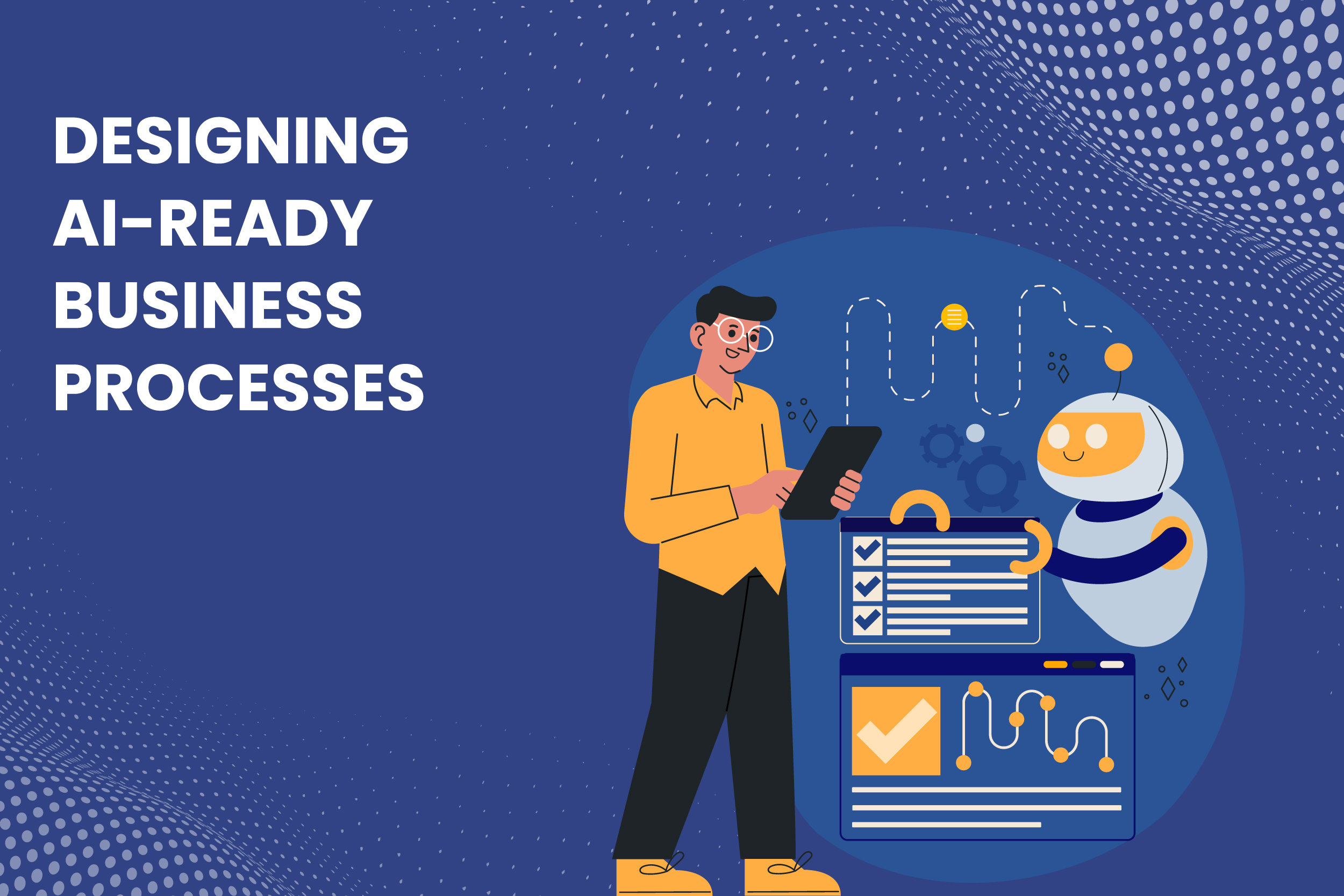
Artificial intelligence is quickly moving from experimentation to real business impact. Organizations are using AI to automate decisions, improve customer experiences, and extract insights from massive volumes of data. However, simply adopting AI tools does not guarantee success. Many companies discover that their existing workflows were never designed to support intelligent automation.
To unlock the full potential of AI, businesses must rethink how their processes are structured. This is where business process transformation becomes essential. Organizations need AI-ready processes that are structured, data-driven, and adaptable. Without these foundations, even the most advanced AI systems struggle to deliver value.
Understanding how to prepare processes for AI helps businesses build systems that are not only efficient today but also capable of evolving with future technologies.
Read More
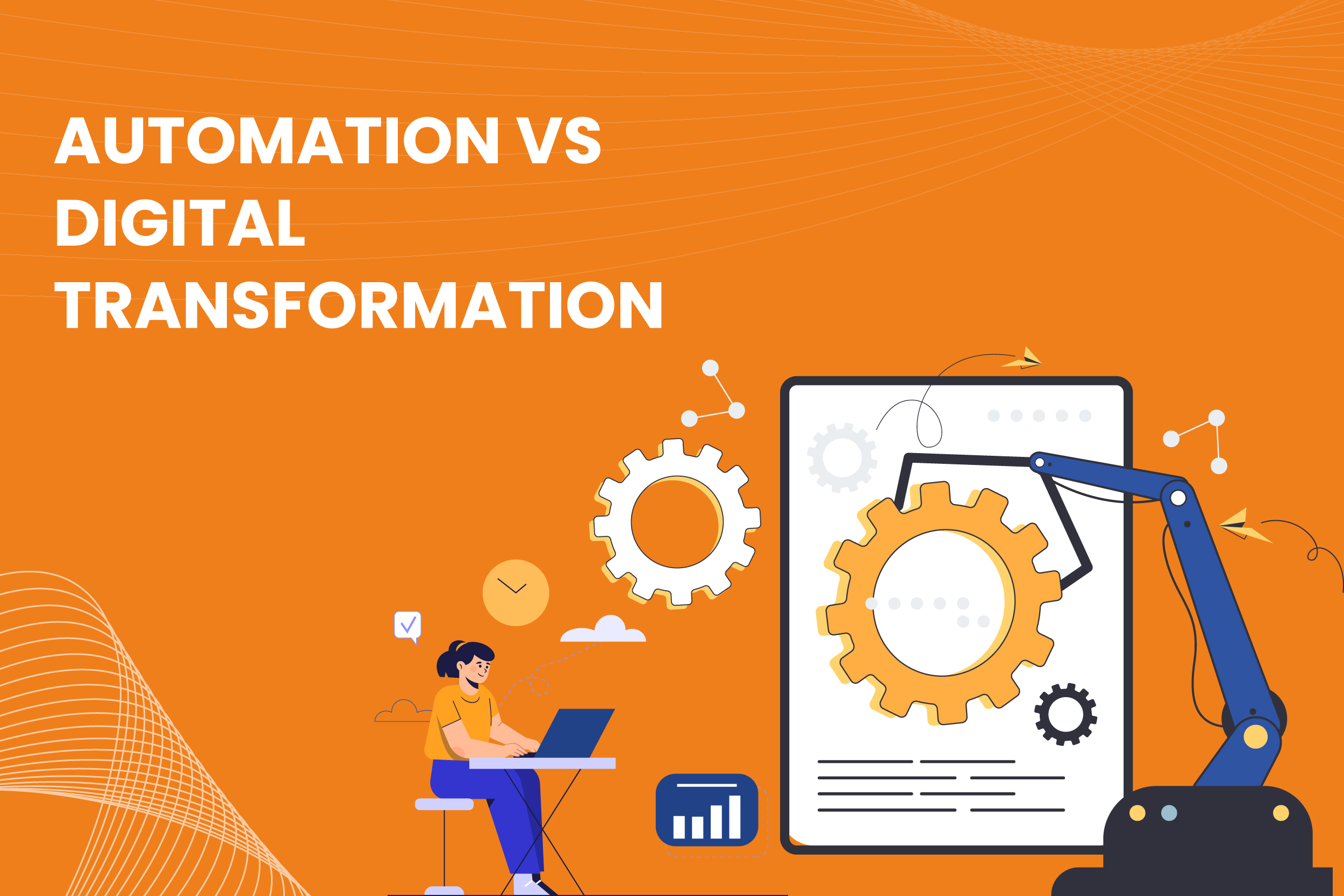
Businesses today are under constant pressure to move faster, operate efficiently, and deliver better customer experiences. In response, many organizations invest in automation tools and digital technologies. However, a common misunderstanding arises when companies assume automation alone equals transformation.
In reality, automation vs transformation is not a comparison of competing strategies. Instead, automation is a component of digital transformation, not the transformation itself. Understanding this distinction is essential for organizations that want to achieve meaningful and lasting change.
When leaders realize that automation is not digital transformation, they can approach technology adoption more strategically and avoid investing in tools that produce only limited impact.
Read More
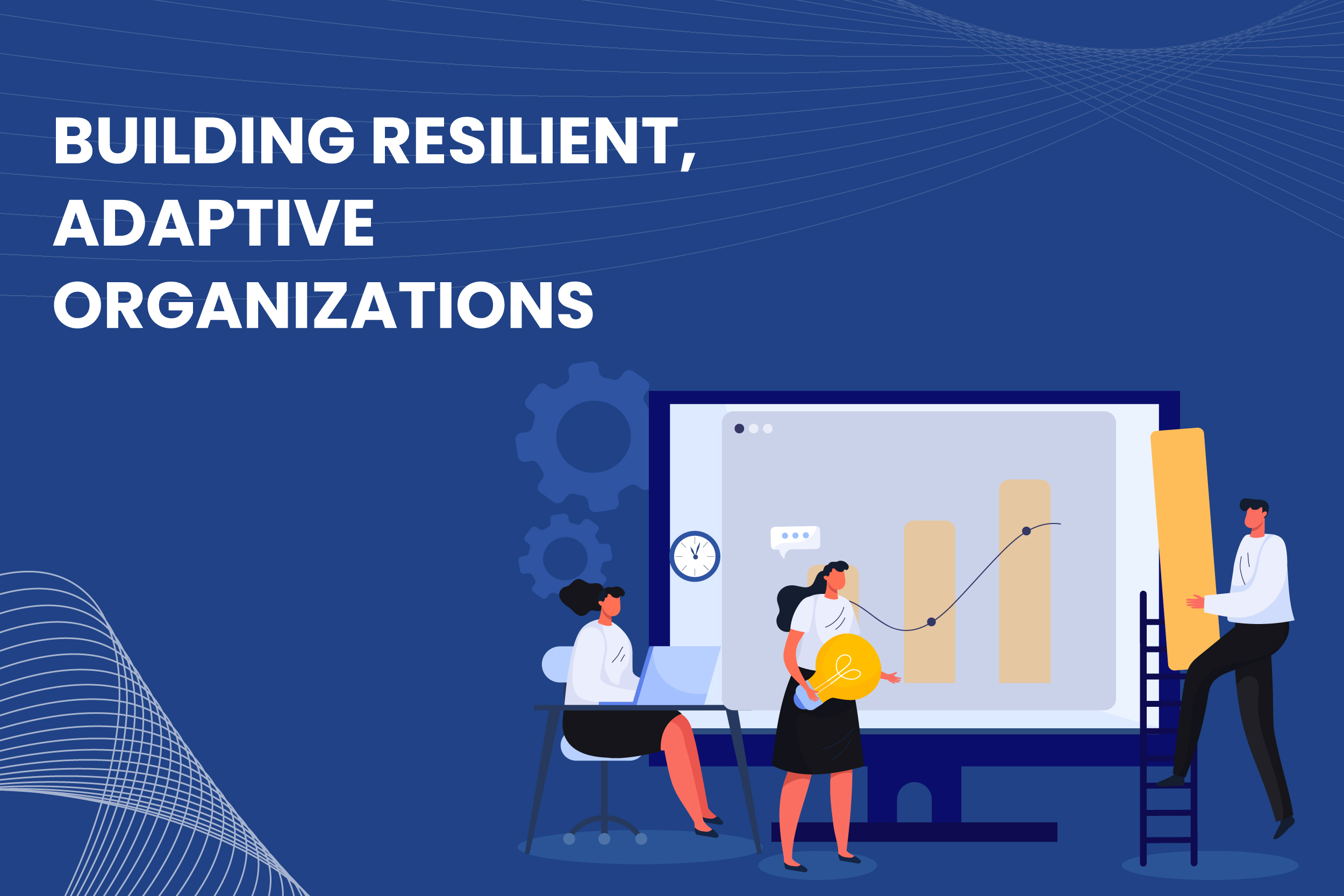
In today’s fast-paced business landscape, uncertainty is the only constant. From global economic shifts to rapid technological change, organizations face pressures that can disrupt operations, challenge growth, and threaten survival. In this environment, organizational resilience is no longer optional—it is essential. Companies that cultivate adaptability, foresight, and responsiveness are better equipped to thrive, even under the most challenging circumstances.
How companies stay resilient begins with a mindset that sees disruption not as a threat, but as an opportunity to learn, evolve, and innovate. Resilient organizations do more than recover from setbacks—they anticipate challenges, respond effectively, and emerge stronger.
Read More
In today’s fast-paced digital landscape, businesses must adapt to changing technologies and customer expectations to remain competitive. One of the most effective ways to achieve this adaptability is through digital transformation, which involves integrating digital technologies into all areas of a business. A critical component of this transformation is Enterprise Resource Planning (ERP) systems.
Read More
Implementing an SAP system can be a transformative step for organizations aiming to enhance their operational efficiency, streamline processes, and improve data visibility. However, success in an SAP implementation goes beyond simply completing the project on time and within budget. It involves measuring and analyzing key performance metrics that provide insight into how effectively the system is being utilized and whether it meets the organization’s objectives.
Read More
In today’s fast-paced business environment, efficient systems and processes are vital for success. Enterprise Resource Planning (ERP) systems like SAP are central to this, helping organizations streamline their operations, manage resources more effectively, and drive productivity.
However, ERP implementation is a complex and often challenging process that requires a skilled IT consulting partner to ensure success. Selecting the right IT consulting services for your ERP implementation, especially for SAP, can make the difference between seamless integration and costly disruptions.
Read More
Leave a Reply