

The use of public cloud services is expanding rapidly. By combining products and services using the XaaS model of servitization, firms may innovate more quickly and improve their client relationships, both of which boost sales.
The advent of COVID-19 not only demonstrated the necessity for digitizing business processes, but they have also unexpectedly sped up the system. Businesses that were able to expand their operations with the help of the internet, made the best judgments possible.
Using business analytics, these companies were able to chalk out proper planning for themselves and benefitted in the process. For better SAP implementation, it introduced “RISE with SAP,” a set of services and products intended to hasten the transformation into an intelligent enterprise, to assist businesses in achieving the technological agility and efficiency required.
Systems Applications and Products in Data Processing, or SAP, is a type of ERP system. The market-share leader in ERP is multinational software. Today, having a solid understanding of SAP implementation and functionalities is crucial. Gaining SAP expertise can help you get ready for a job at a business that makes use of this software.
As-a-service, or *aaS, refers to something that is offered to a customer, internal or external, as a service (for example, X-as-a-service). Offerings that are As-a-Service, or XaaS (Anything or Everything-as-a-Service), give clients and consumers access to endpoints that are often API driven but may frequently be handled via a web panel in a web application.
The use of public cloud services is expanding rapidly. By combining products and services using the XaaS model of servitization, firms may innovate more quickly and improve their client relationships, both of which boost sales. For more information visit our websites.

Artificial intelligence is rapidly reshaping how organizations operate, compete, and innovate. From automated customer support to predictive analytics, AI technologies are becoming central to modern business strategy. However, with this rapid adoption comes a critical responsibility: ensuring AI systems are used ethically, safely, and effectively.
Read More
Artificial intelligence has quickly moved from experimentation to strategic priority. Across industries, organizations are exploring how AI can improve decision-making, automate processes, and unlock new business opportunities. However, many companies struggle with one critical question: where should they begin?
Read More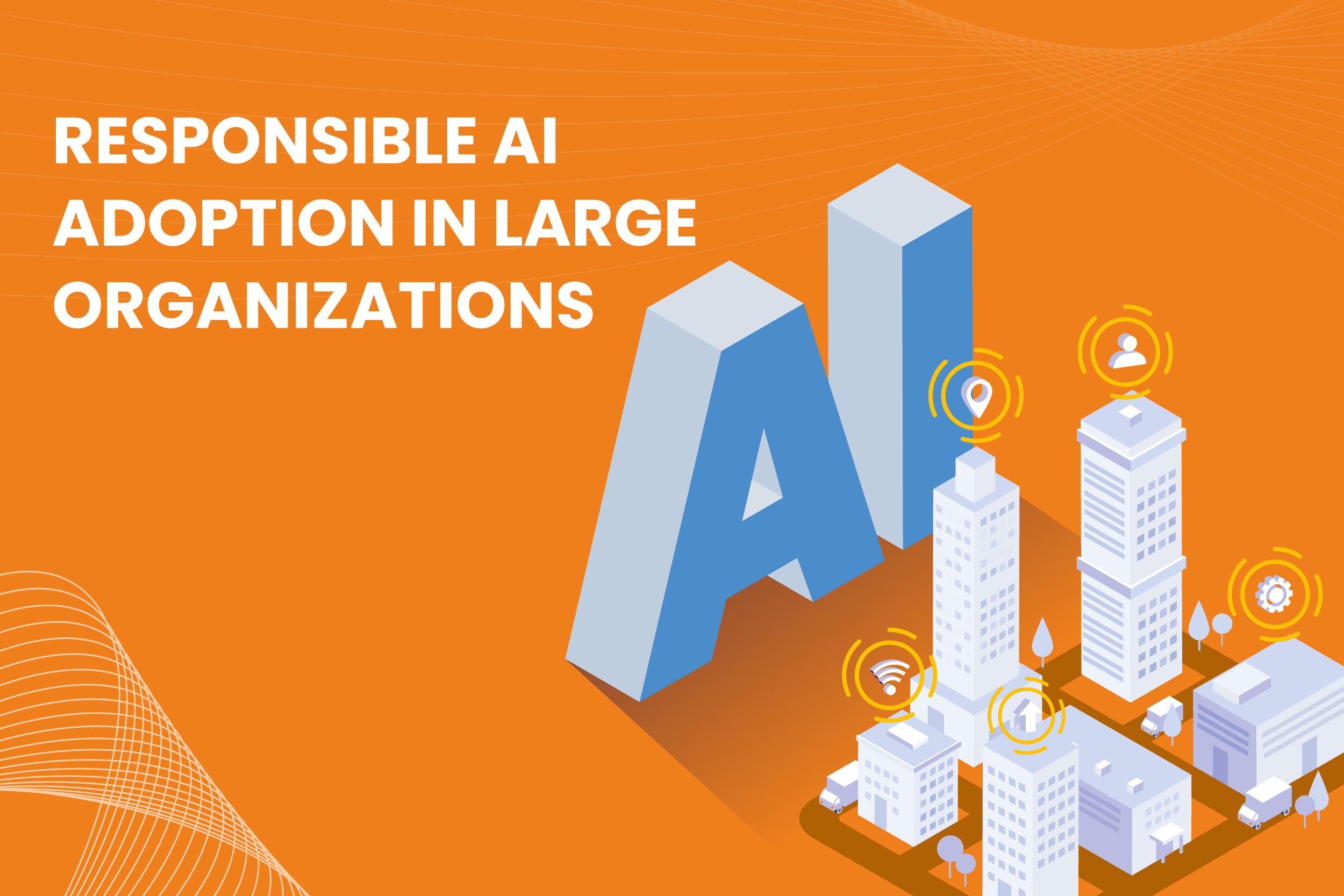
Artificial intelligence is transforming how modern businesses operate. From automating workflows to generating insights from massive datasets, AI offers organizations unprecedented opportunities to innovate and scale. However, as AI capabilities grow, so do concerns around ethics, accountability, and transparency. This is why responsible AI has become a critical priority for large organizations.
Read More
Digital transformation has become a strategic priority for organizations across industries. Businesses are investing in advanced technologies, data platforms, and automation tools to improve efficiency and remain competitive in an increasingly digital world. However, transformation initiatives are rarely simple. Many organizations underestimate the complexity of change, leading to delays, wasted investments, or stalled projects.
Read More
For many organizations, legacy systems are both a foundation and a barrier. These older technologies once powered growth, managed operations, and supported critical business functions. Over time, however, they often become difficult to maintain, expensive to update, and incompatible with modern tools. As markets evolve and customer expectations rise, businesses increasingly recognize the need for legacy modernization.
Read More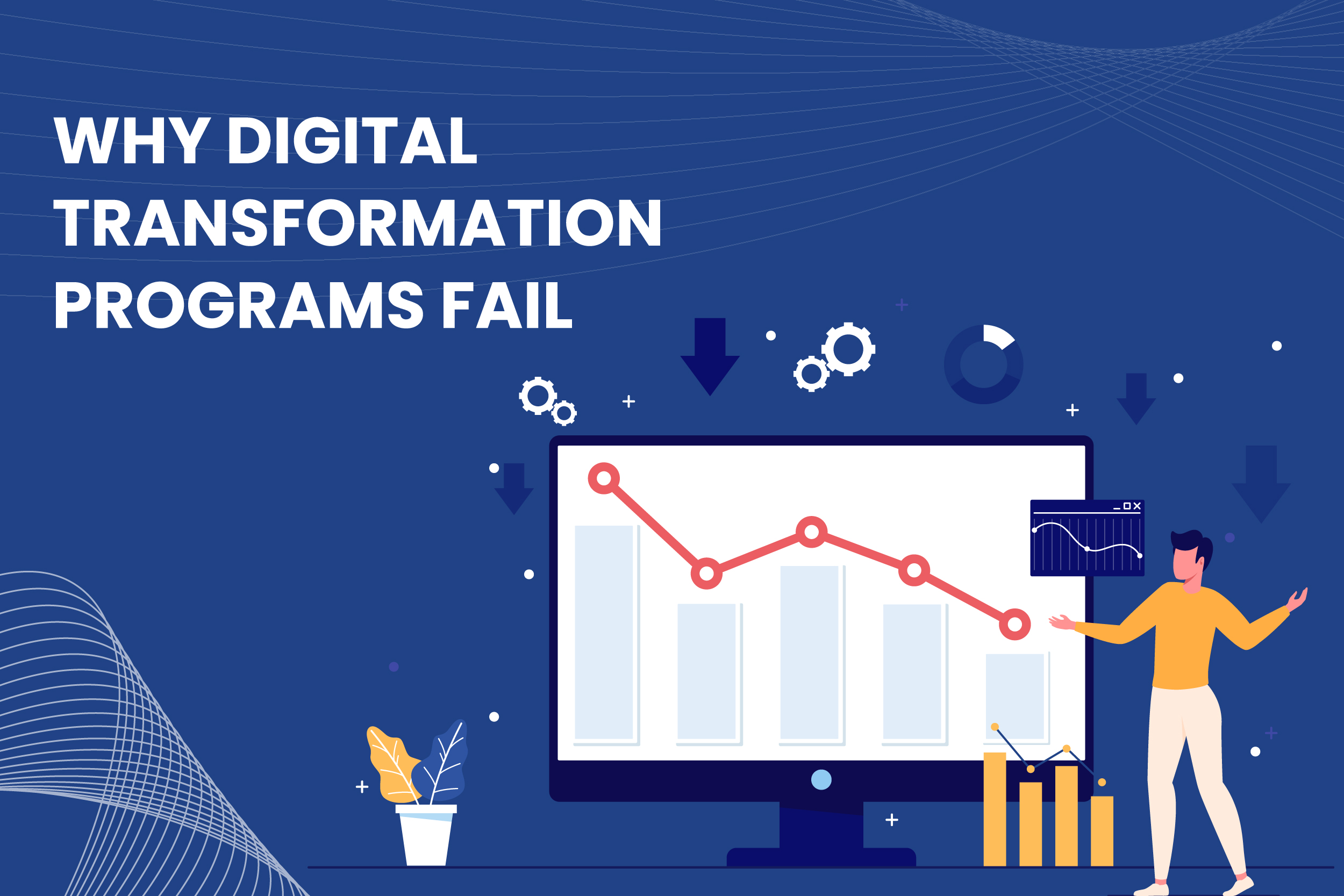
Digital transformation promises speed, innovation, and competitive advantage. Yet, despite heavy investments in new technologies, many organizations struggle to achieve meaningful results. In fact, digital transformation failure is more common than most companies expect. Businesses launch ambitious initiatives to modernize systems, adopt AI, or improve customer experiences, but somewhere along the way, momentum fades.
Understanding why digital transformations fail requires looking beyond technology. The real problems often lie in strategy, culture, leadership, and execution. When these elements are misaligned, even the most advanced tools cannot deliver transformation.
Below are some of the most common enterprise transformation challenges that cause digital initiatives to stall or collapse.
Read More
Artificial intelligence is quickly moving from experimentation to enterprise-wide implementation. Many organizations have already tested AI through pilot projects, automation tools, or analytics platforms. The next step—scaling AI across the organization—promises greater efficiency, smarter decision-making, and new business opportunities.
However, expanding AI initiatives without the right structure can create confusion rather than progress. Disconnected tools, unclear governance, and untrained teams often turn promising projects into operational headaches. For companies pursuing enterprise AI adoption, the real challenge is learning how to scale AI safely while maintaining control, consistency, and trust.
Successfully scaling AI requires thoughtful planning, strong governance, and a focus on people as much as technology.
Read More
Businesses evolve constantly. Markets change, customer expectations rise, and new technologies reshape how companies operate. To keep up, organizations often need more than new tools or strategies—they need to rethink how the entire business functions. This is where operating model transformation comes in.
While the phrase may sound complex, the concept is actually quite simple. It is about redesigning how a company works so that it can deliver value more efficiently, adapt faster, and support long-term growth.
Understanding what is an operating model transformation helps leaders make better decisions about people, processes, and technology.
Read More
Enterprise transformations are complex, high-stakes initiatives that often promise operational efficiency, digital modernization, and competitive advantage. Yet, despite meticulous planning and substantial investments, many transformation programs stumble—not because of technology, but because of people.
This is where change management becomes critical. Understanding why people resist change and applying effective strategies in transformation leadership can make the difference between a stalled project and a successful enterprise-wide transformation.
Read More
Artificial Intelligence (AI) is no longer a futuristic concept; it has become a cornerstone of modern business strategy. From automating routine tasks to generating insights from vast datasets, AI promises efficiency, innovation, and competitive advantage.
Yet, the rapid pace of AI adoption also brings uncertainty. Many executives struggle with defining their role in AI strategy, leading to stalled projects or missed opportunities. Understanding how leaders should think about Artificial Intelligence is essential for turning technology into tangible business outcomes.
Read More
Leave a Reply