
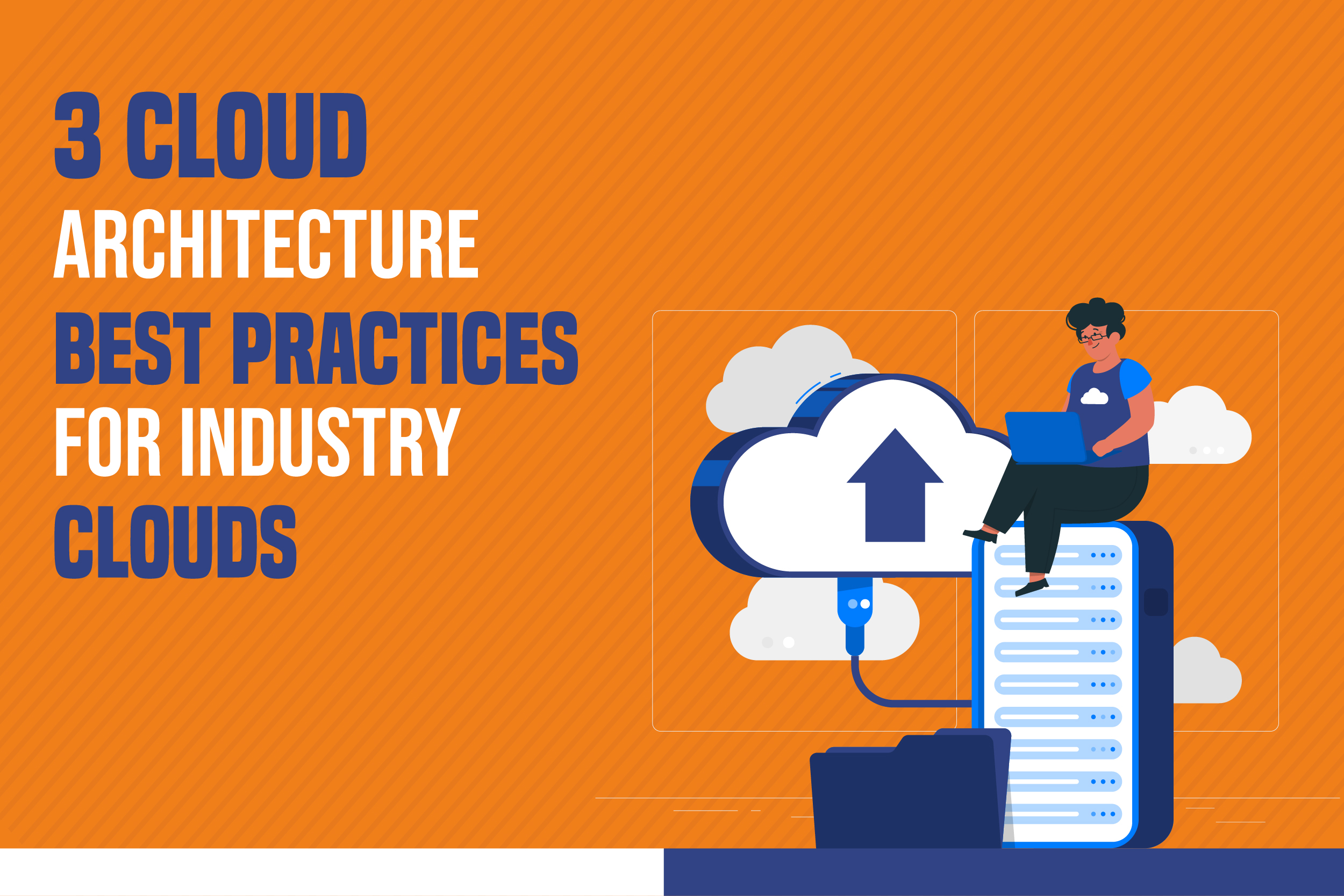
Cloud computing operates by allowing client devices to connect to remote physical servers, databases, and computers via the internet to access data and cloud applications.
Regardless of the edition selected, SAP S/4HANA can be deployed hybrid, on-premises, or in the cloud, giving businesses the flexibility to pick the deployment method that best suits their requirements. Although the principle of a cloud-based industry is relatively new, demand from companies is growing daily, and investments in industrial cloud computing are rising as well because businesses want to receive higher returns on their cloud computing investments. As technology for the sector improves & becomes widely accessible, companies that jump on the industry cloud will soon see significant success.
Do you want to know the 3 best practices of cloud architecture for the cloud industry? If yes, in this blog, we will discuss the best practices of cloud architecture and its impact on the cloud industry. The foundation of your cloud is a good cloud architecture design, which is built on wise choices.
Cloud computing’s architecture is straightforward. It clearly defines the components and subcomponents that are included within it. There’s no doubt that cloud computing will be around for the foreseeable future. It’s a factor in all aspects of our daily lives and offers many benefits in storage, flexibility sharing, maintenance, and more. There are three primary best practices of cloud computing, which are discussed below.
Service-oriented architecture ideas, which are essential to today’s clouds, were the majority in IT years ago. IT consulting services company frequently search for sector-specific services or APIs to avoid creating those services from scratch.
Instead of asking how an industry-specific product should be leveraged today, the question is whether it should be used. The phrase “build versus buy” sums up the idea the best.
Businesses need to weigh the expenses of developing and managing their services against the costs of implementing and managing third-party services. Most of us have been taught that it’s always better to use OPC (other people’s codes) rather than create something from scratch. However, in practice, there are frequently unpredicted costs & complexity.
Asking questions and cloud transformation the answers will help you comprehend this recommended practice more clearly. In addition, you’ll find that the cost and complexity typically result in more value for the business, though this is only sometimes the case.
Refrain from assuming anything about the security of sector-specific clouds. While the standalone services offered by the more significant cloud transformation service providers could be safe, integrating and using them as part of your solution could make them vulnerable to security threats.
The ideal approach, in this case, is to incorporate security into the design of your unique applications that use commercial clouds. Do this while keeping integration in mind to prevent the opening of any new security holes. You can combine two items previously considered secure with dependencies to alter the security profile completely.
One standard error observed is solely using a single provider’s industry-specific cloud services. A proper IT consulting services company understands how simple it is to restrict self to a market-based possible service or solution native to your sector. However, the best alternative is frequently found on another cloud or an independent industrial cloud provider.
The best step in this situation is to keep the sector-specific service under consideration. Many benefits will appear over time to perform activities such as risk analytics for investment banking. However, selecting the less right option will reduce the value given back to the company. Or less-optimized judgments result in lower ROI.
Therefore, these 3 cloud architectures are beneficial for production planning in the organization. With the help of proper cloud computing, the organization can reach its development goals. If you want to know more about the best practices of cloud architecture, you should visit our websites.
For many organizations, legacy systems are both a foundation and a barrier. These older technologies once powered growth, managed operations, and supported critical business functions. Over time, however, they often become difficult to maintain, expensive to update, and incompatible with modern tools. As markets evolve and customer expectations rise, businesses increasingly recognize the need for legacy modernization.
Read More
Digital transformation promises speed, innovation, and competitive advantage. Yet, despite heavy investments in new technologies, many organizations struggle to achieve meaningful results. In fact, digital transformation failure is more common than most companies expect. Businesses launch ambitious initiatives to modernize systems, adopt AI, or improve customer experiences, but somewhere along the way, momentum fades.
Understanding why digital transformations fail requires looking beyond technology. The real problems often lie in strategy, culture, leadership, and execution. When these elements are misaligned, even the most advanced tools cannot deliver transformation.
Below are some of the most common enterprise transformation challenges that cause digital initiatives to stall or collapse.
Read More
Artificial intelligence is quickly moving from experimentation to enterprise-wide implementation. Many organizations have already tested AI through pilot projects, automation tools, or analytics platforms. The next step—scaling AI across the organization—promises greater efficiency, smarter decision-making, and new business opportunities.
However, expanding AI initiatives without the right structure can create confusion rather than progress. Disconnected tools, unclear governance, and untrained teams often turn promising projects into operational headaches. For companies pursuing enterprise AI adoption, the real challenge is learning how to scale AI safely while maintaining control, consistency, and trust.
Successfully scaling AI requires thoughtful planning, strong governance, and a focus on people as much as technology.
Read More
Businesses evolve constantly. Markets change, customer expectations rise, and new technologies reshape how companies operate. To keep up, organizations often need more than new tools or strategies—they need to rethink how the entire business functions. This is where operating model transformation comes in.
While the phrase may sound complex, the concept is actually quite simple. It is about redesigning how a company works so that it can deliver value more efficiently, adapt faster, and support long-term growth.
Understanding what is an operating model transformation helps leaders make better decisions about people, processes, and technology.
Read More
Enterprise transformations are complex, high-stakes initiatives that often promise operational efficiency, digital modernization, and competitive advantage. Yet, despite meticulous planning and substantial investments, many transformation programs stumble—not because of technology, but because of people.
This is where change management becomes critical. Understanding why people resist change and applying effective strategies in transformation leadership can make the difference between a stalled project and a successful enterprise-wide transformation.
Read More
Artificial Intelligence (AI) is no longer a futuristic concept; it has become a cornerstone of modern business strategy. From automating routine tasks to generating insights from vast datasets, AI promises efficiency, innovation, and competitive advantage.
Yet, the rapid pace of AI adoption also brings uncertainty. Many executives struggle with defining their role in AI strategy, leading to stalled projects or missed opportunities. Understanding how leaders should think about Artificial Intelligence is essential for turning technology into tangible business outcomes.
Read More
Digital transformation is no longer just a buzzword—it’s a necessity for businesses aiming to stay competitive in today’s fast-paced market. Organizations invest in cloud technologies, automation, AI, and customer-centric platforms to modernize operations and create value. But with so many initiatives underway, one pressing question arises: how to measure transformation success? Without clear metrics, companies risk investing heavily without knowing whether their efforts are truly paying off.
Measuring success in digital transformation goes beyond counting deployed tools or completed projects. It requires tracking meaningful indicators that reflect actual business outcomes, employee adoption, and customer impact. Defining transformation KPIs early in the journey ensures that initiatives stay aligned with strategic goals and deliver measurable value.
Read More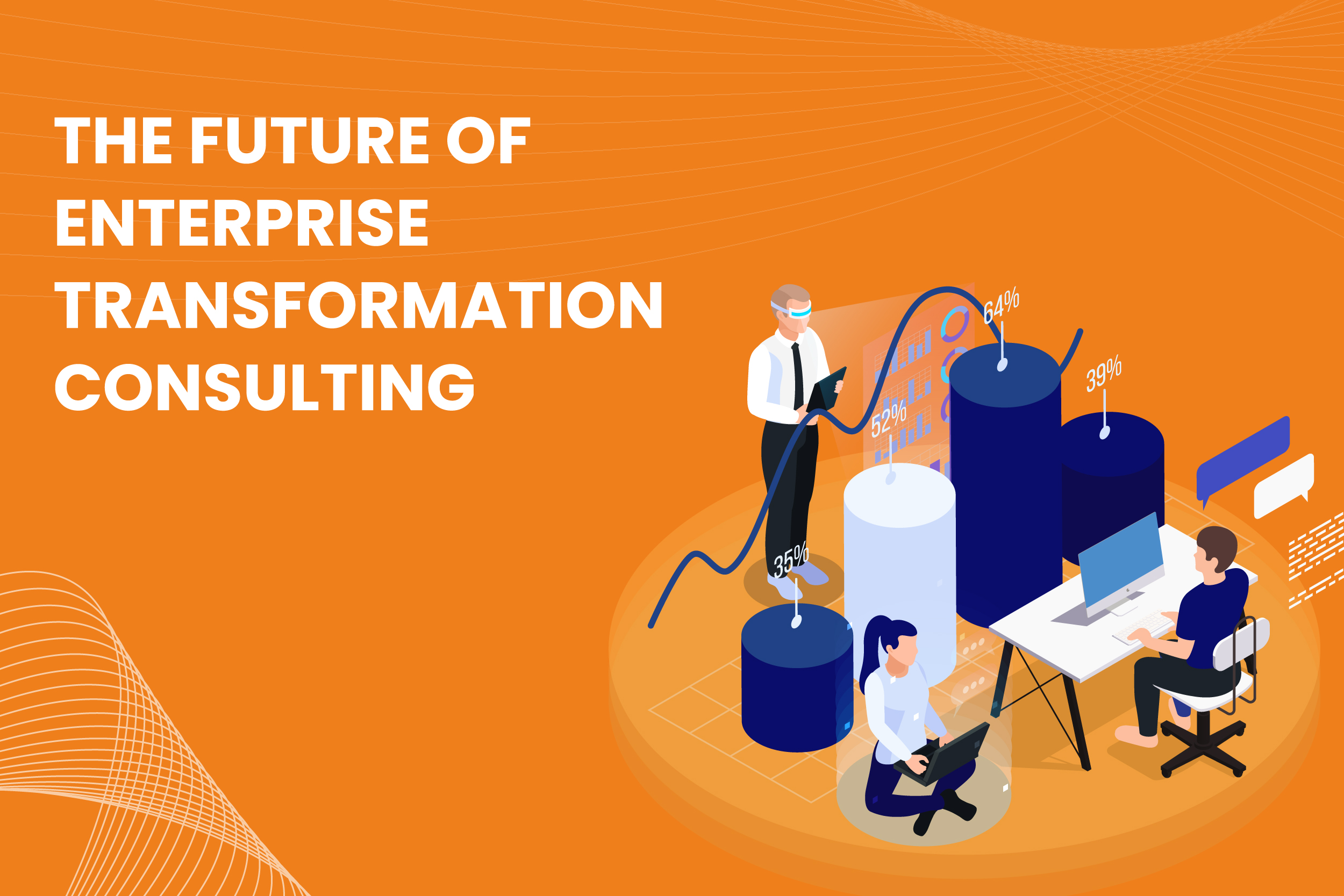
Enterprise transformation is no longer a niche service—it has become a critical driver for organizations seeking growth, agility, and resilience. Businesses today face unprecedented challenges: rapidly evolving technologies, shifting customer expectations, and complex global markets. In response, transformation consulting has evolved from offering generic recommendations to delivering highly specialized, strategic guidance that helps enterprises navigate this dynamic landscape.
Understanding how consulting is changing provides insights into what the future of enterprise transformation consulting looks like, and why companies are increasingly relying on experts to guide their transformational journeys.
Read More
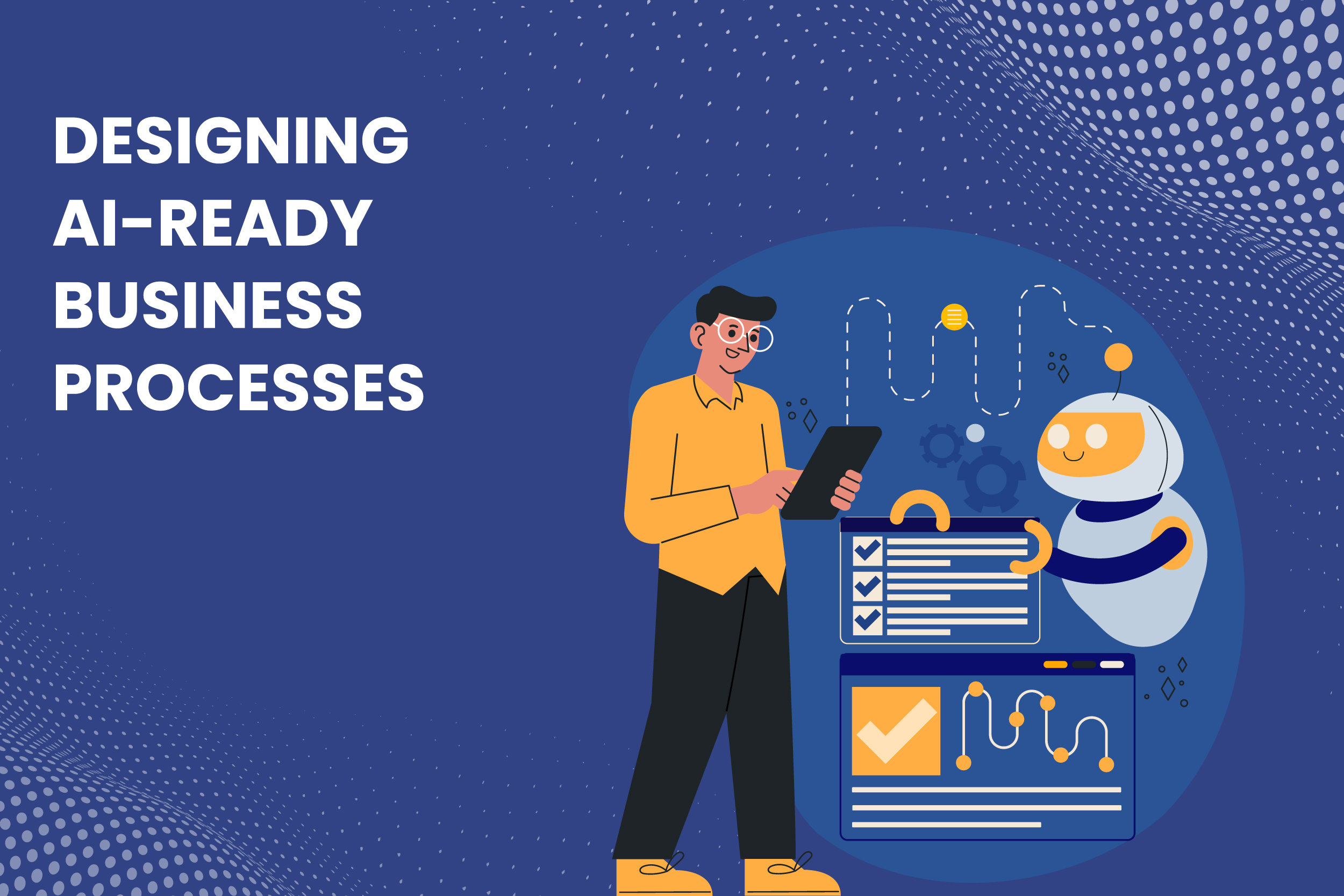
Artificial intelligence is quickly moving from experimentation to real business impact. Organizations are using AI to automate decisions, improve customer experiences, and extract insights from massive volumes of data. However, simply adopting AI tools does not guarantee success. Many companies discover that their existing workflows were never designed to support intelligent automation.
To unlock the full potential of AI, businesses must rethink how their processes are structured. This is where business process transformation becomes essential. Organizations need AI-ready processes that are structured, data-driven, and adaptable. Without these foundations, even the most advanced AI systems struggle to deliver value.
Understanding how to prepare processes for AI helps businesses build systems that are not only efficient today but also capable of evolving with future technologies.
Read More
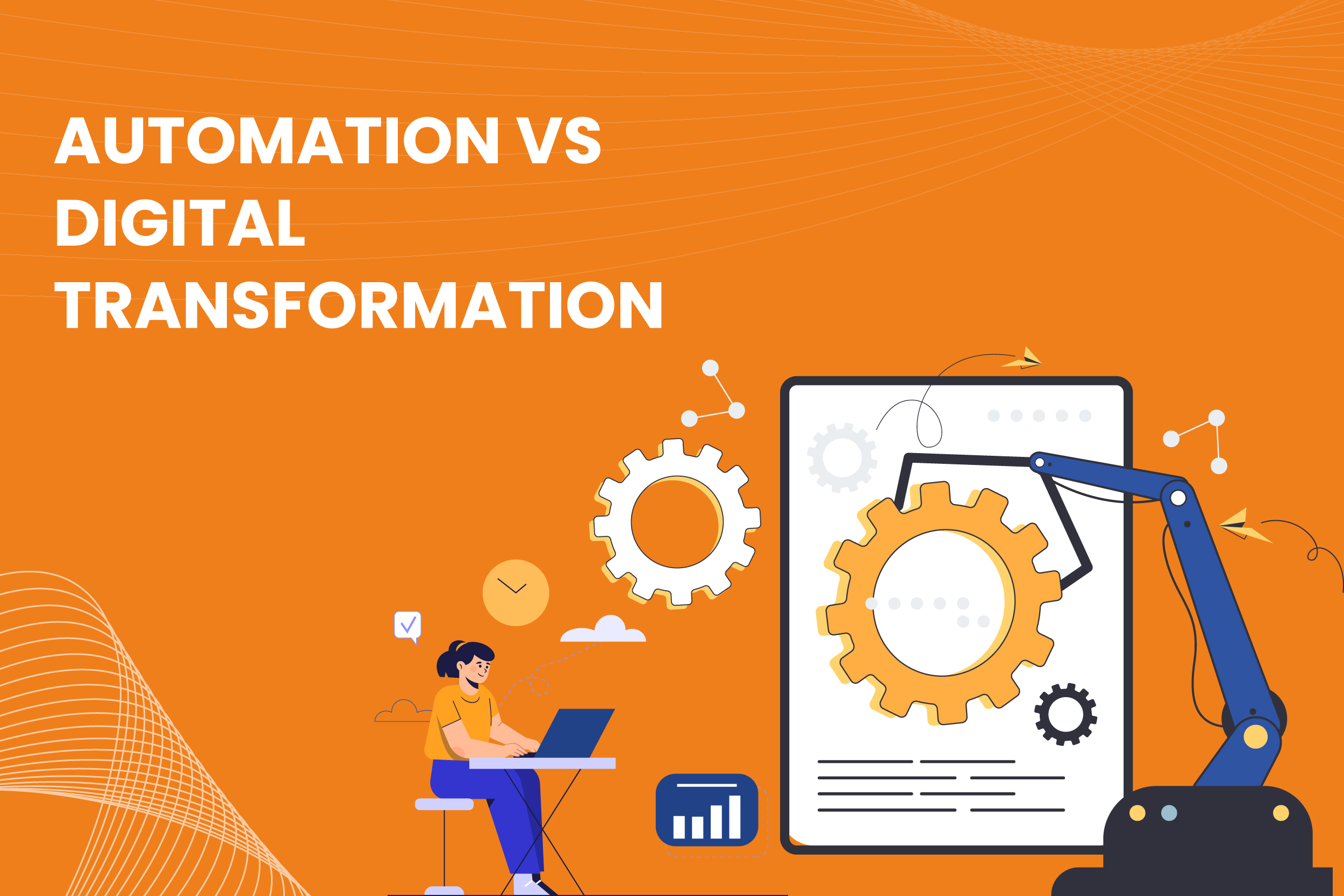
Businesses today are under constant pressure to move faster, operate efficiently, and deliver better customer experiences. In response, many organizations invest in automation tools and digital technologies. However, a common misunderstanding arises when companies assume automation alone equals transformation.
In reality, automation vs transformation is not a comparison of competing strategies. Instead, automation is a component of digital transformation, not the transformation itself. Understanding this distinction is essential for organizations that want to achieve meaningful and lasting change.
When leaders realize that automation is not digital transformation, they can approach technology adoption more strategically and avoid investing in tools that produce only limited impact.
Read More

Leave a Reply