
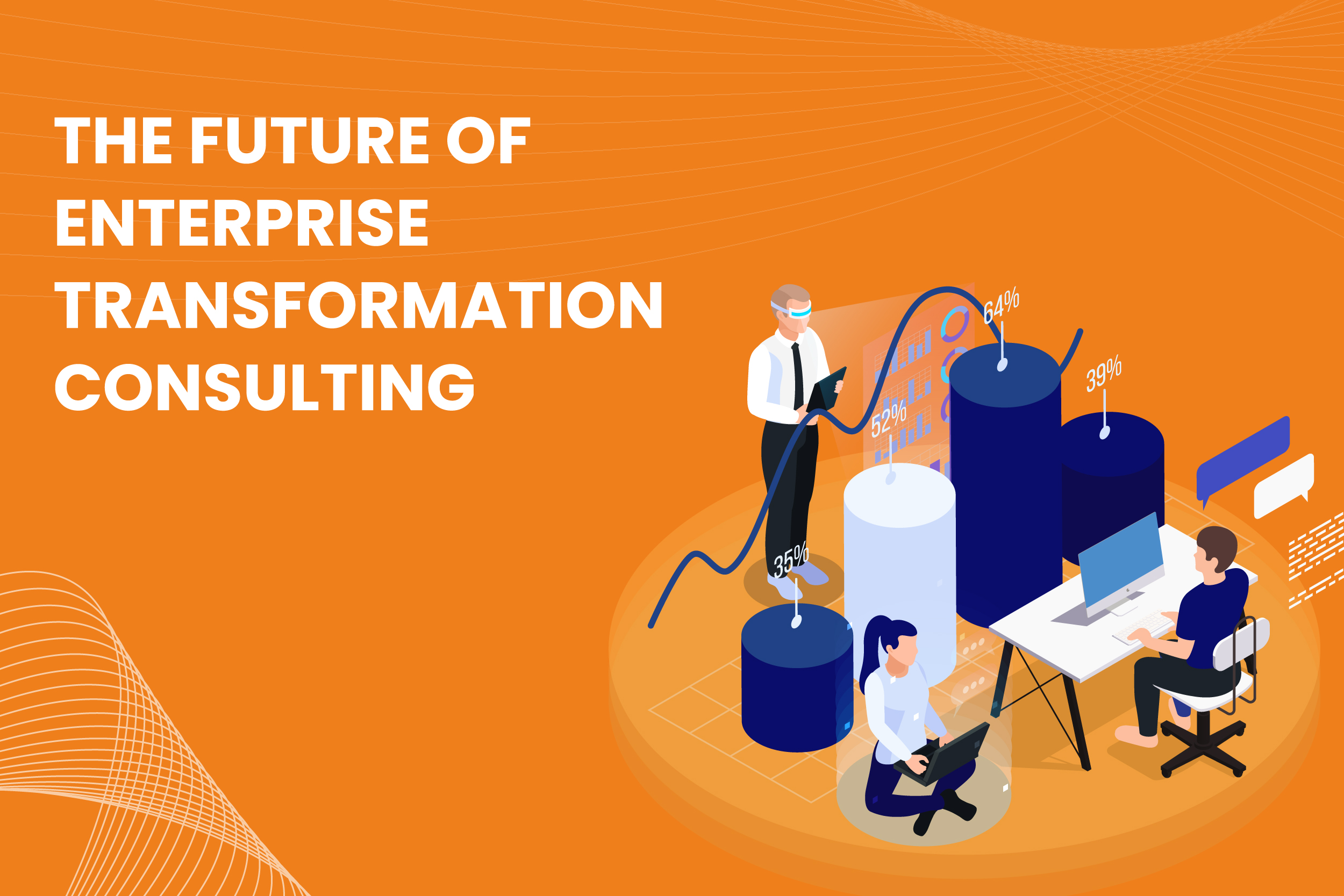
Enterprise transformation is no longer a niche service—it has become a critical driver for organizations seeking growth, agility, and resilience. Businesses today face unprecedented challenges: rapidly evolving technologies, shifting customer expectations, and complex global markets. In response, transformation consulting has evolved from offering generic recommendations to delivering highly specialized, strategic guidance that helps enterprises navigate this dynamic landscape.
Understanding how consulting is changing provides insights into what the future of enterprise transformation consulting looks like, and why companies are increasingly relying on experts to guide their transformational journeys.
Historically, consulting often focused on analyzing problems and providing high-level recommendations. Today, the role of consultants is shifting toward being strategic partners. Organizations no longer want a report—they want actionable solutions, tailored implementation strategies, and measurable outcomes.
Future of consulting lies in this deeper integration with client organizations. Consultants are expected to co-create solutions with internal teams, facilitate cultural change, and ensure that transformation initiatives are adopted effectively. The emphasis is on collaboration rather than a transactional, “tell-and-go” approach.
This shift reflects a broader trend: transformation is no longer solely about technology; it’s about aligning people, processes, and digital tools to achieve business objectives. Consultants who can bridge these dimensions are in high demand.
Technology is fundamentally reshaping transformation consulting. Artificial intelligence, cloud computing, and analytics tools allow consultants to provide insights faster and with greater precision. Predictive analytics, for instance, can identify operational inefficiencies or forecast market trends, enabling organizations to make proactive decisions.
How consulting is changing in this context means embracing these tools to enhance decision-making. Consultants now rely on real-time data dashboards, AI-driven process simulations, and advanced modeling techniques to demonstrate the potential impact of proposed changes. This data-first approach ensures recommendations are not only strategic but also evidence-based, reducing risk and improving ROI.
The future of enterprise transformation consulting is increasingly specialized. Clients expect consultants to have deep knowledge of their industry, regulatory environment, and competitive landscape. Generic advice no longer suffices in complex sectors such as healthcare, financial services, or energy.
Specialized consultants can design solutions that are sensitive to industry nuances, anticipate market disruptions, and address sector-specific pain points. This expertise accelerates transformation initiatives, as clients spend less time educating consultants and more time implementing solutions.
While technology and processes are critical, successful transformation ultimately depends on people. Employee adoption, leadership alignment, and organizational culture often determine whether transformation programs succeed or fail.
Modern transformation consulting increasingly incorporates change management, coaching, and behavioral insights. Consultants work to cultivate a culture that embraces innovation, encourages cross-functional collaboration, and supports continuous learning. By addressing the human side of transformation, consultants ensure that strategic initiatives are sustainable over the long term.
The global shift toward remote work has also impacted consulting. Physical presence is no longer a requirement for effective collaboration. Virtual workshops, remote project management tools, and cloud-based analytics platforms enable consultants to work with geographically dispersed teams seamlessly.
This evolution expands access to expertise, allowing organizations to engage specialized consultants regardless of location. In the future, hybrid consulting models combining on-site and virtual engagement are likely to become the norm, offering flexibility, efficiency, and cost savings.
Environmental, social, and governance (ESG) considerations are increasingly shaping corporate priorities. Modern transformation consulting is expanding to include sustainable practices, helping clients reduce their carbon footprint, promote social responsibility, and comply with evolving regulations.
The future of consulting will likely see sustainability embedded in every transformation project. Consultants are expected to guide organizations in aligning digital, operational, and cultural transformations with broader ESG objectives, ensuring that progress is responsible, ethical, and future-proof.
The pace of change in technology and business means that transformation is no longer a one-time project. Enterprises need adaptive, agile solutions that can evolve as conditions change.
Consultants are responding by offering modular, iterative approaches to transformation. Solutions are designed to be flexible, allowing organizations to pivot quickly in response to market shifts or emerging technologies. Continuous learning and knowledge transfer are also key components, ensuring that internal teams can sustain and scale transformation independently.
The future of enterprise transformation consulting is exciting, challenging, and immensely impactful. Consultants who combine industry expertise, technological acumen, and a deep understanding of human behavior will lead the next wave of transformation. Organizations that partner with such experts will be better equipped to navigate disruption, drive innovation, and achieve sustainable growth.
By recognizing how consulting is changing, enterprises can approach transformation not as a one-off project but as an ongoing journey. In this evolving landscape, the right consulting partner is not just an advisor—they are a strategic ally, a change enabler, and a catalyst for long-term success.
With technology, culture, and strategy converging, transformation consulting is poised to become more intelligent, adaptive, and human-centric than ever before. The organizations that embrace this future are the ones most likely to thrive in an era defined by rapid change and boundless opportunity.
Enterprise transformation is no longer a niche service—it has become a critical driver for organizations seeking growth, agility, and resilience. Businesses today face unprecedented challenges: rapidly evolving technologies, shifting customer expectations, and complex global markets. In response, transformation consulting has evolved from offering generic recommendations to delivering highly specialized, strategic guidance that helps enterprises navigate this dynamic landscape.
Understanding how consulting is changing provides insights into what the future of enterprise transformation consulting looks like, and why companies are increasingly relying on experts to guide their transformational journeys.
Read More
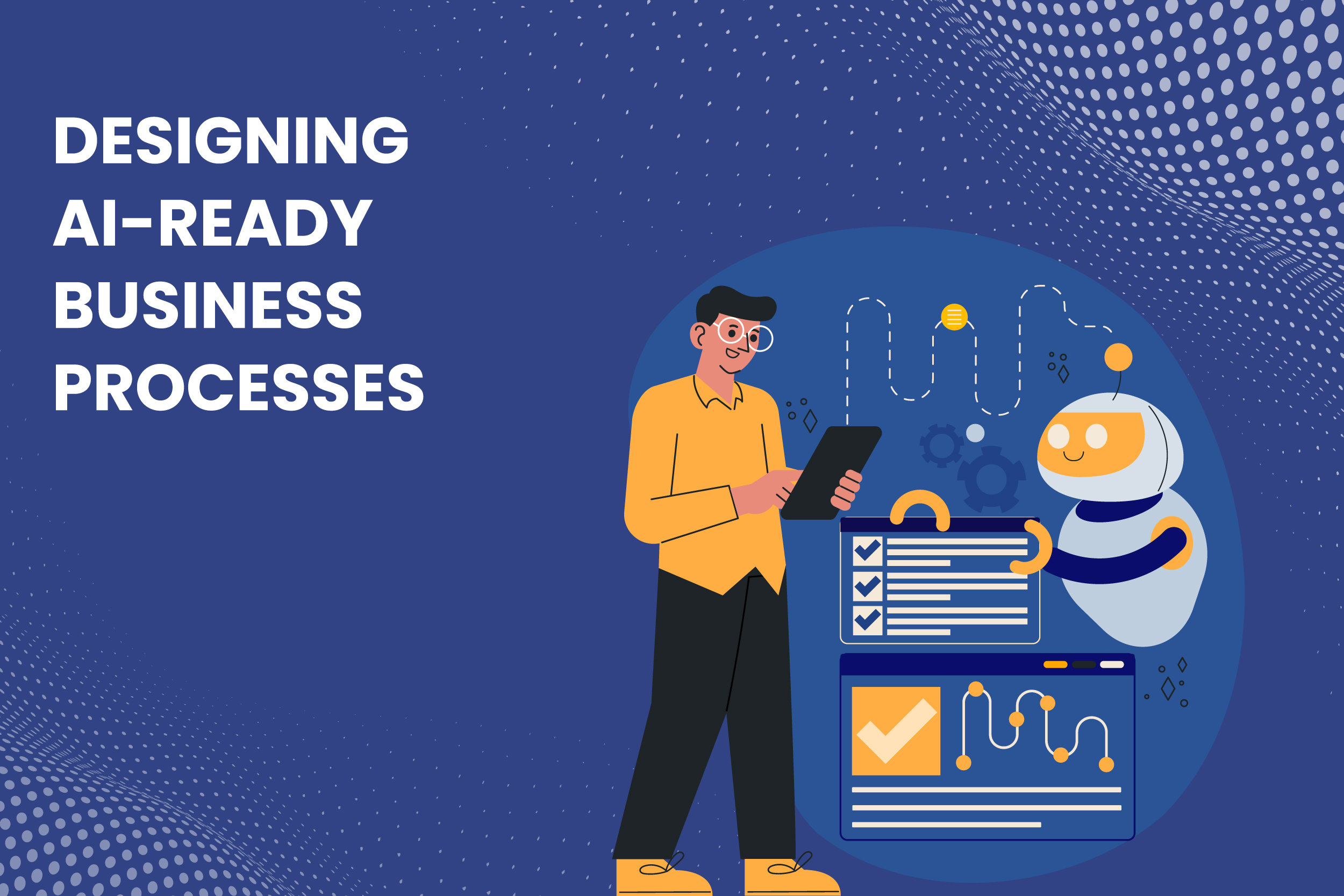
Artificial intelligence is quickly moving from experimentation to real business impact. Organizations are using AI to automate decisions, improve customer experiences, and extract insights from massive volumes of data. However, simply adopting AI tools does not guarantee success. Many companies discover that their existing workflows were never designed to support intelligent automation.
To unlock the full potential of AI, businesses must rethink how their processes are structured. This is where business process transformation becomes essential. Organizations need AI-ready processes that are structured, data-driven, and adaptable. Without these foundations, even the most advanced AI systems struggle to deliver value.
Understanding how to prepare processes for AI helps businesses build systems that are not only efficient today but also capable of evolving with future technologies.
Read More
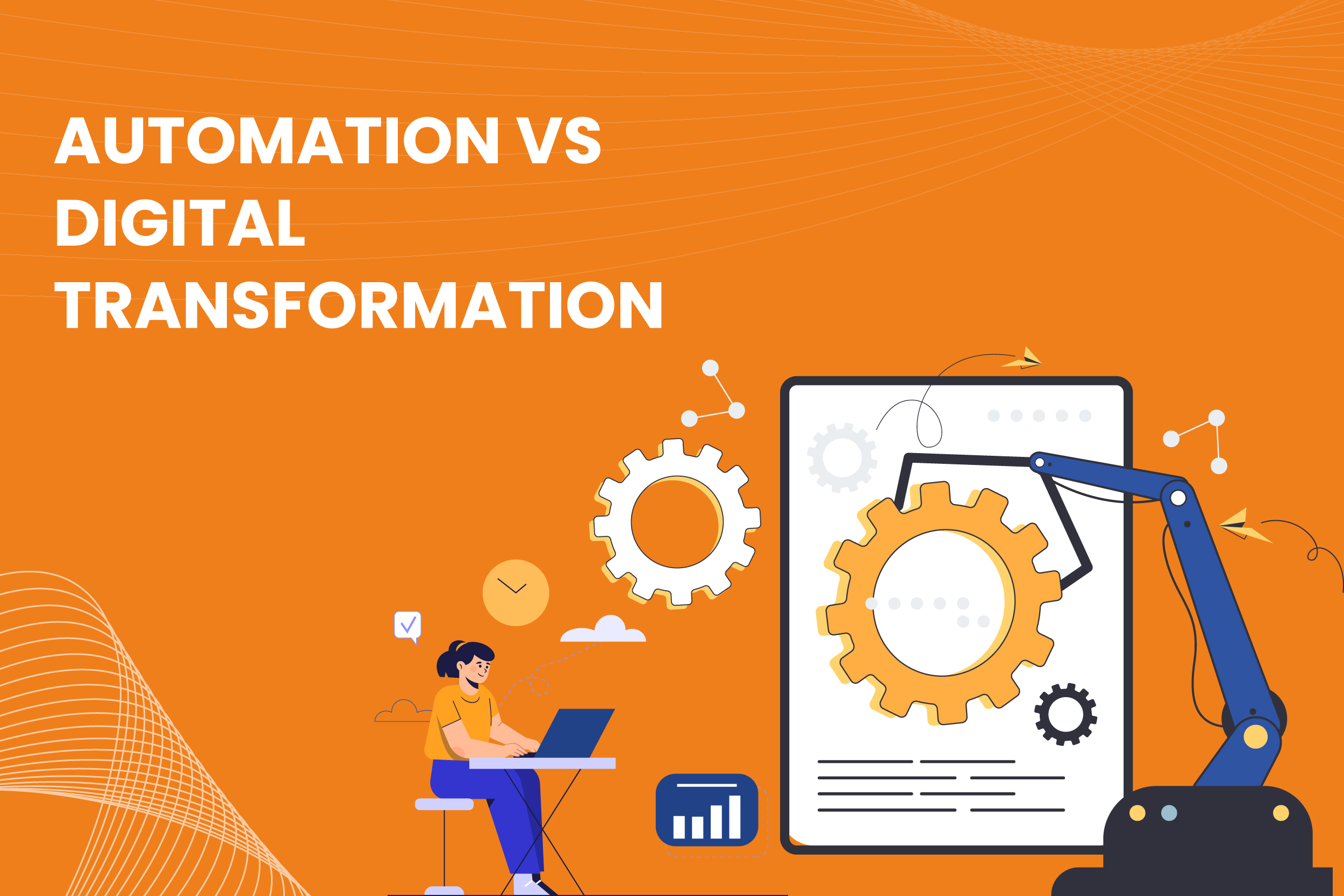
Businesses today are under constant pressure to move faster, operate efficiently, and deliver better customer experiences. In response, many organizations invest in automation tools and digital technologies. However, a common misunderstanding arises when companies assume automation alone equals transformation.
In reality, automation vs transformation is not a comparison of competing strategies. Instead, automation is a component of digital transformation, not the transformation itself. Understanding this distinction is essential for organizations that want to achieve meaningful and lasting change.
When leaders realize that automation is not digital transformation, they can approach technology adoption more strategically and avoid investing in tools that produce only limited impact.
Read More
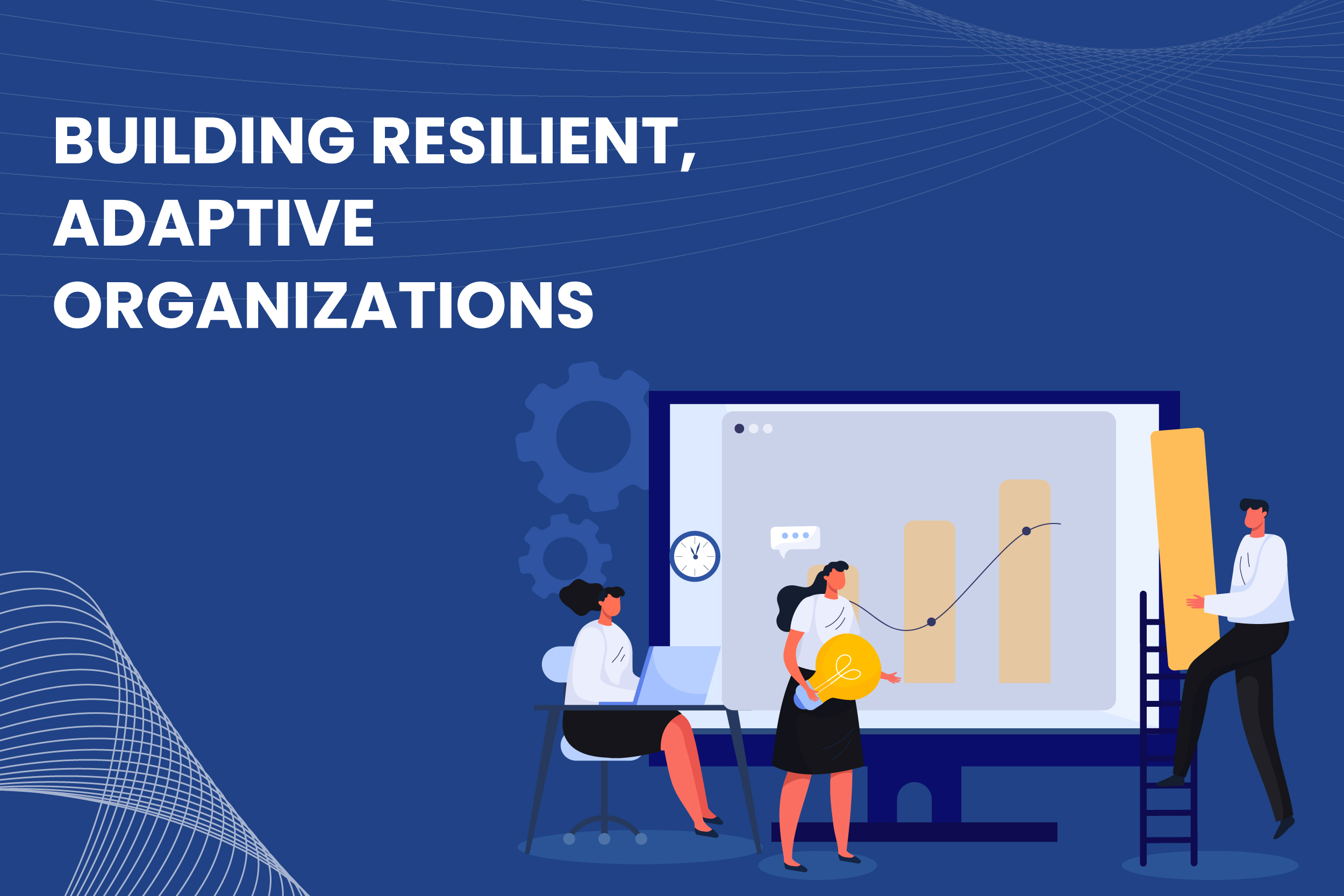
In today’s fast-paced business landscape, uncertainty is the only constant. From global economic shifts to rapid technological change, organizations face pressures that can disrupt operations, challenge growth, and threaten survival. In this environment, organizational resilience is no longer optional—it is essential. Companies that cultivate adaptability, foresight, and responsiveness are better equipped to thrive, even under the most challenging circumstances.
How companies stay resilient begins with a mindset that sees disruption not as a threat, but as an opportunity to learn, evolve, and innovate. Resilient organizations do more than recover from setbacks—they anticipate challenges, respond effectively, and emerge stronger.
Read More
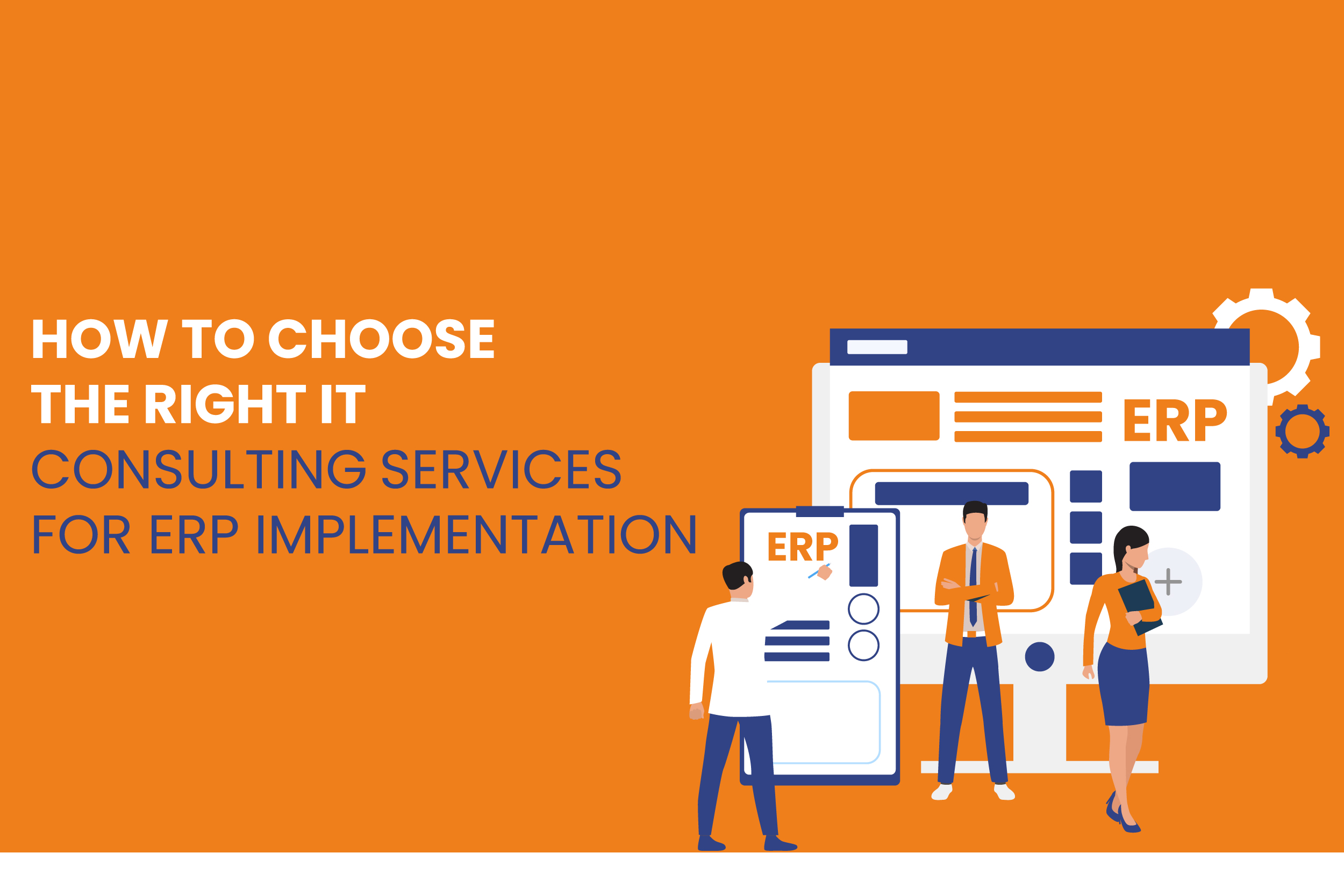
In today’s fast-paced business environment, efficient systems and processes are vital for success. Enterprise Resource Planning (ERP) systems like SAP are central to this, helping organizations streamline their operations, manage resources more effectively, and drive productivity.
However, ERP implementation is a complex and often challenging process that requires a skilled IT consulting partner to ensure success. Selecting the right IT consulting services for your ERP implementation, especially for SAP, can make the difference between seamless integration and costly disruptions.
Read More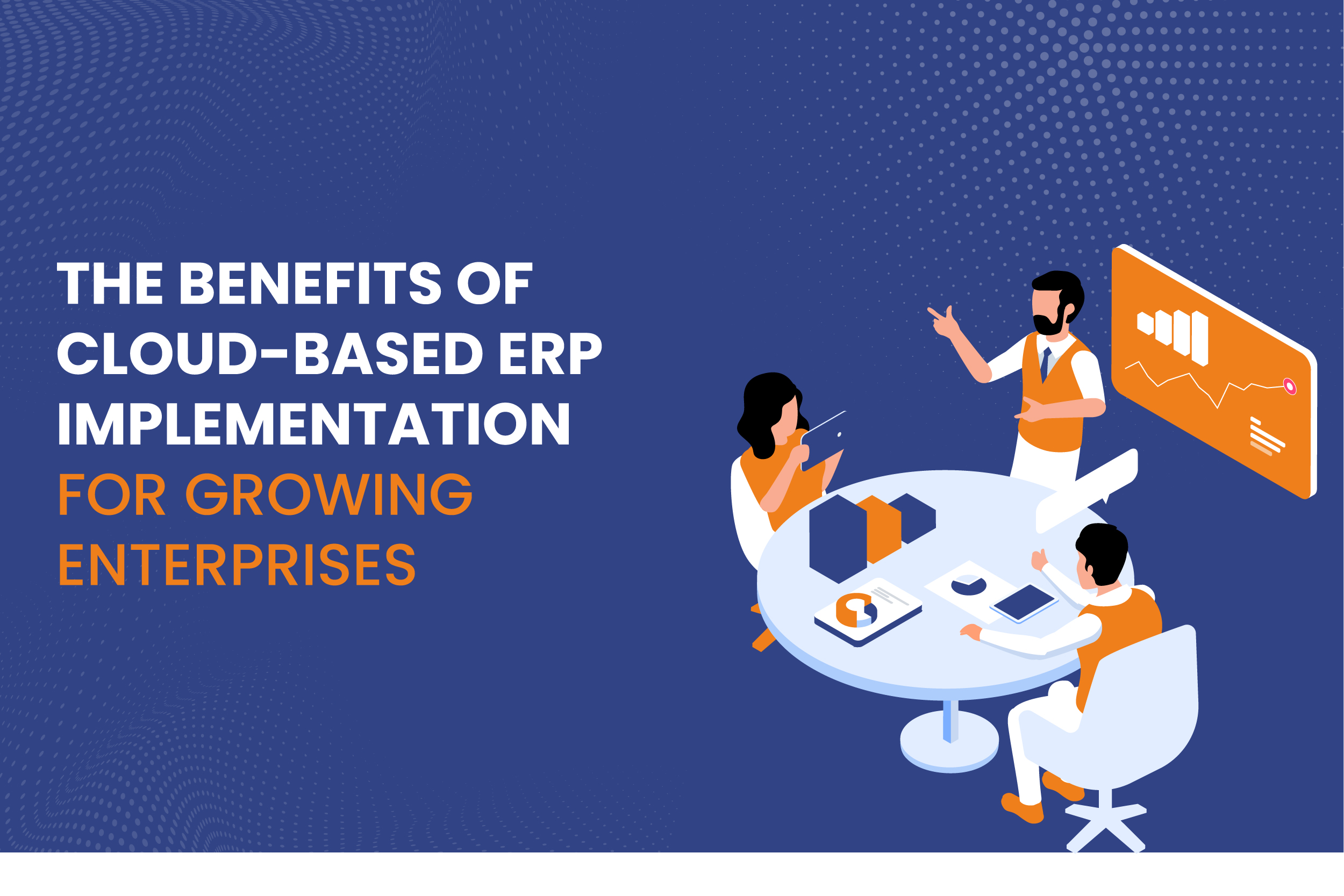
As enterprises scale, managing resources, streamlining operations, and maintaining flexibility become crucial challenges. To address these challenges, businesses increasingly turn to cloud-based Enterprise Resource Planning (ERP) systems.
ERP solutions have long been vital in centralizing various business functions like finance, human resources, supply chain management, and customer relations into a unified system. In recent years, the shift to cloud-based ERP systems has offered even greater benefits, particularly for growing enterprises.
Read More
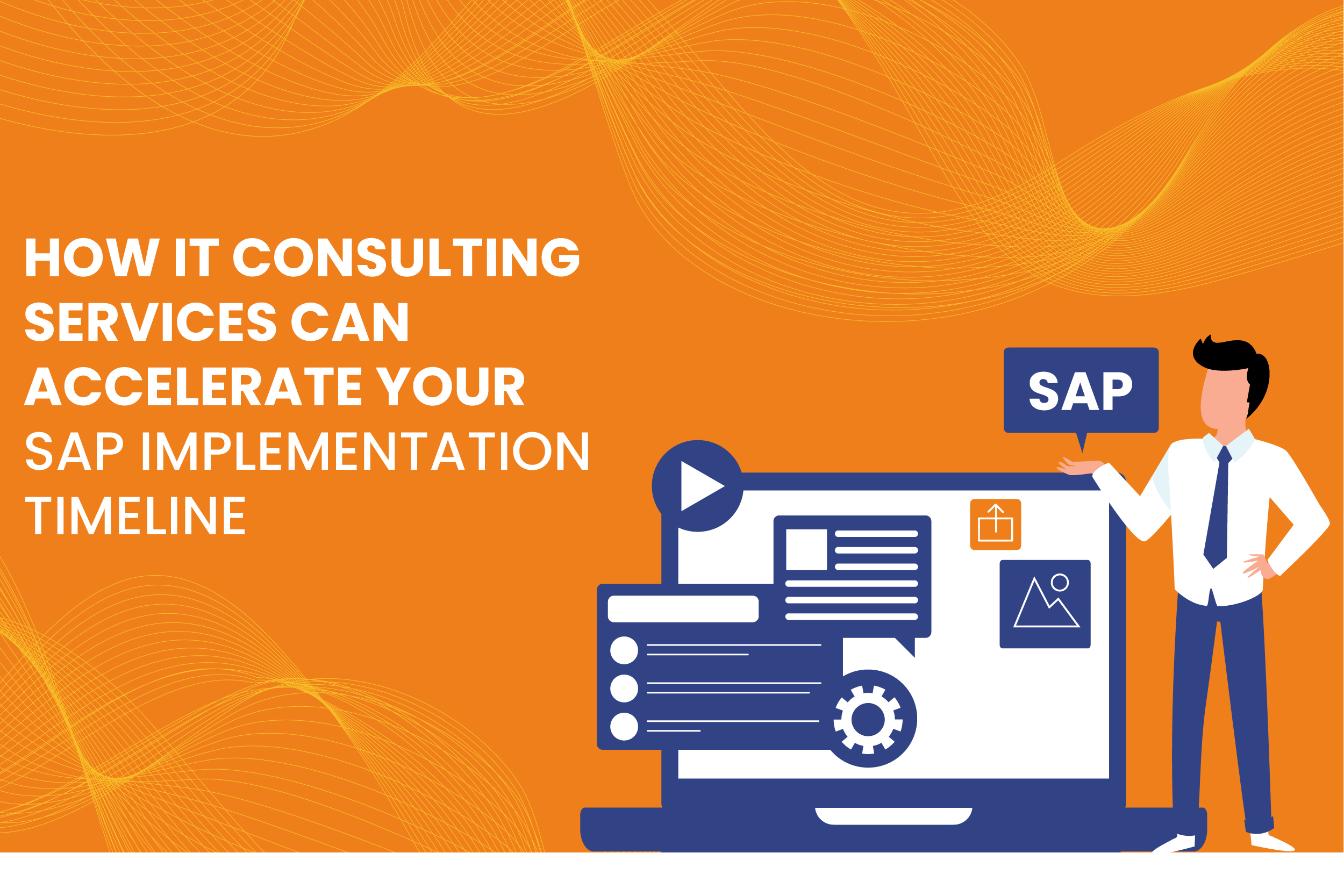
In today’s fast-paced business environment, Enterprise Resource Planning (ERP) systems like SAP (Systems, Applications, and Products) are crucial to streamlining operations, improving efficiency, and supporting growth. However, the process of SAP implementation can be complex and time-consuming, often putting a strain on internal resources.
This is where IT consulting services come into play, providing the necessary expertise and support to accelerate your SAP implementation timeline. By leveraging specialized knowledge and proven strategies, IT consulting services can significantly shorten the time required for successful SAP deployment, helping organizations stay competitive and responsive to market demands.
Read More
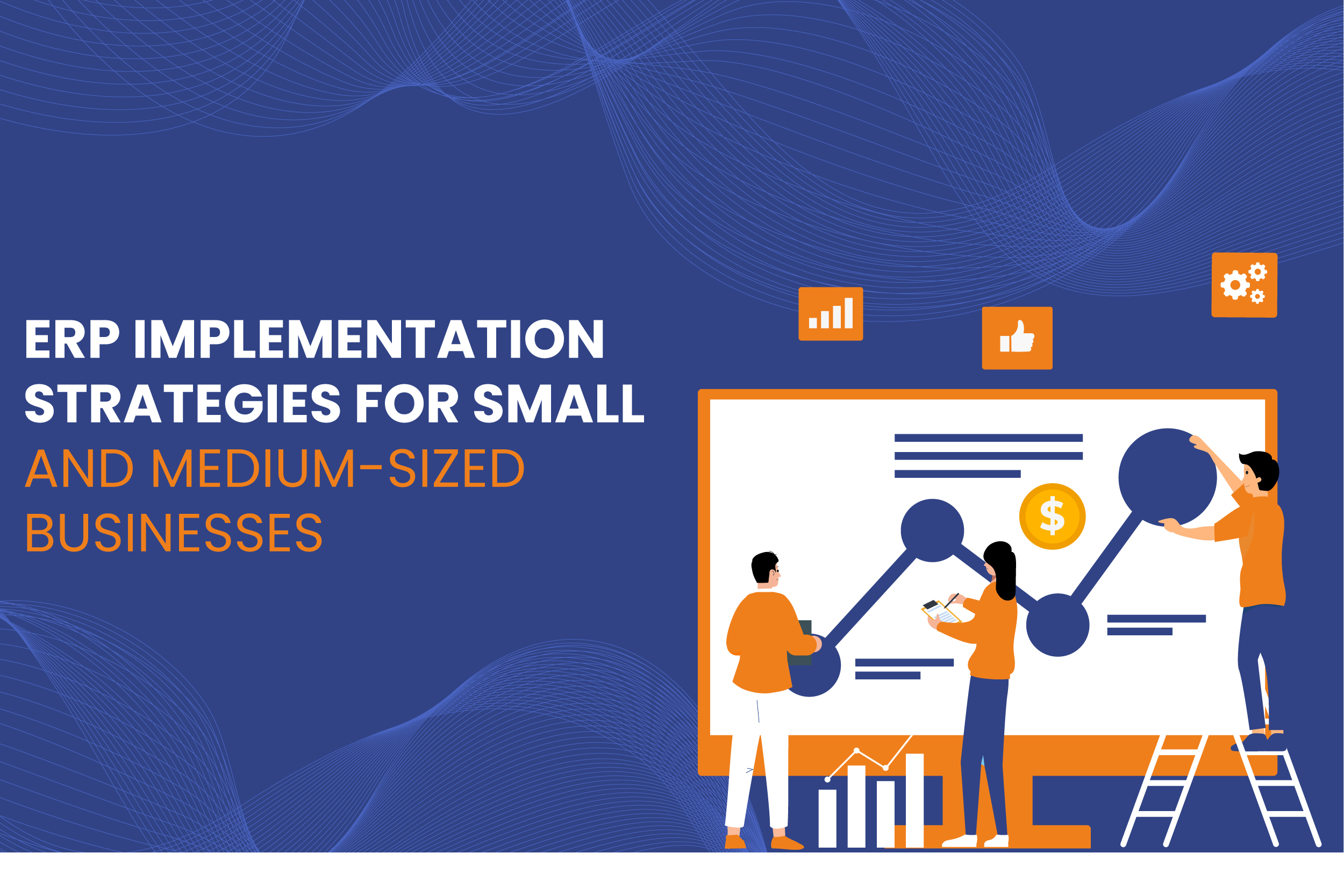
ERP systems have become indispensable tools for businesses looking to streamline operations, improve efficiency, and maintain a competitive edge. However, implementing ERP solutions can be daunting, especially for small and medium-sized businesses (SMBs) with limited resources.
The complexity of the process, cost concerns, and the need for seamless integration across departments pose significant challenges. To overcome these, SMBs must adopt tailored ERP implementation strategies that align with their unique requirements.
Read More
In today’s fast-paced digital landscape, businesses must adapt to changing technologies and customer expectations to remain competitive. One of the most effective ways to achieve this adaptability is through digital transformation, which involves integrating digital technologies into all areas of a business. A critical component of this transformation is Enterprise Resource Planning (ERP) systems.
Read More
Implementing an SAP system can be a transformative step for organizations aiming to enhance their operational efficiency, streamline processes, and improve data visibility. However, success in an SAP implementation goes beyond simply completing the project on time and within budget. It involves measuring and analyzing key performance metrics that provide insight into how effectively the system is being utilized and whether it meets the organization’s objectives.
Read More
Leave a Reply