
In today’s fast-paced business landscape, uncertainty is the only constant. From global economic shifts to rapid technological change, organizations face pressures that can disrupt operations, challenge growth, and threaten survival. In this environment, organizational resilience is no longer optional—it is essential. Companies that cultivate adaptability, foresight, and responsiveness are better equipped to thrive, even under the most challenging circumstances.
How companies stay resilient begins with a mindset that sees disruption not as a threat, but as an opportunity to learn, evolve, and innovate. Resilient organizations do more than recover from setbacks—they anticipate challenges, respond effectively, and emerge stronger.
At its core, organizational resilience is the ability to maintain performance and continuity in the face of change. This goes beyond crisis management; it is about embedding flexibility, agility, and robustness into the very structure and culture of a company. Resilient organizations are proactive, not reactive. They invest in people, processes, and systems that enable them to absorb shocks and pivot quickly when circumstances change.
Leadership plays a critical role in building resilience. Adaptive leaders foster an environment where teams feel empowered to experiment, take calculated risks, and embrace change. They communicate a clear vision while remaining flexible enough to adjust strategy as new information emerges.
Such leaders encourage a culture of transparency, where failures are viewed as learning opportunities rather than punishable mistakes. By modeling adaptability, leaders instill confidence and equip employees with the mindset needed to navigate uncertainty.
Resilience is not just structural; it is human. Employees are the lifeblood of any organization, and their capacity to respond to change directly impacts organizational agility. Resilient companies prioritize workforce engagement, mental well-being, and skill development.
By investing in continuous learning programs, cross-functional training, and mental health initiatives, organizations ensure that employees are prepared to take on new challenges. Engaged employees are more likely to innovate, collaborate, and respond effectively during crises, reinforcing the organization’s overall adaptability.
Rigid processes and outdated systems can cripple even the most visionary organization. Resilient companies design workflows and technologies that are modular, scalable, and adaptable.
For example, cloud-based infrastructure enables remote work and rapid scaling, while integrated data systems allow real-time insights to guide decision-making. Organizations that continually evaluate and improve their operational processes can pivot quickly in response to market disruptions, regulatory changes, or supply chain interruptions.
How companies stay resilient often comes down to their ability to learn and adapt. Organizations that encourage continuous learning and knowledge sharing are better prepared for change.
This involves capturing lessons from past challenges, monitoring industry trends, and actively seeking feedback from employees and customers. By integrating learning into daily operations, companies develop a culture of curiosity and innovation that drives long-term resilience.
Resilient organizations do not leave their fate to chance. They engage in scenario planning, stress testing, and risk assessment to anticipate potential disruptions.
By modeling different outcomes—from economic downturns to technological disruptions—companies can prepare contingency plans that minimize impact and ensure business continuity. This proactive approach allows decision-makers to respond swiftly and effectively when crises occur.
Adaptability is amplified when organizations leverage collaboration—both internally and externally. Cross-functional teams break down silos, ensuring that insights and resources are shared efficiently.
Externally, resilient companies cultivate strong relationships with partners, suppliers, and even competitors. These networks provide access to critical resources, diverse perspectives, and innovative solutions during periods of disruption.
Finally, resilience is intrinsically linked to customer focus. Companies that stay attuned to evolving customer needs can anticipate market shifts and adjust offerings accordingly. Feedback loops, analytics, and direct engagement allow businesses to pivot strategies, refine products, and enhance services in real-time.
A customer-centric approach not only strengthens relationships but also positions organizations to seize opportunities emerging from change, turning potential threats into growth avenues.
Building a resilient, adaptive organization is not a one-time project; it is an ongoing journey. Companies must continually assess internal capabilities, monitor external risks, and cultivate a culture that embraces change.
Organizational resilience emerges from the integration of adaptive leadership, engaged employees, flexible processes, continuous learning, proactive risk management, collaboration, and customer focus. Each element reinforces the other, creating an ecosystem capable of withstanding shocks and thriving amidst uncertainty.
In an era defined by volatility, disruption, and rapid change, resilient organizations are not just surviving—they are shaping the future. By embedding adaptability at every level, businesses can ensure they are prepared for whatever comes next, turning challenges into opportunities for growth, innovation, and lasting success.
Businesses today are under constant pressure to move faster, operate efficiently, and deliver better customer experiences. In response, many organizations invest in automation tools and digital technologies. However, a common misunderstanding arises when companies assume automation alone equals transformation.
In reality, automation vs transformation is not a comparison of competing strategies. Instead, automation is a component of digital transformation, not the transformation itself. Understanding this distinction is essential for organizations that want to achieve meaningful and lasting change.
When leaders realize that automation is not digital transformation, they can approach technology adoption more strategically and avoid investing in tools that produce only limited impact.
Read More
In today’s fast-paced business landscape, uncertainty is the only constant. From global economic shifts to rapid technological change, organizations face pressures that can disrupt operations, challenge growth, and threaten survival. In this environment, organizational resilience is no longer optional—it is essential. Companies that cultivate adaptability, foresight, and responsiveness are better equipped to thrive, even under the most challenging circumstances.
How companies stay resilient begins with a mindset that sees disruption not as a threat, but as an opportunity to learn, evolve, and innovate. Resilient organizations do more than recover from setbacks—they anticipate challenges, respond effectively, and emerge stronger.
Read More
In today’s fast-paced business environment, efficient systems and processes are vital for success. Enterprise Resource Planning (ERP) systems like SAP are central to this, helping organizations streamline their operations, manage resources more effectively, and drive productivity.
However, ERP implementation is a complex and often challenging process that requires a skilled IT consulting partner to ensure success. Selecting the right IT consulting services for your ERP implementation, especially for SAP, can make the difference between seamless integration and costly disruptions.
Read More
As enterprises scale, managing resources, streamlining operations, and maintaining flexibility become crucial challenges. To address these challenges, businesses increasingly turn to cloud-based Enterprise Resource Planning (ERP) systems.
ERP solutions have long been vital in centralizing various business functions like finance, human resources, supply chain management, and customer relations into a unified system. In recent years, the shift to cloud-based ERP systems has offered even greater benefits, particularly for growing enterprises.
Read More
In today’s fast-paced business environment, Enterprise Resource Planning (ERP) systems like SAP (Systems, Applications, and Products) are crucial to streamlining operations, improving efficiency, and supporting growth. However, the process of SAP implementation can be complex and time-consuming, often putting a strain on internal resources.
This is where IT consulting services come into play, providing the necessary expertise and support to accelerate your SAP implementation timeline. By leveraging specialized knowledge and proven strategies, IT consulting services can significantly shorten the time required for successful SAP deployment, helping organizations stay competitive and responsive to market demands.
Read More
ERP systems have become indispensable tools for businesses looking to streamline operations, improve efficiency, and maintain a competitive edge. However, implementing ERP solutions can be daunting, especially for small and medium-sized businesses (SMBs) with limited resources.
The complexity of the process, cost concerns, and the need for seamless integration across departments pose significant challenges. To overcome these, SMBs must adopt tailored ERP implementation strategies that align with their unique requirements.
Read More
In today’s fast-paced digital landscape, businesses must adapt to changing technologies and customer expectations to remain competitive. One of the most effective ways to achieve this adaptability is through digital transformation, which involves integrating digital technologies into all areas of a business. A critical component of this transformation is Enterprise Resource Planning (ERP) systems.
Read More
Implementing an SAP system can be a transformative step for organizations aiming to enhance their operational efficiency, streamline processes, and improve data visibility. However, success in an SAP implementation goes beyond simply completing the project on time and within budget. It involves measuring and analyzing key performance metrics that provide insight into how effectively the system is being utilized and whether it meets the organization’s objectives.
Read More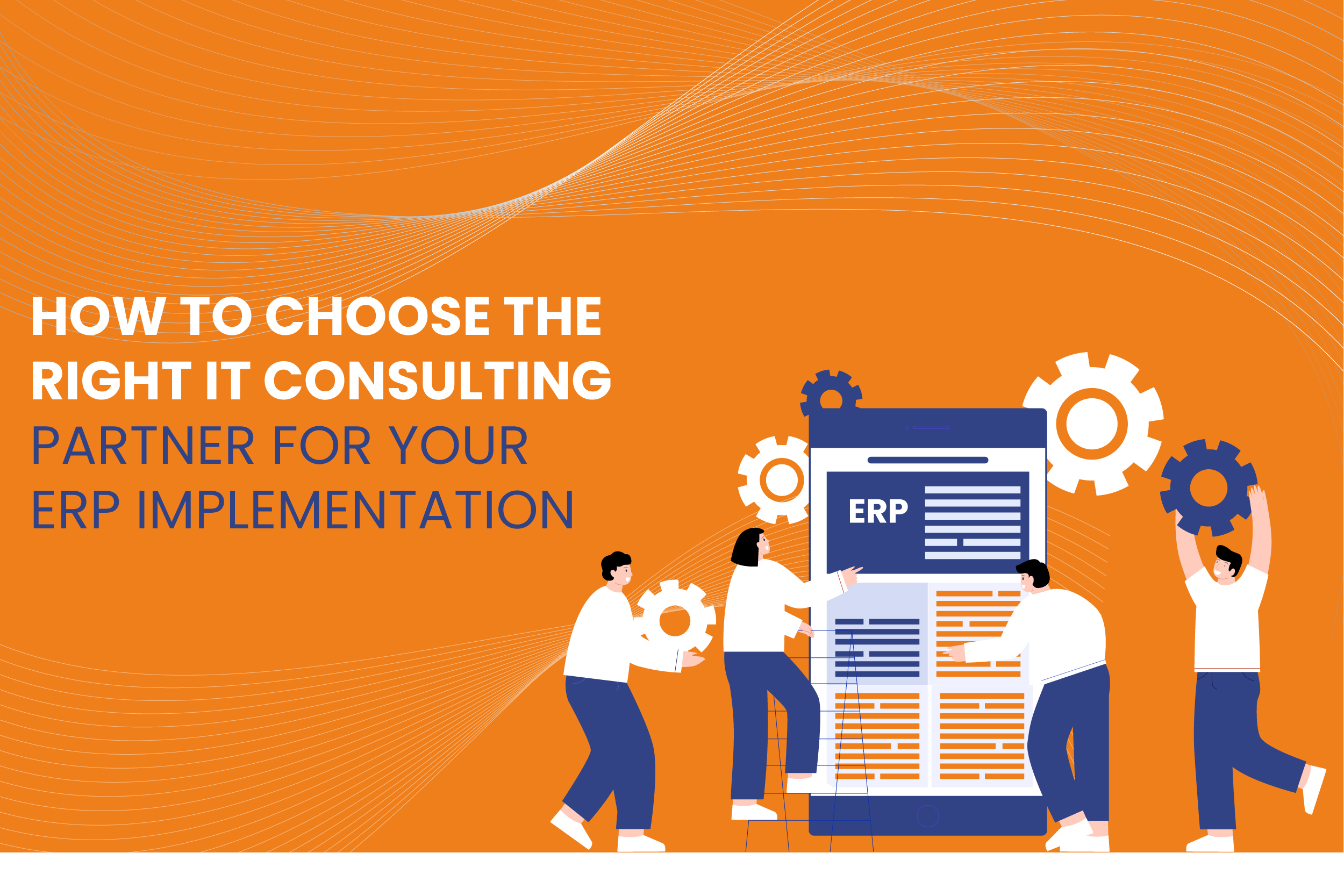
In today’s fast-paced business environment, efficient systems and processes are vital for success. Enterprise Resource Planning (ERP) systems like SAP are central to this, helping organizations streamline their operations, manage resources more effectively, and drive productivity.
However, ERP implementation is a complex and often challenging process that requires a skilled IT consulting partner to ensure success. Selecting the right IT consulting services for your ERP implementation, especially for SAP, can make the difference between seamless integration and costly disruptions.
Read More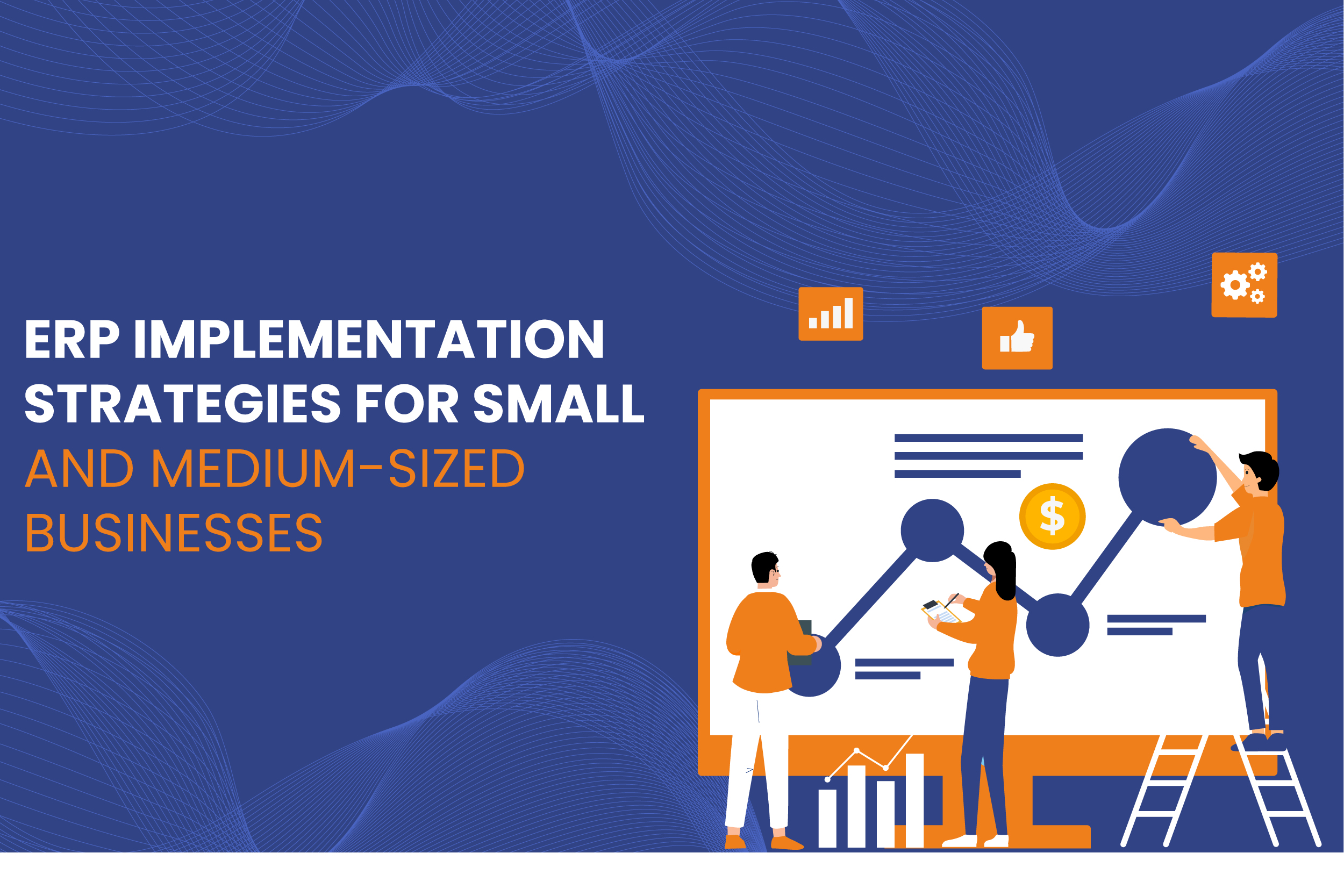
ERP systems have become indispensable tools for businesses looking to streamline operations, improve efficiency, and maintain a competitive edge. However, implementing ERP solutions can be daunting, especially for small and medium-sized businesses (SMBs) with limited resources.
The complexity of the process, cost concerns, and the need for seamless integration across departments pose significant challenges. To overcome these, SMBs must adopt tailored ERP implementation strategies that align with their unique requirements.
Read More
Leave a Reply