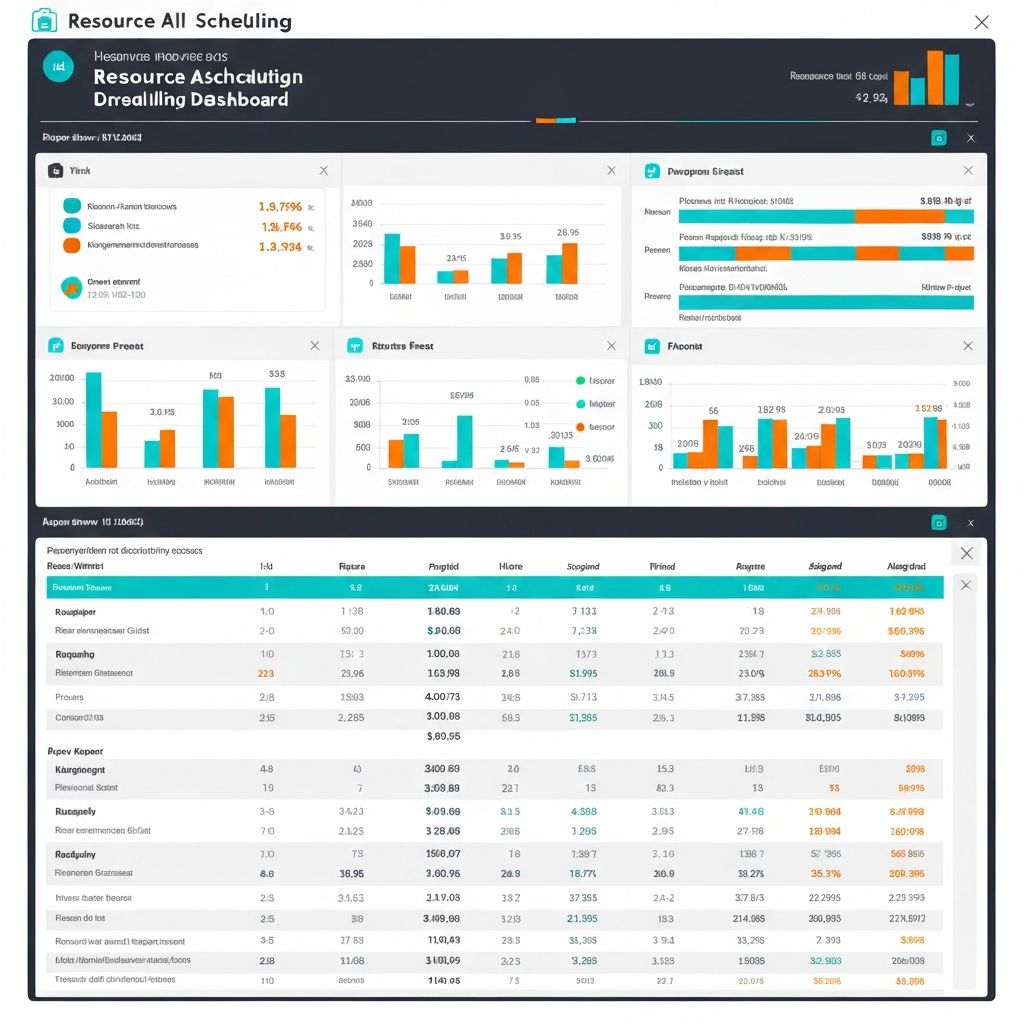
 Live AI Deployments
Explore actual outputs from NIRNAY, DISHA, UPAYUKT, SEEMA, NIVESH, and
RAKSHA—our AI models deployed for enterprise clients. These aren't mockups
—they're real insights driving business decisions.
 Production-Ready Models
 Proven ROI
 Enterprise Scale

Clear ownership
and accountability
mapping

Detect scope
creep before
burnout

Unlock hidden
capability and
talent ROI

Clear ownership
and accountability
mapping

Maximize training budget ROI

Systematic risk
and accountability audits
Real examples from our AI models actively driving decisions for enterprise
clients. Each output represents measurable business impact.
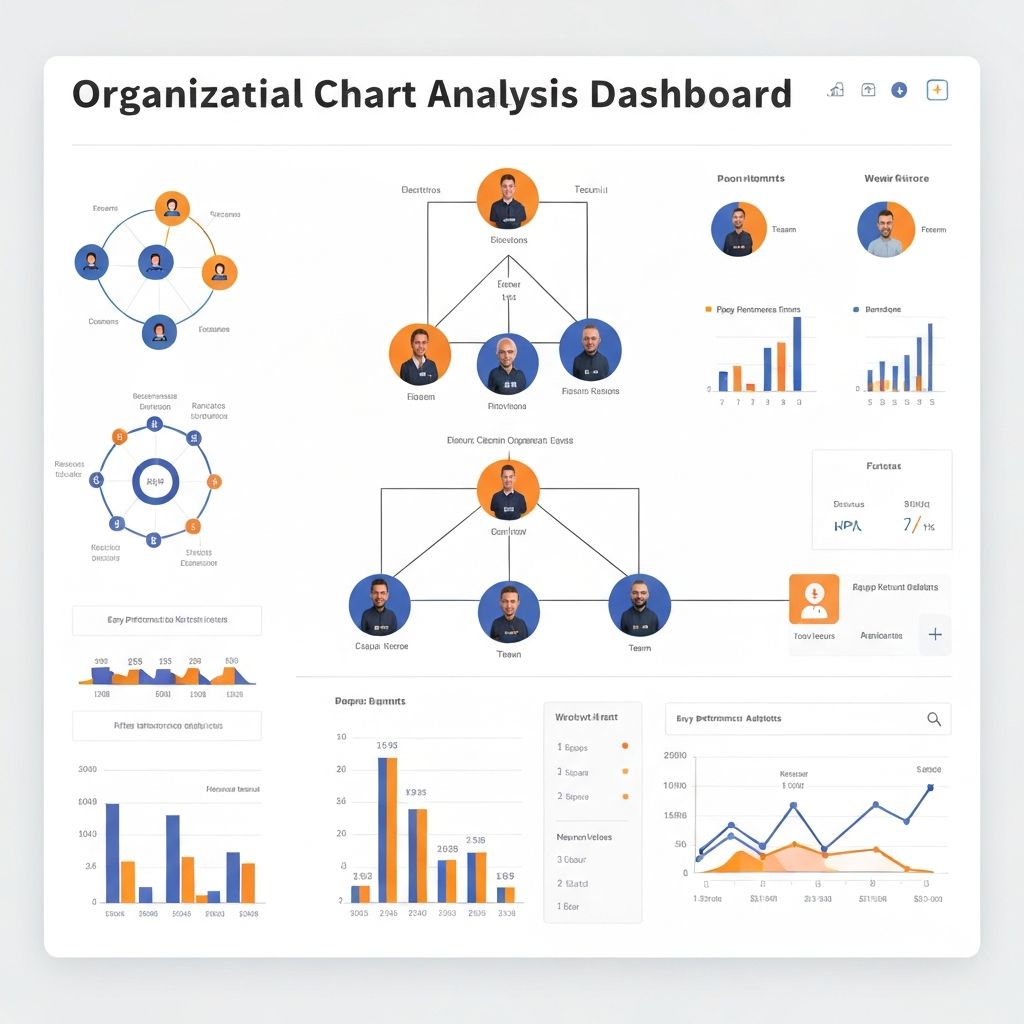 Live
Role Intelligence
Financial Services
Live
Role Intelligence
Financial Services
AI-generated organizational mapping identifying clear ownership structures and accountability chains, reducing decision latency by 40% across departments.
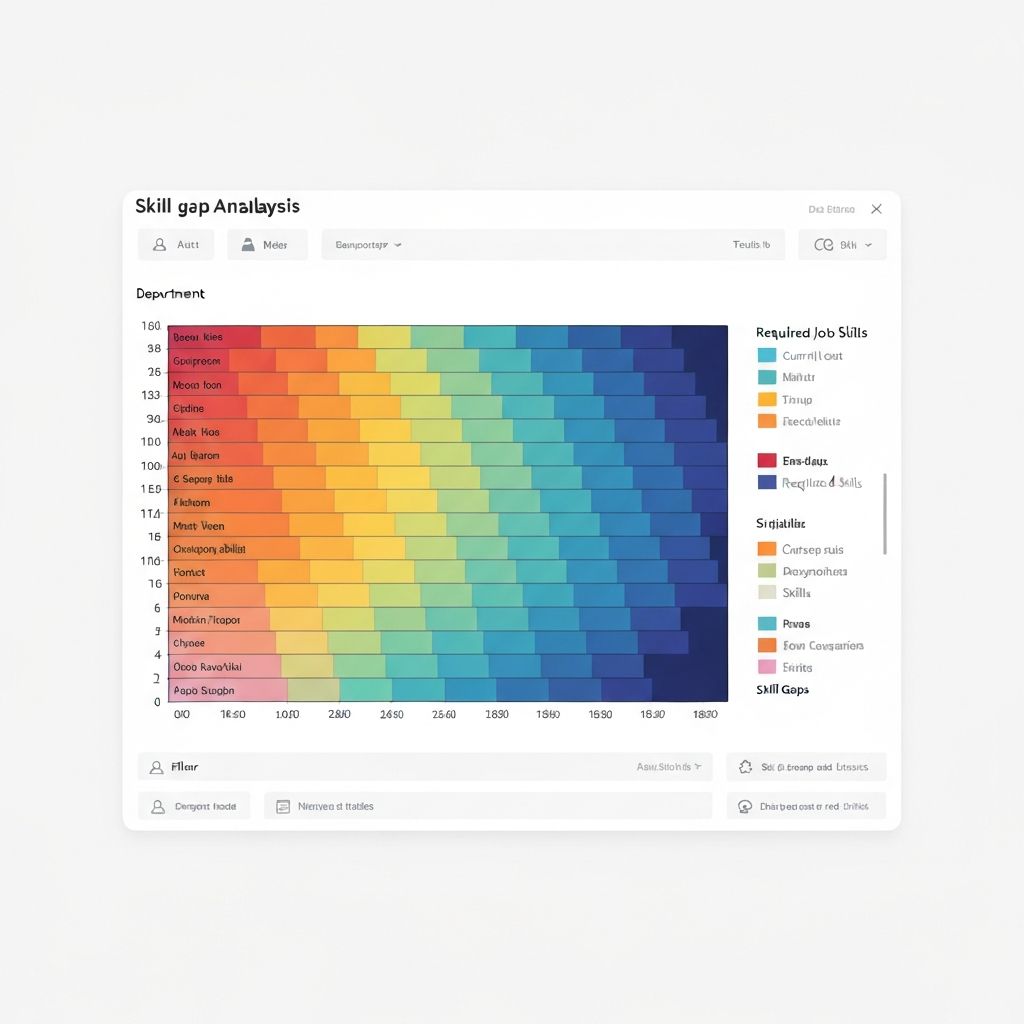 Live
Role Drift
Technology
Live
Role Drift
Technology
Proactive detection of role drift and scope creep patterns, identifying burnout risks 6 weeks before they impact productivity.
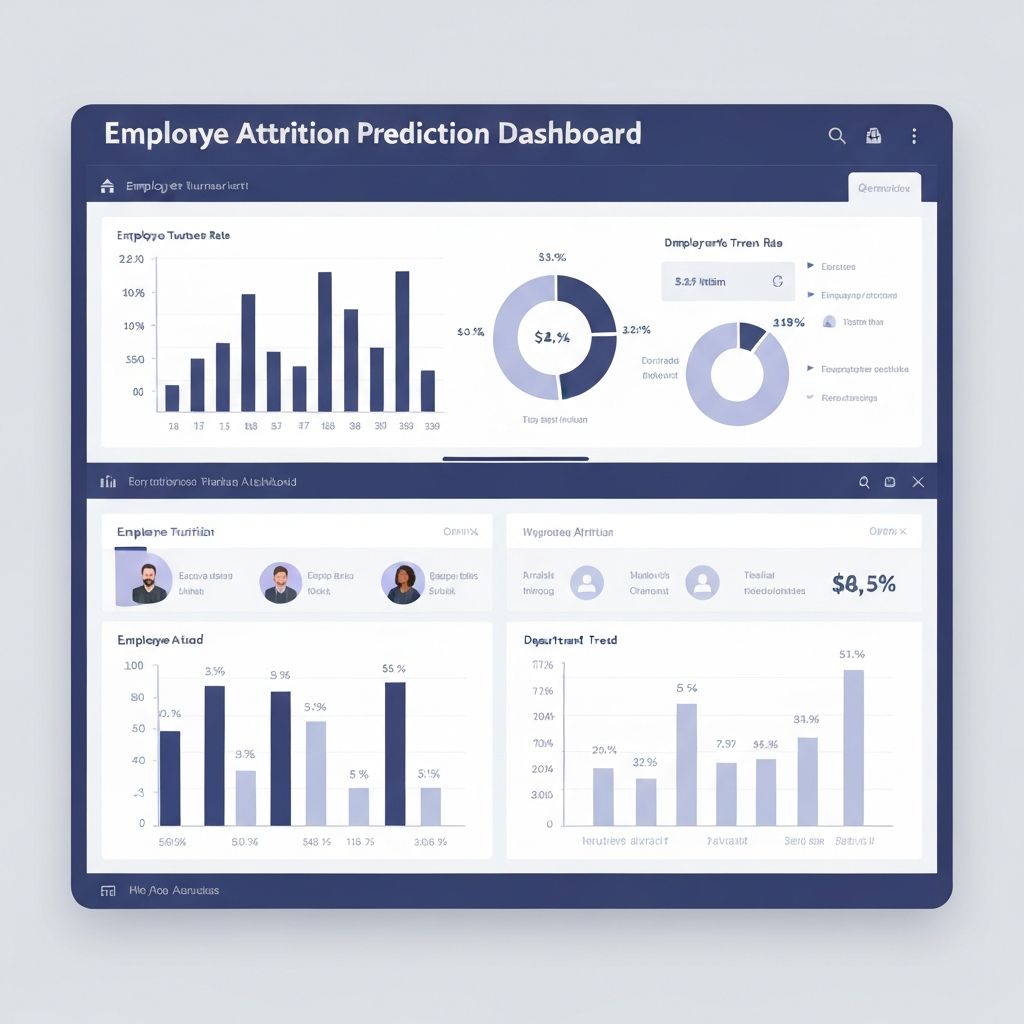 Live
AI Boundaries
Insurance
Live
AI Boundaries
Insurance
Comprehensive human vs AI boundary definitions establishing defensible governance policies across all automated workflows.
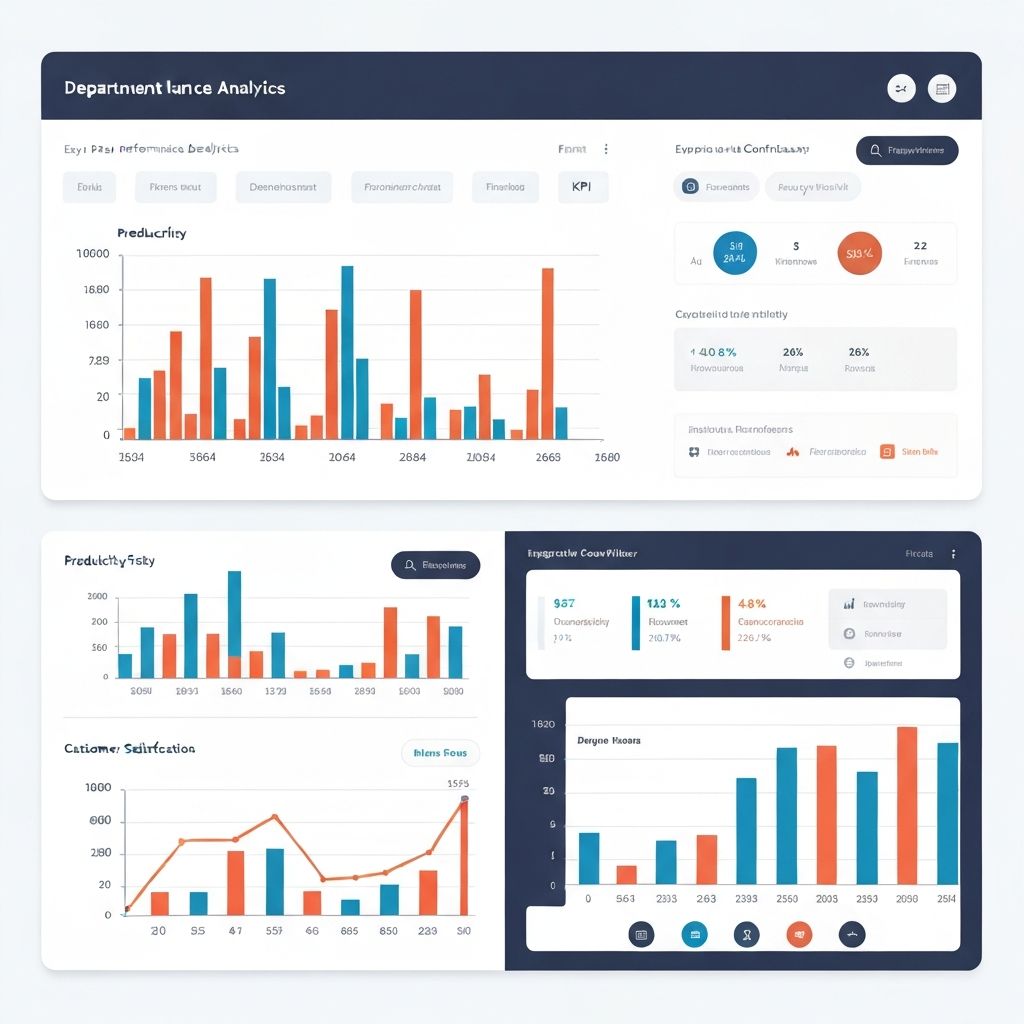 Live
Learning Spend
Manufacturing
Live
Learning Spend
Manufacturing
AI-driven training budget optimization maximizing learning ROI with intelligent spend allocation across 47 programs.
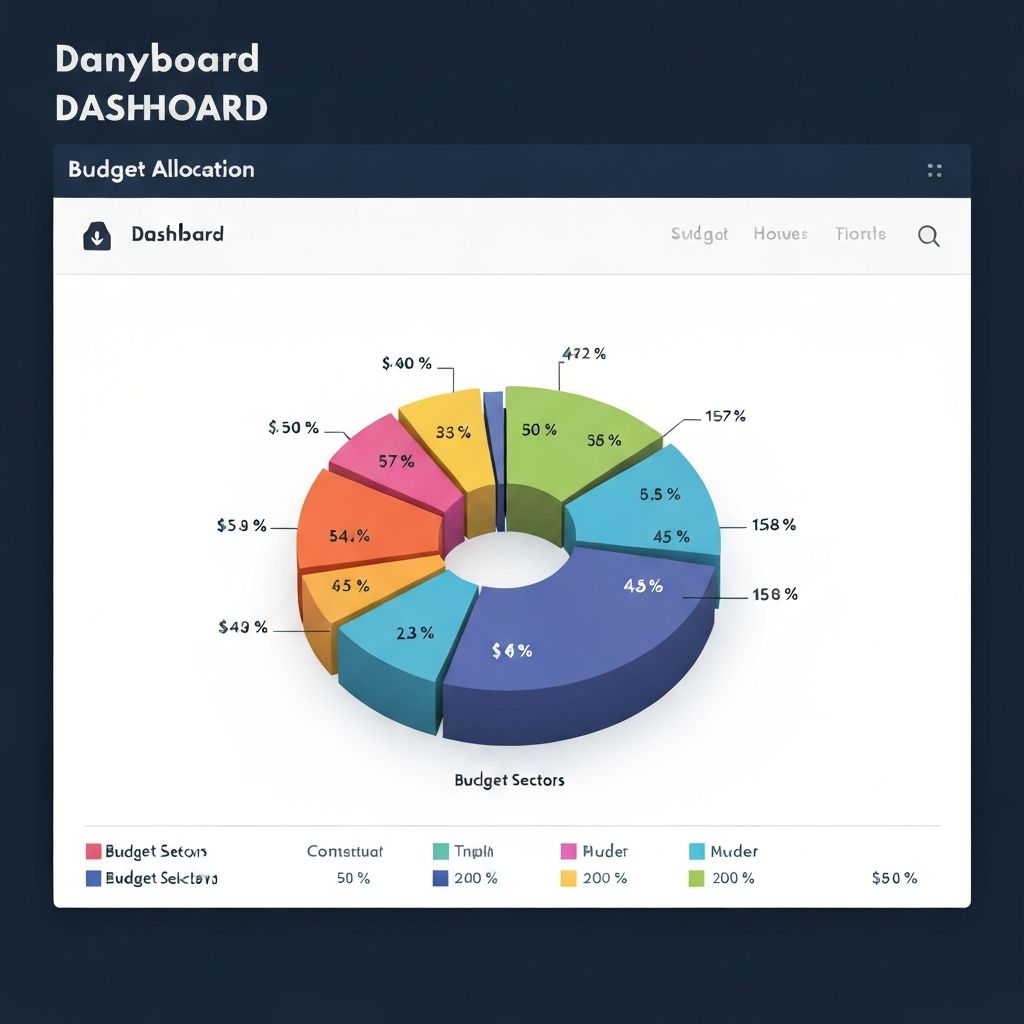 Live
Risk Analysis
Retail
Live
Risk Analysis
Retail
Systematic AI adoption risk audits with accountability tracking, ensuring safe deployment across all enterprise initiatives.
Our AI solutions deliver quantifiable results that transform how enterprises operate
Combined ROI across
all AI deployments

Workers benefiting
from our AI solutions

Production AI systems
currently running

Reliability across all
deployed models
Hear directly from the leaders whose organizations are being transformed by
our AI solutions.

“NIRNAY's role intelligence mapping completely
transformed how we approach organizational clarity. We're
now seeing 40% faster
decision-making across departments.”
SC
Sarah C.
Chief People Officer
“Within 6 months of deploying DISHA, we detected and prevented burnout in 89% of
at-risk cases. The role drift detection paid for itself in the first quarter.”
MR
Michael R.
VP of Human Resources
“RAKSHA's risk assessment framework has been running
for 18 months with zero incidents. It's become mission-critical infrastructure for our AI governance.”
DAF
Dr. Amanda F.
Chief Operating Officer
Let's discuss how our AI solutions can drive measurable impact for your organization. Schedule a consultation with our team to explore deployment options.
 Schedule Consultation
 Contact Our Team
 Custom solutions for your needs
No commitment required
Enterprise-grade security
 Live
Role Intelligence
Live
Role Intelligence


 Transformed with NIRNAY
NIRNAY connects to HRIS, project management tools, and communication platforms to gather role-related data including job descriptions, reporting lines, and actual work patterns.
2AI analyzes communication flows, decision patterns, and project involvement to identify actual vs. documented responsibilities and surface hidden accountability gaps.
3 Generates comprehensive role intelligence maps showing ownership, decision rights, escalation paths, and cross-functional dependencies.
Ongoing analysis detects organizational changes and automatically updates maps, alerting stakeholders to emerging accountability gaps or conflicts.
Eliminated manual org chart maintenance and reduced decision delays
From faster decisions
and reduced project
delays
Improvement in clarity-related engagement
scores
Faster average time from issue to resolution
Roles Mapped
Decision Speed
Clarity Score
Live
Role Drift
Transformed with DISHA
DISHA creates role baselines by analyzing job descriptions, historical task data, and initial workload patterns for each employee.
Continuous monitoring compares current activities against baselines, identifying when employees take on tasks outside their defined scope.
Proprietary algorithm calculates burnout risk scores based on drift intensity, duration, workload increase, and historical patterns.
Automated alerts to managers with specific recommendations for workload redistribution or role renegotiation.
Reduction in voluntary turnover among identified at-risk employees
Avoided replacement
costs for retained
employees
Of flagged employees maintained performance after intervention
Average lead time before burnout impacts
productivity
Retention Up
Burnout Prevented
Drift Detected
Live
Skill Intelligence
Transformed with UPAYUKT
UPAYUKT analyzes work outputs, project contributions, certifications, and peer interactions to identify both documented and hidden skills.
Compares organizational skill needs against available capabilities, identifying waste (unused skills) and gaps (missing skills).
Calculates potential value of underutilized skills based on market rates and internal project needs.
Recommends skill deployment strategies, internal mobility opportunities, and targeted development investments.
From utilizing internal skills vs. external hiring
Reduction by matching internal talent to needs
Increase in successful internal transfers
Previously undocumented capabilities identified
Utilization Up
Skills Found
Value Unlocked
Live
AI Boundaries
Transformed with SEEMA
SEEMA catalogs all AI-enabled processes, documenting decision points, data inputs, and current automation levels.
Evaluates each decision point for risk level, regulatory requirements, and appropriate human oversight needs.
Establishes clear rules for what AI can decide autonomously vs. what requires human review or approval.
Generates audit-ready documentation, training materials, and ongoing monitoring dashboards for compliance.
Achieved full regulatory compliance for AI processes
Decrease in AI-related compliance incidents
Reduction in time required for AI governance audits
Improvement in AI acceptance scores
Boundaries Set
Risk Reduced
Compliance
Live
Learning Spend
Transformed with NIVESH
NIVESH evaluates all training programs, tracking completion rates, skill application, and performance improvements post-training.
Calculates true ROI for each program by measuring skill transfer, productivity gains, and career progression correlations.
Aligns training investments with actual skill gaps identified across the organization, eliminating waste.
Recommends optimal budget allocation, identifies programs to expand, reduce, or eliminate based on impact data.
By eliminating low-ROI programs and optimizing spend
Improvement in measurable skill transfer rates
Low-impact programs eliminated or replaced
Increase in on-the-job skill utilization post-training
ROI Improved
Programs
Budget Saved
Live
Risk Analysis
Transformed with RAKSHA
RAKSHA captures all AI initiatives through standardized intake, documenting scope, data sources, and intended outcomes.
Multi-dimensional risk assessment covering data privacy, bias potential, security, regulatory, and operational risks.
Assigns clear ownership for risk mitigation, ongoing monitoring, and incident response for each AI system.
Ongoing monitoring detects risk drift, triggering re-assessment and stakeholder alerts when thresholds are exceeded.
AI-related incidents since RAKSHA deployment
Potential issues caught before production deployment
Faster risk assessments with standardized framework
Improvement in AI confidence scores across leadership
Incidents
Audits Done
Risks Flagged