
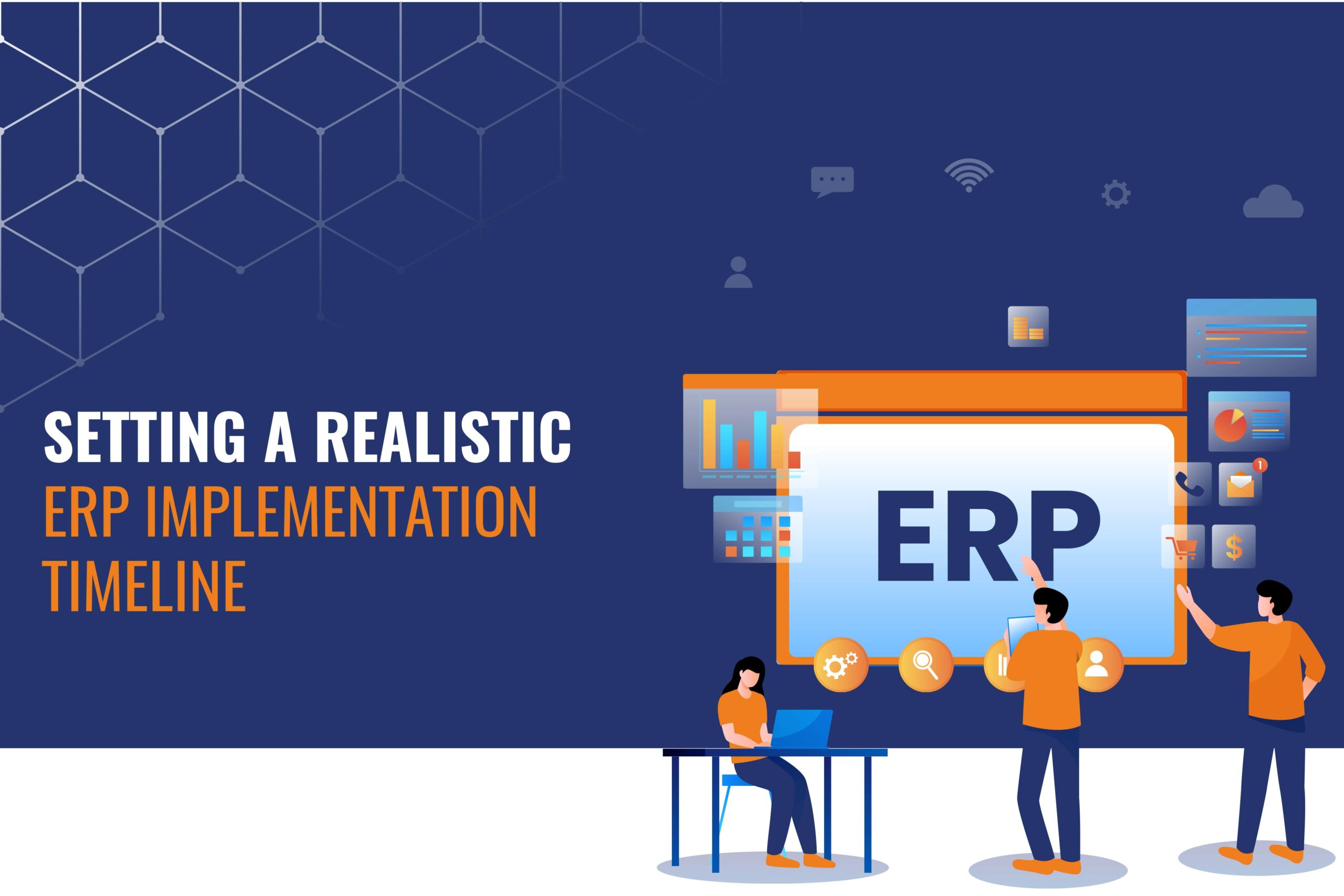
In today’s dynamic business landscape, implementing an Enterprise Resource Planning (ERP) system is not merely a choice but a strategic necessity for organizations striving to streamline operations, enhance productivity, and maintain a competitive edge. However, the journey toward ERP implementation is often fraught with challenges, and one of the critical factors determining success is setting a realistic timeline. In this regard, SAP Implementation emerges as a cornerstone, providing robust tools and methodologies to orchestrate the process efficiently.
The process of setting a realistic ERP implementation timeline encompasses a multifaceted approach, balancing the organization’s objectives, resources, and complexities involved. Firstly, thorough planning is imperative, wherein stakeholders collaborate to define clear goals, scope, and deliverables. Leveraging SAP’s expertise, organizations can conduct comprehensive assessments to identify requirements, risks, and potential roadblocks, laying a solid foundation for the timeline.
Moreover, SAP Implementation facilitates a phased approach, enabling organizations to break down the implementation process into manageable stages. By prioritizing critical modules or functionalities, organizations can achieve incremental milestones, mitigating risks of project delays or budget overruns.
Furthermore, effective resource management is paramount in setting a realistic ERP implementation timeline. SAP offers sophisticated project management tools that empower organizations to allocate resources judiciously, optimize workflows, and monitor progress in real time. By aligning resource allocation with project requirements and timelines, organizations can enhance efficiency, minimize bottlenecks, and accelerate the implementation process. Additionally, continuous communication and collaboration are pivotal throughout the ERP implementation journey.
Moreover, leveraging SAP’s extensive ecosystem of best practices, industry insights, and peer collaboration. So, it can provide invaluable guidance and support in setting a realistic ERP implementation timeline. Guided by SAP Implementation, organizations confidently navigate ERP complexities, aligning timelines with objectives, resources, and expectations, ensuring sustainable digital-age growth.
Embarking on an Enterprise Resource Planning (ERP) implementation journey is akin to setting sail on a voyage of transformation and efficiency enhancement for any organization. It is essential to acknowledge that successful SAP implementation is not merely a sprint but rather a carefully paced marathon. However, the success of this journey hinges significantly on the roadmap laid out in the form of a realistic ERP implementation timeline. In this comprehensive guide, we will explore the intricate process of setting a realistic timeline for ERP implementation, encompassing key considerations, best practices, and potential challenges along the way.
Before delving into the nuances of setting a timeline, it’s imperative to grasp the essence of ERP implementation. With its seamless integration of several tasks, an ERP system forms the foundation of contemporary corporate operations. integrating areas like supply chain management, finance, human resources, and customer relationship management onto a one platform. The implementation of an ERP system involves a series of meticulously planned phases, including planning, design, configuration, testing, training, deployment, and ongoing support.
The foundation of any ERP implementation timeline rests on clearly defined objectives. Organizations must articulate their goals and aspirations, whether it’s streamlining processes, enhancing data visibility. So it helps to improve decision-making, or achieving regulatory compliance. These objectives will serve as guiding beacons throughout the implementation journey, aligning stakeholders and resources toward a common vision.
A robust ERP implementation timeline begins with meticulous planning. This involves breaking down the project into manageable tasks, identifying dependencies, allocating resources, and establishing realistic timelines for each phase. Factors such as data migration, customization requirements, integration with existing systems, and organizational readiness. It must be thoroughly evaluated and accounted for during the planning phase.
Assessing organizational readiness is paramount to setting a realistic ERP implementation timeline. Organizations must evaluate their internal capabilities, including technological infrastructure, skill sets, change management processes, and cultural readiness for embracing change. So, engaging IT consulting services can provide organizations with valuable expertise, insights, and support throughout the SAP implementation journey. Addressing any gaps or challenges upfront can mitigate risks and prevent delays during the implementation process.
Effective stakeholder engagement is essential for garnering support, fostering collaboration, and ensuring alignment throughout the ERP implementation journey. Key stakeholders from various departments, including executive leadership, IT, finance, operations, and end-users, must be involved early in the process. Regular communication, feedback mechanisms, and stakeholder buy-in are critical for maintaining momentum and overcoming obstacles.
So, adequate resource allocation is a cornerstone of setting a realistic ERP implementation timeline. Organizations must allocate sufficient budget, time, and skilled personnel to support the implementation effort. This includes investments in hardware and software infrastructure, consulting services, training programs, and internal staff hours. So, underestimating resource requirements can lead to delays and cost overruns, undermining the success of the implementation.
Instead of pursuing a one-size-fits-all implementation strategy, organizations should consider adopting a phased approach. This involves breaking down the project into smaller, more manageable phases, focusing on specific business functions or departments first. So, organizations can minimize disruption, manage risk, and adapt to evolving requirements more effectively.
In addition, flexibility is the cornerstone of a realistic ERP implementation timeline of the organization. Despite meticulous planning, unforeseen challenges, such as technical issues, scope changes, may arise during the implementation process. Organizations must build flexibility into the timeline to accommodate such contingencies. This may involve setting aside buffer time between phases, maintaining open lines of communication, and empowering the project team to make timely adjustments as needed.
So, user adoption is a linchpin of ERP implementation success of the organization. Organizations must prioritize comprehensive training and change management initiatives to empower end-users and facilitate the transition to the new ERP system. This includes developing tailored training programs, providing user manuals and resources, conducting hands-on workshops, and offering ongoing support. By investing in user education and addressing resistance to change proactively. So, organizations can accelerate the pace of adoption and maximize the return on investment (ROI) from their ERP system.
So, data migration is a critical yet often underestimated aspect of ERP implementation. Organizations must allocate sufficient time and resources to extract, cleanse, transform, and migrate data from legacy systems to the new ERP platform. This process entails identifying relevant data sources, mapping data fields, resolving data quality issues, and conducting rigorous testing to ensure data integrity and accuracy. S0, IT consulting services play a crucial role in guiding organizations through the data migration process.
Continuous monitoring and course correction are indispensable elements of setting a realistic ERP implementation timeline. Organizations must establish robust mechanisms for tracking progress, monitoring key performance indicators (KPIs), and identifying potential bottlenecks or risks. So, regular checkpoints, status updates, and performance reviews enable stakeholders to stay informed, address emerging issues promptly, and make informed decisions. By fostering a culture of transparency, accountability, and continuous improvement, organizations can navigate the complexities of ERP implementation. It is more effective and ensures the timely achievement of project milestones.
Setting a realistic ERP implementation timeline is a multifaceted endeavor that requires careful planning, stakeholder engagement, and proactive management. By adhering to key considerations and best practices outlined in this guide, organizations can increase the likelihood of success and realize the full potential of their ERP investment. Whether embarking on a greenfield implementation or upgrading an existing system. So, organizations must approach the journey with diligence, resilience, and a commitment to excellence. With a clear roadmap, effective execution, and unwavering determination, organizations can navigate the complexities of ERP implementation. So, this embarks on a transformative journey toward operational excellence and sustained growth. For more information, visit our website.
Artificial intelligence is transforming how modern businesses operate. From automating workflows to generating insights from massive datasets, AI offers organizations unprecedented opportunities to innovate and scale. However, as AI capabilities grow, so do concerns around ethics, accountability, and transparency. This is why responsible AI has become a critical priority for large organizations.
Read More
Digital transformation has become a strategic priority for organizations across industries. Businesses are investing in advanced technologies, data platforms, and automation tools to improve efficiency and remain competitive in an increasingly digital world. However, transformation initiatives are rarely simple. Many organizations underestimate the complexity of change, leading to delays, wasted investments, or stalled projects.
Read More
For many organizations, legacy systems are both a foundation and a barrier. These older technologies once powered growth, managed operations, and supported critical business functions. Over time, however, they often become difficult to maintain, expensive to update, and incompatible with modern tools. As markets evolve and customer expectations rise, businesses increasingly recognize the need for legacy modernization.
Read More
Digital transformation promises speed, innovation, and competitive advantage. Yet, despite heavy investments in new technologies, many organizations struggle to achieve meaningful results. In fact, digital transformation failure is more common than most companies expect. Businesses launch ambitious initiatives to modernize systems, adopt AI, or improve customer experiences, but somewhere along the way, momentum fades.
Understanding why digital transformations fail requires looking beyond technology. The real problems often lie in strategy, culture, leadership, and execution. When these elements are misaligned, even the most advanced tools cannot deliver transformation.
Below are some of the most common enterprise transformation challenges that cause digital initiatives to stall or collapse.
Read More
Artificial intelligence is quickly moving from experimentation to enterprise-wide implementation. Many organizations have already tested AI through pilot projects, automation tools, or analytics platforms. The next step—scaling AI across the organization—promises greater efficiency, smarter decision-making, and new business opportunities.
However, expanding AI initiatives without the right structure can create confusion rather than progress. Disconnected tools, unclear governance, and untrained teams often turn promising projects into operational headaches. For companies pursuing enterprise AI adoption, the real challenge is learning how to scale AI safely while maintaining control, consistency, and trust.
Successfully scaling AI requires thoughtful planning, strong governance, and a focus on people as much as technology.
Read More
Businesses evolve constantly. Markets change, customer expectations rise, and new technologies reshape how companies operate. To keep up, organizations often need more than new tools or strategies—they need to rethink how the entire business functions. This is where operating model transformation comes in.
While the phrase may sound complex, the concept is actually quite simple. It is about redesigning how a company works so that it can deliver value more efficiently, adapt faster, and support long-term growth.
Understanding what is an operating model transformation helps leaders make better decisions about people, processes, and technology.
Read More
Enterprise transformations are complex, high-stakes initiatives that often promise operational efficiency, digital modernization, and competitive advantage. Yet, despite meticulous planning and substantial investments, many transformation programs stumble—not because of technology, but because of people.
This is where change management becomes critical. Understanding why people resist change and applying effective strategies in transformation leadership can make the difference between a stalled project and a successful enterprise-wide transformation.
Read More
Artificial Intelligence (AI) is no longer a futuristic concept; it has become a cornerstone of modern business strategy. From automating routine tasks to generating insights from vast datasets, AI promises efficiency, innovation, and competitive advantage.
Yet, the rapid pace of AI adoption also brings uncertainty. Many executives struggle with defining their role in AI strategy, leading to stalled projects or missed opportunities. Understanding how leaders should think about Artificial Intelligence is essential for turning technology into tangible business outcomes.
Read More
Digital transformation is no longer just a buzzword—it’s a necessity for businesses aiming to stay competitive in today’s fast-paced market. Organizations invest in cloud technologies, automation, AI, and customer-centric platforms to modernize operations and create value. But with so many initiatives underway, one pressing question arises: how to measure transformation success? Without clear metrics, companies risk investing heavily without knowing whether their efforts are truly paying off.
Measuring success in digital transformation goes beyond counting deployed tools or completed projects. It requires tracking meaningful indicators that reflect actual business outcomes, employee adoption, and customer impact. Defining transformation KPIs early in the journey ensures that initiatives stay aligned with strategic goals and deliver measurable value.
Read More
Enterprise transformation is no longer a niche service—it has become a critical driver for organizations seeking growth, agility, and resilience. Businesses today face unprecedented challenges: rapidly evolving technologies, shifting customer expectations, and complex global markets. In response, transformation consulting has evolved from offering generic recommendations to delivering highly specialized, strategic guidance that helps enterprises navigate this dynamic landscape.
Understanding how consulting is changing provides insights into what the future of enterprise transformation consulting looks like, and why companies are increasingly relying on experts to guide their transformational journeys.
Read More

Leave a Reply