
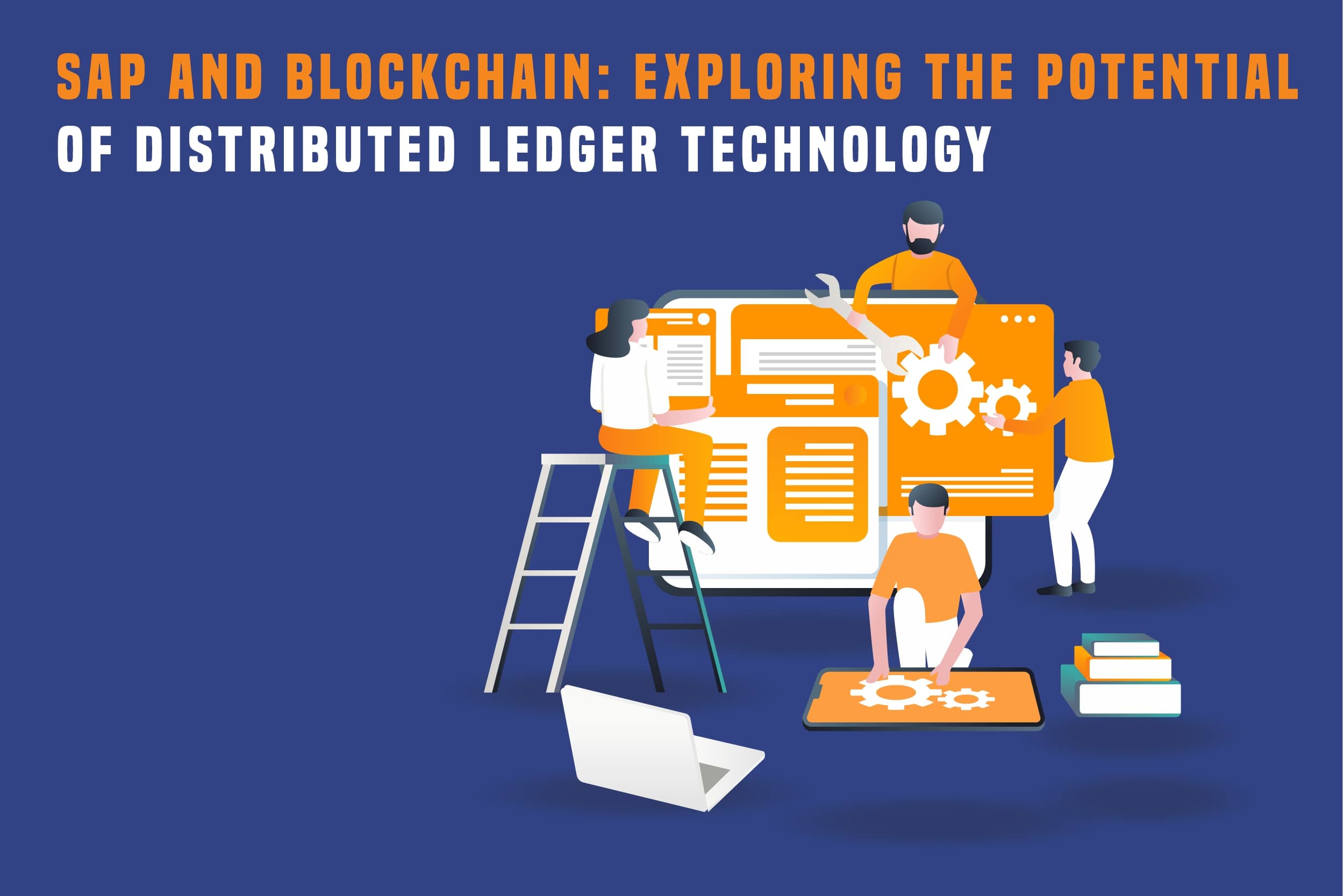
SAP and blockchain merging in enterprise tech bring a transformative era, reshaping data and transaction management for businesses. This strong partnership merges SAP’s reliable enterprise software with blockchain’s groundbreaking distributed ledger tech for enhanced capabilities.
At the heart of this transformative partnership is the focus on leveraging IT consulting services to unlock the full potential of SAP and blockchain integration. IT consulting services play a pivotal role in guiding businesses through the intricacies of this dynamic duo, ensuring a seamless fusion that optimizes processes, enhances security, and drives innovation.
Blockchain, with its decentralized and tamper-resistant ledger, introduces a paradigm shift in data security. When paired with SAP, a top business solutions provider, this tech forms an unalterable transaction record, protecting data from unauthorized changes.
The integration of SAP and blockchain is particularly groundbreaking in industries such as manufacturing that deal with complex product life cycles. IT consulting services enable organizations to streamline operations, implement robust supply chain management solutions, and enhance product lifecycle management.
Smart contracts, an integral part of blockchain technology, bring automation to the forefront. When integrated with SAP, these self-executing contracts streamline processes, reducing manual interventions and improving operational efficiency. The result is a more agile and responsive business environment where transactions are executed seamlessly.
The potential of SAP and blockchain extends beyond operational efficiency to redefine collaboration and transparency. IT consulting services integrate systems, offering real-time supply chain visibility, fostering trust, and encouraging cross-organizational cooperation among businesses.
IT consulting services are reshaping enterprise tech by exploring SAP and blockchain’s potential, transforming the landscape of business technology. Integration transcends tech upgrade, signifies strategic shift towards secure, transparent, and highly efficient business operations in the future.
The convergence of SAP and IT consulting services represents a dynamic and strategic partnership in the ever-evolving landscape of enterprise technology. Blockchain is poised to redefine the way businesses operate and manage their data. SAP, a stalwart in enterprise resource planning (ERP) solutions, and blockchain, a decentralized ledger technology, together form a formidable alliance with the potential to elevate transparency, security, and efficiency to unprecedented levels. This blog explores the intricate relationship between SAP and Blockchain, uncovering transformative possibilities and their integration’s impact across industries.
SAP has long been a cornerstone in the realm of enterprise software, offering integrated solutions that streamline business processes across finance, supply chain, and more. Its robust suite of applications empowers organizations to manage their operations seamlessly, fostering efficiency and productivity.
In contrast, blockchain, originally designed as the underlying technology for cryptocurrencies like Bitcoin, has transcended its origins to become a revolutionary force in data management. A distributed ledger that records transactions across a network of computers securely and transparently. So, the blockchain ensures immutability, decentralization, and cryptographic security, making it an ideal candidate for applications beyond cryptocurrencies.
The decentralized nature of blockchain eliminates the vulnerability associated with a central authority, significantly reducing the risk of data tampering access. By integrating Blockchain with SAP implementation, organizations can fortify their data security measures, safeguard sensitive information, and instil trust in their business processes.
Blockchain’s transparent and auditable ledger provides a real-time, immutable record of transactions. When seamlessly integrated with SAP, this transparency extends across the entire supply chain and other business processes. So, enabling stakeholders to trace the origin and movement of goods or information with unprecedented clarity.
The automation capabilities inherent in SAP, combined with the decentralized nature of blockchain, synergize to streamline processes. So, this reduction in the need for intermediaries and manual interventions, facilitated by smart contracts. Self-executing contracts with terms directly written into code ushers in a new era of automated transactions, enhancing operational efficiency.
SAP’s prowess in supply chain management, when harmonized with blockchain’s end-to-end visibility, creates a powerful combination. The integration holds the potential to revolutionize supply chain processes, from tracking the provenance of goods. So, it is useful to automating payments through smart contracts, thereby reducing delays and errors.
So, the integration enables real-time data updates and visibility, allowing businesses to make informed decisions promptly. This is especially crucial in industries where quick decision-making is essential for operational success.
The immutability of blockchain records helps prevent and detect fraud. Any attempt to tamper with transactional data is immediately noticeable, providing an additional layer of security against fraudulent activities.
For industries dealing with assets and inventory, the integration allows for real-time tracking and management. This optimization helps reduce losses, minimize stockouts, and improve overall asset efficiency.
The pharmaceutical industry, grappling with the challenges of counterfeit drugs, stands to gain significantly from the integration of SAP and Blockchain. By recording the entire lifecycle of pharmaceutical products on a blockchain, stakeholders. So, it can verify the authenticity of drugs, ensuring patient safety and adherence to regulatory standards.
In the financial realm, the integration of SAP with Blockchain facilitates faster and more secure cross-border payments. The decentralized nature of blockchain eliminates the need for multiple intermediaries, thereby reducing transaction costs and processing times.
Industries dealing with complex product life cycles, such as manufacturing, can leverage the integration. So, the convergence of SAP and an IT consulting services company is integral to digital transformation initiatives. So, it helps to enhance product traceability, quality control, and maintenance processes. The decentralized ledger guarantees transparency, maintaining an unalterable record of every product lifecycle stage, promoting accountability and quality assurance.
While the benefits of SAP and Blockchain integration are promising, organizations must grapple with the technical intricacies involved. Ensuring seamless interoperability and data consistency between the two technologies requires meticulous planning and execution.
Blockchain networks, especially public ones, face scalability challenges for the organization. When integrating, organizations must assess their chosen blockchain’s scalability for handling transaction volumes generated by SAP implementation applications.
The regulatory landscape surrounding blockchain is still evolving. Businesses need to navigate complex compliance requirements to ensure that SAP and Blockchain. So, the main focus of this integration meets legal standards in their respective industries.
In addition, blockchain technology is continually evolving, with new updates and features being introduced. Businesses need to stay informed about the latest developments and be prepared to adapt their integrated systems to leverage emerging capabilities
As SAP and Blockchain integration gains momentum, the future holds exciting possibilities. The development of industry-specific consortiums, standardization of protocols, and the evolution of hybrid blockchain solutions. So, these are anticipated, addressing current challenges and driving widespread adoption.
So, SAP and blockchain, facilitated by an IT consulting services company, reflect a move toward more transparent, efficient, and secure business processes. The synergy between SAP’s enterprise solutions and blockchain’s decentralized ledger technology. It opens doors to enhanced security, transparency, and efficiency across various industries. While challenges exist, the potential benefits far outweigh the drawbacks, paving the way for a transformative era in digital business operations. As organizations continue to explore and embrace this powerful alliance, the journey towards a more secure, transparent, and efficient future is well underway. For more information, visit our website.
Artificial intelligence is transforming how modern businesses operate. From automating workflows to generating insights from massive datasets, AI offers organizations unprecedented opportunities to innovate and scale. However, as AI capabilities grow, so do concerns around ethics, accountability, and transparency. This is why responsible AI has become a critical priority for large organizations.
Read More
Digital transformation has become a strategic priority for organizations across industries. Businesses are investing in advanced technologies, data platforms, and automation tools to improve efficiency and remain competitive in an increasingly digital world. However, transformation initiatives are rarely simple. Many organizations underestimate the complexity of change, leading to delays, wasted investments, or stalled projects.
Read More
For many organizations, legacy systems are both a foundation and a barrier. These older technologies once powered growth, managed operations, and supported critical business functions. Over time, however, they often become difficult to maintain, expensive to update, and incompatible with modern tools. As markets evolve and customer expectations rise, businesses increasingly recognize the need for legacy modernization.
Read More
Digital transformation promises speed, innovation, and competitive advantage. Yet, despite heavy investments in new technologies, many organizations struggle to achieve meaningful results. In fact, digital transformation failure is more common than most companies expect. Businesses launch ambitious initiatives to modernize systems, adopt AI, or improve customer experiences, but somewhere along the way, momentum fades.
Understanding why digital transformations fail requires looking beyond technology. The real problems often lie in strategy, culture, leadership, and execution. When these elements are misaligned, even the most advanced tools cannot deliver transformation.
Below are some of the most common enterprise transformation challenges that cause digital initiatives to stall or collapse.
Read More
Artificial intelligence is quickly moving from experimentation to enterprise-wide implementation. Many organizations have already tested AI through pilot projects, automation tools, or analytics platforms. The next step—scaling AI across the organization—promises greater efficiency, smarter decision-making, and new business opportunities.
However, expanding AI initiatives without the right structure can create confusion rather than progress. Disconnected tools, unclear governance, and untrained teams often turn promising projects into operational headaches. For companies pursuing enterprise AI adoption, the real challenge is learning how to scale AI safely while maintaining control, consistency, and trust.
Successfully scaling AI requires thoughtful planning, strong governance, and a focus on people as much as technology.
Read More
Businesses evolve constantly. Markets change, customer expectations rise, and new technologies reshape how companies operate. To keep up, organizations often need more than new tools or strategies—they need to rethink how the entire business functions. This is where operating model transformation comes in.
While the phrase may sound complex, the concept is actually quite simple. It is about redesigning how a company works so that it can deliver value more efficiently, adapt faster, and support long-term growth.
Understanding what is an operating model transformation helps leaders make better decisions about people, processes, and technology.
Read More
Enterprise transformations are complex, high-stakes initiatives that often promise operational efficiency, digital modernization, and competitive advantage. Yet, despite meticulous planning and substantial investments, many transformation programs stumble—not because of technology, but because of people.
This is where change management becomes critical. Understanding why people resist change and applying effective strategies in transformation leadership can make the difference between a stalled project and a successful enterprise-wide transformation.
Read More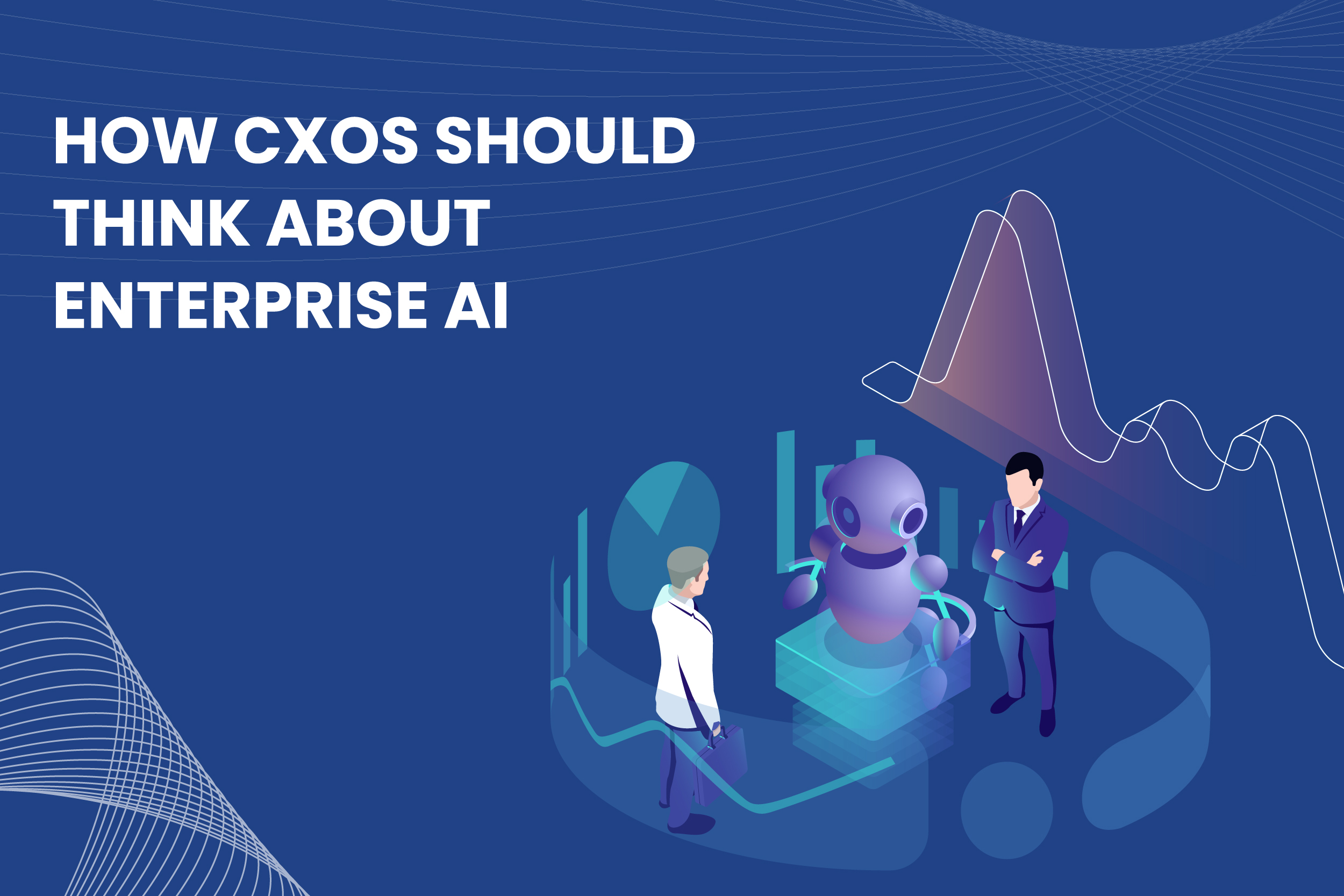
Artificial Intelligence (AI) is no longer a futuristic concept; it has become a cornerstone of modern business strategy. From automating routine tasks to generating insights from vast datasets, AI promises efficiency, innovation, and competitive advantage.
Yet, the rapid pace of AI adoption also brings uncertainty. Many executives struggle with defining their role in AI strategy, leading to stalled projects or missed opportunities. Understanding how leaders should think about Artificial Intelligence is essential for turning technology into tangible business outcomes.
Read More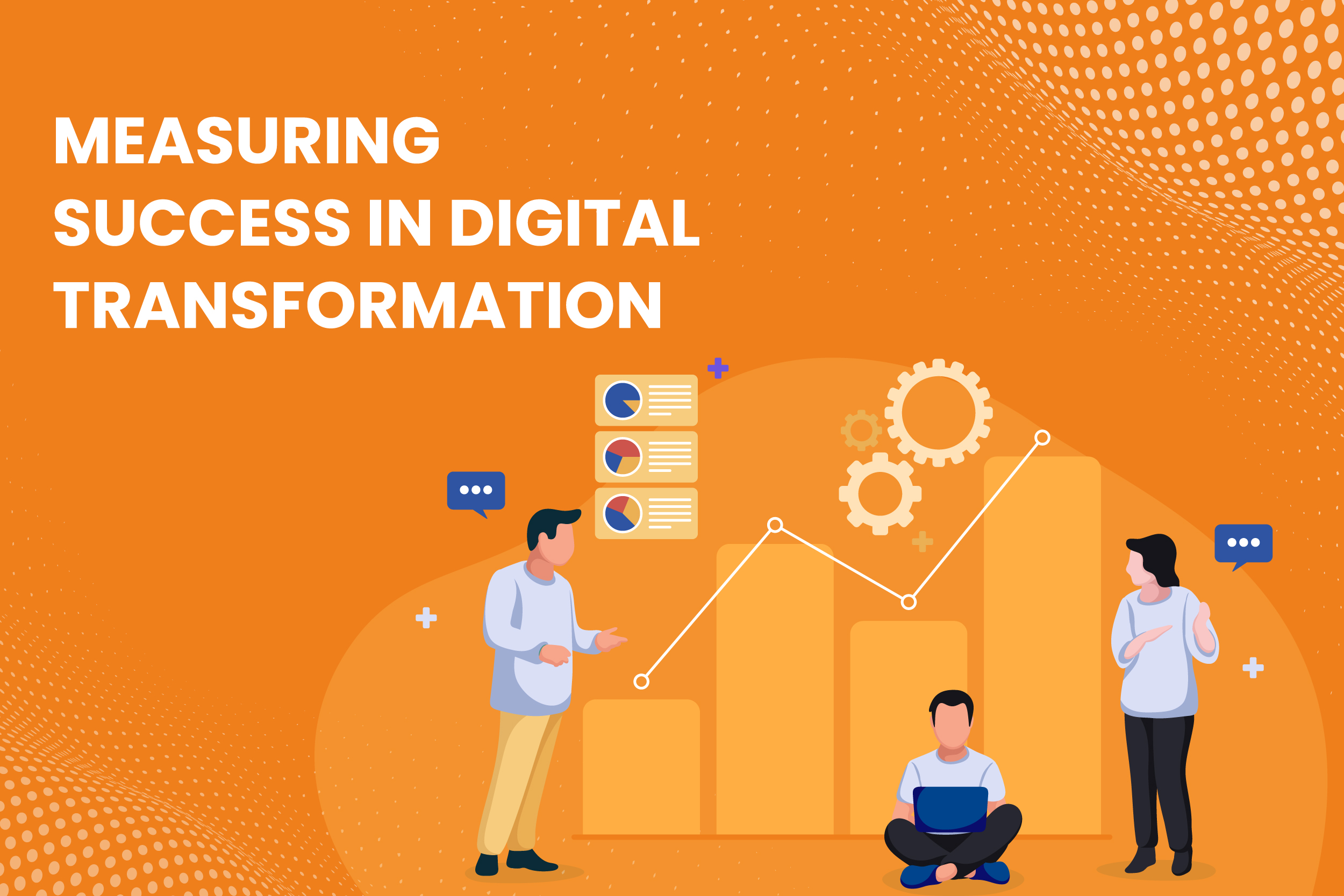
Digital transformation is no longer just a buzzword—it’s a necessity for businesses aiming to stay competitive in today’s fast-paced market. Organizations invest in cloud technologies, automation, AI, and customer-centric platforms to modernize operations and create value. But with so many initiatives underway, one pressing question arises: how to measure transformation success? Without clear metrics, companies risk investing heavily without knowing whether their efforts are truly paying off.
Measuring success in digital transformation goes beyond counting deployed tools or completed projects. It requires tracking meaningful indicators that reflect actual business outcomes, employee adoption, and customer impact. Defining transformation KPIs early in the journey ensures that initiatives stay aligned with strategic goals and deliver measurable value.
Read More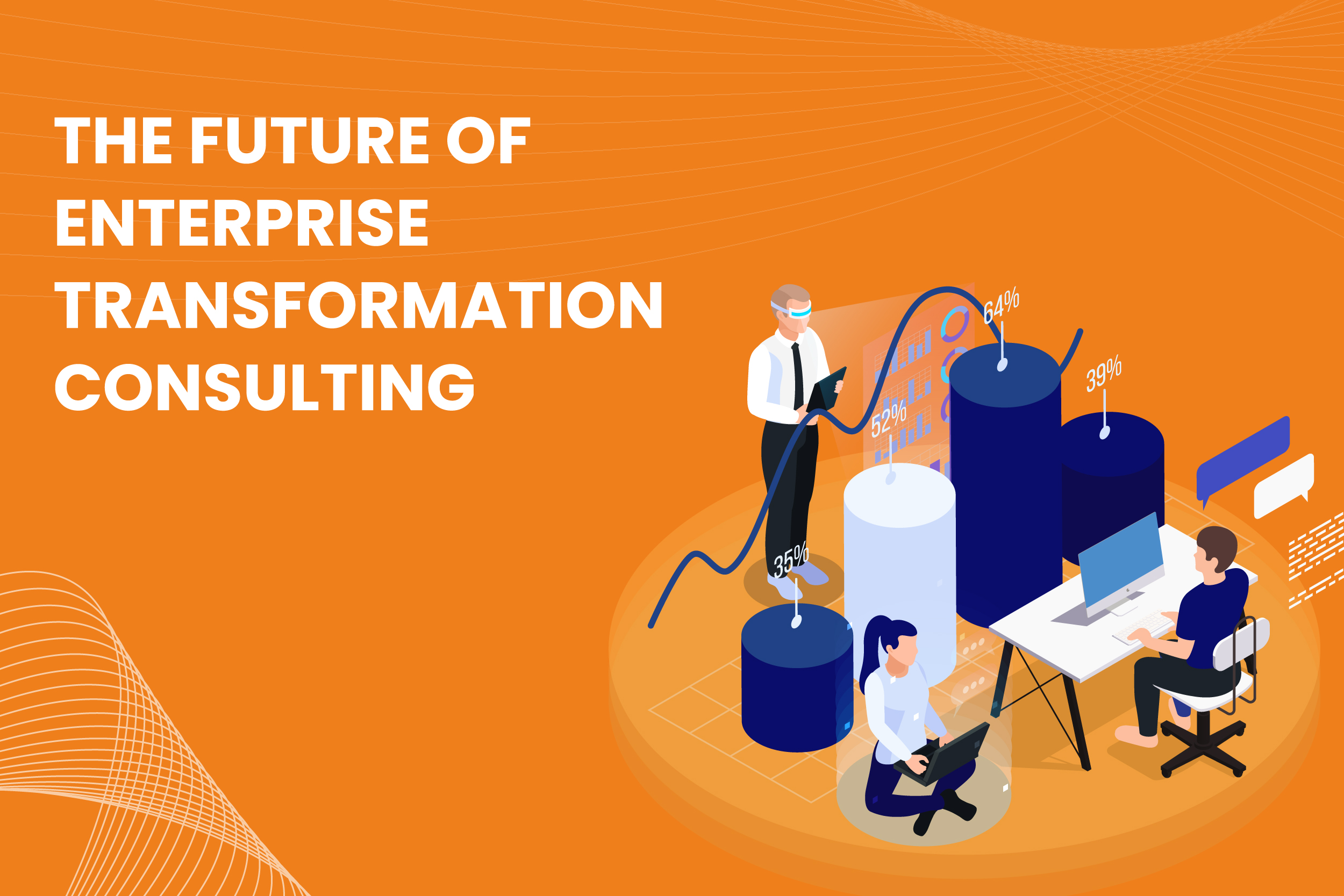
Enterprise transformation is no longer a niche service—it has become a critical driver for organizations seeking growth, agility, and resilience. Businesses today face unprecedented challenges: rapidly evolving technologies, shifting customer expectations, and complex global markets. In response, transformation consulting has evolved from offering generic recommendations to delivering highly specialized, strategic guidance that helps enterprises navigate this dynamic landscape.
Understanding how consulting is changing provides insights into what the future of enterprise transformation consulting looks like, and why companies are increasingly relying on experts to guide their transformational journeys.
Read More

Leave a Reply