
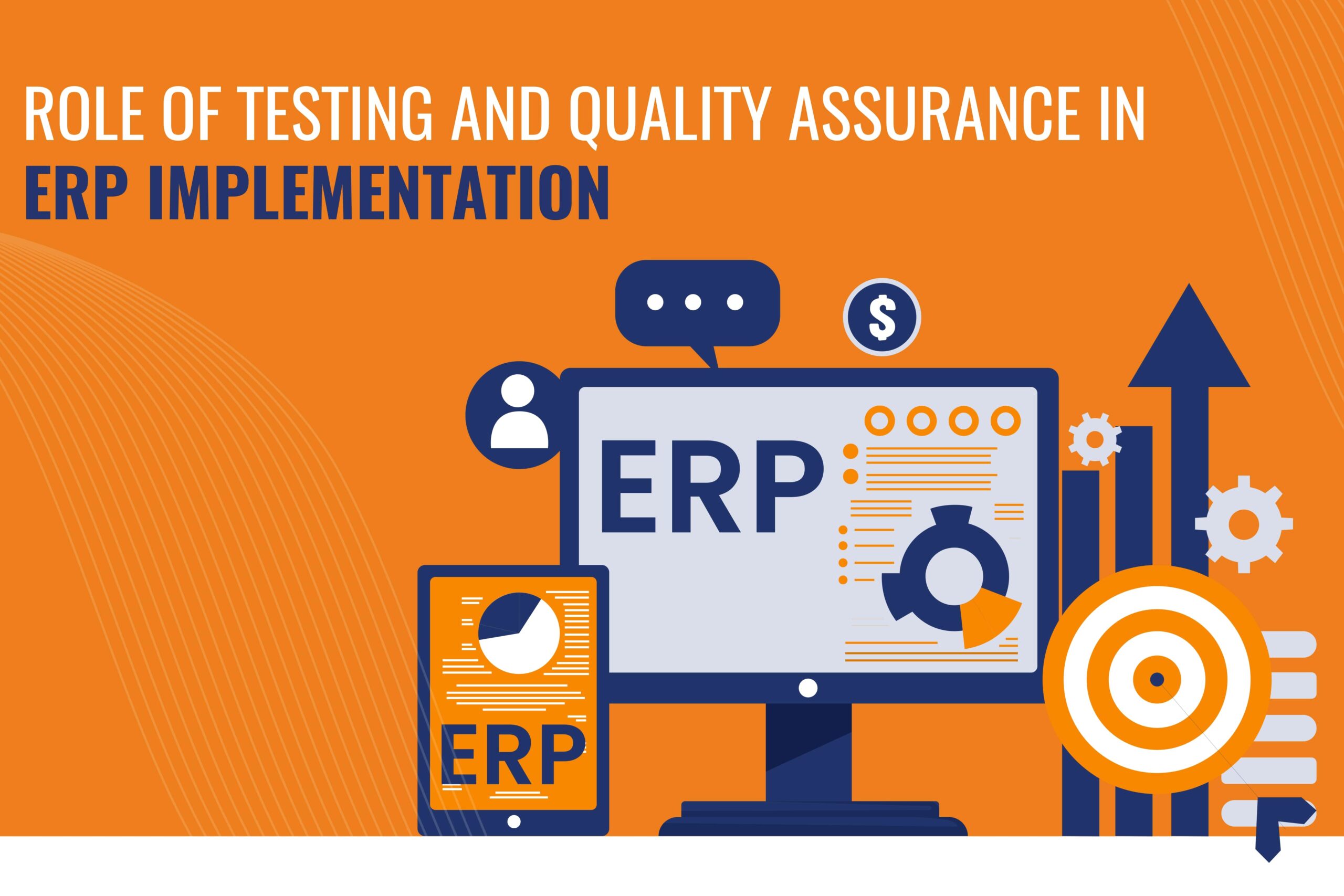
Testing and Quality Assurance (QA) are pivotal in successfully implementing Enterprise Resource Planning (ERP) systems, especially in Cloud Computing. ERP systems are complex, integrated solutions that streamline business processes across various departments. While organizations increasingly migrate their ERP systems to the cloud. Testing and QA becomes even more critical to ensure a smooth transition and ongoing operational excellence.
Cloud Computing introduces a dynamic and scalable environment for ERP implementation. So, testing in the cloud involves evaluating the performance, security, and functionality of the ERP system and virtualized infrastructure. However, it ensures the ERP software is incompatible with the cloud environment. It takes advantage of its inherent benefits, such as scalability and accessibility.
One crucial aspect of testing in the cloud is performance testing. So, QA teams must simulate various scenarios to assess how the ERP system performs under different workloads and conditions. However, this is vital in a cloud-based environment where resources are allocated dynamically. Rigorous performance testing helps identify bottlenecks, optimize resource Utilization, and guarantee that the ERP system meets performance expectations.
Moreover, security is another paramount concern in ERP implementation. It is especially in the cloud, where data is stored and processed remotely. So, QA teams must conduct thorough security testing to identify vulnerabilities and ensure that sensitive business information is adequately protected. This includes assessing data encryption, access controls, and compliance with industry regulations.
However, testing and QA are integral to successful ERP implementation, especially in Cloud Computing. Therefore, these processes guarantee that the ERP system not only adapts seamlessly to the cloud environment but also performs optimally. It is secure, and aligns with the organization’s evolving needs. A robust testing and QA strategy ensures that the ERP system becomes a strategic asset, contributing to enhanced business efficiency.
In the constantly changing landscape of digital business, companies are increasingly relying on Enterprise Resource Planning (ERP) systems and cloud computing. So, it stands out as a transformative leap toward efficiency and integration. Additionally successful implementation of an Enterprise Resource Planning (ERP) system, especially with Cloud Transformation, is a multifaceted journey.
This blog explores the pivotal role that Testing and Quality Assurance play at every stage of the ERP implementation lifecycle. From validating requirements to conducting user acceptance testing, carefully orchestrating testing processes elevates ERP implementation. From a technical deployment to a strategic initiative that empowers organizations to thrive in the digital era.
Enterprise Resource Planning (ERP) implementation is a pivotal journey for organizations seeking operational excellence and digital transformation. Amidst the complexity of integrating diverse business functions. The role of Testing and Quality Assurance emerges as a linchpin for success. Some benefits of this are discussed below.
Testing and QA validate that the ERP system aligns precisely with the organization’s unique business requirements. By meticulously verifying and testing against these objectives, QA safeguards against misalignments that could impede operational efficiency.
The comprehensive testing of ERP systems ensures seamless integration of modules and components. However, This eradicates potential bottlenecks and guarantees that the system functions as a cohesive unit, facilitating smooth business processes.
Through rigorous testing, QA ensures the accurate migration of data from legacy systems to the ERP platform. Moreover, this meticulous process safeguards against data inconsistencies, preserving the integrity of critical business information.
Performance testing under various conditions allows organizations to identify and rectify potential performance bottlenecks. Additionally, QA ensures that the ERP system meets current operational demands and is scalable to accommodate future business growth seamlessly.
ERP systems handle sensitive organizational data, making security paramount. However, QA evaluates and fortifies access controls, encryption mechanisms, and overall system security, mitigating data breaches and unauthorized access risks.
It ensures Alignment with Business Needs in the organization for their growth and development. In IT consulting services, professionals play a crucial role in guiding businesses through this process. Additionally, QA teams play a vital role in verifying these requirements to ensure that the ERP system. It is designed and configured to meet the organization’s specific needs. This involves meticulous analysis and validation of functional and non-functional requirements, setting the foundation for subsequent testing phases.
Integration is at the heart of ERP systems, where various modules and components must work together seamlessly. Moreover, system Integration Testing (SIT) is a critical phase where QA teams validate business processes and communication between different modules. So, the goal is to identify and rectify any integration issues, ensuring a cohesive and integrated ERP environment.
Data migration is a high-risk aspect of ERP implementation. QA ensures accuracy. The integrity of data transferred from legacy systems to the new ERP system. Through meticulous data mapping, transformation, and validation process testing. So, QA teams minimize the risk of data inconsistencies and ensure a smooth transition.
The performance of an ERP system is paramount for its effectiveness in a real-world business environment. So, QA teams conduct performance testing to assess the system’s scalability, responsiveness, and stability under different conditions. This involves stress testing to establish system limits and capacity planning to guarantee a smooth cloud transformation. It can handle future growth without compromising performance.
The sensitive nature of data managed by ERP systems makes security testing a non-negotiable aspect of QA. Additionally, security testing involves assessing access controls, encryption mechanisms, and protection against potential threats. QA teams work to identify and address vulnerabilities, ensuring that ERP system meets industry standards for data protection and compliance.
User acceptance is a key factor in the success of ERP implementation. QA oversees the User Acceptance Testing (UAT) phase, where end-users validate the system against their day-to-day operational needs. However, this phase ensures that the ERP system aligns with user expectations, addressing usability issues. It refines the system based on user feedback and it is essential.
As ERP systems evolve with updates and changes, QA teams conduct regression testing to ensure that new modifications. This does not negatively impact existing functionalities of the organization. This ongoing testing process provides a safety net, preventing the introduction of errors or defects with each system update.
Moreover, in the context of IT consulting services, where ERP systems are hosted in cloud environments, regression testing becomes even more critical. So, this ensures end-users can navigate the system efficiently, leading to higher adoption rates and increased productivity.
ERP systems often operate in regulated industries where compliance with legal standards and industry regulations is mandatory. QA ensures the ERP system adheres to these standards, conducting thorough checks to address compliance issues. However, This mitigates legal risks and instills stakeholders’ confidence regarding the system’s reliability and security.
So, cloud transformation is pivotal in ensuring that the ERP system meets the organization’s requirements. Additionally, QA activities ensure that the ERP system meets the defined requirements. In an era where digital transformation is a strategic imperative, QA emerges as the unsung hero, safeguarding integrity. It gives success in ERP implementations in the organization. For more information visit our website.
Digital transformation promises speed, innovation, and competitive advantage. Yet, despite heavy investments in new technologies, many organizations struggle to achieve meaningful results. In fact, digital transformation failure is more common than most companies expect. Businesses launch ambitious initiatives to modernize systems, adopt AI, or improve customer experiences, but somewhere along the way, momentum fades.
Understanding why digital transformations fail requires looking beyond technology. The real problems often lie in strategy, culture, leadership, and execution. When these elements are misaligned, even the most advanced tools cannot deliver transformation.
Below are some of the most common enterprise transformation challenges that cause digital initiatives to stall or collapse.
Read More
Artificial intelligence is quickly moving from experimentation to enterprise-wide implementation. Many organizations have already tested AI through pilot projects, automation tools, or analytics platforms. The next step—scaling AI across the organization—promises greater efficiency, smarter decision-making, and new business opportunities.
However, expanding AI initiatives without the right structure can create confusion rather than progress. Disconnected tools, unclear governance, and untrained teams often turn promising projects into operational headaches. For companies pursuing enterprise AI adoption, the real challenge is learning how to scale AI safely while maintaining control, consistency, and trust.
Successfully scaling AI requires thoughtful planning, strong governance, and a focus on people as much as technology.
Read More
Businesses evolve constantly. Markets change, customer expectations rise, and new technologies reshape how companies operate. To keep up, organizations often need more than new tools or strategies—they need to rethink how the entire business functions. This is where operating model transformation comes in.
While the phrase may sound complex, the concept is actually quite simple. It is about redesigning how a company works so that it can deliver value more efficiently, adapt faster, and support long-term growth.
Understanding what is an operating model transformation helps leaders make better decisions about people, processes, and technology.
Read More
Enterprise transformations are complex, high-stakes initiatives that often promise operational efficiency, digital modernization, and competitive advantage. Yet, despite meticulous planning and substantial investments, many transformation programs stumble—not because of technology, but because of people.
This is where change management becomes critical. Understanding why people resist change and applying effective strategies in transformation leadership can make the difference between a stalled project and a successful enterprise-wide transformation.
Read More
Artificial Intelligence (AI) is no longer a futuristic concept; it has become a cornerstone of modern business strategy. From automating routine tasks to generating insights from vast datasets, AI promises efficiency, innovation, and competitive advantage.
Yet, the rapid pace of AI adoption also brings uncertainty. Many executives struggle with defining their role in AI strategy, leading to stalled projects or missed opportunities. Understanding how leaders should think about Artificial Intelligence is essential for turning technology into tangible business outcomes.
Read More
Digital transformation is no longer just a buzzword—it’s a necessity for businesses aiming to stay competitive in today’s fast-paced market. Organizations invest in cloud technologies, automation, AI, and customer-centric platforms to modernize operations and create value. But with so many initiatives underway, one pressing question arises: how to measure transformation success? Without clear metrics, companies risk investing heavily without knowing whether their efforts are truly paying off.
Measuring success in digital transformation goes beyond counting deployed tools or completed projects. It requires tracking meaningful indicators that reflect actual business outcomes, employee adoption, and customer impact. Defining transformation KPIs early in the journey ensures that initiatives stay aligned with strategic goals and deliver measurable value.
Read More
Enterprise transformation is no longer a niche service—it has become a critical driver for organizations seeking growth, agility, and resilience. Businesses today face unprecedented challenges: rapidly evolving technologies, shifting customer expectations, and complex global markets. In response, transformation consulting has evolved from offering generic recommendations to delivering highly specialized, strategic guidance that helps enterprises navigate this dynamic landscape.
Understanding how consulting is changing provides insights into what the future of enterprise transformation consulting looks like, and why companies are increasingly relying on experts to guide their transformational journeys.
Read More
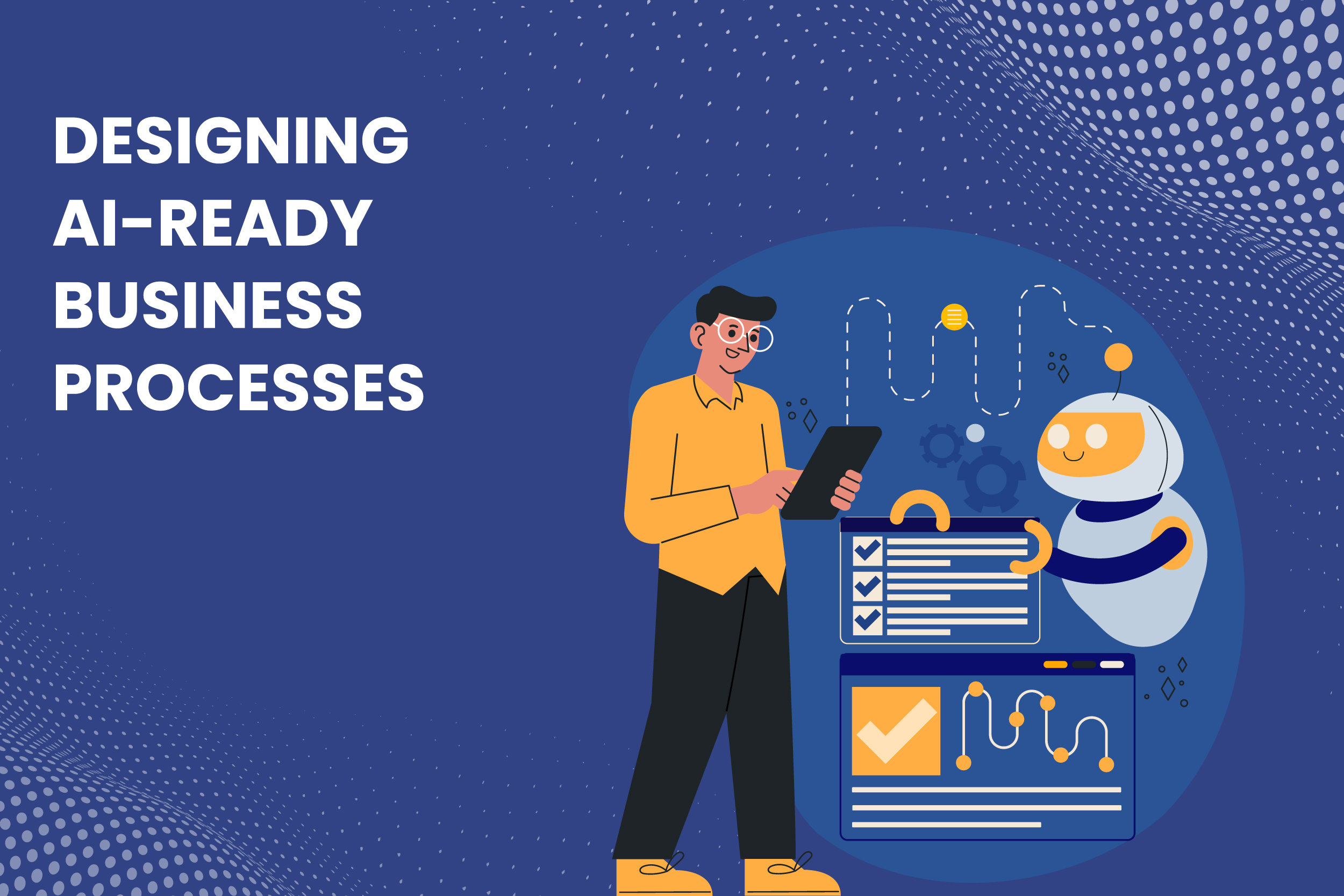
Artificial intelligence is quickly moving from experimentation to real business impact. Organizations are using AI to automate decisions, improve customer experiences, and extract insights from massive volumes of data. However, simply adopting AI tools does not guarantee success. Many companies discover that their existing workflows were never designed to support intelligent automation.
To unlock the full potential of AI, businesses must rethink how their processes are structured. This is where business process transformation becomes essential. Organizations need AI-ready processes that are structured, data-driven, and adaptable. Without these foundations, even the most advanced AI systems struggle to deliver value.
Understanding how to prepare processes for AI helps businesses build systems that are not only efficient today but also capable of evolving with future technologies.
Read More
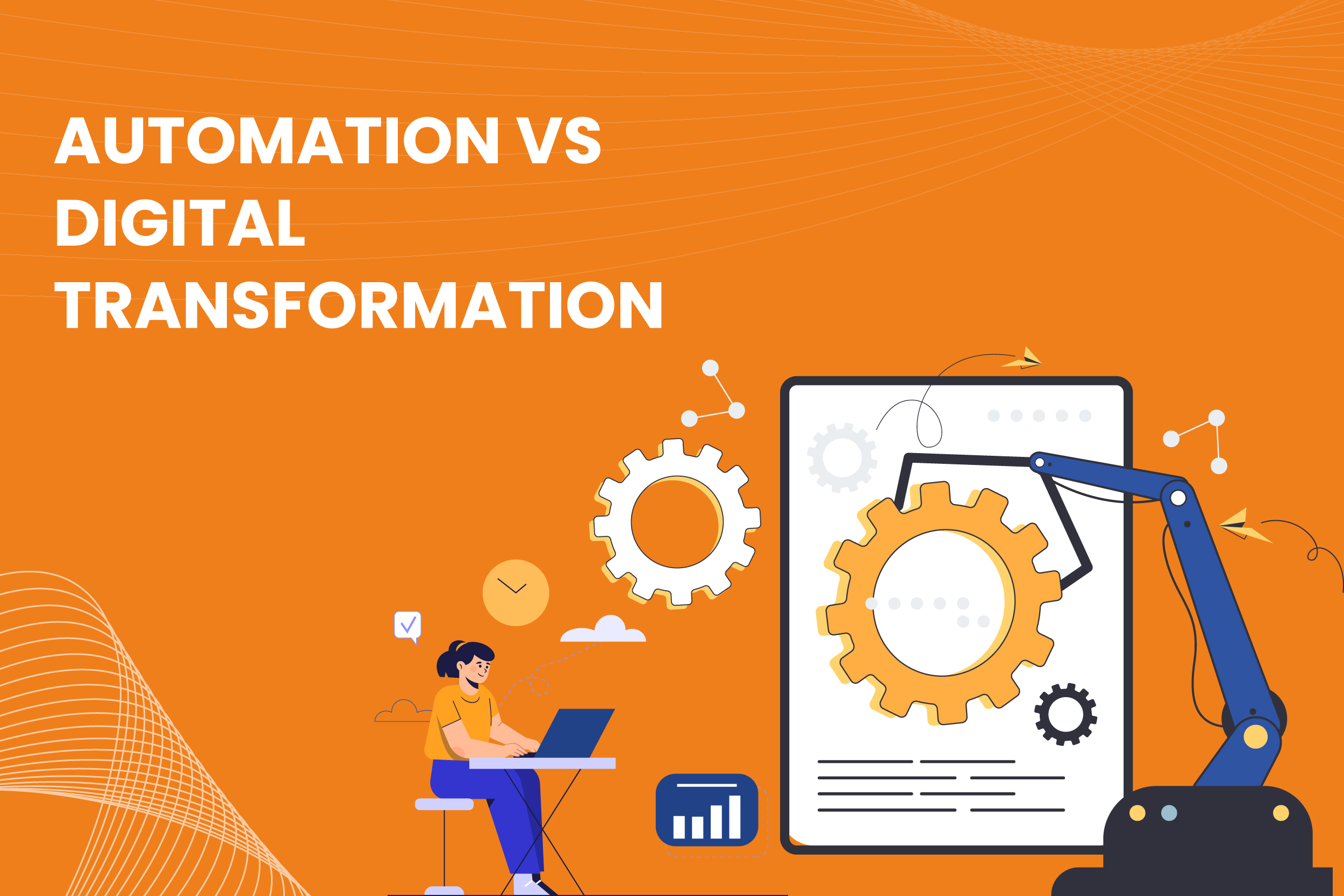
Businesses today are under constant pressure to move faster, operate efficiently, and deliver better customer experiences. In response, many organizations invest in automation tools and digital technologies. However, a common misunderstanding arises when companies assume automation alone equals transformation.
In reality, automation vs transformation is not a comparison of competing strategies. Instead, automation is a component of digital transformation, not the transformation itself. Understanding this distinction is essential for organizations that want to achieve meaningful and lasting change.
When leaders realize that automation is not digital transformation, they can approach technology adoption more strategically and avoid investing in tools that produce only limited impact.
Read More
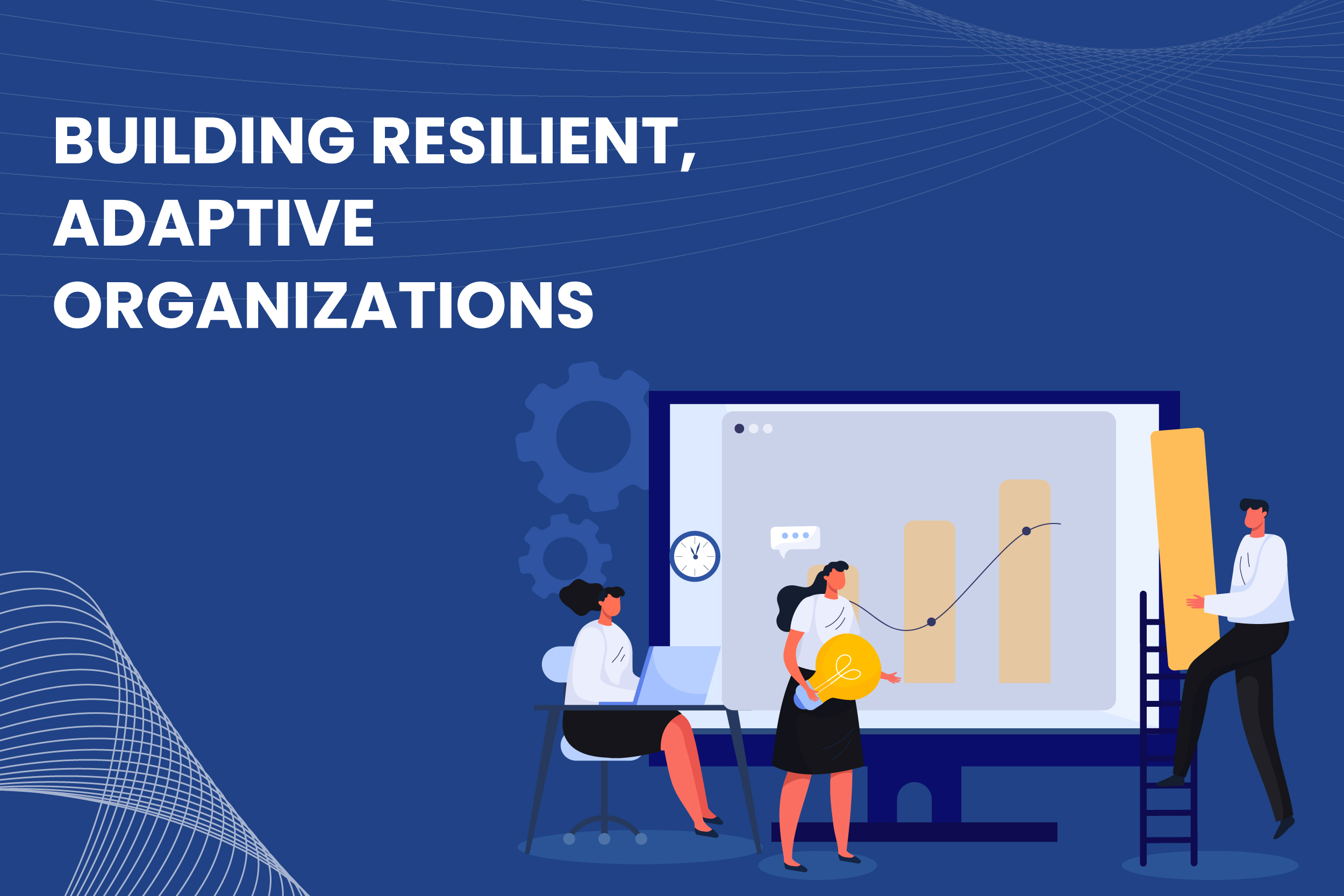
In today’s fast-paced business landscape, uncertainty is the only constant. From global economic shifts to rapid technological change, organizations face pressures that can disrupt operations, challenge growth, and threaten survival. In this environment, organizational resilience is no longer optional—it is essential. Companies that cultivate adaptability, foresight, and responsiveness are better equipped to thrive, even under the most challenging circumstances.
How companies stay resilient begins with a mindset that sees disruption not as a threat, but as an opportunity to learn, evolve, and innovate. Resilient organizations do more than recover from setbacks—they anticipate challenges, respond effectively, and emerge stronger.
Read More

Leave a Reply