
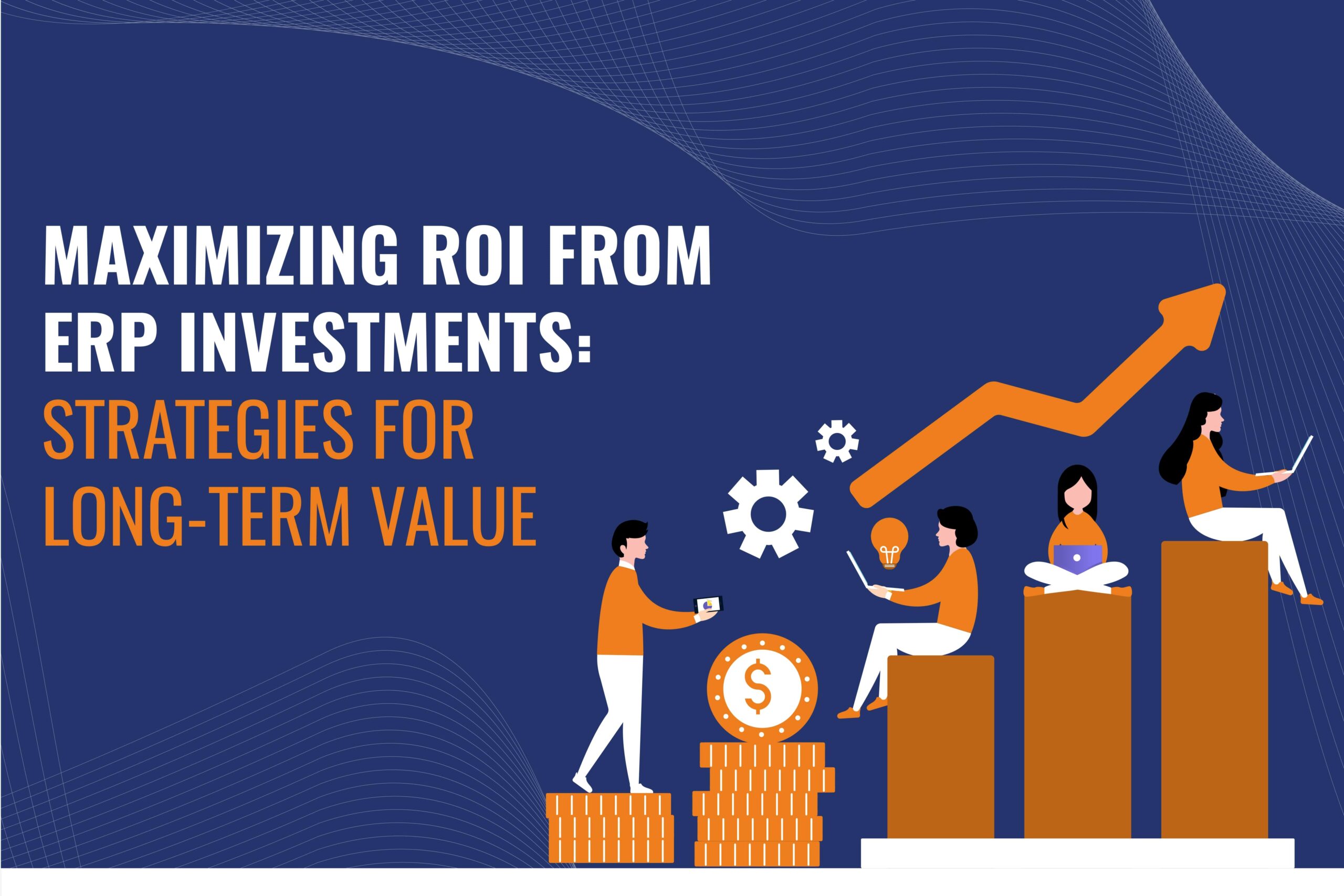
Maximizing ROI from ERP Investments: Strategies for Long-Term Value” takes a proactive approach. To optimize return on investment (ROI) in ERP implementation, offering invaluable insights for enduring success.
ERP implementation represents a substantial commitment, and this strongly asserts that the journey extends far beyond the initial system deployment. It vigorously emphasizes the pivotal role of post-implementation strategies in ensuring that organizations consistently extract enduring value from ERP investments.
A prominent active strategy highlighted in this blog revolves around the continuous monitoring and evaluation of ERP systems. Organizations must actively gauge whether their ERP aligns with evolving business objectives and adapts to dynamic market conditions. Vigilant adjustments and refinements are indispensable for the long-term realization of value.
This strongly underscores the critical significance of effective user training and engagement as pivotal components of ERP success. It underscores that proficiency in using ERP systems and active engagement by employees are fundamental to unlocking its full potential.Active strategies for sustaining ERP systems are also extensively discussed. Regular updates, proactive maintenance, and adept adaptation to evolving technological landscapes. These are fundamental to preventing ERP systems from becoming outdated and ineffective.
Furthermore, it advocates for the practice of data-driven decision-making through ERP systems. It compellingly demonstrates how organizations can harness ERP data actively to inform strategic choices, ultimately maximizing their ROI.
This discussion forcefully stresses the importance of cultivating a culture of continuous improvement. ERP implementation transcends a one-time project; it is an ongoing journey. Organizations must actively nurture a mindset of perpetual refinement and adaptation to stay relevant and effective.
So, this discussion is based on the maximizing ROI of ERP investment. This ensures that their ERP systems consistently align with business objectives, thereby maximizing the long-term value of these crucial investments. This actively guides organizations in the pursuit of sustained ROI excellence in the dynamic realm of ERP implementation.
SAP consulting services play a pivotal role in assisting contemporary businesses in harnessing the full potential of ERP systems. These powerful software programs provide substantial advantages, from streamlining commercial operations. However, the road to fully realize the potential of ERP investments goes much beyond the short term.
In this article, we will discuss the tactics businesses may use to increase the ROI of their ERP system investment. ERP installations are major projects that require significant financial investment and operational change. Organizations must develop a strategic, all-encompassing strategy that covers the whole ERP life cycle in order to reap long-term advantages.
With careful planning and preparation, an ERP deployment may be effective. Organizations should evaluate their needs, complete a thorough cost-benefit analysis, and set specific goals before making an ERP system investment. Resources are used effectively, and those resources are time, money, or effort. It enables organizations to maximize resource allocation by doing more with less resources. The importance of maximizing ROI is discussed below.
It takes tremendous effort to implement an Enterprise Resource Planning (ERP) system with the intention of maximizing Return on Investment. IT consulting services are instrumental in guiding organizations through this complex process. To guarantee that ERP system provides several benefits like long-term value, rigorous planning, competent implementation, and continuing management are necessary. A step-by-step manual for establishing ERP to maximize ROI is provided below:
Establish your goals and expectations for the ERP deployment explicitly in the beginning. What particular business issues or objectives do you want to tackle with the ERP system? Establish quantifiable key performance indicators (KPIs) that will enable you to evaluate the implementation’s ROI success.
Analyze the demands and requirements of your organization in great detail. Engage stakeholders from various departments to learn about their requirements. Determine the pain areas, inefficiencies, and bottlenecks that the ERP system needs to address. The basis for choosing the ideal ERP solution will be this analysis.
Select an ERP solution that supports the goals and needs of your company. Think about things like scalability, adaptability, industry-specific capabilities, and vendor reputation. So it can help to make an informed choice, compare the various ERP companies’ products.
Make a thorough implementation plan that includes information on the project’s scope, timetable, milestones, and resource allocation. Establish roles and duties for stakeholders and the project team. Make sure that the strategy takes potential risks and eventualities into consideration.
Recognize that major adjustments to procedures and workflows are frequently required for ERP systems. Create a solid change management approach such as open communication, educational opportunities, and staff support systems. Actively address staff concerns and reluctance to change.
For an ERP to succeed, data integrity and accuracy are essential. Conduct data cleansing and validation procedures. Before transferring data to the new system, make sure it is correct and consistent. To avoid data-related problems before and after deployment, develop a data migration strategy and testing procedures.
A crucial objective for organizations is to maximize Return on Investment (ROI) for an Enterprise Resource Planning (ERP) system. In order to do this, organizations can use a number of popular tactics:
SAP consulting services emphasize the importance of establishing clear and quantifiable goals for your ERP deployment. Create Key Performance Indicators (KPIs) that are in line with these goals. Having clearly stated goals provides a foundation for monitoring and assessing ROI.
Before choosing an ERP system, do a thorough study of the needs and procedures inside your organization. Make sure the chosen solution satisfies a range of business criteria by including stakeholders from various departments.
Reduce the amount of ERP system modification in the organization. Instead, wherever feasible, customize the system to comply with your company procedures. Customizations may result in greater expenditures and more difficult upkeep.
So, ERP systems have developed into crucial tools for businesses looking to improve decision-making, streamline processes, and increase productivity. IT consulting services play a pivotal role in facilitating this transformation. This extensive guide has discussed methods for obtaining a long-term return on investment (ROI) using ERP systems. Visit our website for further details.
Digital transformation promises speed, innovation, and competitive advantage. Yet, despite heavy investments in new technologies, many organizations struggle to achieve meaningful results. In fact, digital transformation failure is more common than most companies expect. Businesses launch ambitious initiatives to modernize systems, adopt AI, or improve customer experiences, but somewhere along the way, momentum fades.
Understanding why digital transformations fail requires looking beyond technology. The real problems often lie in strategy, culture, leadership, and execution. When these elements are misaligned, even the most advanced tools cannot deliver transformation.
Below are some of the most common enterprise transformation challenges that cause digital initiatives to stall or collapse.
Read More
Artificial intelligence is quickly moving from experimentation to enterprise-wide implementation. Many organizations have already tested AI through pilot projects, automation tools, or analytics platforms. The next step—scaling AI across the organization—promises greater efficiency, smarter decision-making, and new business opportunities.
However, expanding AI initiatives without the right structure can create confusion rather than progress. Disconnected tools, unclear governance, and untrained teams often turn promising projects into operational headaches. For companies pursuing enterprise AI adoption, the real challenge is learning how to scale AI safely while maintaining control, consistency, and trust.
Successfully scaling AI requires thoughtful planning, strong governance, and a focus on people as much as technology.
Read More
Businesses evolve constantly. Markets change, customer expectations rise, and new technologies reshape how companies operate. To keep up, organizations often need more than new tools or strategies—they need to rethink how the entire business functions. This is where operating model transformation comes in.
While the phrase may sound complex, the concept is actually quite simple. It is about redesigning how a company works so that it can deliver value more efficiently, adapt faster, and support long-term growth.
Understanding what is an operating model transformation helps leaders make better decisions about people, processes, and technology.
Read More
Enterprise transformations are complex, high-stakes initiatives that often promise operational efficiency, digital modernization, and competitive advantage. Yet, despite meticulous planning and substantial investments, many transformation programs stumble—not because of technology, but because of people.
This is where change management becomes critical. Understanding why people resist change and applying effective strategies in transformation leadership can make the difference between a stalled project and a successful enterprise-wide transformation.
Read More
Artificial Intelligence (AI) is no longer a futuristic concept; it has become a cornerstone of modern business strategy. From automating routine tasks to generating insights from vast datasets, AI promises efficiency, innovation, and competitive advantage.
Yet, the rapid pace of AI adoption also brings uncertainty. Many executives struggle with defining their role in AI strategy, leading to stalled projects or missed opportunities. Understanding how leaders should think about Artificial Intelligence is essential for turning technology into tangible business outcomes.
Read More
Digital transformation is no longer just a buzzword—it’s a necessity for businesses aiming to stay competitive in today’s fast-paced market. Organizations invest in cloud technologies, automation, AI, and customer-centric platforms to modernize operations and create value. But with so many initiatives underway, one pressing question arises: how to measure transformation success? Without clear metrics, companies risk investing heavily without knowing whether their efforts are truly paying off.
Measuring success in digital transformation goes beyond counting deployed tools or completed projects. It requires tracking meaningful indicators that reflect actual business outcomes, employee adoption, and customer impact. Defining transformation KPIs early in the journey ensures that initiatives stay aligned with strategic goals and deliver measurable value.
Read More
Enterprise transformation is no longer a niche service—it has become a critical driver for organizations seeking growth, agility, and resilience. Businesses today face unprecedented challenges: rapidly evolving technologies, shifting customer expectations, and complex global markets. In response, transformation consulting has evolved from offering generic recommendations to delivering highly specialized, strategic guidance that helps enterprises navigate this dynamic landscape.
Understanding how consulting is changing provides insights into what the future of enterprise transformation consulting looks like, and why companies are increasingly relying on experts to guide their transformational journeys.
Read More
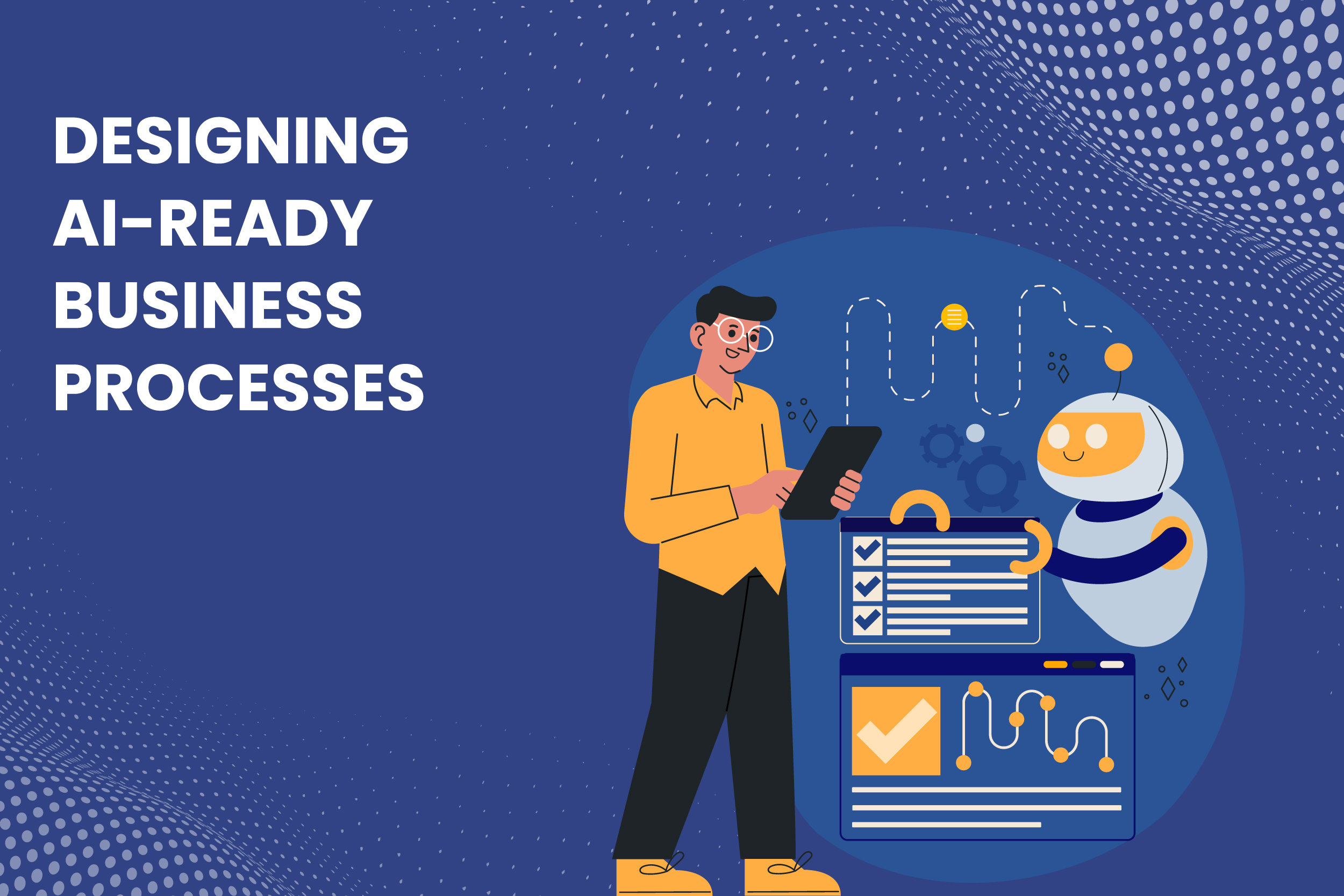
Artificial intelligence is quickly moving from experimentation to real business impact. Organizations are using AI to automate decisions, improve customer experiences, and extract insights from massive volumes of data. However, simply adopting AI tools does not guarantee success. Many companies discover that their existing workflows were never designed to support intelligent automation.
To unlock the full potential of AI, businesses must rethink how their processes are structured. This is where business process transformation becomes essential. Organizations need AI-ready processes that are structured, data-driven, and adaptable. Without these foundations, even the most advanced AI systems struggle to deliver value.
Understanding how to prepare processes for AI helps businesses build systems that are not only efficient today but also capable of evolving with future technologies.
Read More
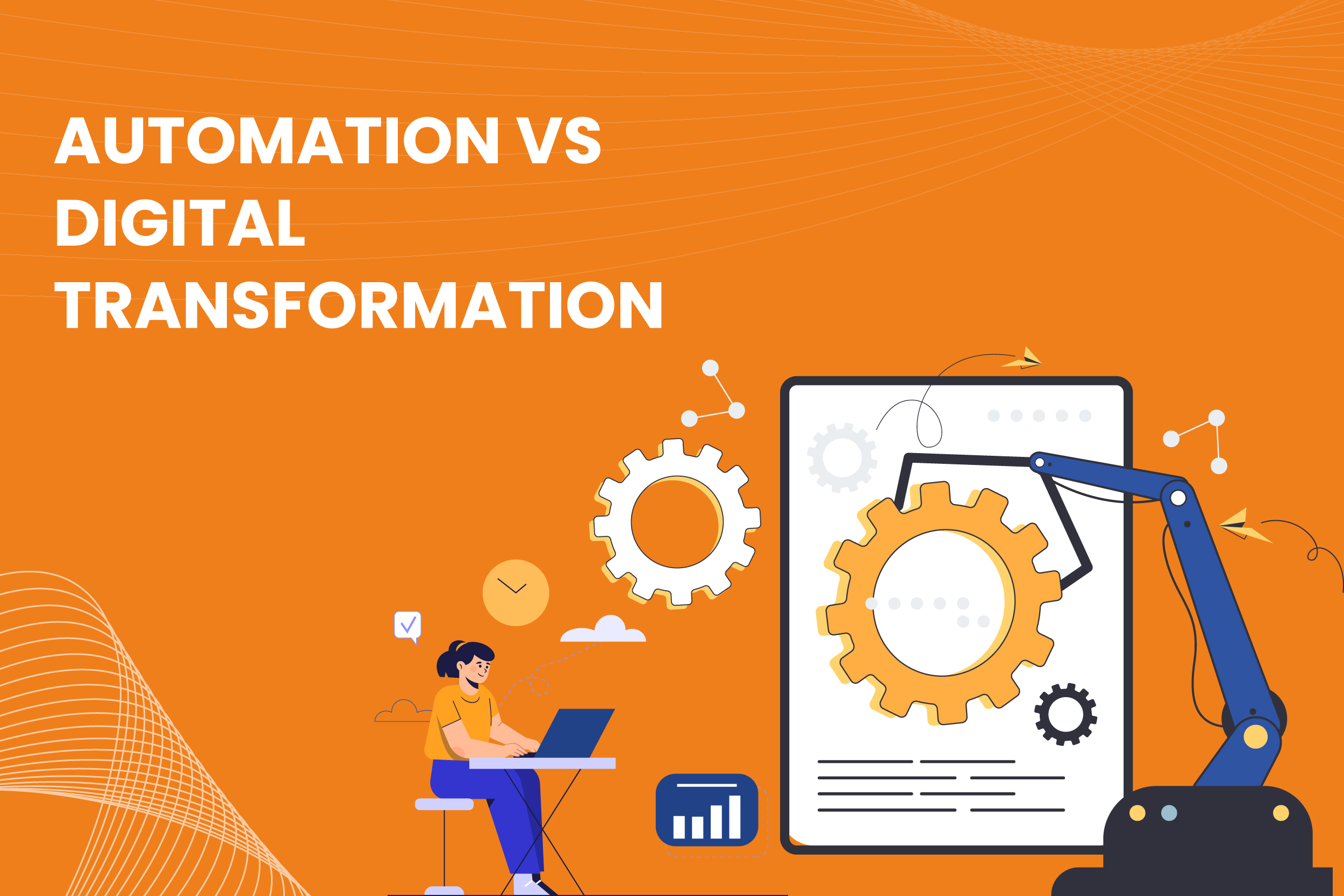
Businesses today are under constant pressure to move faster, operate efficiently, and deliver better customer experiences. In response, many organizations invest in automation tools and digital technologies. However, a common misunderstanding arises when companies assume automation alone equals transformation.
In reality, automation vs transformation is not a comparison of competing strategies. Instead, automation is a component of digital transformation, not the transformation itself. Understanding this distinction is essential for organizations that want to achieve meaningful and lasting change.
When leaders realize that automation is not digital transformation, they can approach technology adoption more strategically and avoid investing in tools that produce only limited impact.
Read More
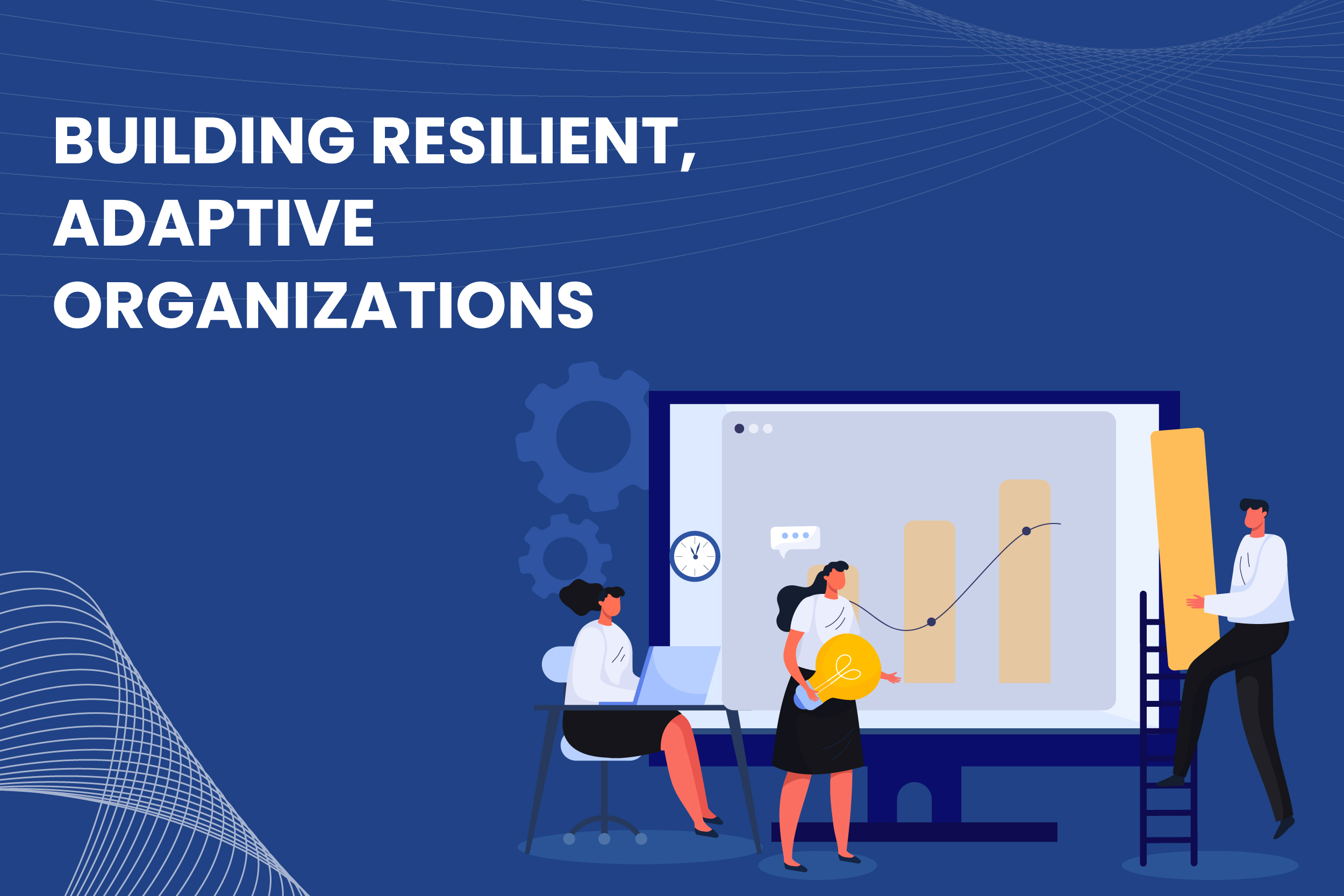
In today’s fast-paced business landscape, uncertainty is the only constant. From global economic shifts to rapid technological change, organizations face pressures that can disrupt operations, challenge growth, and threaten survival. In this environment, organizational resilience is no longer optional—it is essential. Companies that cultivate adaptability, foresight, and responsiveness are better equipped to thrive, even under the most challenging circumstances.
How companies stay resilient begins with a mindset that sees disruption not as a threat, but as an opportunity to learn, evolve, and innovate. Resilient organizations do more than recover from setbacks—they anticipate challenges, respond effectively, and emerge stronger.
Read More

Leave a Reply