
Read to know how agile methodologies will transform the world into an era of change. Learn how it would significantly raise software development success rates, enhance quality, and increase the drive and output of IT teams.
The modern workplace is a fast-moving competition in a complicated and unknowable global environment. The demands of clients who are more empowered are always changing, posing new competitive challenges, altering market dynamics, and causing technological upheaval. Businesses are under pressure to evolve more quickly and provide customers with better goods and services. Modern leadership difficulties cannot be met by conventional leadership thinking and tactics. To outperform the competition, agile consulting leaders must more effectively engage staff, encourage creativity, accelerate delivery, and manage risks.
Businesses today need to become agile if they want to compete in the digital era. However, a lot of top businesses struggle with efficiency and data-driven decision-making, which reduces their productivity. Agile transformation is more than simply a technical endeavour. Compared to previous business models, it is far more efficient, open, and collaborative.
Agile is a broad term that refers to a variety of methods that enable quick adjustment to changing circumstances. The agile consulting technique places a strong emphasis on offering products with the highest commercial value first, followed by real-time customer communication to enable input from them directly. Agile also necessitates rigorous oversight of project costs, timelines, and scope. It’s fascinating that when gifted young people are asked to name their ideal employer from the standpoint of employment, they almost always respond with names like Facebook, Google, Amazon, Netflix, and Spotify. Why? The odd thing is that while none of these businesses are in the same sector, they do have a specific approach to productivity and a unique people culture – They adhere to the agile methodology while working in cohesive small teams.
Information technology has been transformed through different agile consulting services. In the last few years, they have significantly raised software development success rates, enhanced quality, and speed to market, and increased the drive and output of IT teams. Numerous approaches, including but not limited to scrum, kanban, and spiral, were established to manage the application of the agile concept and the technical implementation itself. The goal was to establish responsibility, sustainability, and efficient teamwork for on-time product delivery.
Businesses, organizations, and enterprises must change their ways of thinking and acting in order to foster a culture of organizational alignment on business priorities, wherein we aren’t just focused on completing a project or delivering a product, but also on how that completion contributes to the business as a whole. Agile consulting services and their supporting methodology may aid in breaking down the development jobs into smaller, more manageable deliverable work, but we must infuse that work with a focus on the quick advancement of the overall business.
Agile implementation can advance things. When undergoing a large-scale transition, adopting agile ways of working entails more than just a shift in culture and mindset—it also heavily involves building new ways of functioning. Hence, business transformation enables better operational performance awareness, Quicker communication, and Continual improvement in providing value for consumers.
In today’s fast-paced digital landscape, businesses must adapt to changing technologies and customer expectations to remain competitive. One of the most effective ways to achieve this adaptability is through digital transformation, which involves integrating digital technologies into all areas of a business. A critical component of this transformation is Enterprise Resource Planning (ERP) systems.
Read More
Implementing an SAP system can be a transformative step for organizations aiming to enhance their operational efficiency, streamline processes, and improve data visibility. However, success in an SAP implementation goes beyond simply completing the project on time and within budget. It involves measuring and analyzing key performance metrics that provide insight into how effectively the system is being utilized and whether it meets the organization’s objectives.
Read More
In today’s fast-paced business environment, efficient systems and processes are vital for success. Enterprise Resource Planning (ERP) systems like SAP are central to this, helping organizations streamline their operations, manage resources more effectively, and drive productivity.
However, ERP implementation is a complex and often challenging process that requires a skilled IT consulting partner to ensure success. Selecting the right IT consulting services for your ERP implementation, especially for SAP, can make the difference between seamless integration and costly disruptions.
Read More
ERP systems have become indispensable tools for businesses looking to streamline operations, improve efficiency, and maintain a competitive edge. However, implementing ERP solutions can be daunting, especially for small and medium-sized businesses (SMBs) with limited resources.
The complexity of the process, cost concerns, and the need for seamless integration across departments pose significant challenges. To overcome these, SMBs must adopt tailored ERP implementation strategies that align with their unique requirements.
Read More
In today’s fast-paced business environment, Enterprise Resource Planning (ERP) systems like SAP (Systems, Applications, and Products) are crucial to streamlining operations, improving efficiency, and supporting growth. However, the process of SAP implementation can be complex and time-consuming, often putting a strain on internal resources.
This is where IT consulting services come into play, providing the necessary expertise and support to accelerate your SAP implementation timeline. By leveraging specialized knowledge and proven strategies, IT consulting services can significantly shorten the time required for successful SAP deployment, helping organizations stay competitive and responsive to market demands.
Read More
As enterprises scale, managing resources, streamlining operations, and maintaining flexibility become crucial challenges. To address these challenges, businesses increasingly turn to cloud-based Enterprise Resource Planning (ERP) systems.
ERP solutions have long been vital in centralizing various business functions like finance, human resources, supply chain management, and customer relations into a unified system. In recent years, the shift to cloud-based ERP systems has offered even greater benefits, particularly for growing enterprises.
Read More
Implementing an Enterprise Resource Planning (ERP) system like SAP can significantly transform an organization’s operations, boosting efficiency and data accuracy. However, an SAP implementation is a complex process that requires meticulous planning and execution. Many companies fail to realize the depth of such projects and commit avoidable mistakes that lead to delays, cost overruns, and frustration.
Read More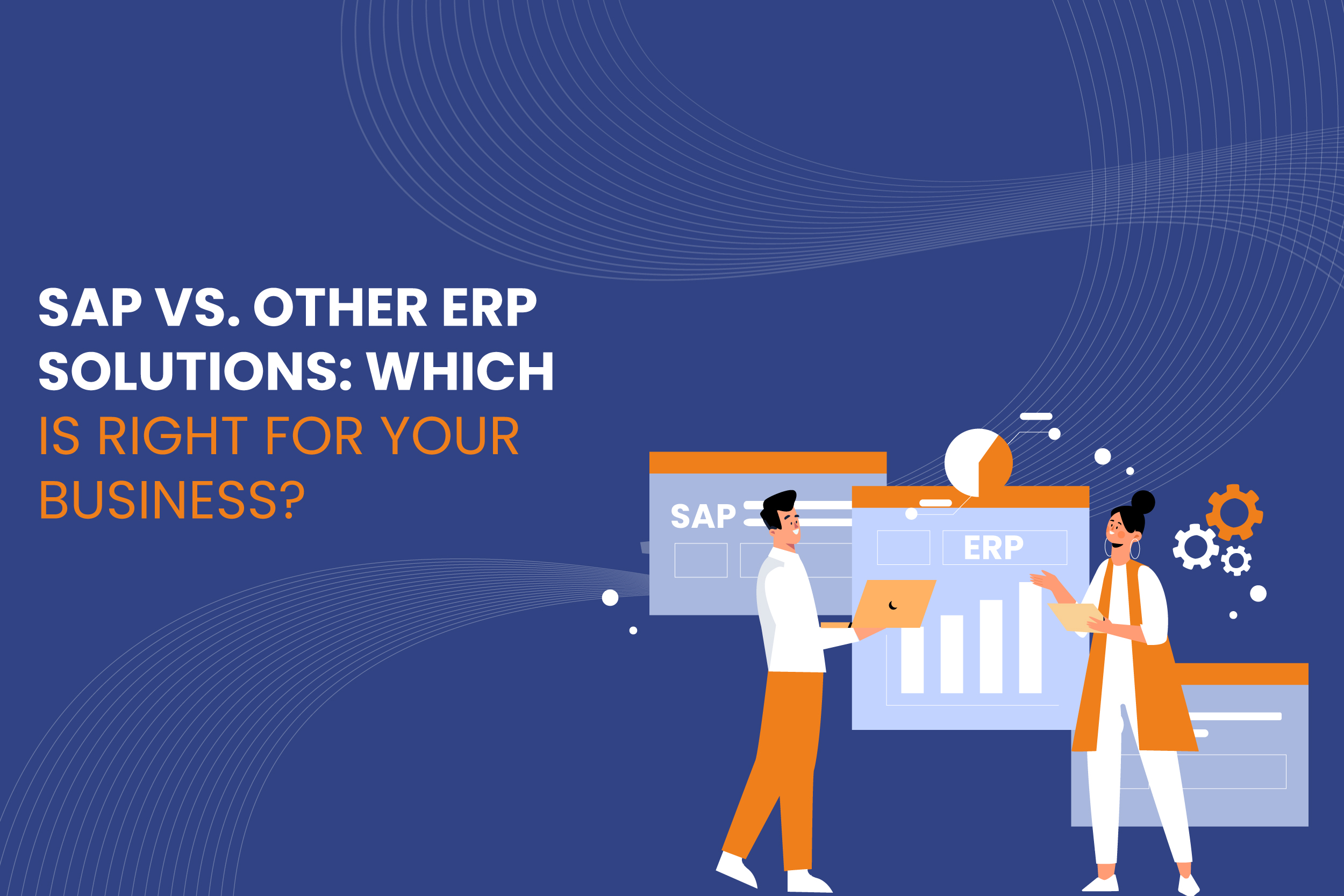
In today’s competitive business environment, organizations must be equipped with efficient, reliable, and scalable systems to manage their operations. Enterprise Resource Planning (ERP) solutions provide companies with the tools to streamline their processes, integrate various departments, and enable data-driven decision-making.
Among the vast array of ERP solutions, SAP is one of the most well-known, but it’s not the only option. Businesses must consider whether SAP or another ERP solution is the right fit based on their unique needs.
Read More
Enterprise Resource Planning (ERP) systems have become the backbone of modern business operations. Whether it’s handling financials, human resources, supply chains, or manufacturing processes, ERP solutions streamline and automate vital business functions, fostering efficiency and growth. SAP, one of the leading ERP platforms, is often the go-to choice for organizations due to its robust and customizable features. However, ERP implementation—whether SAP or another system—is not without challenges. This is where IT consulting services play a pivotal role.
The complexities of ERP implementations require specialized expertise, and IT consulting services provide the technical know-how, strategic planning, and ongoing support that are critical to successful deployment and long-term functionality.
Read More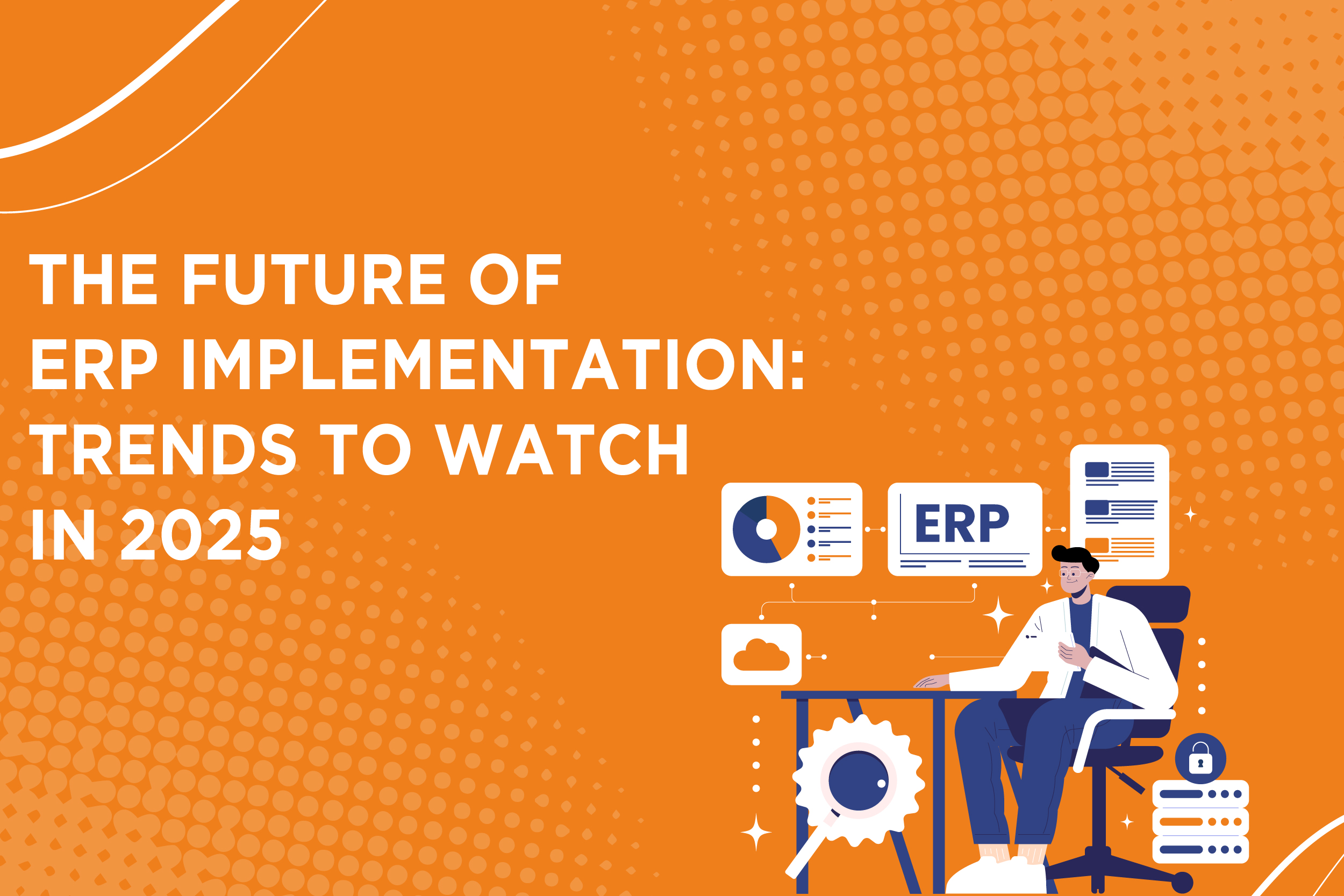
In the rapidly evolving business landscape, enterprise resource planning (ERP) systems are essential for companies looking to streamline operations, improve data accuracy, and enhance decision-making processes. As we look toward 2025, the future of ERP implementation is promising, with significant trends emerging that are reshaping how organizations deploy and manage their ERP systems. From advancements in SAP implementation to innovations in IT consulting services, businesses must keep a keen eye on these trends to remain competitive.
Read More
Leave a Reply