
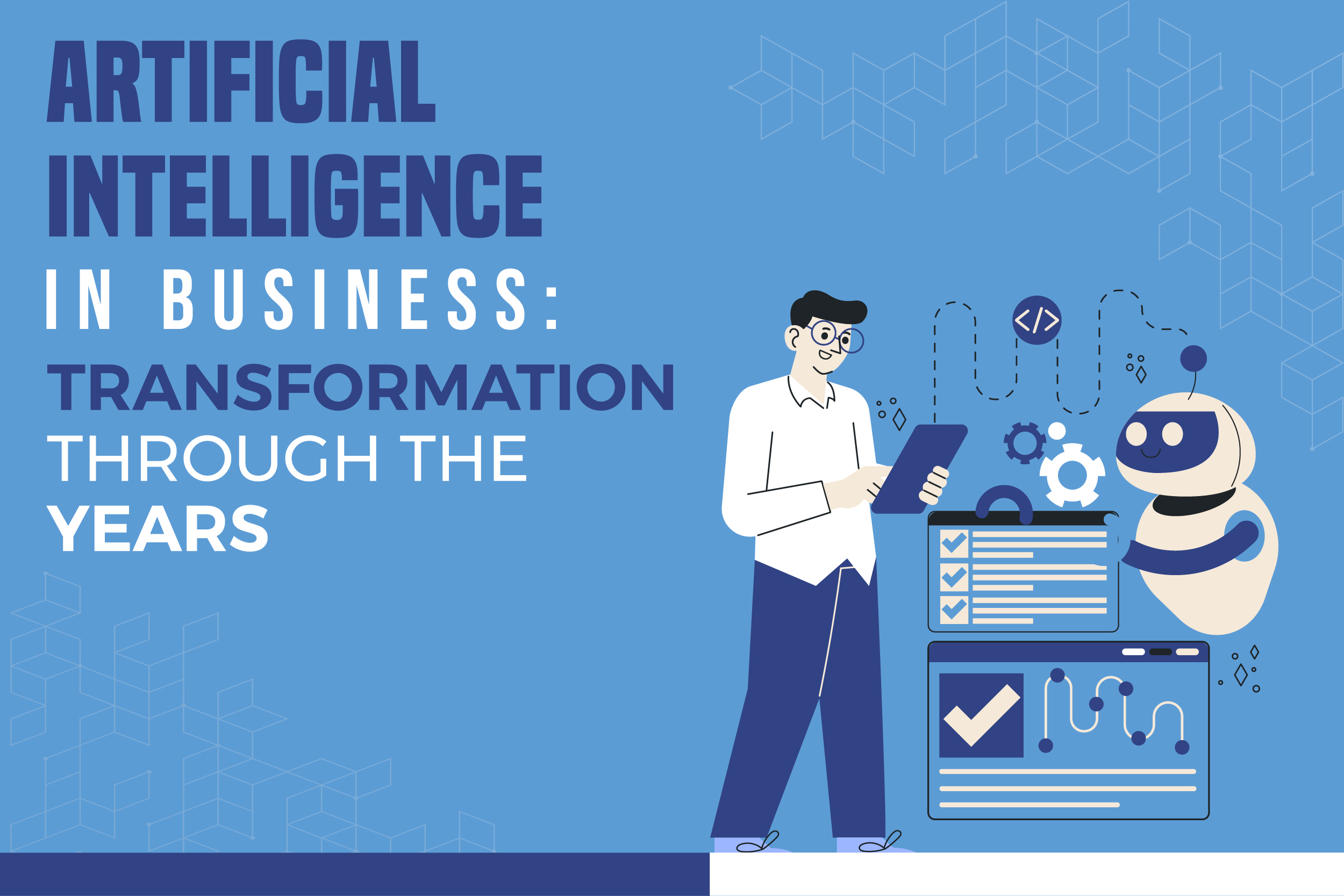
Agile consulting helps modify the various ways of the Business. However, in order to develop the various strategies in the Business to build a strong relationship with the members, proper artificial intelligence support is required.
Artificial intelligence (AI) dramatically impacts the business world, including optimizing work processes and collecting data. Since the 1970s, artificial intelligence (AI) has revolutionized the commercial sector—AI’s early applications focused primarily on streamlining and automating routine corporate operations. However, as AI has improved, its function in Business has drastically changed and grown.
This blog will discuss the role of artificial intelligence in the transformation of Business. Due to its capacity to automate operations, improve workflows, and offer insightful data, artificial intelligence (AI) has grown in significance in the business world. Moreover, AI also increases the working efficiency of organizations.
These include reasoning, self-correction, and learning. AI can be divided into two primary categories: strong or general AI, which can execute any intellectual task that a human can, and narrow or weak AI, which is made for a specialized task.
Expert systems, speech recognition, decision-making, and machine vision are a few examples of AI applications. Numerous industries, including healthcare, banking, transportation, and education, benefit from AI’s advancement. Agile transformation services ensure that the positive effects of AI are widely dispersed, and the destructive effects are kept to a minimum, it is crucial to use AI responsibly and ethically. Businesses that use AI can improve their operations and provide cutting-edge goods and services, giving them a competitive advantage. In addition, businesses can develop new goods and services and enter new markets thanks to AI.
In today’s corporate world, AI is becoming more and more significant. Numerous chores can be automated by AI technology, which can also offer valuable insights for decision-making. Therefore, it is utilized in various fields, including finance, human resources, sales and marketing, and customer support. For instance, AI-powered chatbots can answer straightforward consumer inquiries and enhance the customer experience.
At the same time, machine learning algorithms can analyze enormous data sets to find patterns and trends that can be used to guide corporate strategy. As a result, agile consulting can assist supply chain management, streamline logistics and cut costs. In the upcoming years, as technology develops further and businesses become more data-driven, it is anticipated that the use of AI in Business will increase even more.
Agile consulting is competent at digesting and analyzing vast amounts of data far more quickly than a human brain could, even though it currently struggles to do everyday tasks in the real world. Artificial intelligence software can then present to the user synthesized actions. In this technique, we may use AI to accelerate decision-making and simulate the implications of each action.
Machine learning, cybersecurity, customer relationship management, internet searches, and personal assistants are a few of the applications of AI that are most frequently used.
Agile transformation services are focused on artificial intelligence and are a crucial ally when finding weaknesses in computer network defenses. Unbelievably, by observing patterns in data input, AI systems may detect cyberattacks and other cyberattacks. When a danger is identified, it can go back through your data to locate the source and prevent further threats. The additional set of eyes will be beneficial in maintaining your infrastructure because they are as vigilant and constant as AI.
Future benefits of AI are projected to have a significant and wide-ranging impact on various fields and facets of our existence. The practical future benefits of AI are listed below.
So, Since its conception, artificial intelligence (AI) has advanced significantly and has already had a significant impact on many different enterprises and industries. AI has shown to be a potent tool for businesses wanting to stay ahead of the competition, from automating repetitive operations and enhancing customer experience to offering insightful data for decision-making and fostering creativity. In order to understand the role of artificial intelligence in Business, visit our websites.
Digital transformation promises speed, innovation, and competitive advantage. Yet, despite heavy investments in new technologies, many organizations struggle to achieve meaningful results. In fact, digital transformation failure is more common than most companies expect. Businesses launch ambitious initiatives to modernize systems, adopt AI, or improve customer experiences, but somewhere along the way, momentum fades.
Understanding why digital transformations fail requires looking beyond technology. The real problems often lie in strategy, culture, leadership, and execution. When these elements are misaligned, even the most advanced tools cannot deliver transformation.
Below are some of the most common enterprise transformation challenges that cause digital initiatives to stall or collapse.
Read More
Artificial intelligence is quickly moving from experimentation to enterprise-wide implementation. Many organizations have already tested AI through pilot projects, automation tools, or analytics platforms. The next step—scaling AI across the organization—promises greater efficiency, smarter decision-making, and new business opportunities.
However, expanding AI initiatives without the right structure can create confusion rather than progress. Disconnected tools, unclear governance, and untrained teams often turn promising projects into operational headaches. For companies pursuing enterprise AI adoption, the real challenge is learning how to scale AI safely while maintaining control, consistency, and trust.
Successfully scaling AI requires thoughtful planning, strong governance, and a focus on people as much as technology.
Read More
Businesses evolve constantly. Markets change, customer expectations rise, and new technologies reshape how companies operate. To keep up, organizations often need more than new tools or strategies—they need to rethink how the entire business functions. This is where operating model transformation comes in.
While the phrase may sound complex, the concept is actually quite simple. It is about redesigning how a company works so that it can deliver value more efficiently, adapt faster, and support long-term growth.
Understanding what is an operating model transformation helps leaders make better decisions about people, processes, and technology.
Read More
Enterprise transformations are complex, high-stakes initiatives that often promise operational efficiency, digital modernization, and competitive advantage. Yet, despite meticulous planning and substantial investments, many transformation programs stumble—not because of technology, but because of people.
This is where change management becomes critical. Understanding why people resist change and applying effective strategies in transformation leadership can make the difference between a stalled project and a successful enterprise-wide transformation.
Read More
Artificial Intelligence (AI) is no longer a futuristic concept; it has become a cornerstone of modern business strategy. From automating routine tasks to generating insights from vast datasets, AI promises efficiency, innovation, and competitive advantage.
Yet, the rapid pace of AI adoption also brings uncertainty. Many executives struggle with defining their role in AI strategy, leading to stalled projects or missed opportunities. Understanding how leaders should think about Artificial Intelligence is essential for turning technology into tangible business outcomes.
Read More
Digital transformation is no longer just a buzzword—it’s a necessity for businesses aiming to stay competitive in today’s fast-paced market. Organizations invest in cloud technologies, automation, AI, and customer-centric platforms to modernize operations and create value. But with so many initiatives underway, one pressing question arises: how to measure transformation success? Without clear metrics, companies risk investing heavily without knowing whether their efforts are truly paying off.
Measuring success in digital transformation goes beyond counting deployed tools or completed projects. It requires tracking meaningful indicators that reflect actual business outcomes, employee adoption, and customer impact. Defining transformation KPIs early in the journey ensures that initiatives stay aligned with strategic goals and deliver measurable value.
Read More
Enterprise transformation is no longer a niche service—it has become a critical driver for organizations seeking growth, agility, and resilience. Businesses today face unprecedented challenges: rapidly evolving technologies, shifting customer expectations, and complex global markets. In response, transformation consulting has evolved from offering generic recommendations to delivering highly specialized, strategic guidance that helps enterprises navigate this dynamic landscape.
Understanding how consulting is changing provides insights into what the future of enterprise transformation consulting looks like, and why companies are increasingly relying on experts to guide their transformational journeys.
Read More
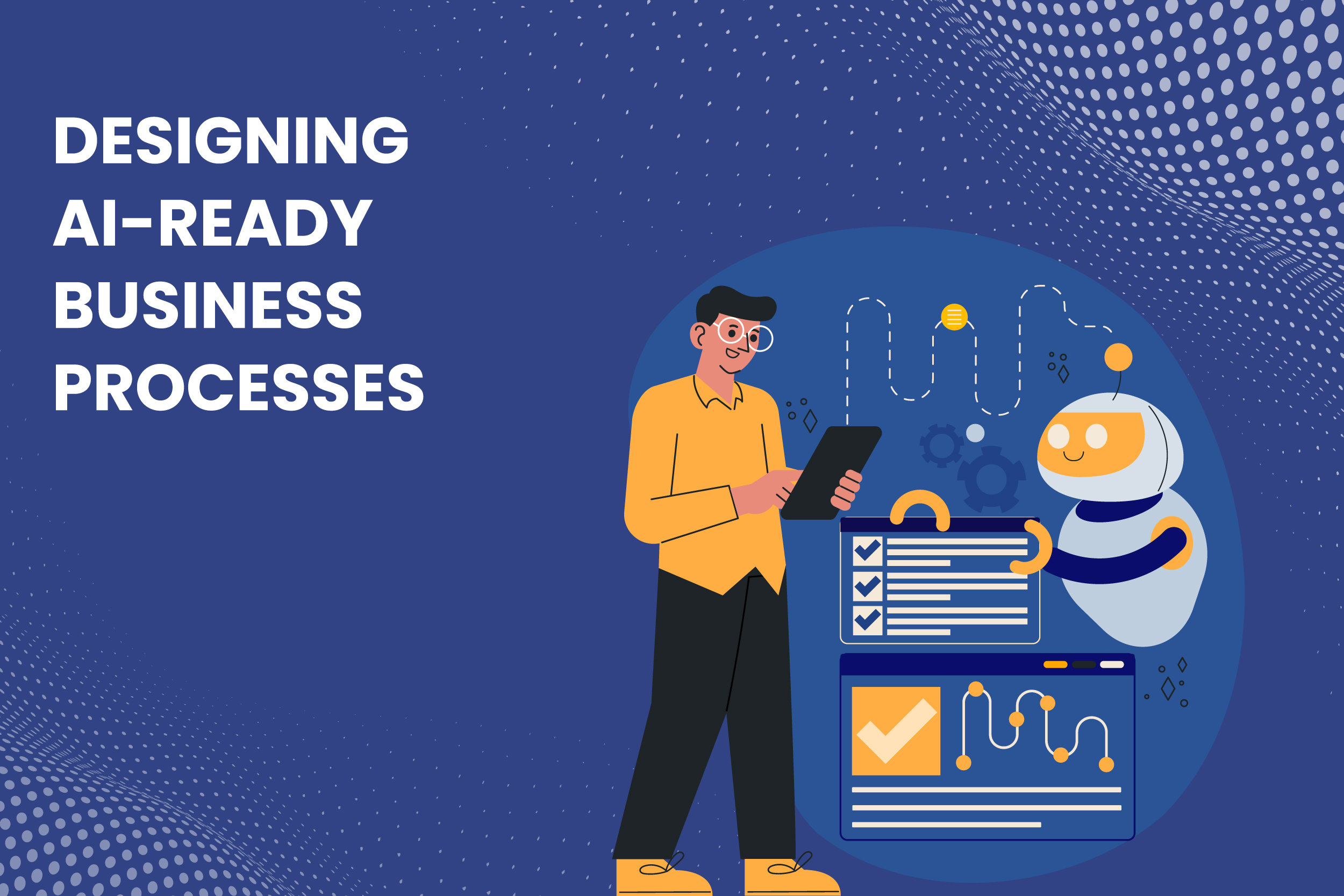
Artificial intelligence is quickly moving from experimentation to real business impact. Organizations are using AI to automate decisions, improve customer experiences, and extract insights from massive volumes of data. However, simply adopting AI tools does not guarantee success. Many companies discover that their existing workflows were never designed to support intelligent automation.
To unlock the full potential of AI, businesses must rethink how their processes are structured. This is where business process transformation becomes essential. Organizations need AI-ready processes that are structured, data-driven, and adaptable. Without these foundations, even the most advanced AI systems struggle to deliver value.
Understanding how to prepare processes for AI helps businesses build systems that are not only efficient today but also capable of evolving with future technologies.
Read More
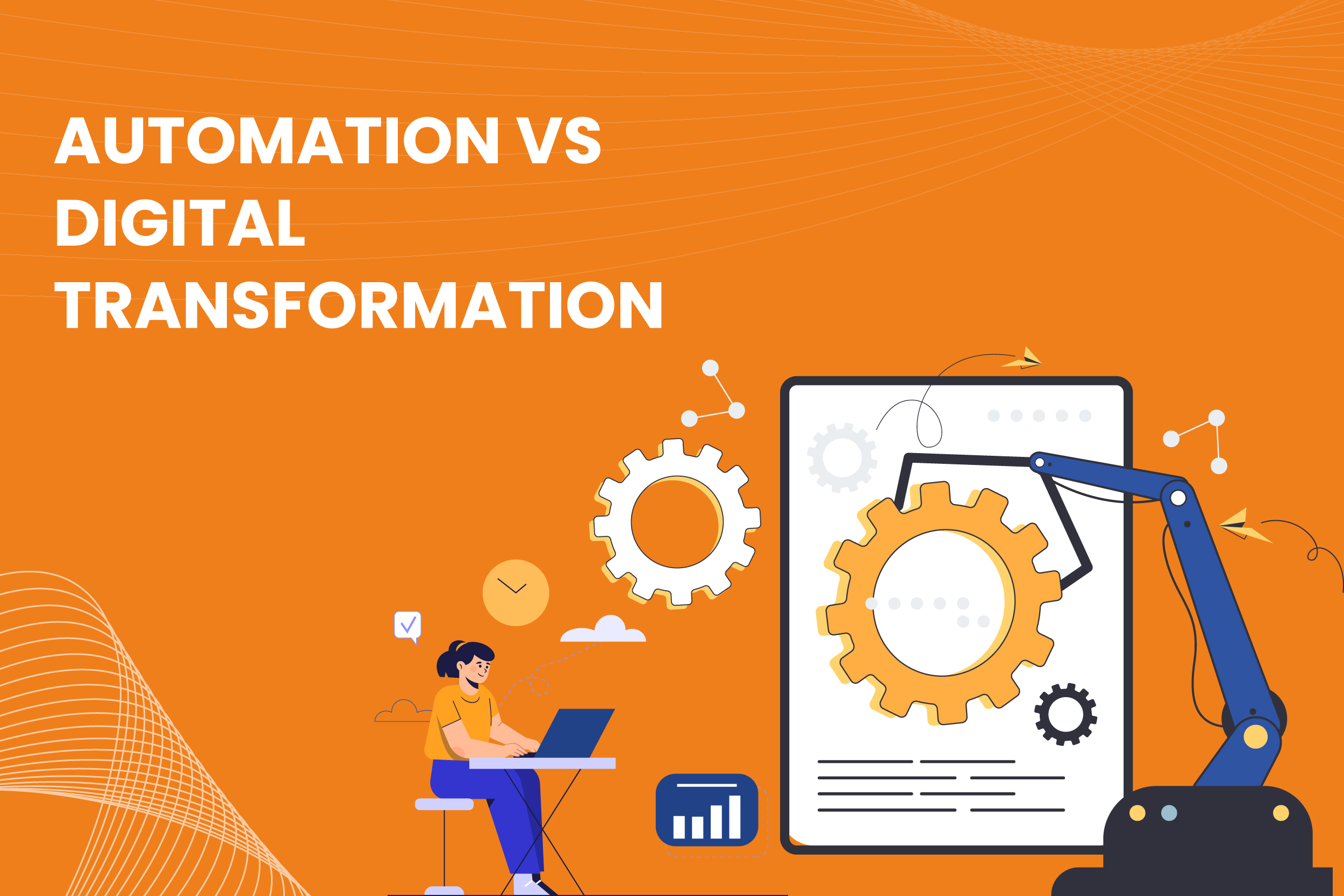
Businesses today are under constant pressure to move faster, operate efficiently, and deliver better customer experiences. In response, many organizations invest in automation tools and digital technologies. However, a common misunderstanding arises when companies assume automation alone equals transformation.
In reality, automation vs transformation is not a comparison of competing strategies. Instead, automation is a component of digital transformation, not the transformation itself. Understanding this distinction is essential for organizations that want to achieve meaningful and lasting change.
When leaders realize that automation is not digital transformation, they can approach technology adoption more strategically and avoid investing in tools that produce only limited impact.
Read More
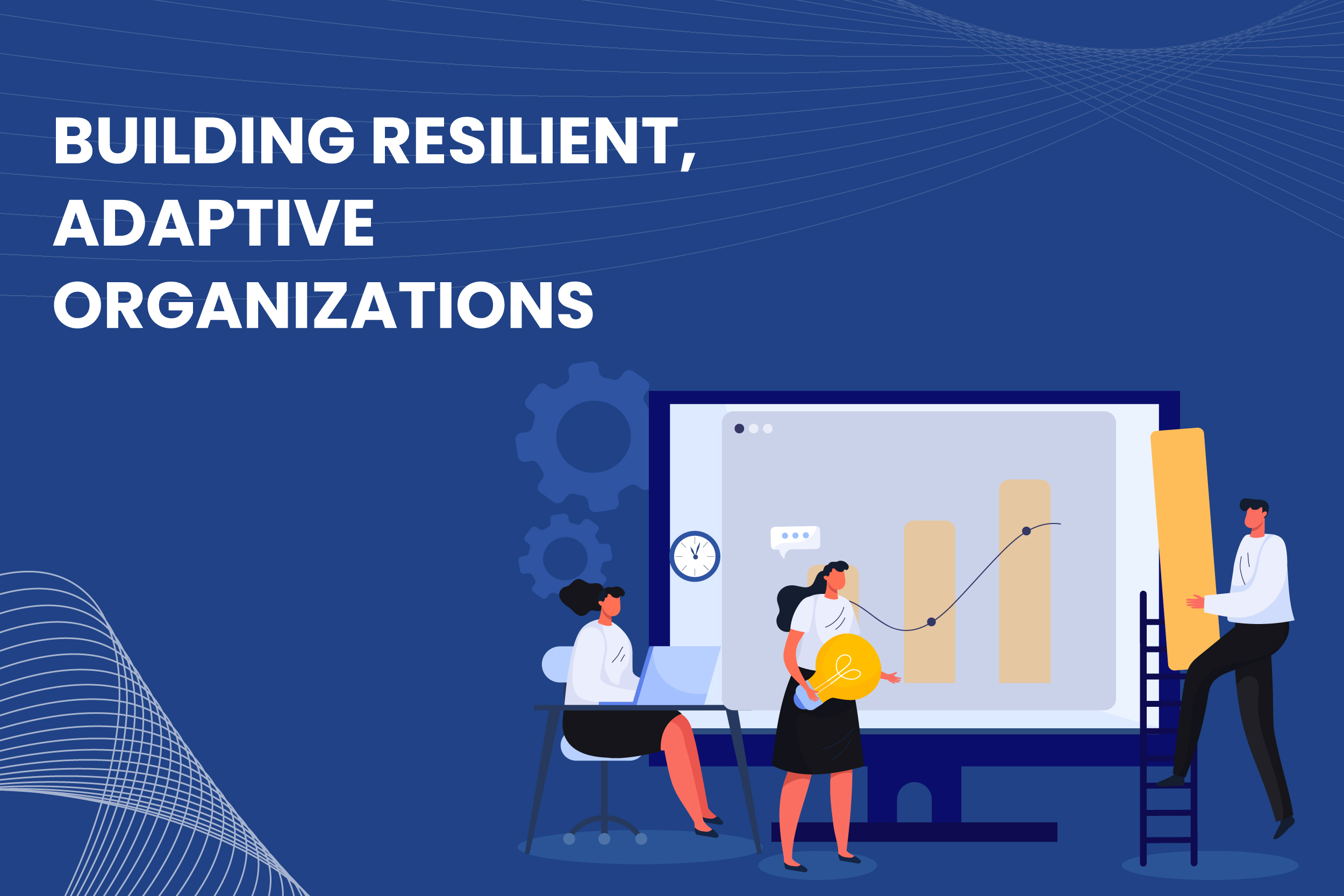
In today’s fast-paced business landscape, uncertainty is the only constant. From global economic shifts to rapid technological change, organizations face pressures that can disrupt operations, challenge growth, and threaten survival. In this environment, organizational resilience is no longer optional—it is essential. Companies that cultivate adaptability, foresight, and responsiveness are better equipped to thrive, even under the most challenging circumstances.
How companies stay resilient begins with a mindset that sees disruption not as a threat, but as an opportunity to learn, evolve, and innovate. Resilient organizations do more than recover from setbacks—they anticipate challenges, respond effectively, and emerge stronger.
Read More

Leave a Reply